Working with Te Whāriki over time
Three experienced educators, now advisors for the Ministry of Education, reflect on their journeys with Te Whāriki from first encounters to day-to-day practice. They share the moments, challenges and insights that have shaped their practice over time.
For Sue Hone, Michelle Unuia and Jess Tuhega, Te Whāriki has never been just a curriculum document. As kaiako, leaders and now advisors, it has become a living kaupapa they constantly return to.
Each of them describes Te Whāriki as a guide that shifts as they do – continuing to shape how they work with mokopuna, whānau and communities decades after they first encountered it.
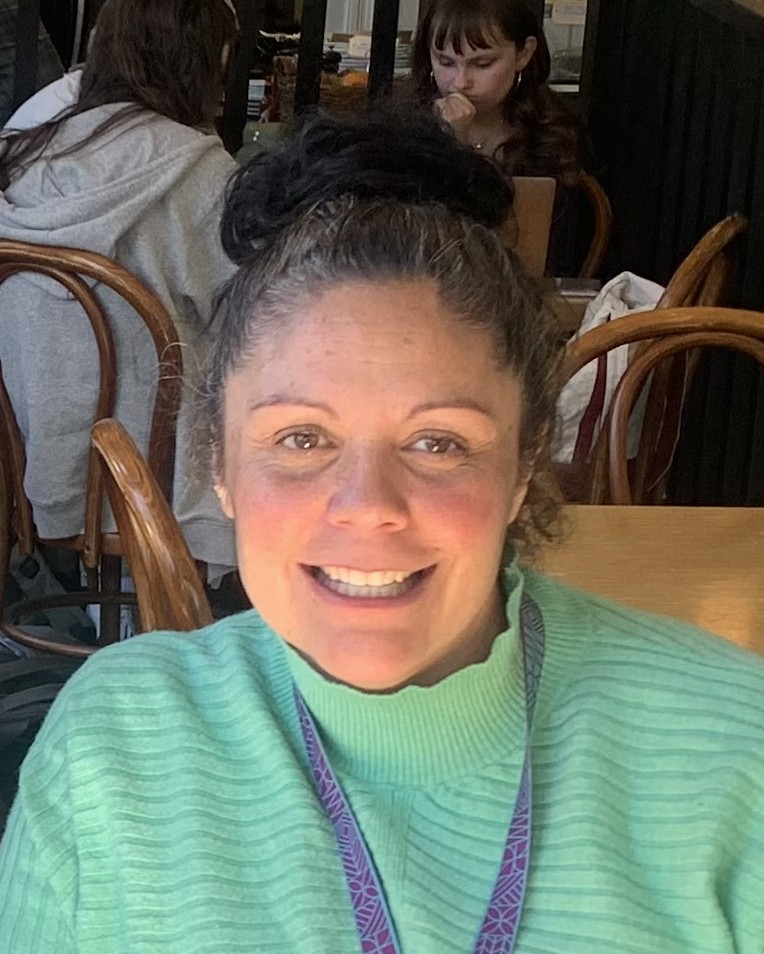
Sue is a curriculum advisor based in Whakatū Nelson, bringing years of experience as a kaiako and head teacher with the Nelson Tasman Kindergarten Association.
Sue Hone.
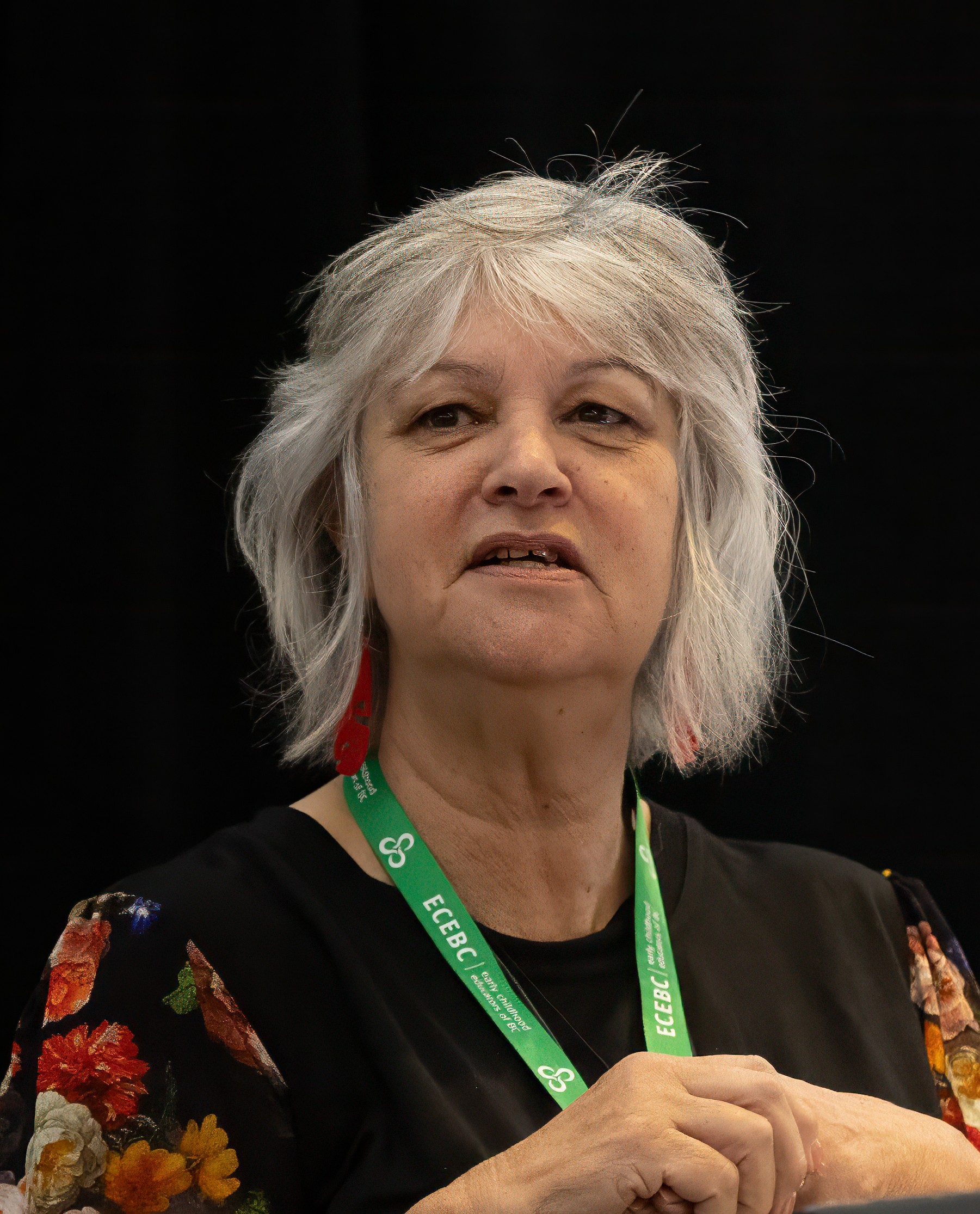
Jess, now a senior curriculum lead in Otago Southland, began her journey in 2000 when she first encountered Te Whāriki during her degree.
Jess Tuhega.
Michelle, a principal advisor in the Ministry’s early learning curriculum team, has worked across the sector since beginning her teaching career in 1993, taking on roles from kaiako to centre manager to national advisor.
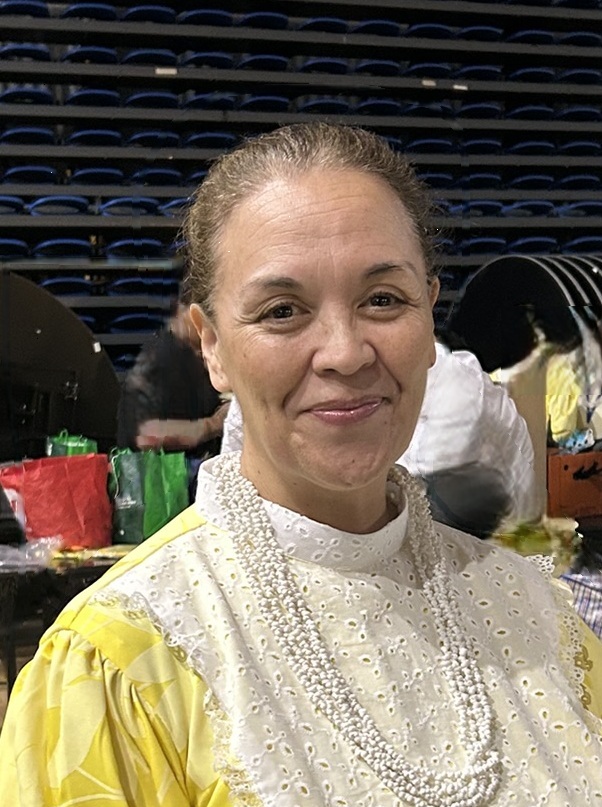
Michelle Unuia
Across different settings and stages, their experiences point to a shared understanding that Te Whāriki is something to be revisited and reinterpreted, evolving alongside their own practice over time.
Bringing Te Whāriki to life
Te Whāriki becomes most powerful through the people who use it. As Sue explains, “Te Whāriki on its own does not support learning. It takes an intentional kaiako to bring Te Whāriki to life.”
She describes it as “the spark and fuel in the fire of learning”, but says it is kaiako who provide the oxygen.
Michelle connects that idea directly to relationships. In her experience, the curriculum works because it centres what matters most for tamariki, which is “relationships, whānau and community, empowerment and holistic development”.
It guides kaiako, she explains, to notice children’s thinking, respond to it and extend it in meaningful ways.
“In my work with services across the country, I’ve been fortunate to walk alongside individuals and teams as they engage with Te Whāriki in new ways and make shifts in their understanding.
“As confidence and knowledge grow, you can see the difference in the environment, in the interactions and in the experiences for tamariki and their families.”
Together, their reflections make clear that the curriculum does not replace professional judgement, but it depends on it.
Sue emphasises the critical role kaiako play in shaping the future. That responsibility feels even more significant in a fast-changing world.
With increasing uncertainty and information overload, Sue says Te Whāriki tells kaiako what is important for mokopuna to learn and what needs to be in place for that learning to happen.
“Te Whāriki guides our kaiako to grow and nurture our citizens of the future. It is what takes knowledgeable people and turns them into the creators of identity, the builders of dreams and the engagers of lifelong learning.”
Jess adds another dimension, grounding that work in culture and identity. For her, Te Whāriki rests on the belief that all tamariki will succeed in education when the foundation to learning is based upon an understanding and respect for their cultural roots.
Empowerment, she says, sits at the heart of that.
People, place and culture
Te Whāriki comes alive not just through practice, but through deep knowledge of people, place and identity.
“Learning about each tamaiti, whānau, cultural background and from where and with whom they came would equip me with valuable knowledge,” explains Jess.
“This knowledge was essential to designing a curriculum, using Te Whāriki, that was holistic, was inclusive of whānau and community and empowered all tamariki to become confident and competent learners.”
Sue echoes this: “Knowing the child is at the heart of everything we do.”
She recalls the image of the woven mat and explains how this calls on kaiako to first understand who a child is and then respond to that with the kete of tools and knowledge at their disposal.
“Te Whāriki has its own whenu and aho. But when you weave a child’s whāriki there are other whenu to consider… whānau, prior learning, dispositions, preferences and all the things that make this child who they are.
“The aho is you. What are you weaving into their mat? And the technique you use, the whatu, is your planning and intentional teaching.”
Keeping it simple
Despite its depth, all three advisors return to a consistent message: keep Te Whāriki simple.
Sue has seen how easily complexity can creep in. Over time, she says, a “simple and effective curriculum” can become weighed down by templates and processes. Her advice is to go back to basics, to ground practice in the principles and let the strands and outcomes come into view from there.
Michelle remembers taking that same approach when Te Whāriki was first introduced. Rather than trying to take it all on at once, she and her colleagues worked through it gradually, unpacking one part at a time and considering what it meant in their context.
Jess’ early experiences reinforce how important that patience is. Learning alongside more experienced colleagues, she describes the “rich learning” that came from observing and working within a team.
Across their perspectives, there is a shared understanding that depth comes with time. The goal is not to implement everything perfectly, but to keep learning – always anchored in a belief in the potential of mokopuna.
For Sue, that belief is central. “Each child comes with potential regardless of ability, and each child has the right to reach that potential.”
Growing as kaiako and leaders
As their careers progressed, each advisor came to see Te Whāriki as something that extends into leadership, collaboration and personal growth.
Michelle reflects on how her own practice has evolved. Looking back at her early years, she describes a “narrow” lens shaped by her own experiences. Over time, that lens widened, influenced by the people she worked with and by Te Whāriki itself.
It reminded her, she says, to focus on relationships and to slow down, listen and respond, rather than simply working through tasks.
Jess experienced a similar shift as she moved into leadership roles. She sees Te Whāriki as a framework that applies wherever people are involved. It supports wellbeing, belonging and communication.
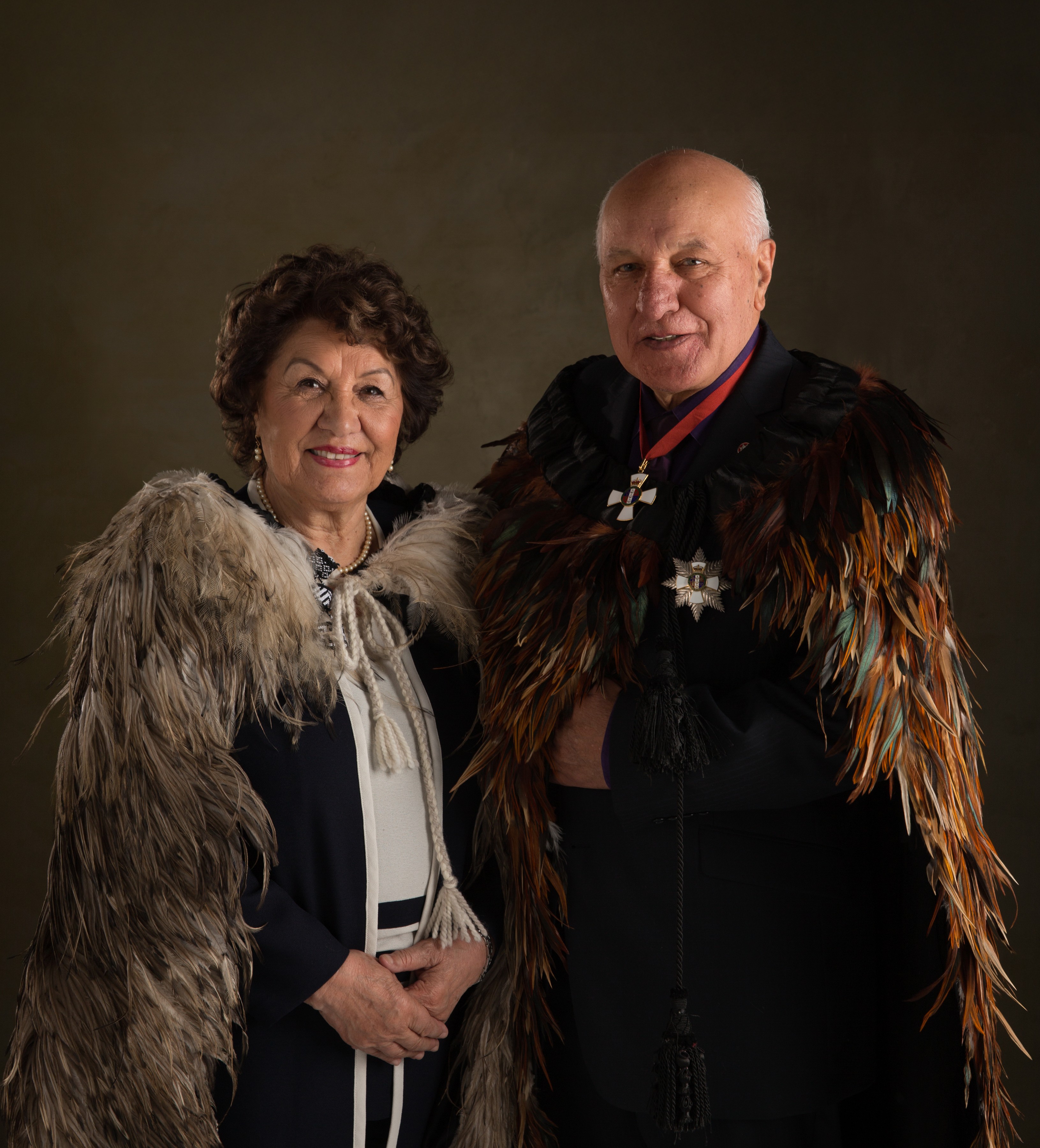
In leadership, that means recognising the mana of others and building on their strengths. Jess links this directly to the principles of Whakamana, Kotahitanga and Ngā Hononga, and to a deeper idea highlighted by Tā Tāmati and Lady Tilly Reedy: that effective kaiako must first understand themselves.
“With self-knowledge comes self-belief, self-value and self-love, all of which determines the level of commitment to the tamariki we serve, and the quality of that commitment.”
A living document, a lasting impact
Decades on, all three describe Te Whāriki as something that continues to evolve through how it is understood and lived in practice.
Sue’s copy is well worn. She says it’s “dog-eared, coffee-stained, highlighted and post-it noted up the wahzoo” – a reflection of how often she returns to it.
Michelle shares that sentiment, with her 2017 copy filled with notes, post-it flags and highlighting, having travelled with her across the country. It remains, she says, her “go-to guide” in daily work.
“Thirty years on, Te Whāriki has shown its longevity. While it has evolved over time and responded to new learning, at its core it remains about people, relationships, whānau and contribution – and is uniquely grounded in Aotearoa.”
Reflecting on how it can be applied across contexts and systems, Jess echoes a speech by Lady Tilly Reedy, describing Te Whāriki as “a tapestry for life”.
She hopes to see its influence grow even wider, imagining a future where it becomes a foundational document across all education sectors, grounded in Te Tiriti o Waitangi and bicultural in practice.
“Te Whāriki has the capacity to establish strong and durable foundations for every tamaiti, no matter their culture, ability and knowledge base.”
Speaking to the people who use it every day, Sue has a simple takeaway. For Te Whāriki to make a difference, kaiako need to engage with it meaningfully every day and trust in its strength.
“Kia kaha, kia maia, kia manawanui. Be strong, be courageous, be steadfast. Te Whāriki has your back.”