How different communities shape the strands of Te Whāriki
Te Whāriki is grounded in relationships, culture and place – a curriculum designed to be lived rather than applied. Three decades on, its strength lies in how different communities shape its strands in practice, from kaupapa Māori settings to multicultural centres, home-based education and parent-led Playcentres.
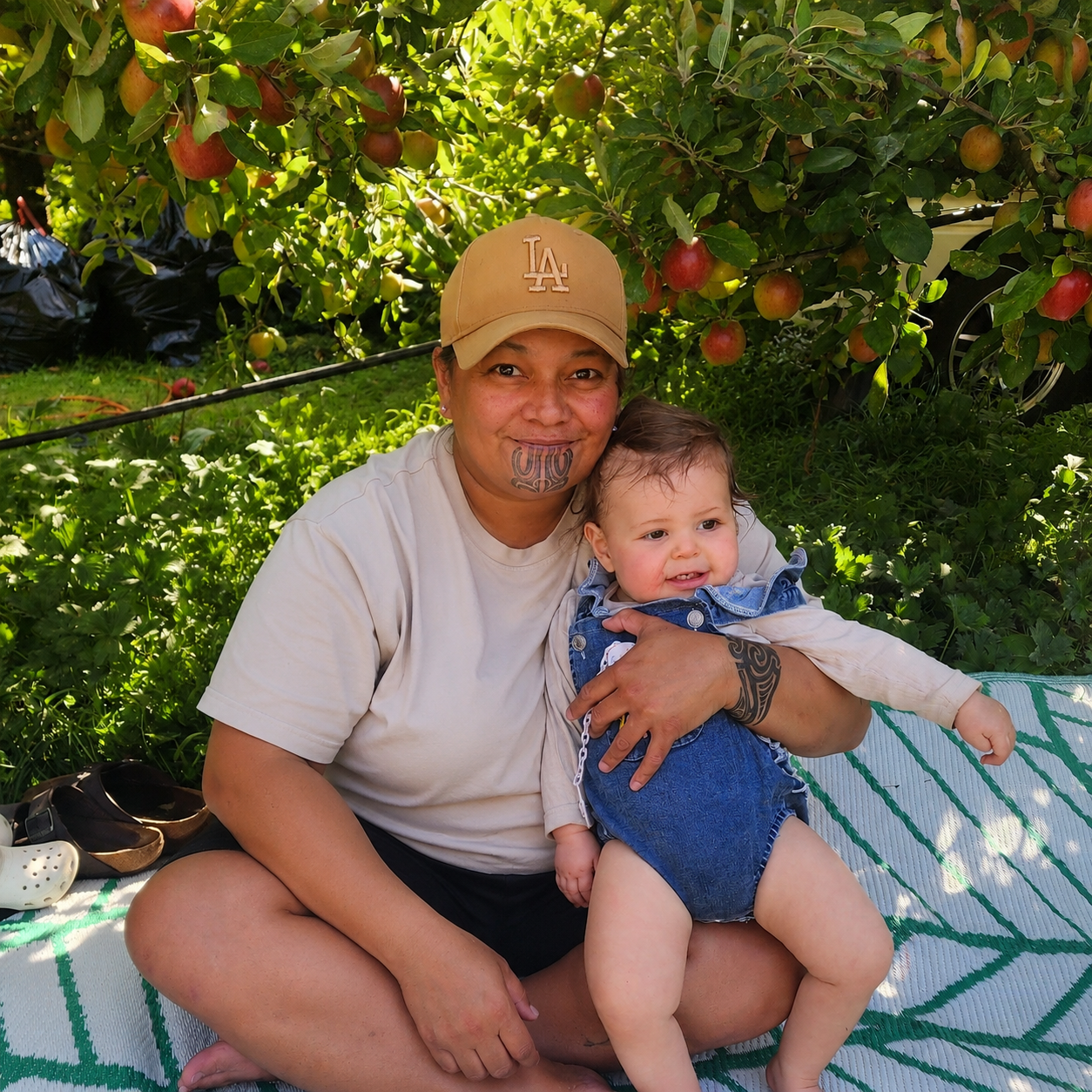
Trina with pepe Awatea out on a haerenga.
At Whānau Tree House, learning begins not inside four walls, but between people, place and practice.
The bilingual early learning provider immerses its tamariki in te reo Māori and te ao Māori through a bilingual kaupapa, where Te Whāriki is lived day to day.
“It’s a holistic approach,” says manager Trina. Kaiako Amiria adds that their Whare Ako framework works alongside Te Whāriki and shapes how learning happens within their whare.
Community is a huge part of Whānau Tree House, and the puna reo often connects tamariki with their local environment – taking part in kapa haka at the nearby school or going on outings to the ngahere (forest).
“This gives our tamariki a sense of belonging and identity,” says Amiria. “The whare keeps us warm, but the environment teaches both the kaiako and the children.”
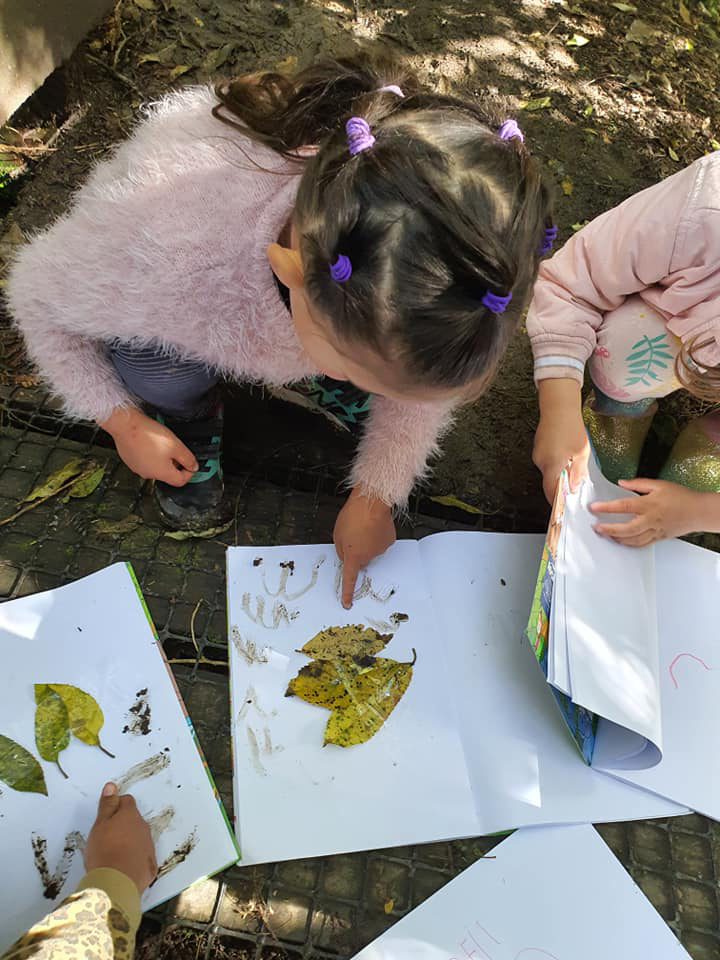
This connection to nature and learning outside of the whare helps children and their whānau develop respect and care for the environment.“We take the karakia into the ngahere,” says Amiria. “And it’s practical learning, where the tamariki are picking up the leaves, and they’re learning to be gentle with them.”
The kaiako believes this practical experience is important as it feeds a child’s imagination much more than learning from a book could.
“For example, learning about the colour kowhai, a child could think there’s only one shade. But when you go out into the ngahere, you see the colour in a whole different light. Looking at flowers, yellow comes to life,” says Amiria.
Trina says this experience out in the community deepens a child’s connection with it and weaves tikanga Māori into their lives as a daily practice.
“For a tamaiti who’s been practising karakia to Tane Mahuta every day, it’s a normal practice of respect for their environment,” she shares.
Te reo Māori is used throughout the day as the children follow a routine structure.
“All of our moments are there to nurture te reo and tikanga and relationships,” says Amiria.
With different age groups learning alongside each other, tuakana-teina has a core role in generational learning.
Designed for multiculturalism
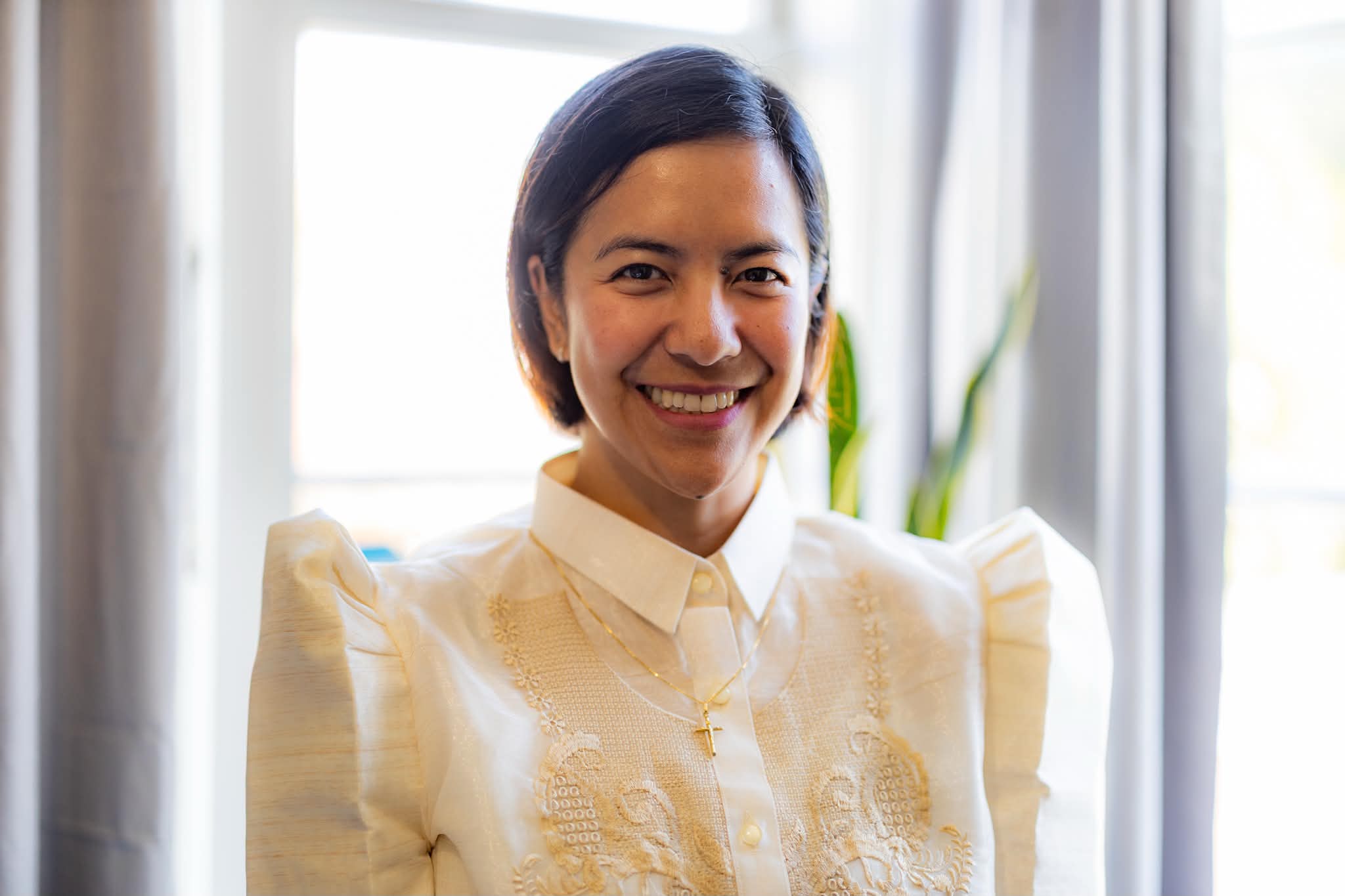
Pho Bui, originally from Vietnam, has been working as an early childhood teacher in Wellington since 2015. Bringing her own multicultural experience as she implements Te Whāriki, Pho says this has helped her foster the same sense of belonging and wellbeing among the diverse children entering her centre.
“When I started work, I worried that I would be quite different,” she says. “But Te Whāriki put me at ease, as it’s all about valuing differences amongst our tamariki and creating a sense of belonging in the learning environment.”
She remembers having to adjust to a new environment; an empathy Pho extends to parents and children.
Now at Daisies Early Education and Care Centre in Wellington, Pho says she has seen an increasing number of children entering the centre with diverse backgrounds. But Te Whāriki supports these increasingly diverse early childhood education environments.
“It values a culturally responsive and open-minded teaching practice,” says Pho.
Teaching infants and toddlers, Pho and her fellow kaiako make sure to first learn about each child’s language, culture, values and their family’s aspirations.
“When the baby has that trusting relationship with you, and their learning environment reflects their home environment, they start to feel secure,” says Pho.
“Te Whāriki sees children as capable and competent learners, and it guides us to move at the child’s learning pace so we’re not rushing.”
She captures the children’s learning through Storypark and shares these photos and moments with whānau.
“I believe that diversity is a strength in our early childhood education.”
“I believe that diversity is a strength in our early childhood education. It’s where children learn about empathy, and they take this understanding and respect of people with different languages and cultures with them as they grow up,” says Pho.
Learning in home-based settings
Beyond early learning centres, Te Whāriki also takes shape in more intimate, home-based environments, where learning is closely woven into everyday life.
Penelope Janes was involved in the development of Te Whāriki from its early beginnings to its publication in 1996. As a visiting teacher and home-based educator for Barnardos, she contributed to early professional learning around the curriculum.
“I attended professional development workshops on this new curriculum, which seemed so different to what I had been taught in my ECE teaching qualification,” she says.
At the beginning of its implementation, Penelope says she noticed early learning professionals were trying to fit the framework into theories and practices already in place. “But over time, Te Whāriki became a living document as teachers increasingly understood that children develop within the context of their family, community and culture.”
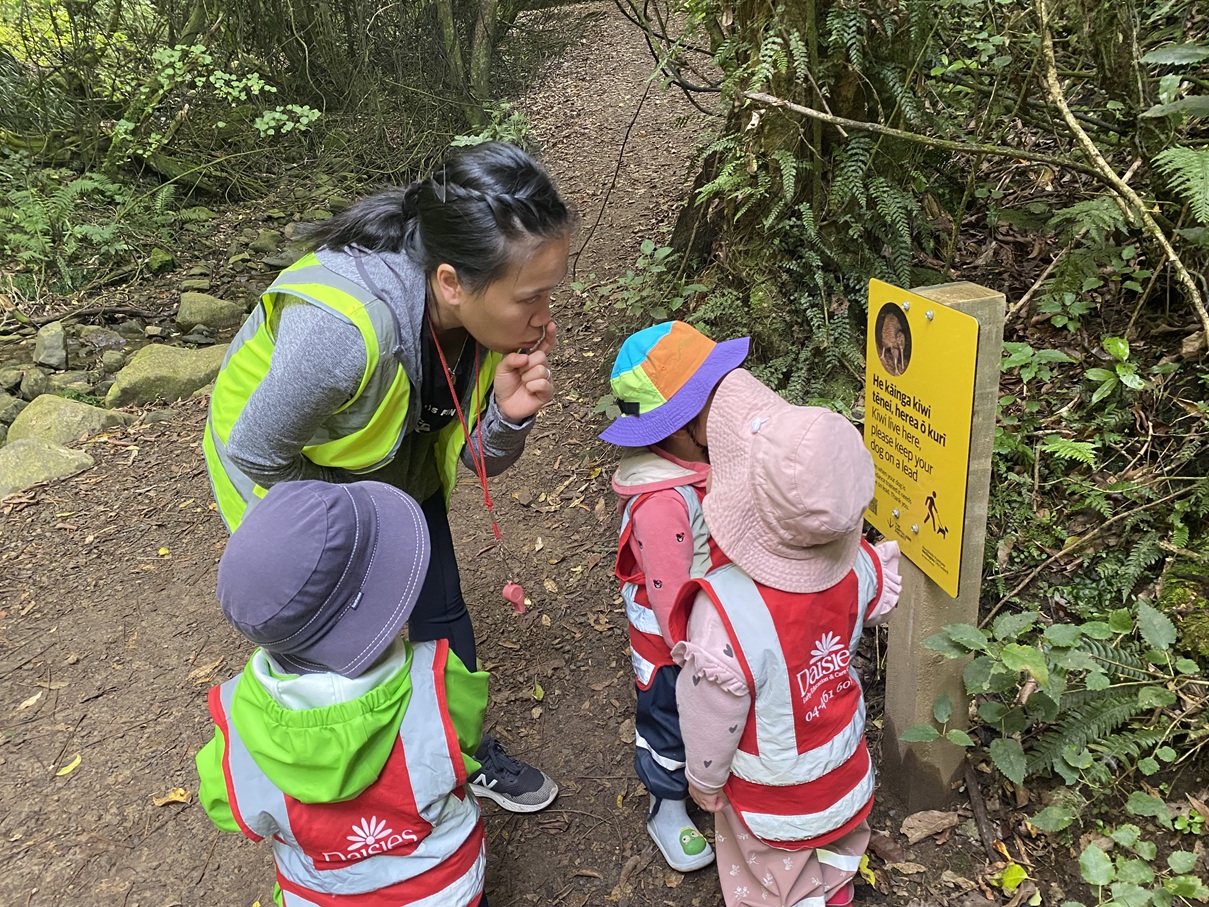
Pho and tamariki discovering the new kiwi signs during their nature explore programme.
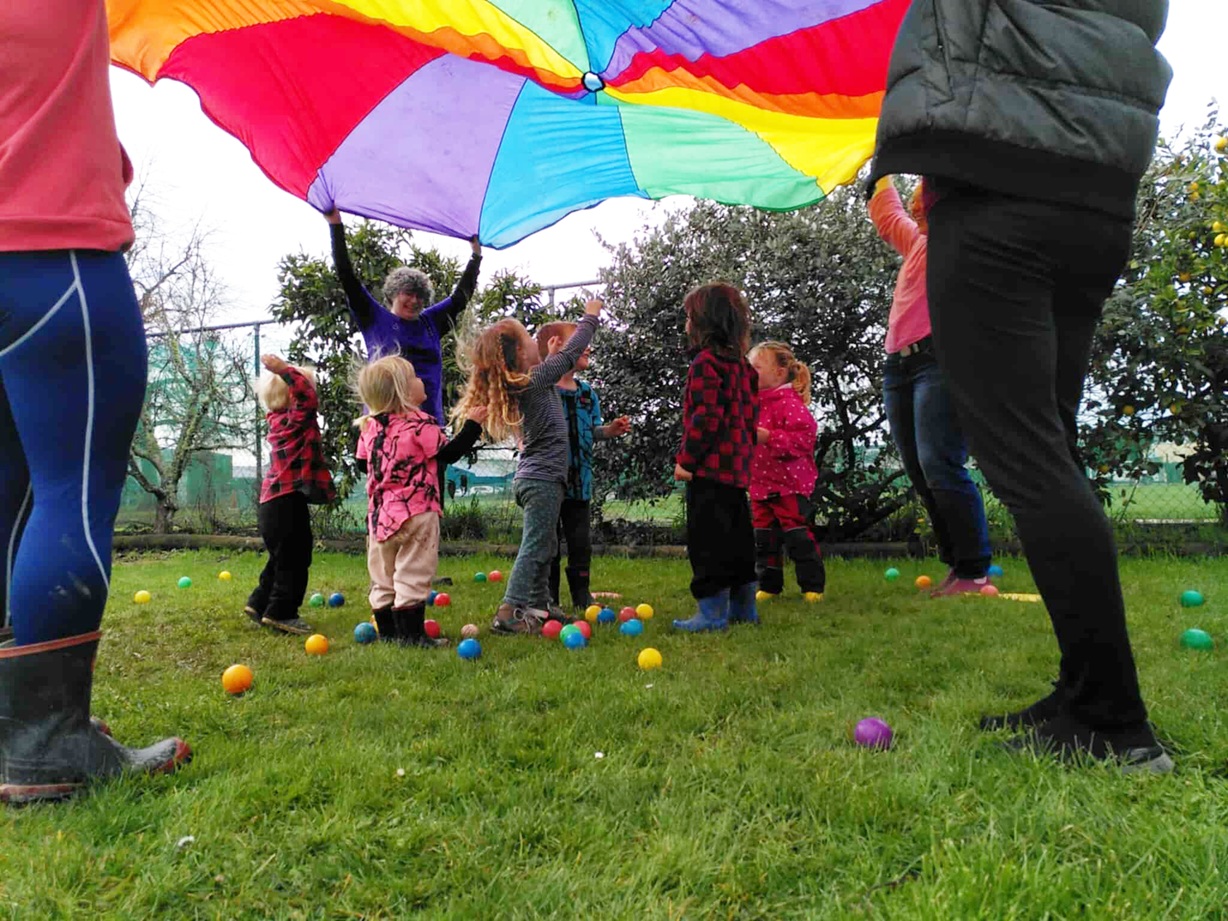
Moira Siobhan with Playcentre friends living Te Whāriki.
As a home-based educator, Penelope would work with no more than four children, including her own pre-school child.
Although she had a plan for the day, it could easily be changed depending on the children’s interests and what might come up during the day. They would often go to the park, library or playgroup.
“One of the unique aspects of home-based ECE is the role of the educator in the lives of children and their families,” she says.
“The educator can build really effective relationships with the families of the children at their place each day.”
At the day’s end, Penelope would share a child’s learning with their parents.
“I wrote stories of learning using narrative assessment and based on my understanding of Te Whāriki. Any thoughts from the parents or visiting teacher were also included,” she adds.
With the foundation of relationships with people, places and things in a child’s environment, Penelope says the very nature of home-based settings means that educators are well-placed to provide a curriculum based on local and authentic learning experiences
for children.
“Te Whāriki sees children as capable and competent learners, and it guides us to move at the child’s learning pace so we’re not rushing.”
When whānau take the lead
While home-based education places learning within family life, parent-led Playcentres bring families directly into the teaching role.
With her “beat-up old copy” dog-eared and tabbed, Moira Siobhan uses Te Whāriki daily as a Playcentre session facilitator in Motueka.
At the parent-led early childhood education provider, she helps the parent-kaiako create learning stories, and plan, for the children. Te Whāriki is understandable not just for a qualified teacher but for new parents hoping to grow with their child.
Whānau tangata, family and community, is one of the underlying principles.
“Everything we are as a Playcentre is about whānau,” says Moira. “We really live Te Whāriki every day.”
Ngā hononga – relationships is another underlying principle and this relates to the environment of a Playcentre, where family members showing up include grandparents and fathers. By having whānau involved, Moira can take the children out on excursions to parks and beaches, helping them connect to their local environments.
She’s laminated overview pages of Te Whāriki so new parents can quickly get up to speed on how the curriculum works when they bring their child to the Playcentre.
There’s a compartment box with all of the learning outcomes and strands printed in different colours.
Parents can go through the container and work with their children to organise these and create their own goals. Colourful and engaging posters of the principles and strands decorate the Playcentre walls as a reference.
“Parents are at the Playcentre because they want to be with their children and learn too,” she says.
“We’ve broken down Te Whāriki so the parents can fit the learning into their own busy lives, helping to make sure their children's development continues to thrive. Parents take Te Whāriki into the home environment too.”
Across every setting, from multilingual centres and kaupapa Māori environments to homes and Playcentres, the strength of Te Whāriki lies in its ability to adapt while keeping children, relationships and community at its heart.
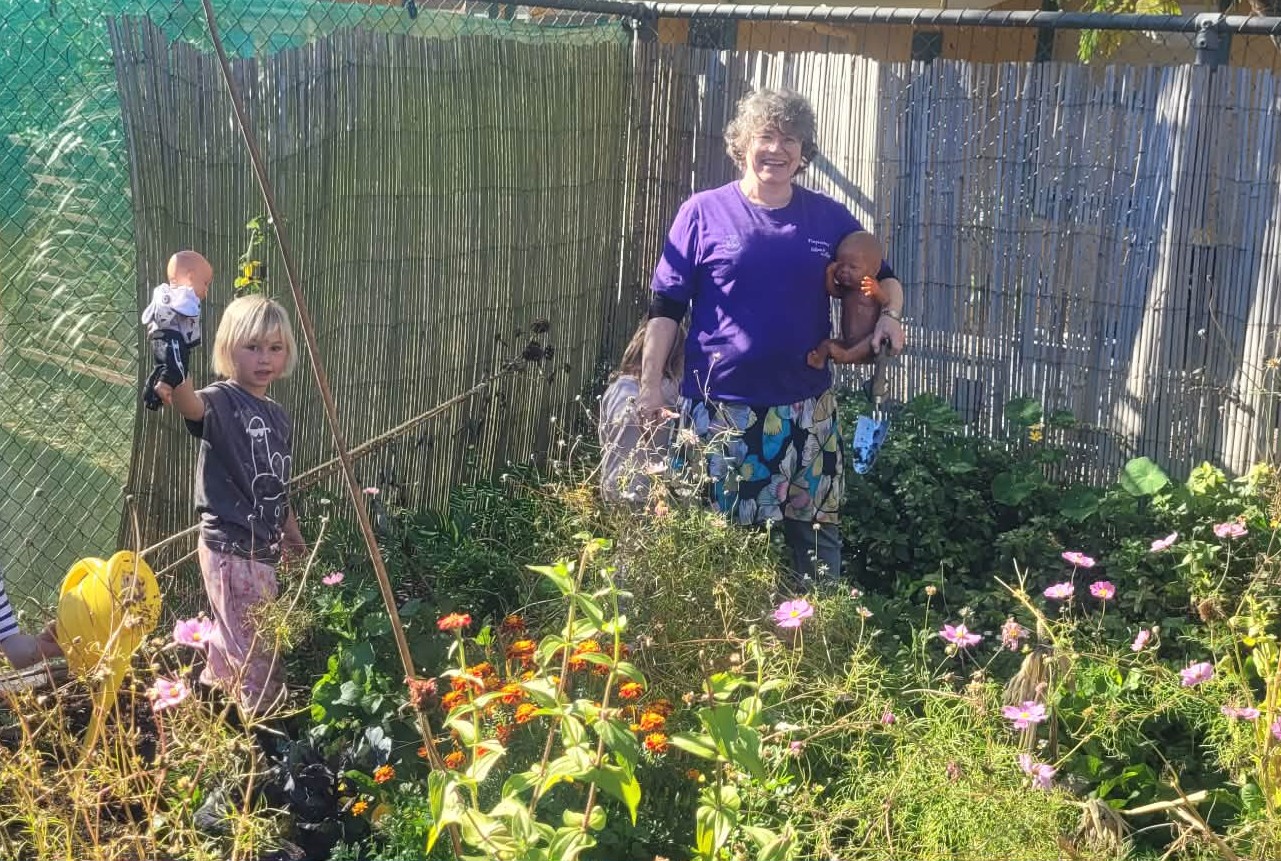
Moira and Rio connecting through play and nature – the best teachers.
Tamariki in the ngahere, exploring and learning through nature. They used the dirt to create letters and gathered leaves to represent and form letters, supporting their early literacy development through hands-on, sensory experiences.