Kaiako explore how Te Whāriki is woven into practice
Three kaiako with diverse backgrounds and careers in early learning explore how Te Whāriki works in practice and how it continues to evolve through the lives of mokopuna and whānau.
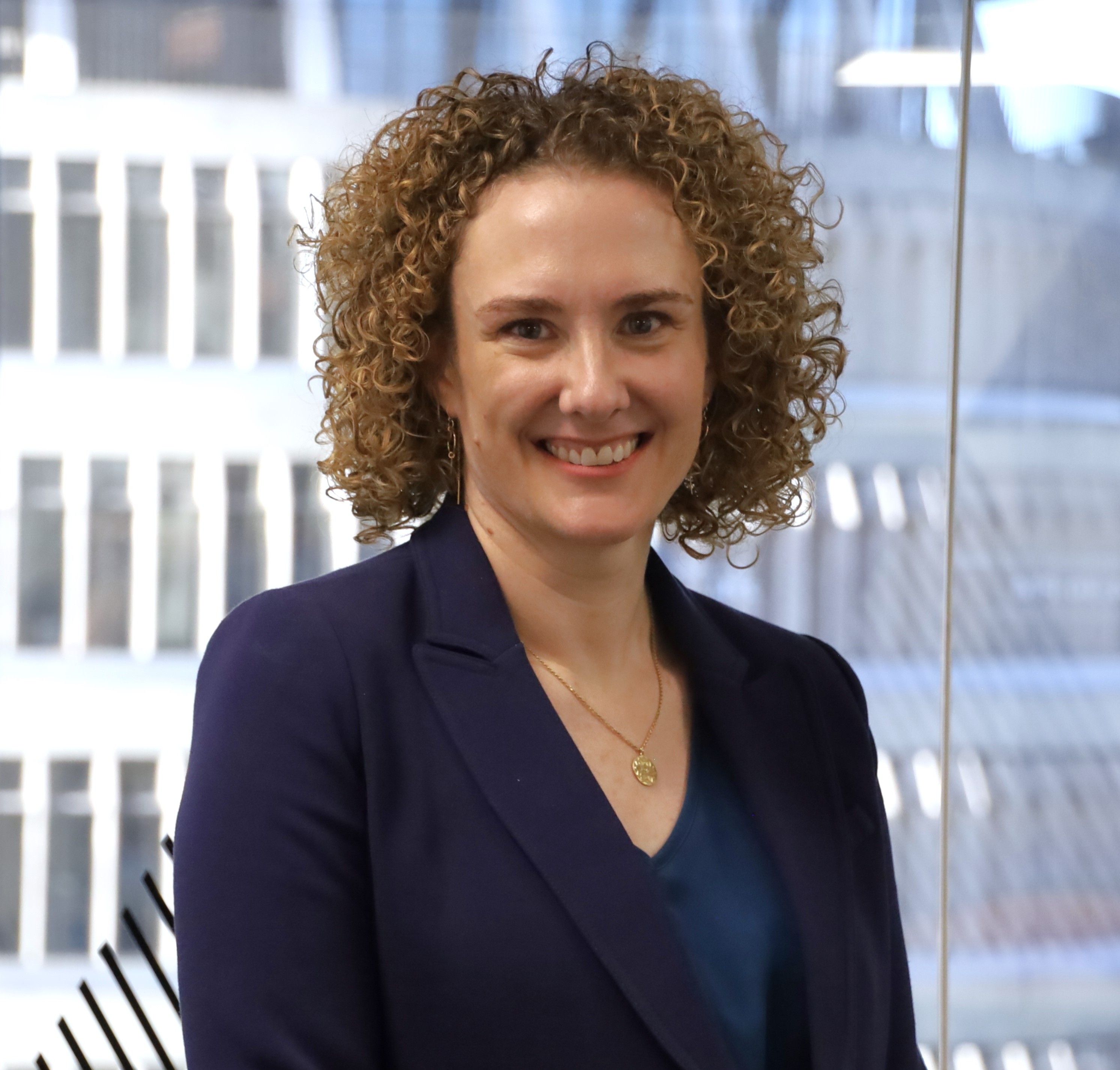
After teaching during her gap year in England, Lauren Stafford realised education was her calling.
At the beginning of her teaching career in Aotearoa, Te Whāriki was around 10 years old.
Already, it was “world-leading”, she says. “It’s a beautiful and living document… It’s really stood the test of time.”
Now with more than 20 years of experience in early childhood education, Lauren is acting national manager for Rātā Educare, overseeing four Salvation Army-run centres in Auckland and Wellington.
As a holistic document, Lauren says Te Whāriki can be used in a myriad of ways. She adds that the curriculum shines best when teachers use it to understand children in unexpected ways.
“It helps teachers identify learning and follow different learning journeys to support the needs of each child.”
At one of her centres, kaiako were struggling to pinpoint how a specific child was learning. Through observation, they noticed how he constantly kept small trinkets gifted from other people in his pockets.
The team recognised this behaviour aligned to the principle of ngā hononga – relationships.
“The kaiako asked, 'How does this collection of trinkets reveal how the child relates to others in his life?'” says Lauren.
They then looked at the 'belonging' strand and by connecting links with family and the wider world, began building on his learning through affirming his relationships and community connections. Bringing in his family, they helped create the child’s pepeha.
When kaiako are responding to learning journeys, they begin with the child’s interests and aspirations.
Teachers then consider their own goals using Te Whāriki as a lens, while parents share their hopes for their child.
“It’s really important that families have the opportunity to be involved in these decisions,” says Lauren.
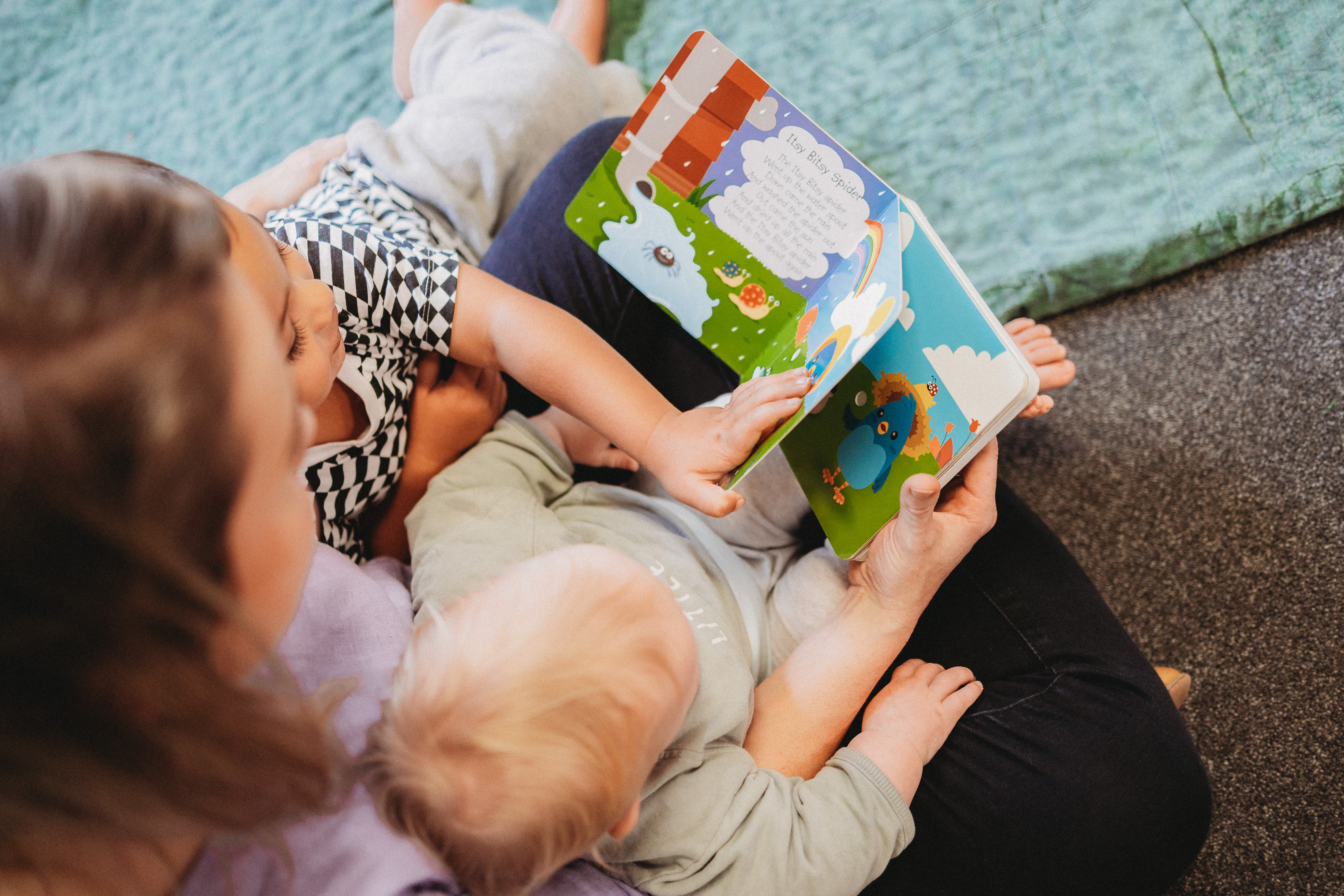
Lauren Stafford reads to mokopuna at Rātā Educare.
Mokopuna at the heart
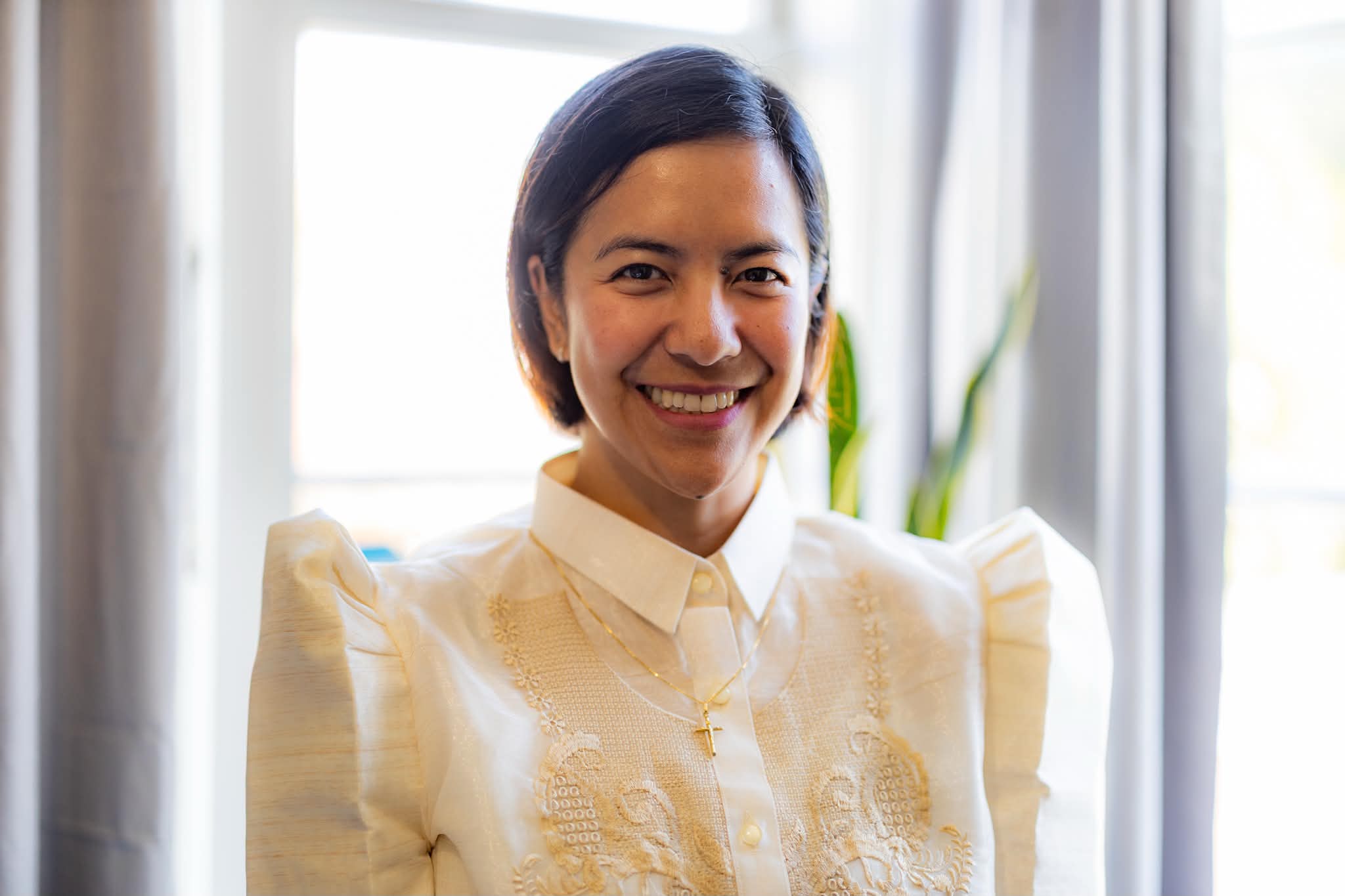
When Maria Dalope landed in New Zealand from the Philippines, Te Whāriki presented an entirely different approach to early learning.
“It was a shock as there were lots of differences when it came to teaching and learning,” she says.
“It’s more of a play-based approach, whereas in the Philippines, children from age four are already in a structured classroom.”
Maria recognised the importance of Te Whāriki when she first began working with infants and under-twos.
“Te Whāriki directs you to a different way of understanding how infants progress and thrive in an environment where teachers really rely on whānau,” she says.
Maria now implements Te Whāriki as head teacher at Taitā Kindergarten.
Working in the kindergarten space, she says her creativity has flourished.
“It’s not bookish – it’s what feels right for the community. It’s not forced – it’s a natural way of adapting and learning with each other,” she says.
She has built relationships with parents, followed home routines and focused on each child’s overall wellbeing. Her kindergarten often invites whānau in for a “kai or cuppa” and asks parents: “What does your child’s success at kindergarten look like for you?”
“Te Whāriki is everything we do; providing and encouraging us to be flexible every single day to meet the changing needs of the tamariki and their whānau,” she says.
Maria Dalope.
Celebrating differences
With many different cultures represented in Maria’s kindergarten, kaiako greet families in different languages and make a point of pronouncing names correctly.
Before children eat morning tea, they share different traditions. One Muslim child says “Bismillah”; a Japanese child says “Itadakimasu”.
“We bring all these ideas together. Not in a tokenistic way, but it’s honouring what each child brings to our kindergarten,” says Maria.
“Te Whāriki – being woven – reflects the nature of humans. We work in harmony. Without each strand, it’s not a community. Everybody brings something that we value.”
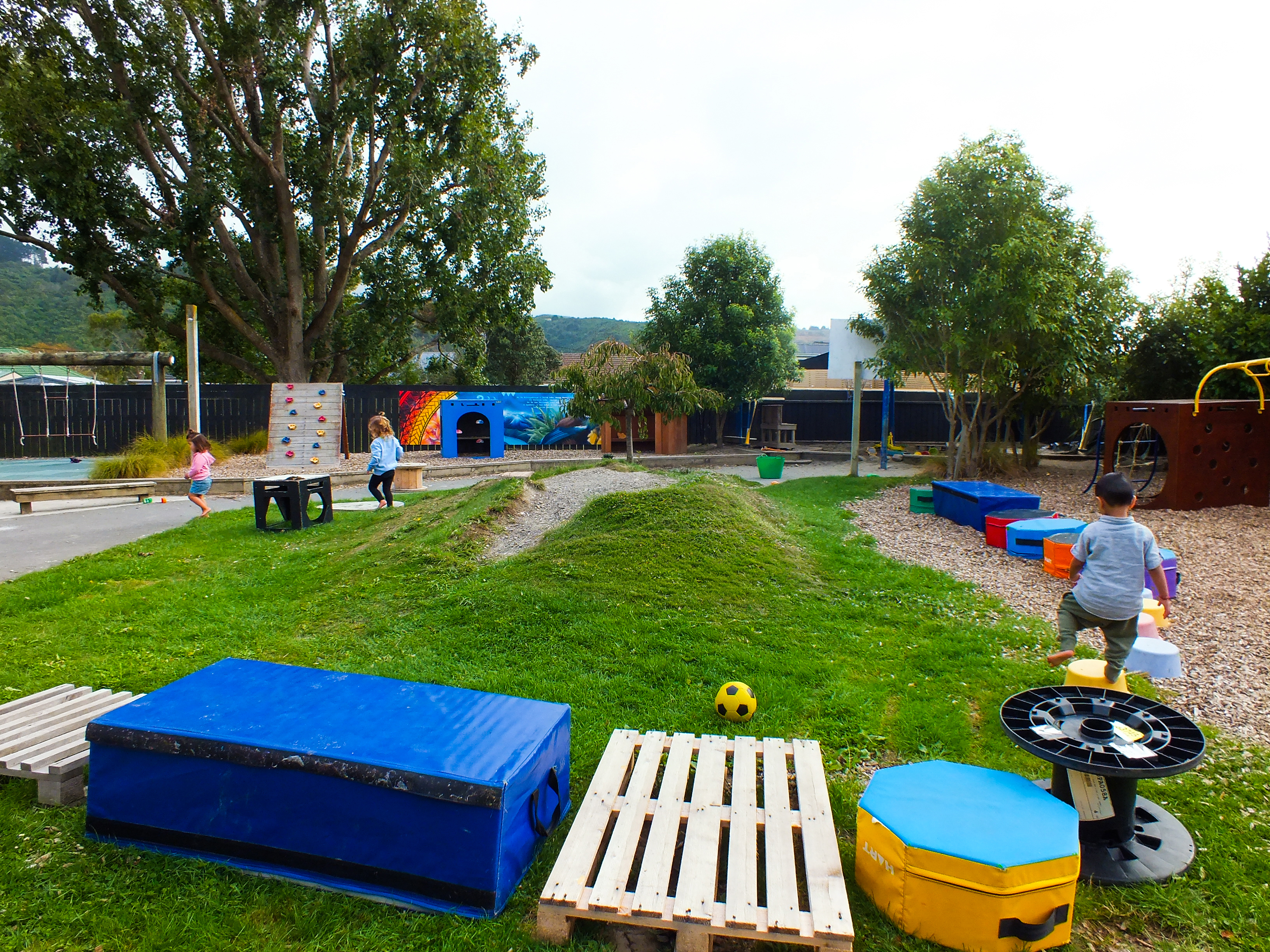
The playground at Taitā Kindergarten.
A holistic approach
Jo Wild from Little Pipis has spent three decades in early childhood education and has watched Te Whāriki evolve over that time. She says documenting children’s learning was very different when she started teaching.
“Right up to today, you can see how unique this record keeping is,” says Jo.
“It’s not only for the child but also for their whānau, and you can see the importance of looking at a child’s development holistically, where each skill links to a wider strand.”
At Jo’s centre, tuakana-teina is an important concept in which older children support younger children during play and learning.
“They learn to look after and think of others, developing empathy and respect,” she says.
As one example, Jo says four-year-olds often cheer on younger children as they work hard to make their way across the monkey bars.
Starting the journey to school
Those early experiences of belonging, confidence and connection become the foundations children carry into school.
“From birth to school age, there is so much that a child is learning,” says Lauren.
“A large amount of this learning is about their identity, their strengths and their place in the world. If children have learned about wellbeing and belonging, they can then contribute, communicate, explore and thrive."