A significant milestone
This year, we mark 30 years since Te Whāriki | He whāriki mātauranga mō ngā mokopuna o Aotearoa Early Childhood Curriculum was published.

Ellen MacGregor-Reid, Te Tumu Whakarae mō te Mātauranga, Secretary for Education
Kia ora koutou,
This year, we mark 30 years since Te Whāriki | He whāriki mātauranga mō ngā mokopuna o Aotearoa Early Childhood Curriculum was published. It’s a significant milestone.
From its first draft in 1993, launch in 1996 and refresh in 2017, Te Whāriki has demonstrated the critical role a strong curriculum plays in supporting high quality early childhood education.
Unique in the world, Te Whāriki has proven its strength by standing the test of time. It remains as relevant today as it was 30 years ago and continues to support equitable and excellent outcomes for mokopuna, whānau, kaiako and communities across Aotearoa.
Te Whāriki was given its name by co-writer Tā Tamati Reedy and means 'a mat for all to stand on'. It's a mat formed by the many experiences, cultures, identities and contributions of mokopuna and their communities.
Te Whāriki has always stood as a symbol of collective strength, with its strands woven together to create a strong foundation for future learning pathways and long-term learner success.
As we acknowledge the strength of this curriculum, we also acknowledge those who created it, and the partnerships that underpinned its development.
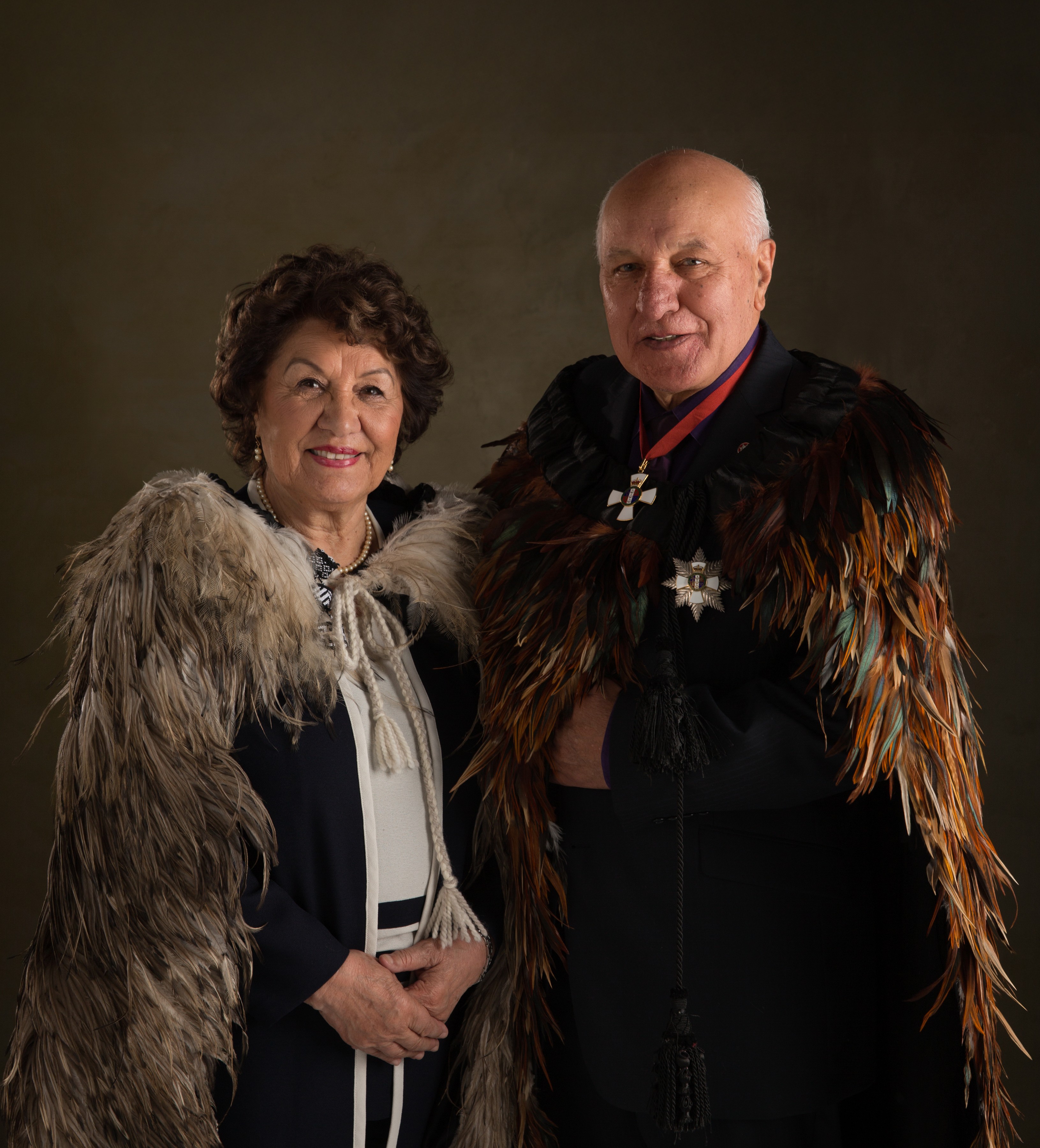
Te Whāriki was developed by Dr Margaret Carr and Dr Helen May through the Early Childhood Curriculum Project of 1991 to 1992. Working alongside the late Tā Tamati Reedy, the late Lady Tilly Reedy and Te Kōhanga Reo National Trust, and informed by contributions from across the early learning sector, they helped establish the first bicultural framework for a curriculum document in Aotearoa New Zealand.
I acknowledge with deep respect the recent passing of Tā Tamati Reedy and Lady Tilly Reedy, whose profound contributions to Māori education, te reo Māori revitalisation and the development of Te Whāriki leave a lasting legacy. Together, their leadership, vision and commitment helped shape Aotearoa New Zealand's approach to early learning, and strengthened the foundations for mokopuna, whānau and kaiako. Their work, and their influence, endure. Thirty years on, Te Whāriki and its emphasis on "our bicultural foundation, multicultural present and shared future" continues to shape the future of early learning.
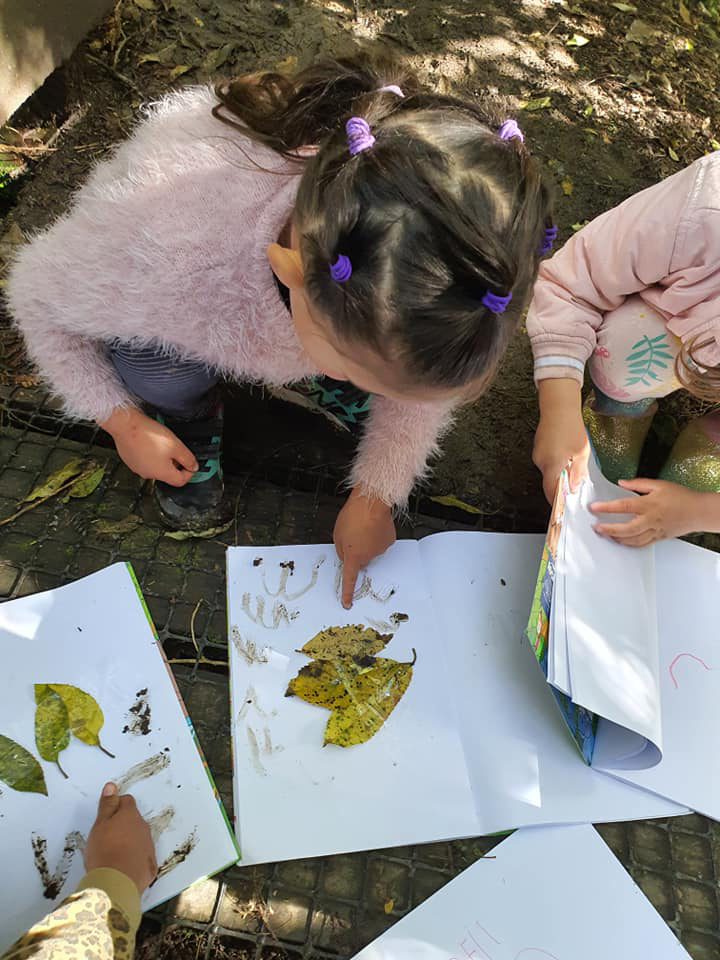
Implementation of Te Whāriki in everyday practice is driven by our early learning kaiako and support staff. These dedicated kaiako are the ones who make sure the principles and strands of Te Whāriki are woven into every part of the learning journey.
Through the insights and reflections of these kaimahi, this special issue of Education Gazette | Tukutuku Kōrero recognises and honours those who shaped, interpreted and championed Te Whāriki over the last three decades.
It highlights that Te Whāriki | He whāriki mātauranga mō ngā mokopuna o Aotearoa has been, and will continue to be, a collective journey. We offer our gratitude to the kaiako, leaders, whānau and communities who use Te Whāriki every day as they strive for equitable and excellent outcomes for all mokopuna.
Ngā mihi nui,
Ellen MacGregor-Reid
Te Tumu Whakarae mō te Mātauranga
Secretary for Education