Working together for literacy success at Flat Bush Primary
At Flat Bush Primary School, a focus on structured literacy is bringing teachers, whānau and learners together. Guided by a Ministry of Education curriculum advisor, the school is combining evidence-based practice with culturally responsive teaching to support success for all.
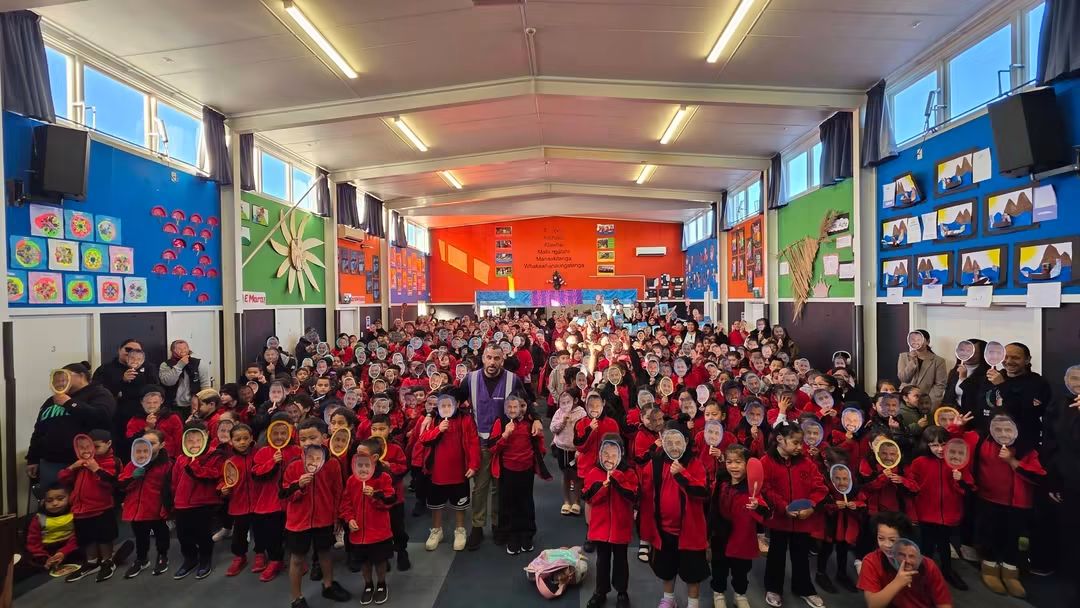
When the 25 teachers at Flat Bush Primary School in Ōtara, Auckland, gathered for a Teacher Only Day with Ministry of Education curriculum advisor Renu Sikka, the learning was about more than literacy.
For principal Banapa Avatea, it was an opportunity to strengthen a shared vision that underpins everything the school does.
“A whole-school approach was vital to align with our guiding vision: Kia Angitu Tātou Katoa – Success for All,” says Banapa.
The work also aligned with the national goal of having 80 percent of Year 8 students achieving at or above the expected curriculum level in reading, writing and mathematics by 2030. For Flat Bush Primary, where student transience and attendance can present challenges, a consistent approach across classrooms is essential.
“Our community faces high transience and variable attendance; without consistent delivery and curriculum across all classrooms, learning continuity would be disrupted.”
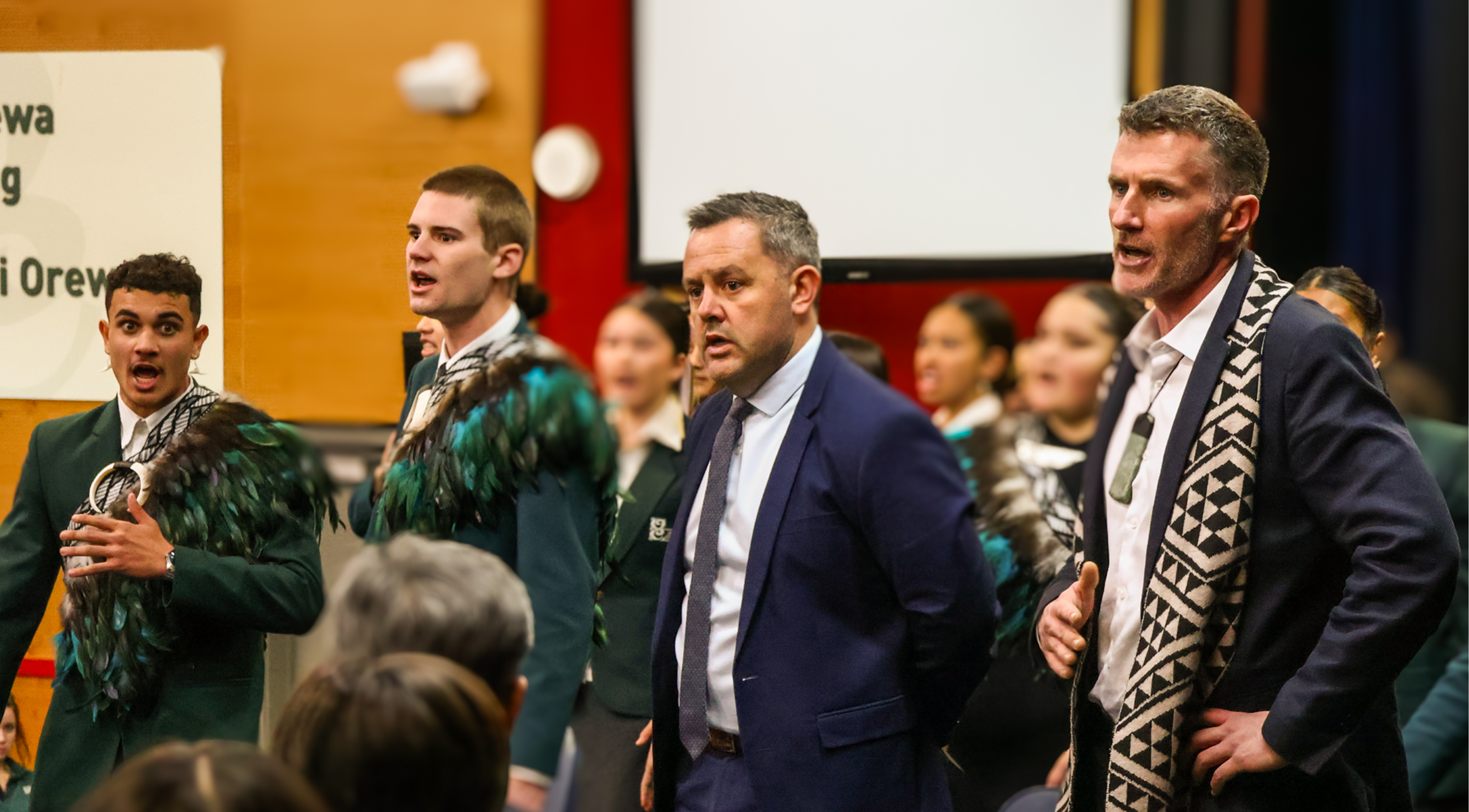
Ākonga and kaimahi celebrate their principal
Bringing the science of learning to life
The professional learning focused on structured literacy and the science of learning, helping teachers deepen their understanding of how children learn to read and how teaching can be tailored to meet different needs.
A key focus was the Ladder of Reading and Writing by Nancy Young, which highlights that learners require different levels of support on their reading journey.
While some students acquire reading skills relatively easily, many benefit from explicit, systematic instruction and others require intensive, targeted support.
For Flat Bush Primary’s teachers, the framework provided both reassurance and direction. During the workshops, teachers connected theory with classroom practice, exploring how knowledge, skills and teaching strategies work together to accelerate learning.
The day also strengthened teachers’ understanding of explicit instruction, effective lesson design, and the use of assessment tools such as DIBELS to identify learning needs early.
Reflecting the school's diverse community
For Banapa, structured literacy could never be separated from the school's cultural context.
“Our collaboration with Renu provided an evidencebased roadmap that we could contextualise for our unique community.”
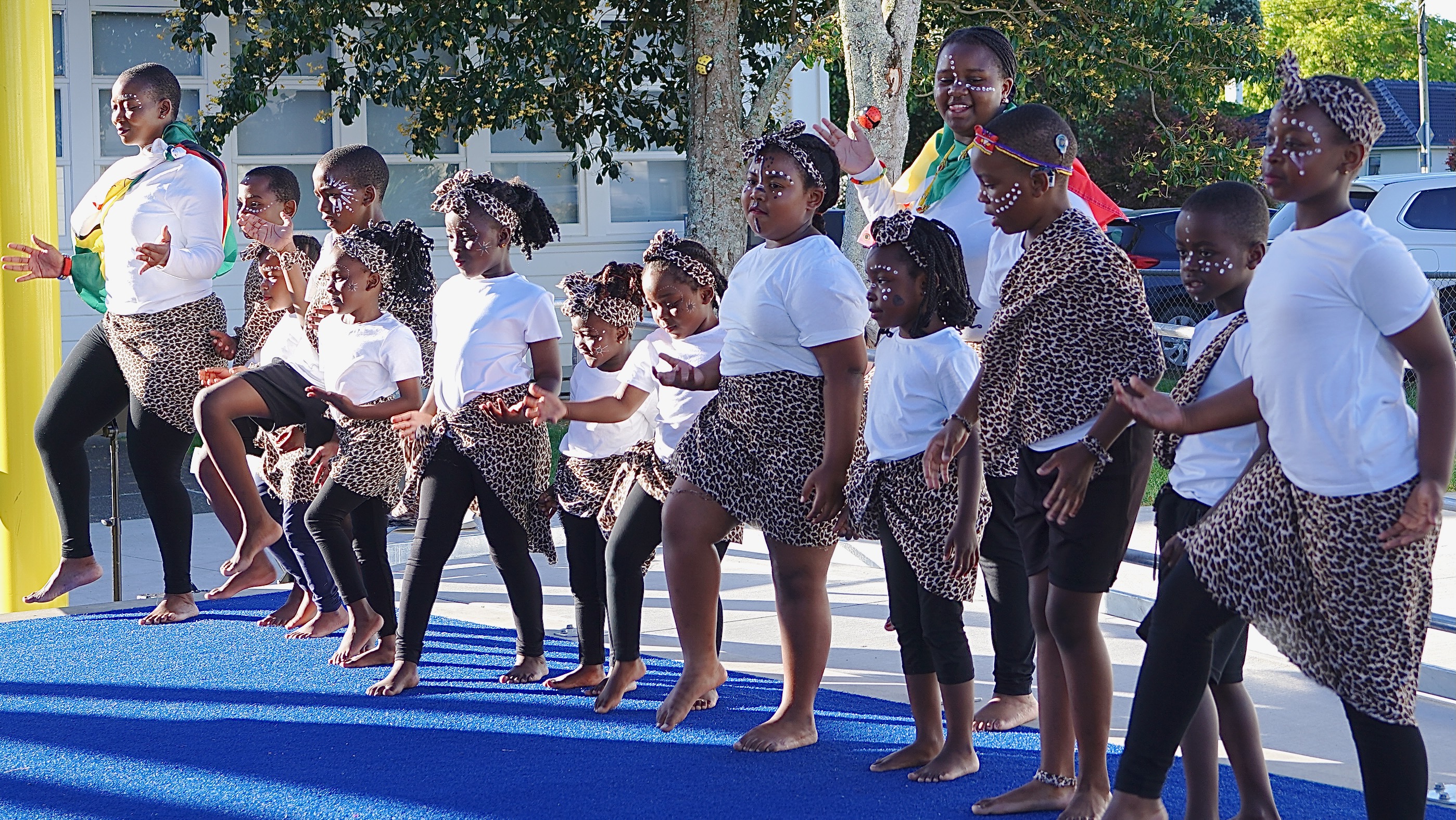
That community is one of New Zealand’s most diverse, and the school has intentionally woven students’ languages, cultures and identities into its teaching and learning programmes.
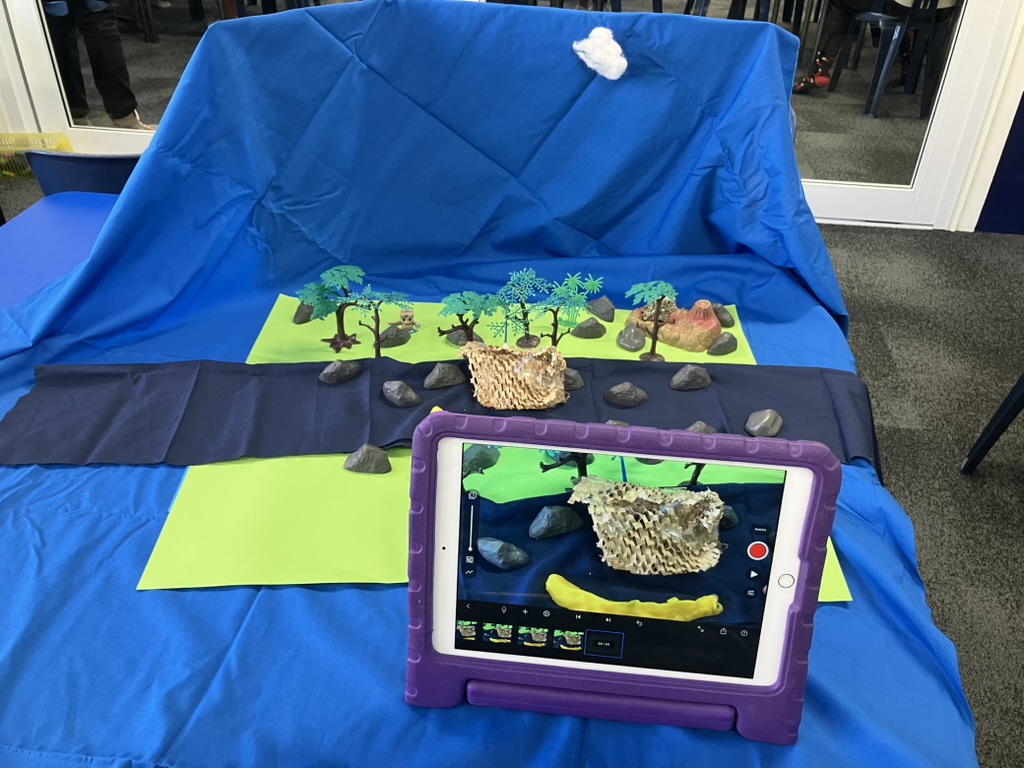
“To ensure the approach reflected our learners’ cultures, we integrated Pacific contexts into the learning.” In the Samoan bilingual unit, for example, traditional navigation is used to teach mathematics, while concepts such as fale construction and cultural patterns help localise learning. Shared reading experiences have also been extended by incorporating students' home languages.
The professional learning sparked renewed energy within the Samoan bilingual team.
“In practice, this engagement looked like culturally responsive groupings that strengthened student belonging and motivation.”
Strengthening teacher collaboration
The impact of the Teacher Only Day was evident almost immediately.
Banapa says his team left with a shared understanding of what effective literacy instruction looks like and how it can be implemented consistently across the school.
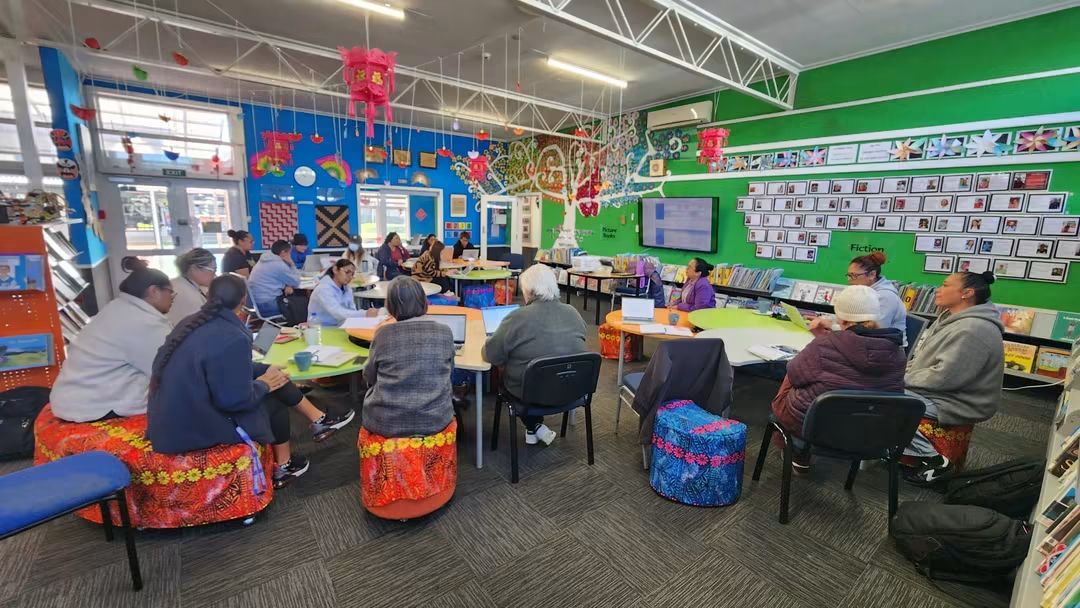
“Our 25 teachers felt unified and practically equipped to elevate their teaching strategies.
“In practice, this involved teams collaborating in practical workshops to interweave knowledge with practice.”
That sense of collective responsibility continues through the school's professional growth cycle, which includes practice analysis conversations (PACs), classroom observations, buddy coaching and professional learning discussions.
“Teachers have ongoing support from curriculum leads who are provided with release time to help guide the implementation,” says Banapa.
Teachers are also engaging in increasingly rich conversations about student achievement. Assessment information is helping them identify where learners sit on the Ladder of Reading and what support is needed to help them progress.
“There are also focused cross-level conversations happening to specifically target the Year 3 and 4 achievement dip,” says Banapa.
He further explains that they use structured mid-year reviews to provide support for Years 2–4.
Whānau as partners in learning
While teacher practice is a key focus, Banapa says whānau have also played an important role in the school’s literacy journey.
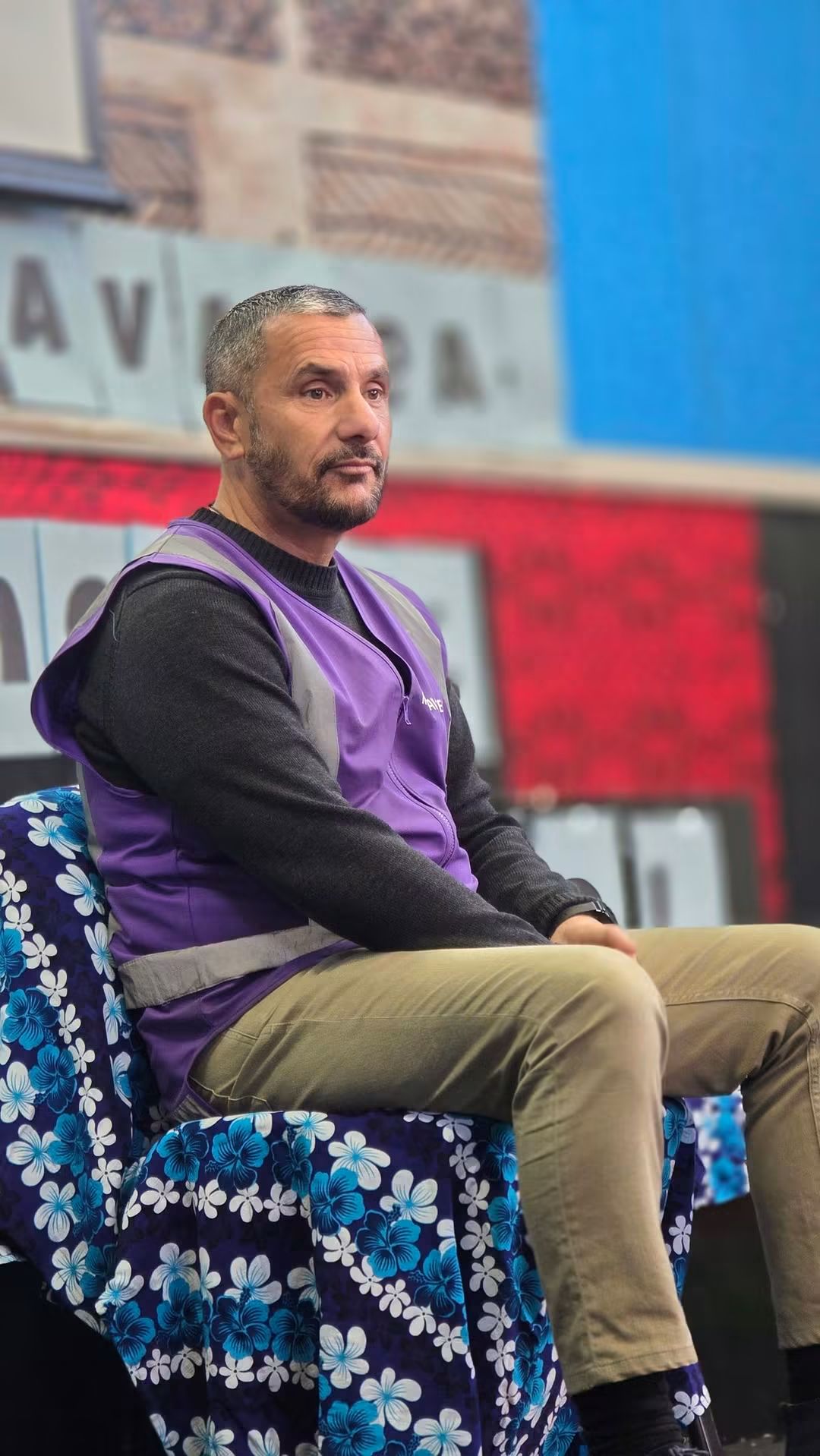
Flat Bush Primary School principal Banapa Avatea
The school has hosted Talanoa Ako workshops to show families practical ways to support literacy and numeracy learning, while volunteer programmes have strengthened connections between home and school.
“The active participation in Talanoa Ako workshops and volunteer programmes indicates a positive reception and a strengthened whānau-school engagement,” says Banapa.
The school places a strong emphasis on learning partnerships, with families invited to participate in workshops and share their cultural knowledge and professional expertise with students.
“Our strategic plan emphasises creating learning partnerships with whānau through the curriculum,” says Banapa.
They also work to make learning progress visible and meaningful for families.
"We share literacy learning and progress with families by involving aiga/whānau directly in assessment conversations.”
Earlier this year, 68 whānau attended a structured literacy information session, while another 30 attended a workshop explaining the school's updated reporting approach.
Looking ahead, strengthening communication with families around achievement and attendance remains a priority.
Early signs of impact
“Teachers have noticed significant upward movement in academic achievement,” says Banapa.
According to the school’s 2025 achievement data, reading achievement at or above expected levels increased by 10.4 percentage points between mid-year and the end of the year.
The proportion of students achieving in the “Exceeding” category grew by 11.2 percentage points, while the number of students in the “Progressing Towards” category fell by 19.3 percentage points.
Writing achievement showed particularly strong improvement.
The proportion of students achieving in the “Exceeding” category more than tripled, increasing from 3.8 percent at mid-year to 12 percent by year’s end. Overall writing achievement at or above expected levels increased by 12 percentage points across the school.
Mathematics results were also encouraging, with the Year 4 cohort recording a 37 percent increase in students achieving at the expected level.
Beyond academic achievement, the school has seen dramatic improvements in punctuality. By term 4, 80 percent of students were arriving on time regularly, compared with 27 percent in term 1 of 2024.
While challenges remain, including student transience, irregular attendance and language barriers for some learners, Banapa believes the school is building strong foundations for the future.
Through a combination of evidence-informed teaching, culturally responsive practice, strong whānau partnerships and ongoing professional learning, Flat Bush Primary School is continuing its journey towards Kia Angitu Tātou Katoa – Success for All.