How one Northland school built a blueprint for multilingual success
Nineteen years ago, St Francis Xavier Catholic School in Whangārei had just three English language learners. Today, 265 students are supported through a carefully developed ESOL programme that combines strong relationships, targeted support and a celebration of language, culture and identity.
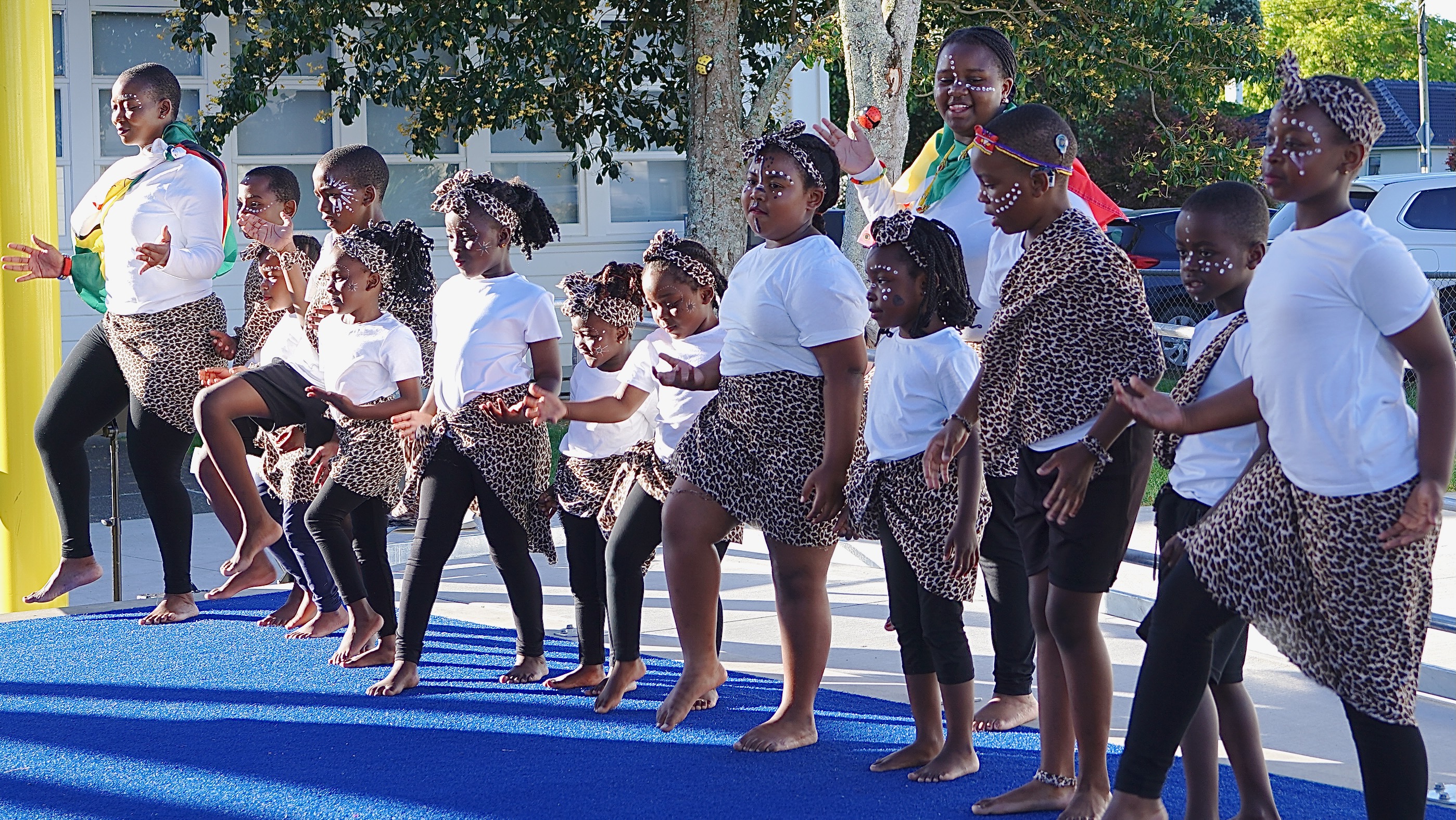
The bell rings at St Francis Xavier Catholic School in Whangārei and children spill into the playground speaking a tapestry of languages. Some have arrived in New Zealand only recently. Some are taking their first steps in English. Others move easily between languages, cultures and friendships, carrying the stories of home with them.
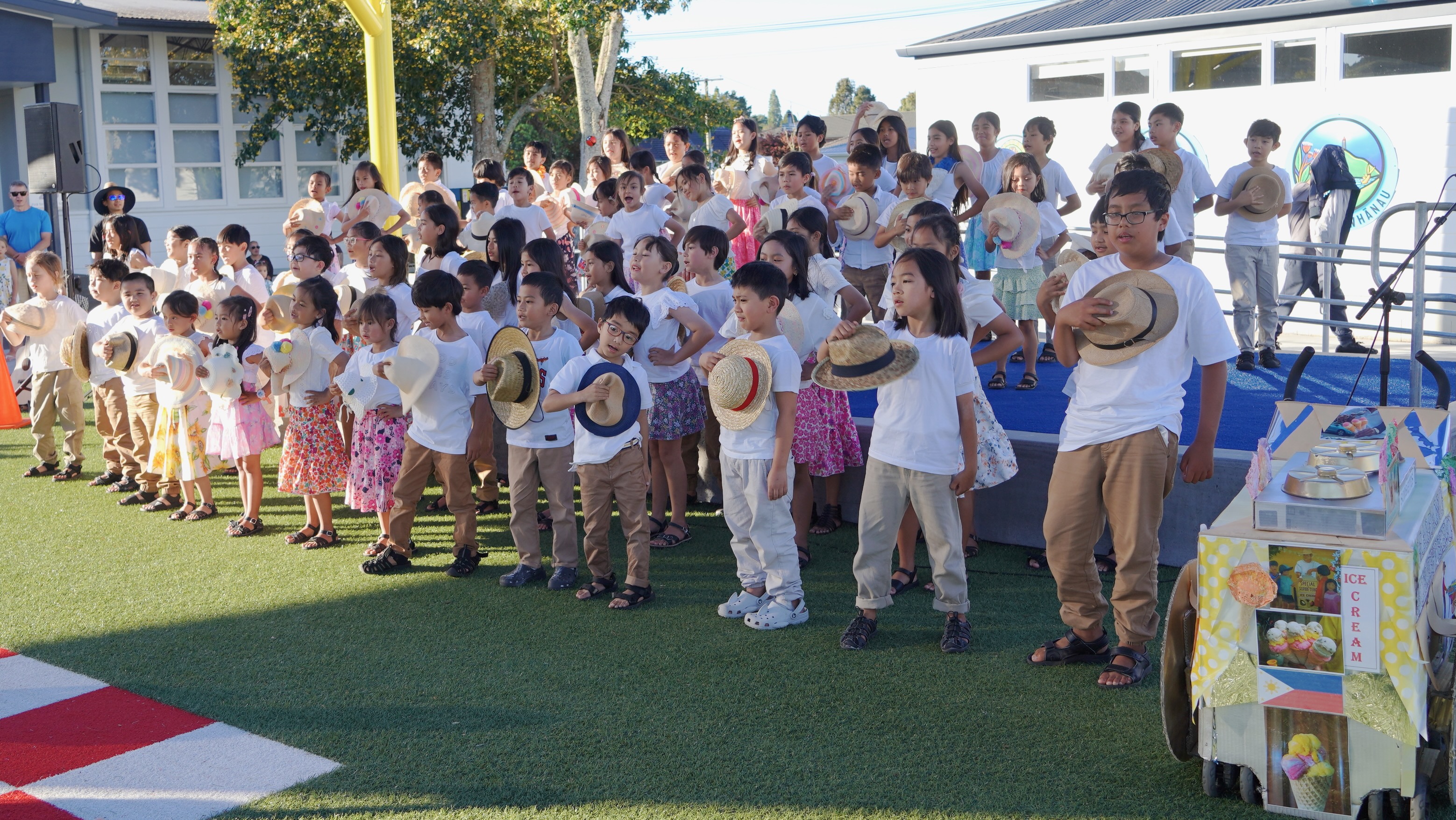
Culture and diversity is celebrated at St Francis Xavier Catholic School
For many students, their journey began long before they entered the classroom. Before a new English language learner starts school, the team at St Francis Xavier sits down with the student and their whānau.
The school learns about the child’s interests, strengths and home language. Interpreting support is available through migrant learning assistants who speak Malayalam and Tagalog, helping families feel understood from the outset.
It is one example of how the Whangārei Catholic primary school has responded to a remarkable transformation in its community.
A comprehensive system grows
In 2026 the number of English language learners grew exponentially to more than 50 percent of the total student population. Principal Bernie Hall says a demand for a Catholic education is a driving factor for these families to enrol at St Francis Xavier.

Students enjoy sharing their cultures.
As the principal, Bernie says this growth has meant finding new ways to adapt, including creating a larger ESOL space to work in. The school combined two office rooms so students could have group lessons, as well as acting as a permanent workspace for the ESOL team.
But for Bernie, the growth has never been about numbers and spaces alone. “Going from three learners to 265 has certainly required us to grow, change and continually reflect on our practice,” says Bernie.
The ESOL team, led by Leasa Hirst, now works alongside classroom teachers, runs Intensive English Language Programmes for junior and senior learners, provides oral language groups, target focus groups,
one-to-one support and in-class assistance.
As the number of learners has grown, so too has the range of support available, so students get the help that matches their stage of language development and individual needs.
“Rather than seeing the growth as simply a number, we have seen it as an opportunity to strengthen what we do as a school,” says Leasa.
Behind the systems and data sits a simple goal: helping children feel they belong.
“Our ESOL programme is not just about teaching English; it is about building confidence, belonging, relationships and the skills learners need to access the whole curriculum.”
A first day built around belonging
Imagine arriving at a new school in a new country, surrounded by unfamiliar sounds, routines and expectations.
At St Francis Xavier, that experience is carefully considered. Before students even begin classes, the school gathers information about their language background, previous schooling, strengths and interests.
Their English language needs are assessed and any immediate learning requirements identified.
On a student’s first day, a member of the ESOL team checks in with them, ensures they have a buddy and helps them become familiar with key places around the school. Particular care is taken to learn and pronounce each child’s name correctly.
The support continues well beyond that first morning. ESOL staff spend time in classrooms observing, getting to know each learner and identifying what support will help them succeed. Students are then placed in targeted programmes matched to their stage of language development, whether that be intensive English instruction, oral language development or support in specific learning areas.
The school’s approach is captured in its ESOL motto: ‘Every Language Matters, Every Culture Belongs, Every Learner Can Succeed.’
Knowing learners deeply
As enrolments grew, the school recognised the need for more sophisticated ways to understand learner progress.
The ESOL team developed its own tracking and assessment systems, allowing them to record observations, monitor development and respond quickly when needs emerge.
“The biggest difference has been that we are now able to make more informed decisions about each student’s learning,” says Bernie.
The system builds a picture of each learner from the day they arrive. Staff combine formal assessments, classroom observations and ongoing monitoring to identify strengths, learning needs and next steps.
Information is shared between the ESOL team and classroom teachers, helping ensure support remains responsive and targeted.
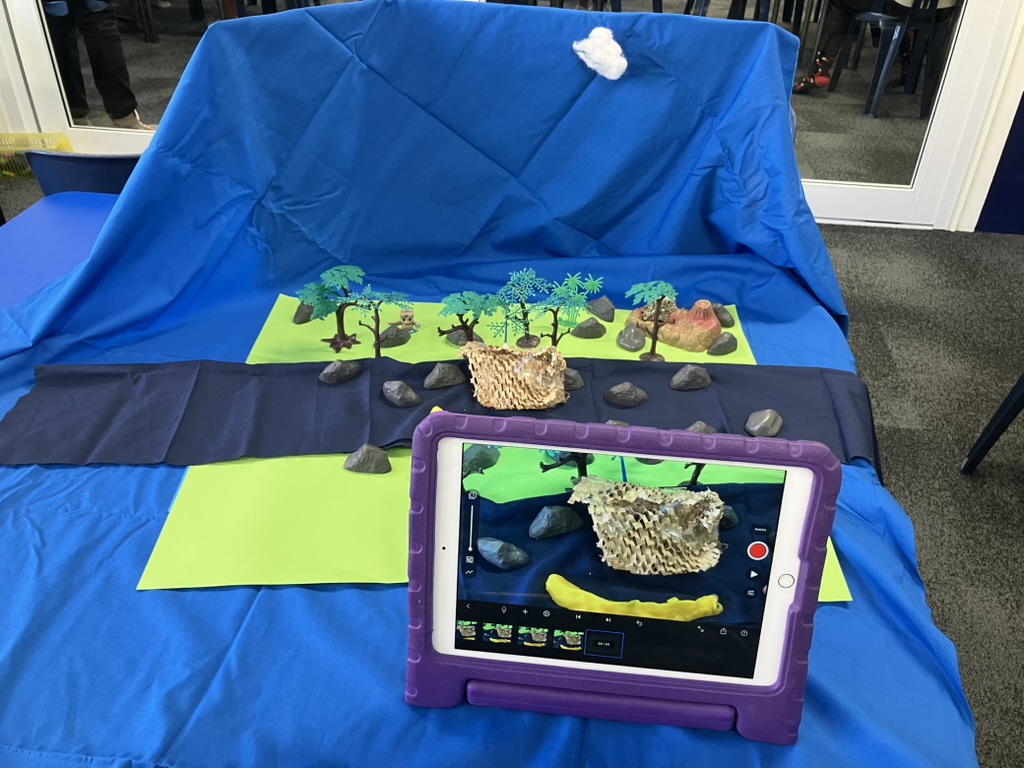
The team also uses digital tools to record observations, capture evidence of learning and track progress over time. Student work can be photographed and linked to observation records, helping the ESOL
team identify patterns, respond to gaps and make informed decisions about teaching and support.
As well as tracking individual progress, the school’s data helps identify broader trends across year levels and learner groups, allowing programmes and resources to be adjusted where they will have the
greatest impact.
The collaboration is central to the programme’s success. While classroom teachers remain at the heart of students’ learning, the ESOL team provides additional expertise, targeted teaching and strategies that help learners access the curriculum. Together they reinforce vocabulary, sentence structures and language needed for classroom success.
Teachers regularly share information about student progress and classroom experiences, while the ESOL team provides targeted language support that complements classroom learning.
Finding a voice
One student’s story illustrates the impact sustained support can have.
When L.P. joined the programme, she spent several months in what educators call the silent period. She communicated with only occasional English words and was hesitant to participate.
The team’s initial focus was not on fluency, but confidence.
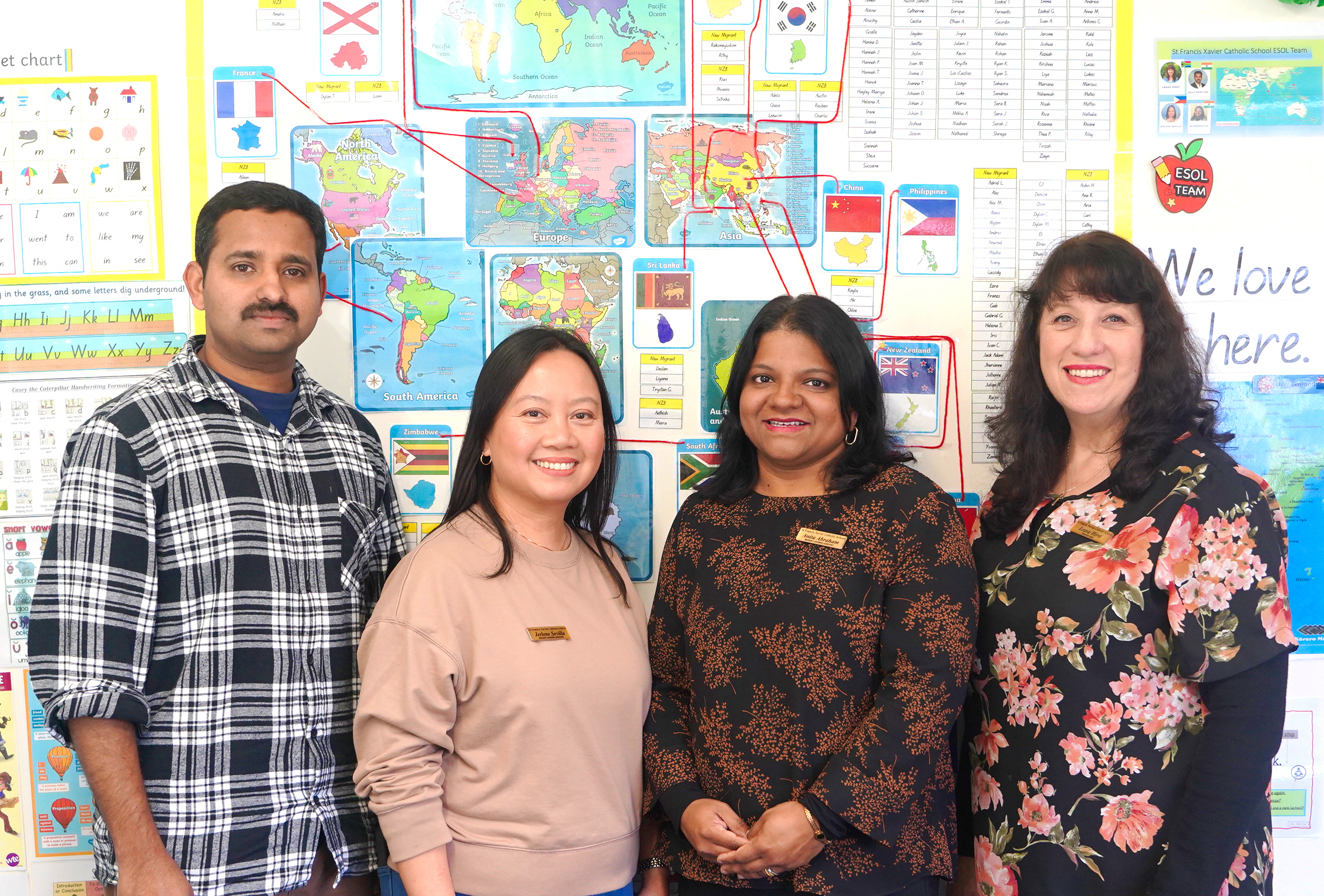
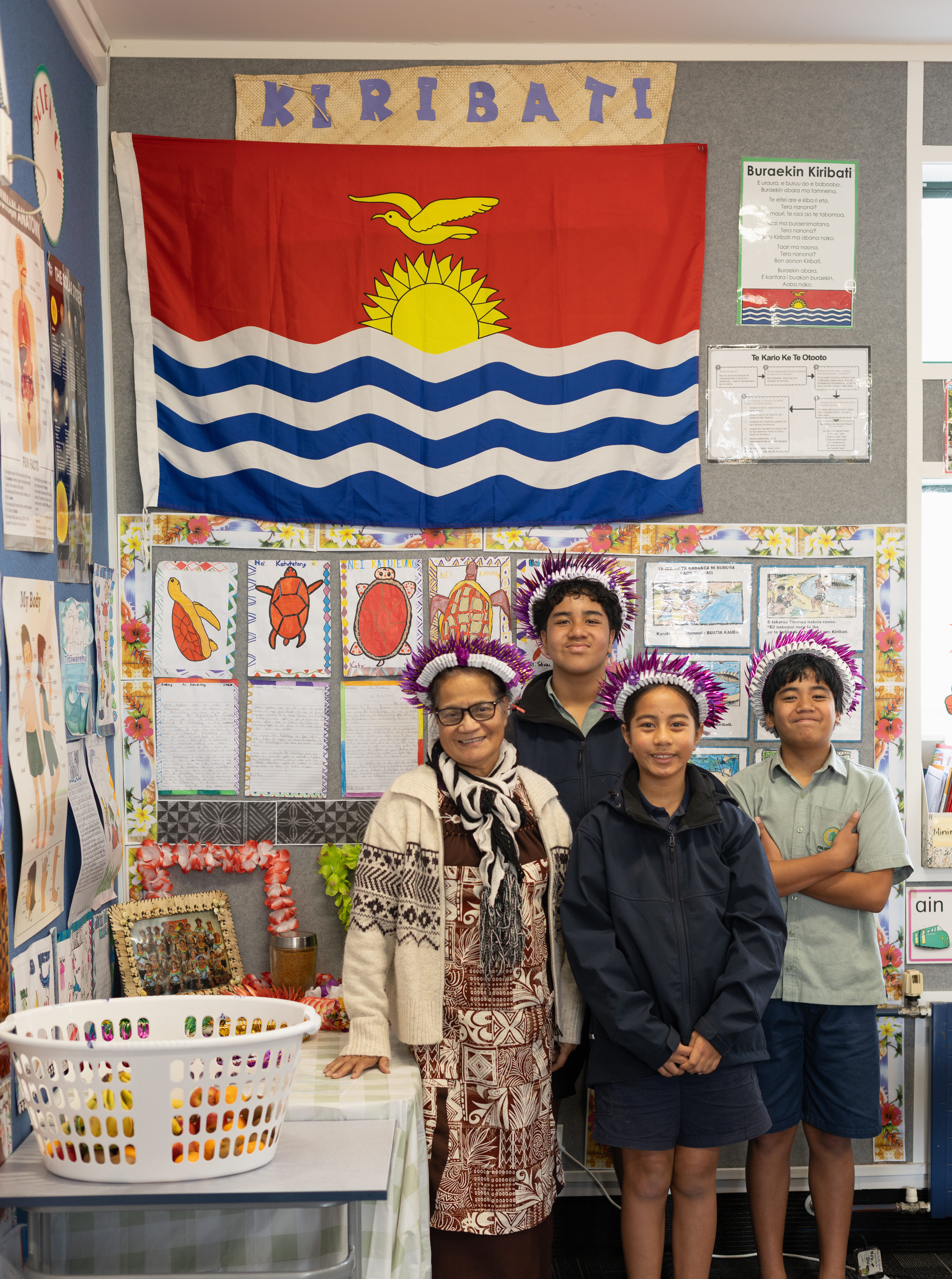
Jolly Pathickan Joy, Jerlene Sevilla, Anita Pattathil and Leasa Hirst
Alongside classroom support, L.P. joined the school’s Intensive English Language Programme, receiving targeted teaching in a small-group environment focused on listening, speaking, reading and writing. Gradually, her oral language began to emerge.
As she began to code-switch between languages, both the ESOL team and her classroom teacher gained a clearer understanding of what she knew and where further support was needed. The small-group
environment gave her opportunities to participate, take risks and develop confidence.
The student started taking part, asking questions and seeking clarification when needed. Even after extended trips back to her homeland resulted in some regression, the team was able to respond quickly with renewed support and increased focus on rebuilding her listening, speaking, reading and writing skills.
Today, L.P. is well adjusted, confident, happy at school, and “making wonderful progress”. Leasa says her journey reflects the importance of recognising that language learning takes time.
“Ongoing, targeted support can make a significant difference to a student’s confidence, wellbeing and academic progress.”
From the sidelines to the centre
For the St Francis Xavier team, some of the most rewarding moments cannot be measured by assessment data.
They see it when students begin raising their hands. When they make friendships. When they stop watching and start participating.
“As students’ English develops, we often see significant changes in their confidence, participation and sense of belonging,” says Leasa.
Students who were once hesitant become willing to take risks. They begin answering questions, sharing ideas and communicating more confidently with both teachers and peers. They become more independent, asking for help when they need it, seeking clarification and advocating for themselves.
As language grows, Leasa says so too does independence.
“For us, the biggest change is seeing students move from watching and observing from the sidelines to becoming active participants in their own learning and school life.”
Celebrating every culture
The school’s commitment extends beyond language development.
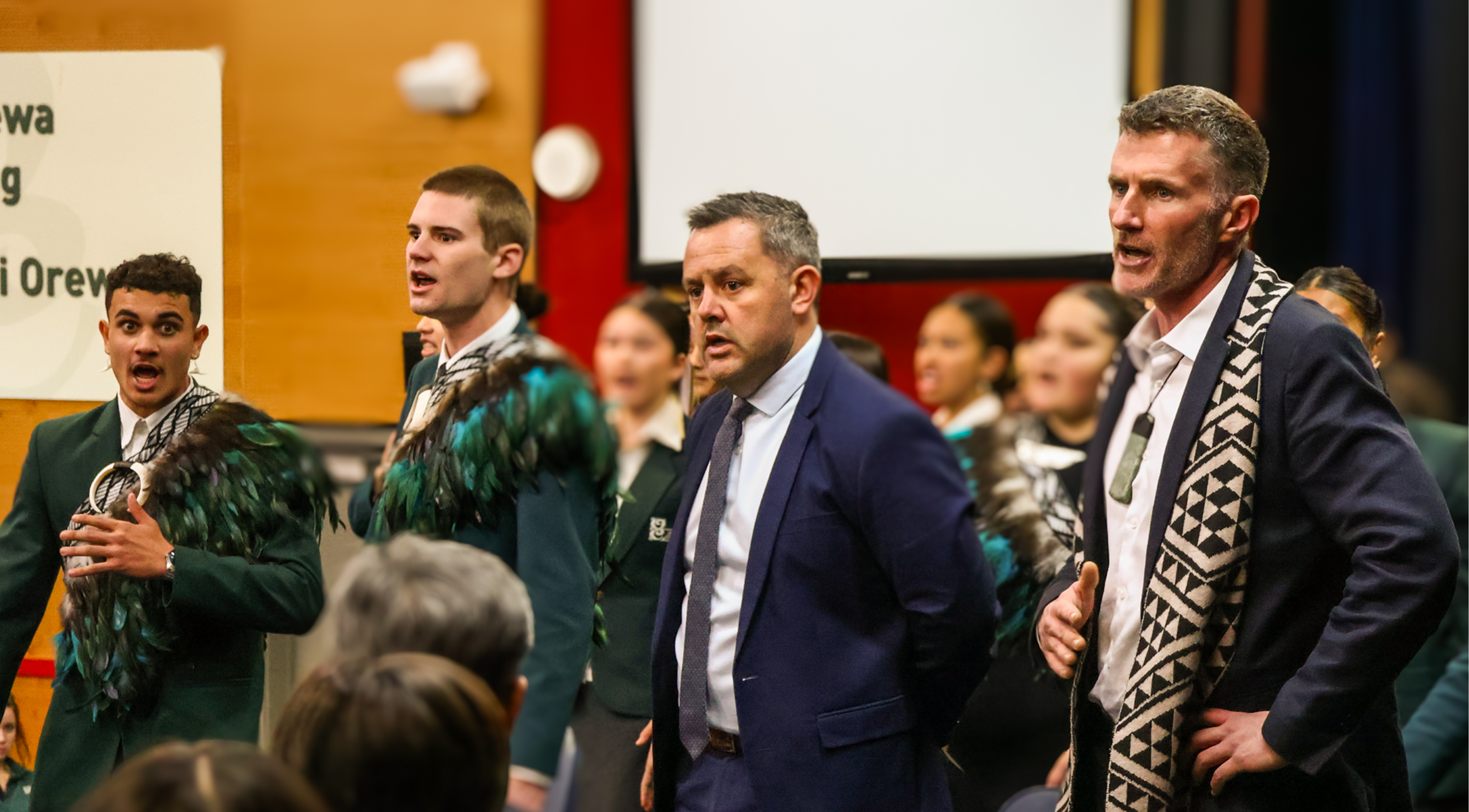
At an annual cultural evening, students proudly share traditional dress, music, dance and food
Throughout the year, students are encouraged to share their languages, traditions and cultural knowledge. Home languages are viewed as strengths, not barriers, and families are recognised as key partners in learning.
Learners are encouraged to continue using their first language as a foundation for learning English, while families are supported to maintain cultural and language connections at home.
One highlight is the school’s annual cultural evening in term 4, when students and whānau proudly share traditional dress, music, dance and food.
The event has become a much-loved celebration of the diversity that now defines the school community.
Supporting that diversity are migrant learning assistants who bring both professional expertise and lived experience to their work. They provide translation support, help learners access classroom learning and often serve as an important bridge between school and home.
“As an immigrant, I understand the struggles my English language learners students face every day,” explains Anita Abraham Pattathil.
“I find so much joy in seeing their happiness and watching their faces light up over the tiniest breakthrough and I love encouraging them to succeed.”
Jolly P. Joy says working with English language learners has shown that every learner has a unique journey.
“I feel privileged to be part of that journey, helping students overcome language barriers, discovering their strengths, and helping them to feel a sense of belonging in their new school community.”
For Jerlene Sevilla, the work is deeply personal.
“As a migrant myself, I know exactly how overwhelming a new language and culture can feel. My role as a migrant learning assistant is so close to my heart, success for me isn’t just about teaching a new language; it’s about building a safe space where our learners gain confidence, thrive at school, and proudly share their culture.”
An opportunity, not a challenge
As schools across Aotearoa experience growing linguistic diversity, Leasa believes the lesson from St Francis Xavier is straightforward.
“My advice would be to see the growth as an opportunity rather than a challenge. Rapid growth of our English language learners required us, the ESOL team, to be proactive, flexible and responsive to the changing needs of our students, their families and the staff.”
For St Francis Xavier, growing alongside learners has meant developing assessment tools tailored to their context, creating resources to help teachers using the English Language Learning Progressions, building strong partnerships and supporting classroom teachers and ESOL specialists to work closely together.
Looking around the school today, it is easy to see why. Success here is not defined solely by English proficiency. It is the child who finds their voice. The learner who asks for help. The student who proudly shares their culture while confidently navigating a new language.
It is, as Leasa describes it, seeing English language learners become “confident, capable and active participants in their learning and school life, while still maintaining pride in their own language, culture and identity”.
And in a school where dozens of languages echo through classrooms and playgrounds each day, that sense of belonging might be the most important language of all.
“With the right support and a strong whole-school approach, multilingual learners can thrive and enrich the entire school community,” says Bernie.
A blueprint for ESOL success
Start with relationships
- Meet with students and whānau before enrolment.
- Learn about their language background, previous schooling, interests and strengths.
- Provide interpreting support where possible and ensure students have a buddy from day one.
Build a layered support system
- Offer different types of support for different needs, including Intensive English Language.
- Programmes, oral language groups, target focus groups, one-to-one support and in-class assistance.
- Regularly review groupings so support remains responsive as students progress.
Make ESOL everyone’s responsibility
- Keep classroom teachers at the centre of learning.
- Create strong communication between classroom teachers and the ESOL team.
- Share information about students’ strengths, needs and next learning steps so language support is embedded across teaching and learning.
Use evidence, not assumptions
- Assess learners on arrival and monitor progress over time.
- Combine observations, classroom assessment and student work samples to build a clear picture of language development.
- Use data to identify emerging needs, target resources and measure progress.
Value every language and culture
- Treat home languages as strengths, not barriers.
- Create opportunities for students to share their language, culture and experiences.
- Celebrate cultural diversity through events that actively involve whānau and the wider community.
Invest in specialist expertise
- Employ staff who understand the experiences of migrant and multilingual learners.
- Use multilingual support staff to bridge communication gaps and strengthen relationships with families.
Think long term
- Recognise that language acquisition is rarely a straight line.
- Continue support beyond funded units when learners need it.
- Focus on confidence, wellbeing, participation and belonging alongside English language development.
Define success broadly
- Success is not only fluency in English.
- Success is a learner who asks questions, takes risks, participates in class, forms friendships and maintains pride in their language, culture and identity.