The Tauranga trust helping rangatahi reconnect with learning
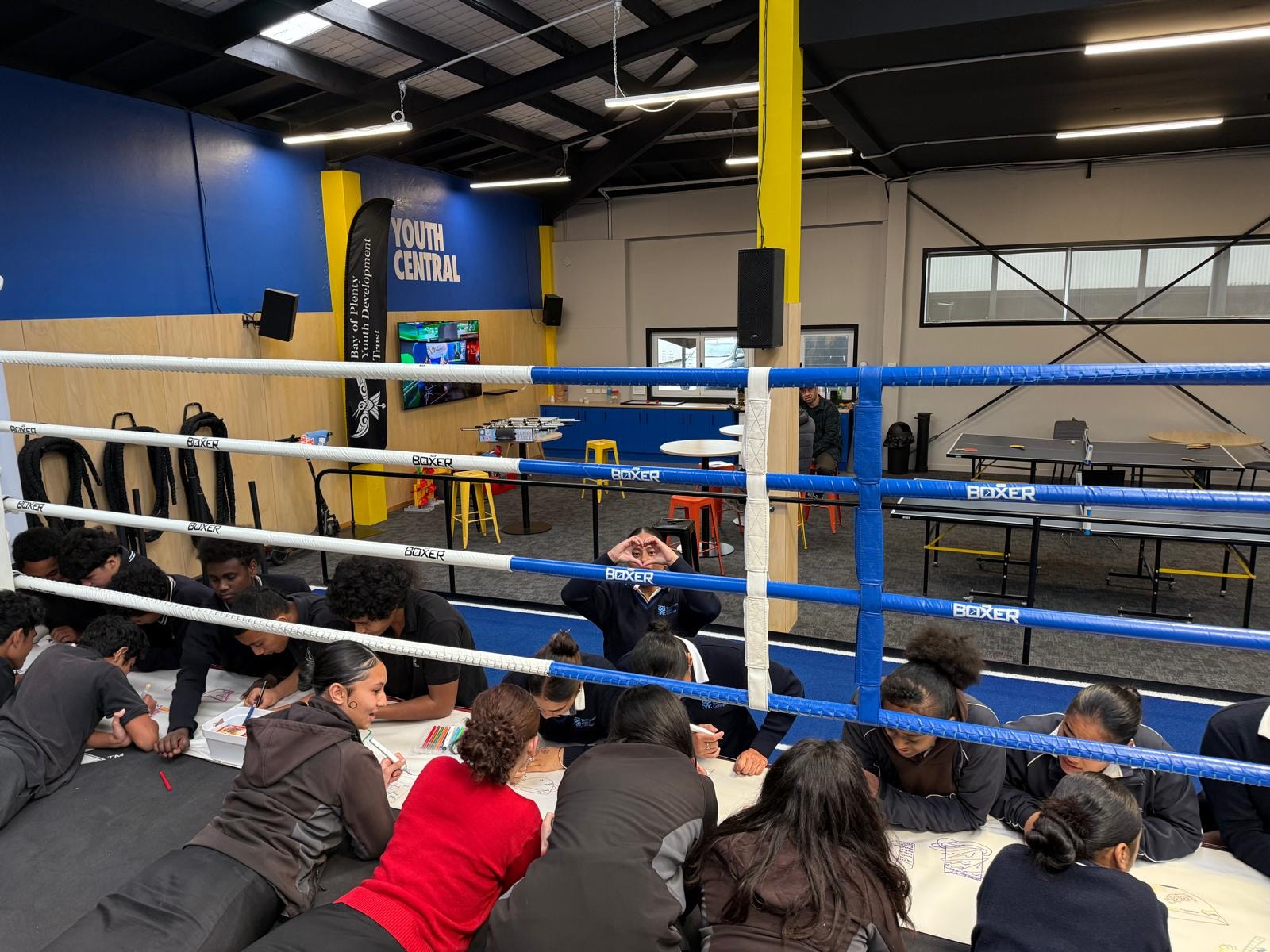
At Tauranga’s Youth Central, keeping rangatahi connected to education starts with listening, trust and a belief in their potential. Through strong partnerships with local schools, the Bay of Plenty Youth Development Trust is helping young people build resilience, confidence and a pathway forward.
Every rangatahi has potential, no matter the challenges they may be facing. This is the core message of Tauranga’s Youth Central.
Run by the Bay of Plenty Youth Development Trust, its facilitators work alongside schools across Tauranga to keep rangatahi connected to education, training and employment.
“Sometimes all it takes is one person who genuinely believes in them, listens without judgement and creates an environment where they feel safe, valued and supported,” says facilitator Henry Fa’afili.
“Supporting rangatahi isn’t about having all the answers; it’s about showing up consistently, building trust and helping them recognise their own strengths.”
The trust, launched in 2017, runs seven programmes for young people: Imagine Believe Achieve; Te Ara Kaha; the Tauranga Boxing Academy; Aiga; Te Hono; Healthy Active Learning kaiako during PLD in Pāpāmoa.
Up to 350 rangatahi, from age seven to 24, pass through Youth Central each week.
Henry heads the Boxing Academy and Pasifika programme Aiga. He believes young people today are battling with external pressures that prevent personal growth.
“Many rangatahi are doing their best to make positive choices, but they’re navigating the challenges that exist in society and often show up at home, such as financial pressure, unstable living situations, or limited access to positive role models,” he says.
While the trust’s programmes are diverse, two core practices define all: genuine listening and choice.
“Before we can help them make positive changes, they need to feel heard, respected and know that someone believes in them,” says Henry.
Discovering their brilliance
Rangatahi must want change to meaningfully engage with it, says Te Ara Kaha programme facilitator Jonah Dobson.
“We show them they are brilliant by presenting opportunities for them to discover it themselves.”
As general manager Paul Conrad says, a huge part of the trust’s mahi is “the work before the work”.
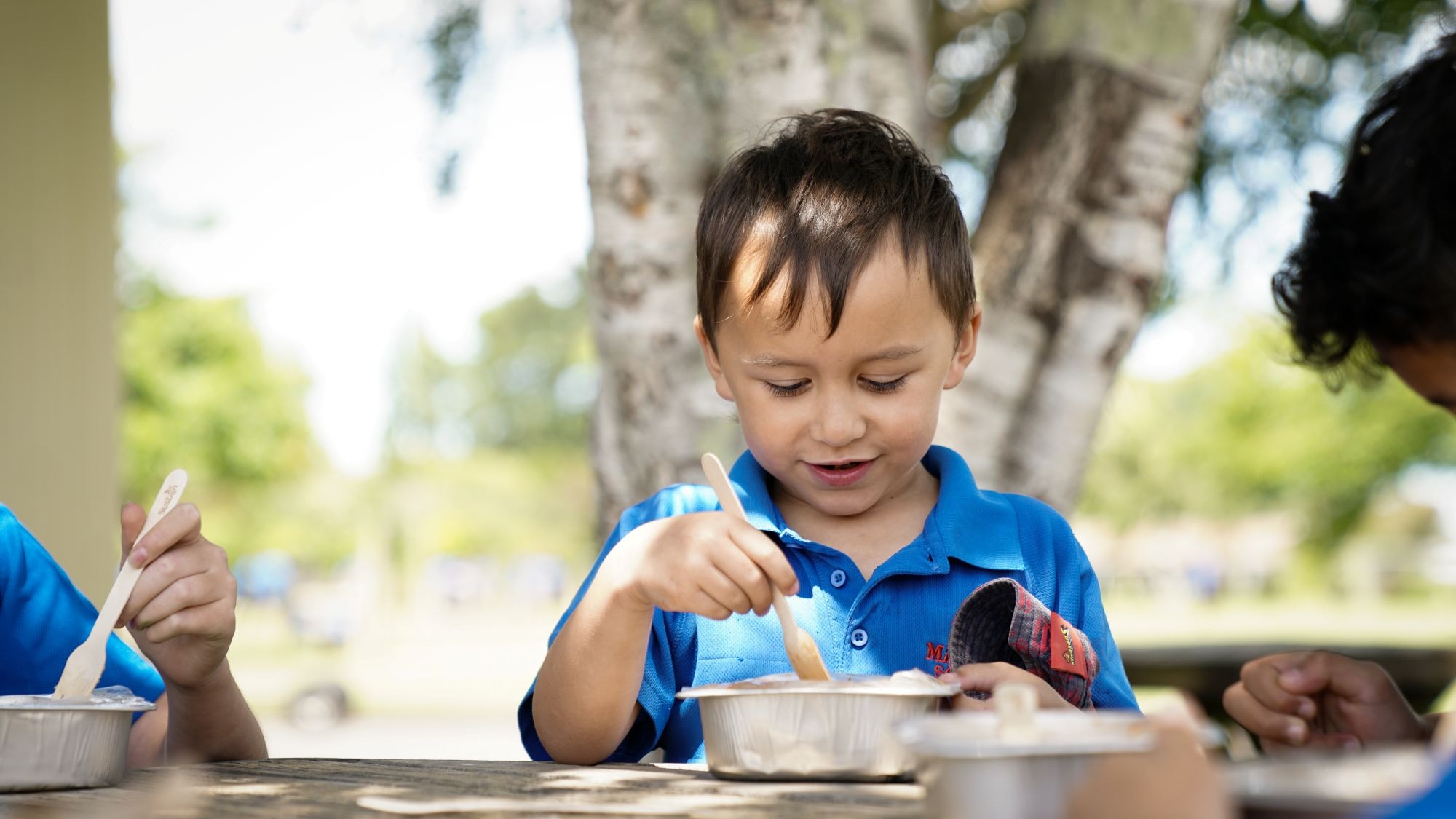
“Learning outcomes cannot be met to the standards expected until the hauora of the rangatahi is stable. It’s wraparound support, like providing breakfast clubs and mentorship. Alongside this and the programmes, Youth Central is a hub of socialisation,” says Paul.
Not a replacement to school or alternative education, the trust’s purpose is to build and support young people so they re-engage with education.
“Because the longer a rangatahi remains in education positively, the greater the outcomes are for that young person,” says Paul.
Connecting through culture
The trust is working to weave young people struggling to stay connected to school with the teachers and leaders who are trying to engage them.
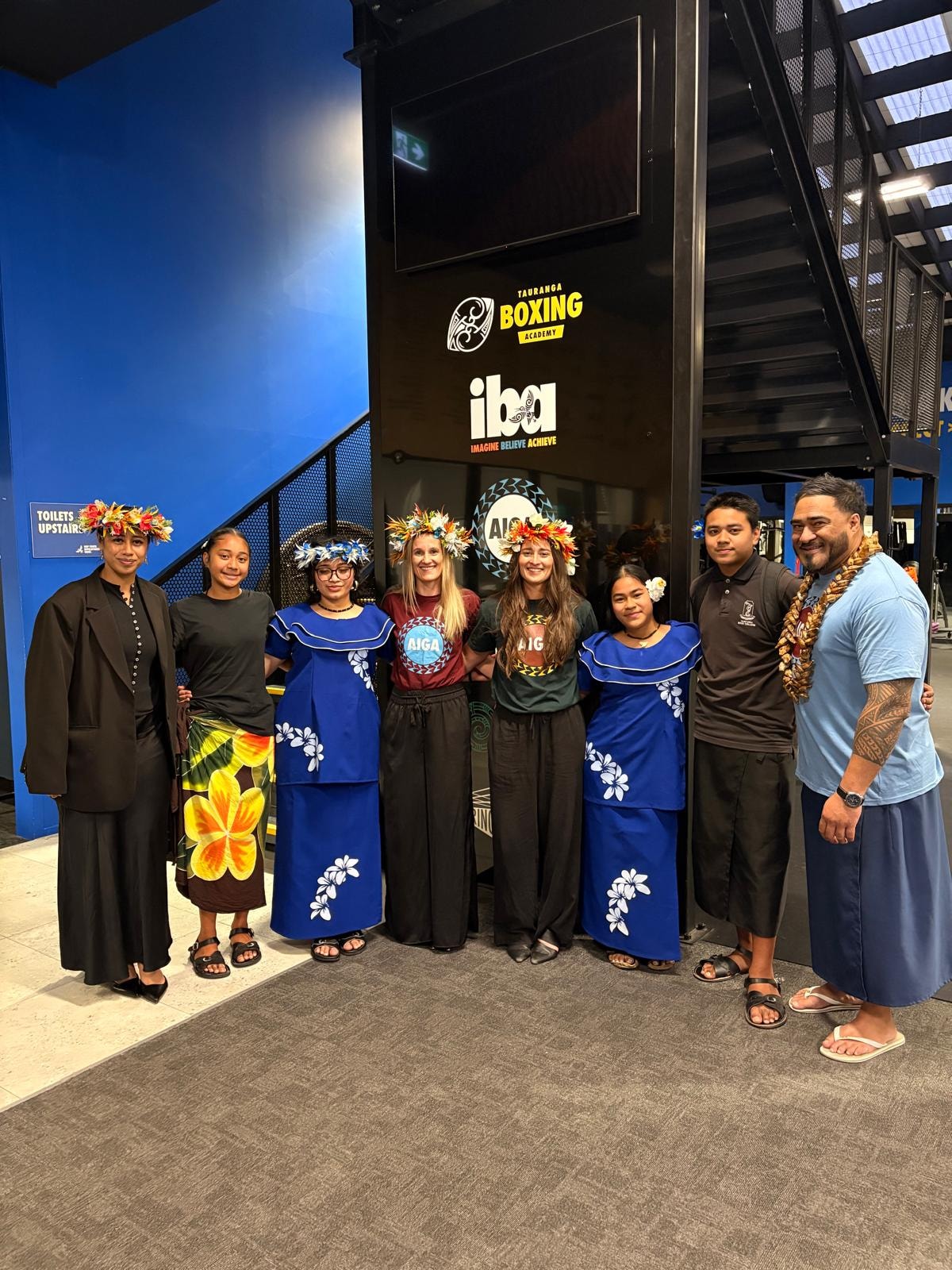
Elena Whinney, Pasifika student mentor at Tauranga Boys’ College, brings students to Aiga each week.
“It also has a cultural element that brings together cultures from different schools to bond and create new and stronger connections,” she shares.
Student Cruz says the most valuable part of Aiga has been meeting new people and learning about new cultures.
“The students have formed bonds with other students from other schools. These bonds have helped broaden their perspectives,” adds Elena.
For Tim, it’s helped him find confidence in himself, and “be more resilient and proud of my culture”.
The role of schools
The biggest challenge for the trust is that, while they can provide rangatahi with support and positive experiences at Youth Central, they often return to negative environments in their everyday life.
“We may not be able to change every circumstance they return to,” says Henry, “but we can help them build the tools and mindset to make positive choices and know there are people who genuinely care about their future.”
Schools play a massive part in providing positive environments for rangatahi, where they can continue to believe in their own potential.
“A strong pastoral relationship with someone outside of the immediate whānau is one of the greatest indicators of success in youth development,” says Jonah.
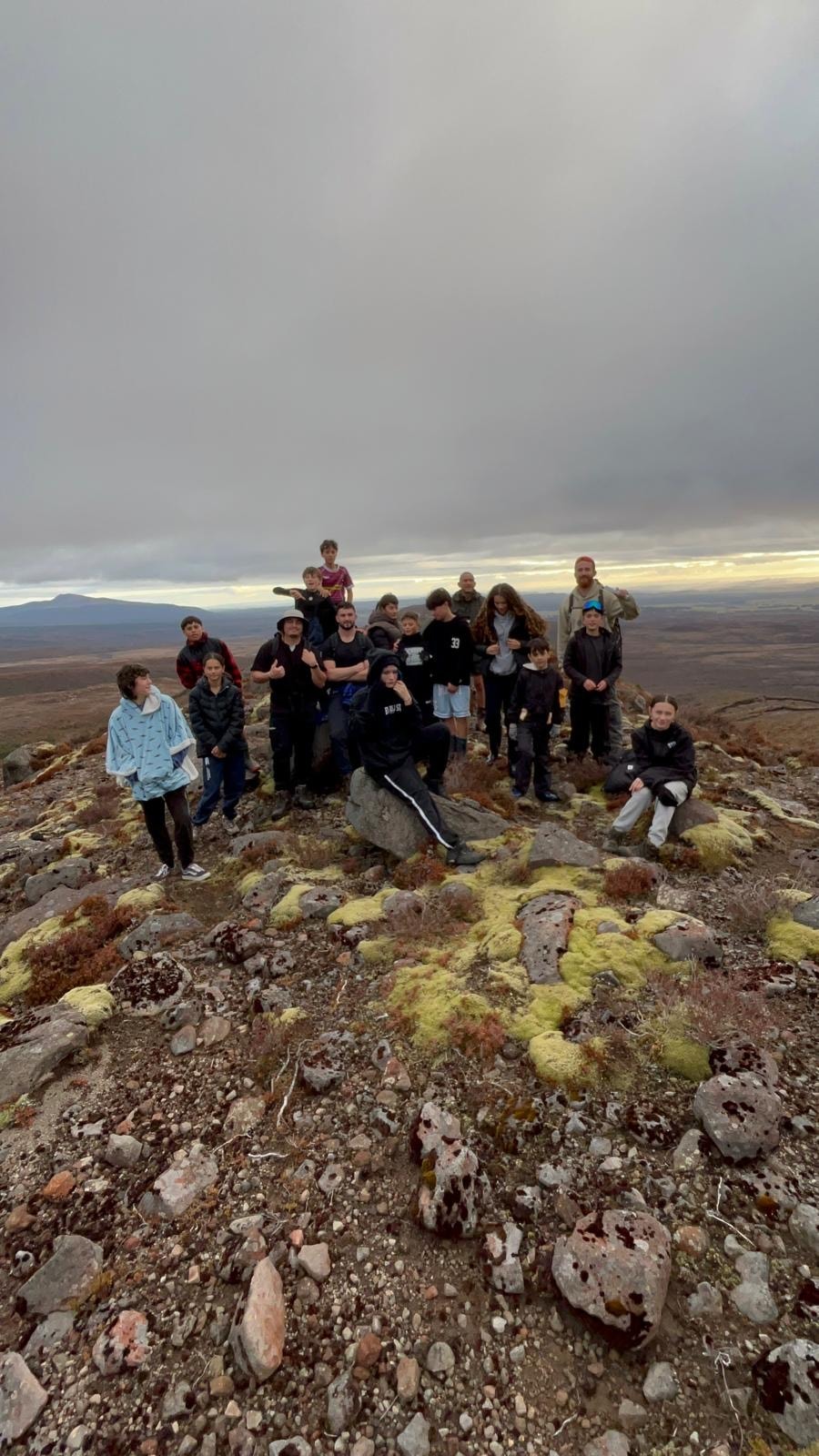
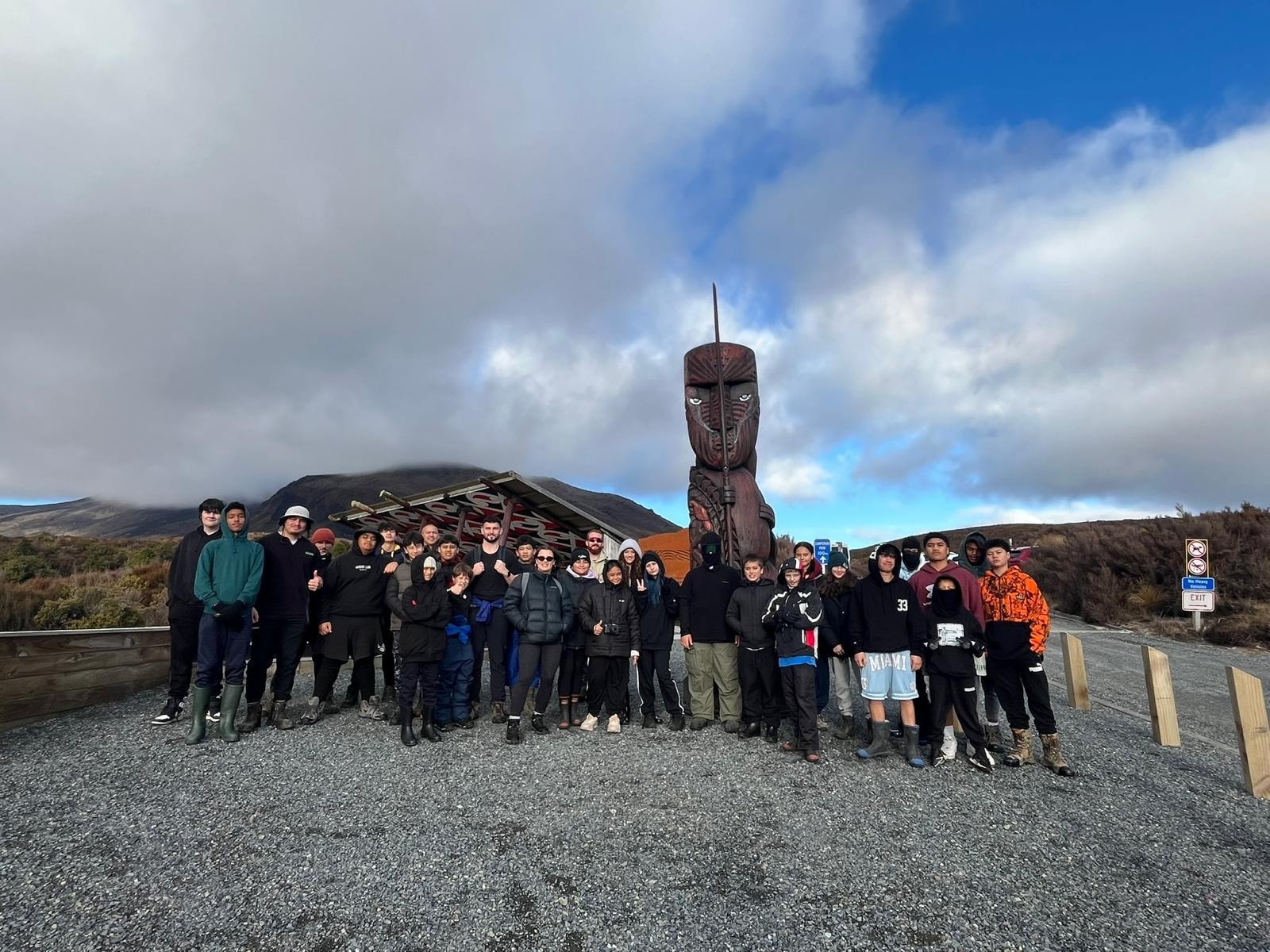
The trust works closely with Tauranga Intermediate School. About 20 students take part in Te Ara Kaha, the outdoor education programme, each term.
A teacher aide, who specialises in pastoral care, carries the teaching and kaupapa back onto the school grounds.
“This means young people are getting consistent messaging both at school and when they’re engaging with us,” says Paul.
Ōtūmoetai Intermediate partnered with the trust because they realised that traditional classrooms alone aren’t always enough to reach every student, explains principal Blake Carlin.
“We saw an opportunity to connect our young people with positive role models outside the school gates who reinforce the same core values we uphold inside the classroom,” he says.
Growth is not linear. I’ve worked with a rangatahi for four years now, and his journey on paper would look like a pretty fun rollercoaster.
Sense of purpose
Since sending its students to Youth Central, Ōtūmoetai Intermediate has witnessed a noticeable boost in their self-confidence, emotional regulation and self-discipline.
“Students who previously struggled with focus or attendance are turning up with a renewed sense of purpose,” says Blake, who also explains that meaningful changes take time.
“We need to give young people the space to absorb the culture, build trust with their mentors, and apply those lessons at their own pace.”
It’s all about meeting students where they are. Through working with the trust, Blake says he and his teachers are reminded to take a holistic view of student success.
“We’re looking beyond academic grades to character, emotional wellbeing and personal growth.” Jonah says that patience is key.
“Growth is not linear. I’ve worked with a rangatahi for four years now, and his journey on paper would look like a pretty fun rollercoaster.
“All the interventions in the world can’t account for what life may throw at these youth. If we’re asking them to trust the process, then we must believe in it ourselves.”
Sometimes all it takes is one person who genuinely believes in them, listens without judgement and creates an environment where they feel safe, valued and supported.
Practical advice for schools
Five things the Bay of Plenty Youth Development Trust team would ask school leaders to consider:
-
Get senior leadership into classrooms. “Upper management must spend more time in classrooms to understand the need for individual engagement and interventions,” says Jonah Dobson.
-
Stabilise hauora first. Paul suggests breakfast club for tinana, EOTC for whenua, mentoring for hinengaro and wairua – the groundwork that makes learning possible. He challenges schools to identify issues their students are facing and investigate how to address them. For example, if a student is late, instead of punishing the young person, acknowledge that they are still showing up. Investigate the barriers the student faces to getting to school on time and ask how they can be removed.
-
Don’t carry it alone. Know which organisations in your community can take some of the load, before you need them.
-
Give the partnership an anchor person. A staff member who knows the kaupapa and carries it through the rest of the week is what turns a good programme day into lasting change.
-
Expect the rollercoaster. Progress will not look like a straight line, and a setback is not evidence the approach has failed.