How migrant-background rangatahi experience physical activity
A new study from Sport Waikato explores how migrant-background young people experience movement, physical activity, identity and belonging, and how family, faith, culture, language, gender and everyday circumstances shape their participation.
What are we missing when we don’t hear their voices?
That’s the question Hamilton Boys’ High School asked when it noticed that young people from migrant backgrounds were under-represented in Sport Waikato’s biennial youth survey.
This year’s survey – which is used to understand how young people experience movement, physical activity and the environments around them – had about six percent of Hamilton Boys’ responses come from rangatahi with migrant backgrounds. However, the total percentage of students with migrant backgrounds at the school actually sits closer to 25 percent.
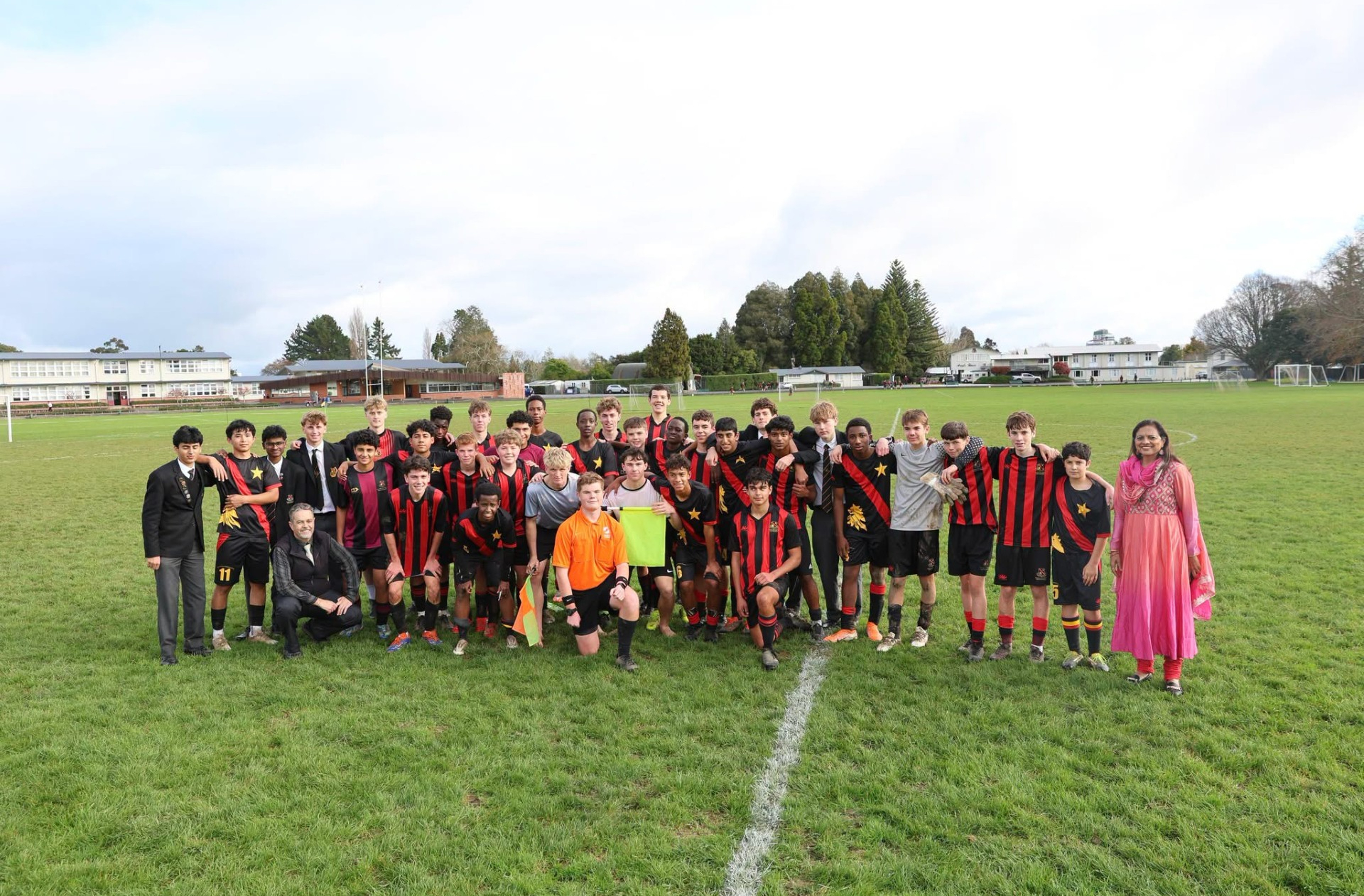
Intrigued by the gap between who responded and who didn’t, Sport Waikato decided to research this. Working with Hamilton Boys’ High School, Hillcrest High School and the Refugee Orientation Centre, strategic insights and data manager Lot Hawkins and her team asked 18 Afghan, nine Somali and seven Colombian young people about their culture, movement and physical activity.
“What they told us went well beyond sport,” says Lot. “They spoke about family, faith, culture, language, food, friendship, safety, gender, home and belonging.”
Surprising findings
“It’s really quiet here. In Colombia, they blast music, but here it’s really quiet. Too quiet,” says a Colombian student.
Across the three ethnic groups, rangatahi all described growing up through family, faith, language, food, hospitality and social practices.
Colombian ākonga talked about music, dance, clothing and shared lunches; Somali ākonga described Islamic greetings and removing shoes at the door, dance, prayer and modesty; Afghan ākonga spoke about Persian rugs, sitting on the floor for meals, family gatherings, large households, faith and respect for parents and elders.
Their accounts all shared a common theme: that cultural identity is carried into everyday life through ordinary practices and relationships.
For many Afghan and Somali, Islam is part of everyday life. While not a barrier to participating in physical activity, the report found that it impacted whether participating felt appropriate – faith choices come through in clothing, mixed-gender participation, food, privacy, prayer and the cultural and religious comfort of an environment.
Food is a small aspect with bigger implications – for example, Muslim students describe how they need to check whether half-time lollies contain gelatin.
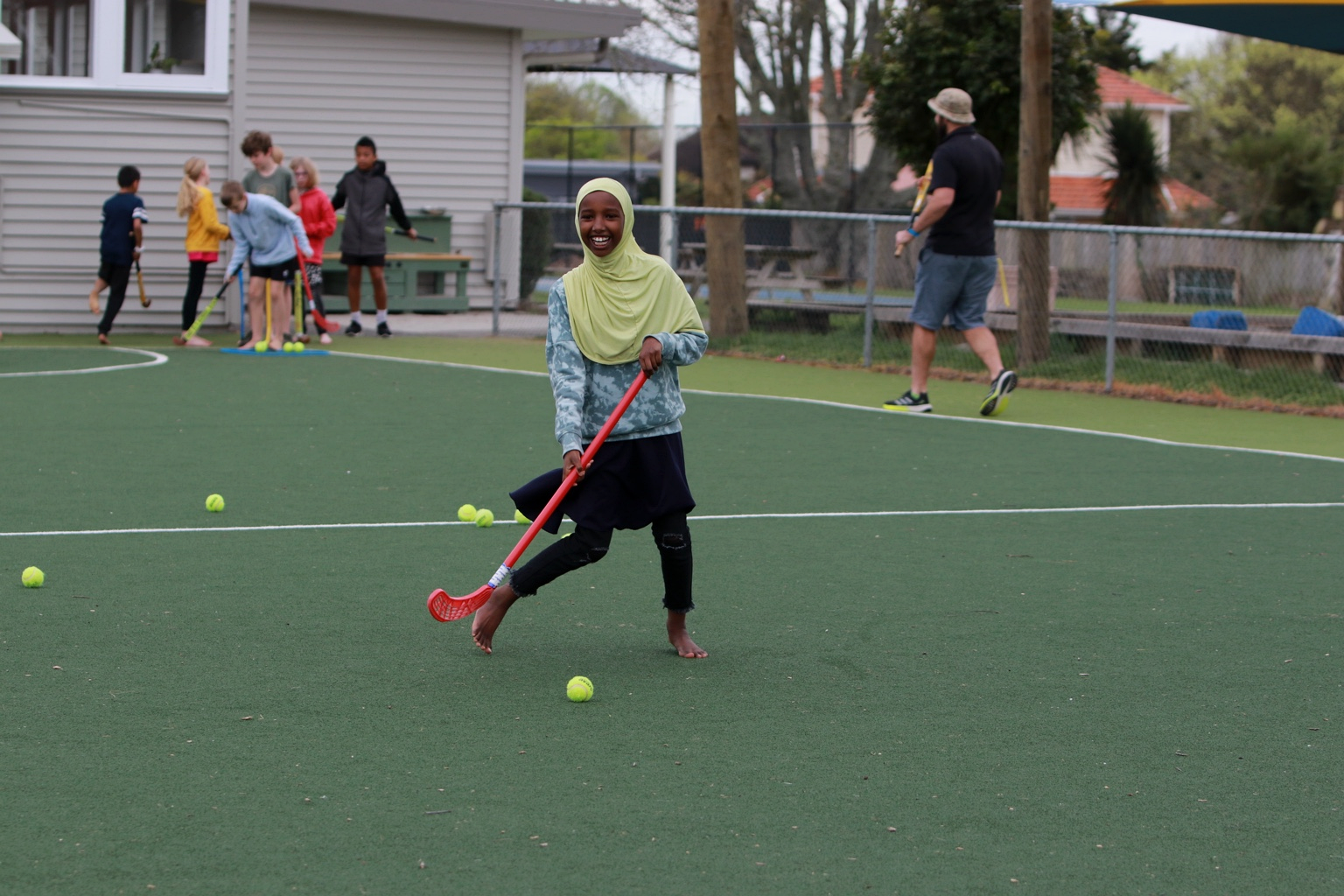
Similarly, students need to consider whether they can wear warmer or hijab-compatible clothing, or whether there are private changing areas, prayer-aware facilities, language support and halal food.
“[It’s about] getting people to realise there’s other things going on outside of what’s happening on the field to impact what’s going on,” says a Somali student, describing the complexity of navigating school workload, tiredness, transport, language, prayer, family responsibilities, parental permission, clothing, food, friendship and concern about being judged or misunderstood – all before reaching a field, court or gym.
The role of family
One of the key factors that emerged in the research was the influence of family on participating.
“In New Zealand, kids have the final say. Yet in our culture our parents have the final say,” explains an Afghan student, highlighting the contrast between individualised decision-making in New Zealand and family-led decision-making within migrant communities.
The research shows parents influence whether students participate in physical activity through concerns about safety, injury, gender expectations, time, study priorities, transport and cultural values – dynamics that particularly impact female students.
Gender also came through in discussion about the opportunities for girls and women in Aotearoa.
“Women can work, study … basically, they can do everything they want,” says an Afghan student.
Implications for schools, clubs and activity providers
One of the most significant themes that came through in the findings, Lot says, is that play is undervalued in New Zealand culture.
For example, one Afghan boy commented, “in Afghanistan, people spend time playing with each other. In New Zealand people spend time on their phone.”
“These kids are crying out for play,” explains Lot. “They remember play as an everyday activity done with friends and family. They miss the spontaneity; the freedom to just be. We can learn from this and find ways to bring it back to society.”
The report lists practical things for schools, clubs, activity providers and other organisations to think about when creating opportunities for migrant-background young people.
- Create recurring opportunities that allow social connection, informal play and structured activity to coexist.
- Provide low-barrier opportunities for free play, including open courts, schoolyard access, cultural games and informal tournaments.
- Build family trust through clear information about supervision, safety, gender mix, clothing, transport, cost, timing and the value of participation.
- Use trusted community connections and, where possible, home-language communication rather than relying only on translated written material.
- Design first experiences so young people know where to go, who will greet them, what will happen, what they can wear, whether they may bring a friend or sibling and what participation will cost.
- Make practical cultural considerations operational, including modest clothing, gender and privacy needs, prayer space, food requirements, transport, cost, photography, racism response, language and family communication.
- Support coaches, teachers, volunteers and facility staff to respond practically to cultural and participation issues rather than relying on general cultural awareness alone.
- Measure more than attendance by considering repeat participation, felt belonging, parent trust, whether cultural needs were met, whether informal play increased and whether providers changed their practice in response to community input.
Building bridges and connecting
Summing up, Lot says the aim of the study is to “build bridges between people and their cultures”.
She encourages kaiako to be curious when it comes to migrant students and physical activity.
“Don't be afraid to ask questions and get to know what a student’s culture means to them. Asking is a way of building bridges; it is about learning – knowing more and better.”
Read the full report on the Sport Waikato website.