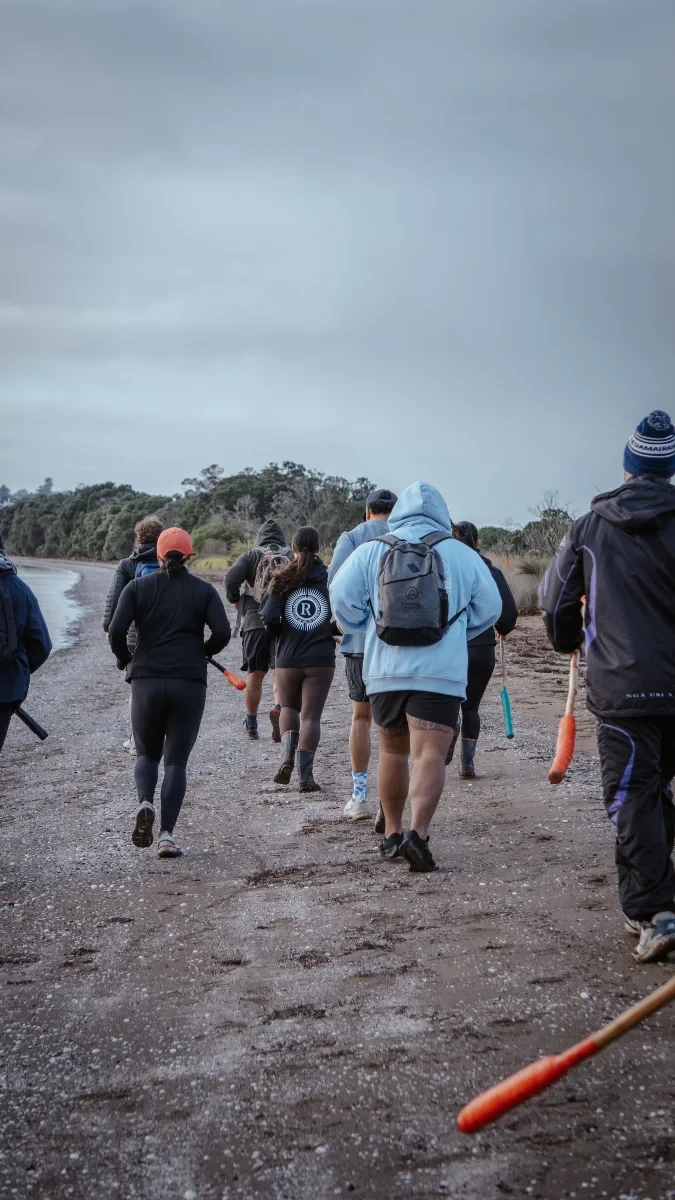
The ripple starts with kaiako: The joy of moving and learning together
Meg Fisher (Sport NZ) and Taylah-Jade McIntyre (Toi Tangata) discuss how initiatives Healthy Active Learning and Mātaiao are reconnecting kaiako with the joy of learning and movement, and creating positive ripple effects for ākonga, schools and kura.
Many people can still name kaiako who had a lasting, positive impact on their lives – long after their journey through education.
What made them special? Perhaps they really knew you, cared about something you cared about, made you laugh or took the time to learn alongside you. Often, what stays is how they made you feel.
Just like ākonga, kaiako have needs and aspirations for their own ongoing learning, helping them connect to their joy and enthusiasm for teaching. That’s where Mātaiao and Healthy Active Learning responds.
Each initiative supports kaiako to learn in ways that reflect who they are as people, their strengths, interests and aspirations, as well as the contexts they work in.
Mātaiao works mainly with kura kaupapa, using mātauranga Māori and connection with whenua and te taiao to guide learning. Healthy Active Learning provides locally led learning that supports kaiako to work in the context of their schools, kura and communities.
“What I’ve seen during my time as both a kaiako and someone who has delivered professional learning and development (PLD) to schools and kura is that quality PLD gives kaiako fresh ideas, and the confidence to try them,” says Meg Fisher.
“It can be the ‘aha moment’ that leads to quality ākonga experiences and the courage to weave movement through other areas of learning.”
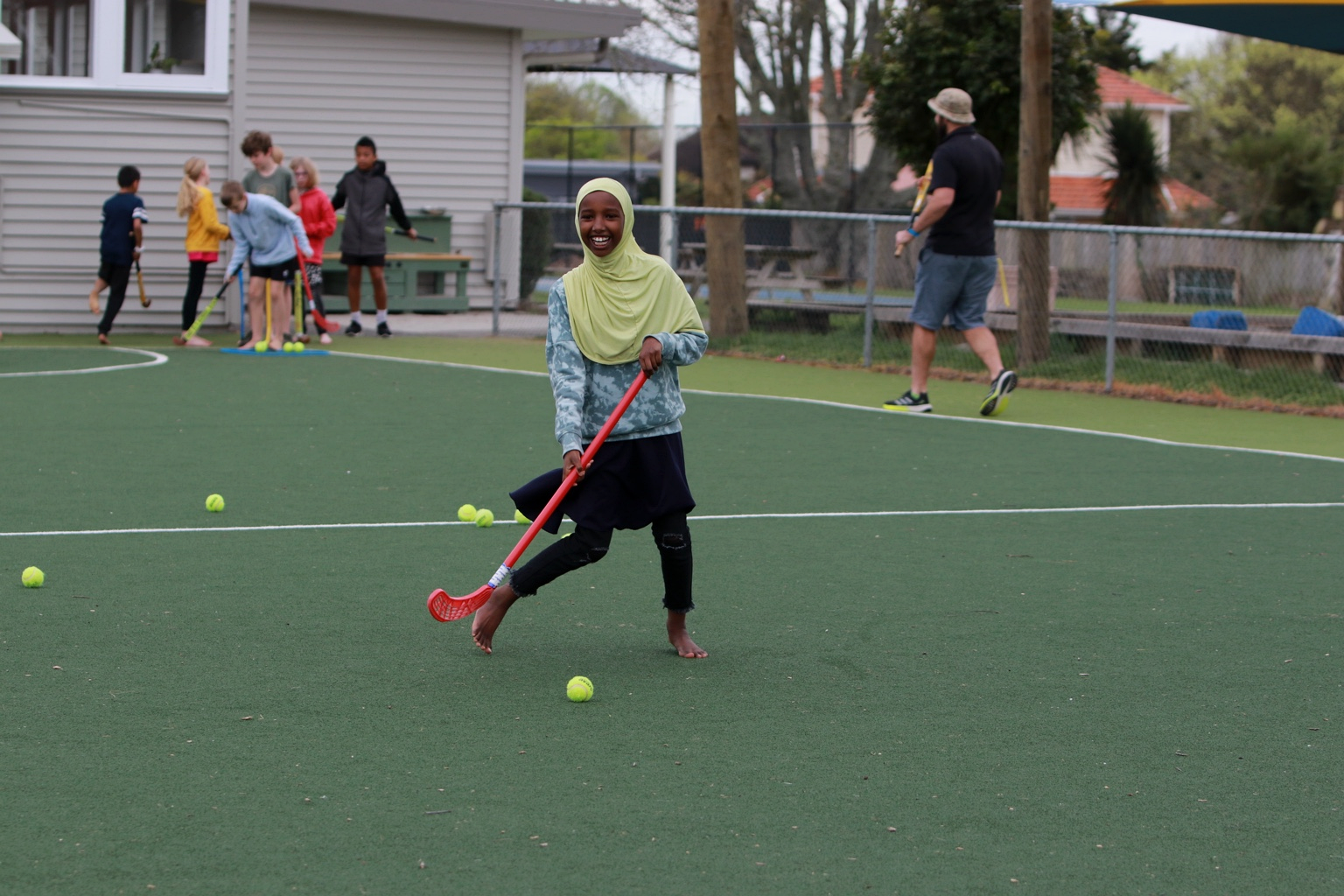
Over time, those everyday movement moments can create a ripple effect, making movement part of the culture of a school or kura.
“When ākonga know that movement is a classroom norm, not a one-off or a reward at the end of the day, it becomes embedded in the rhythm of learning,” says Meg.
“It creates opportunities for ākonga to connect with their kaiako and each other and it becomes a natural part of the learning journey.”
Sport New Zealand’s most recent Voice of Kaiako survey shows 89.5 percent of school leaders see ākonga wellbeing and hauora as a core component of all our teaching and learning, and 87 percent see physical activity as a key part of ākonga wellbeing.
“School leaders and kaiako know how important it is for ākonga to be active every day and understand the contribution movement makes to their hauora, engagement and achievement. When kaiako are able to move and learn alongside their ākonga, they get to enjoy the benefits too,” says Meg.
Quality PLD broadens kaiako thinking about how ākonga can learn in, through and about movement. It can inspire new ways to build physical activity into learning across the school day.
“It could be in dedicated health and physical education (HPE) sessions, integrating movement into different learning areas, through waiata and kapa haka, through playing in or exploring their local taiao. Every opportunity to move benefits the wellbeing of both kaiako and ākonga,” says Meg.
When kaiako are given space to learn, connect and grow in confidence, they can create rich learning experiences that support ākonga to do the same.
Pathways to wellbeing, confidence and practice
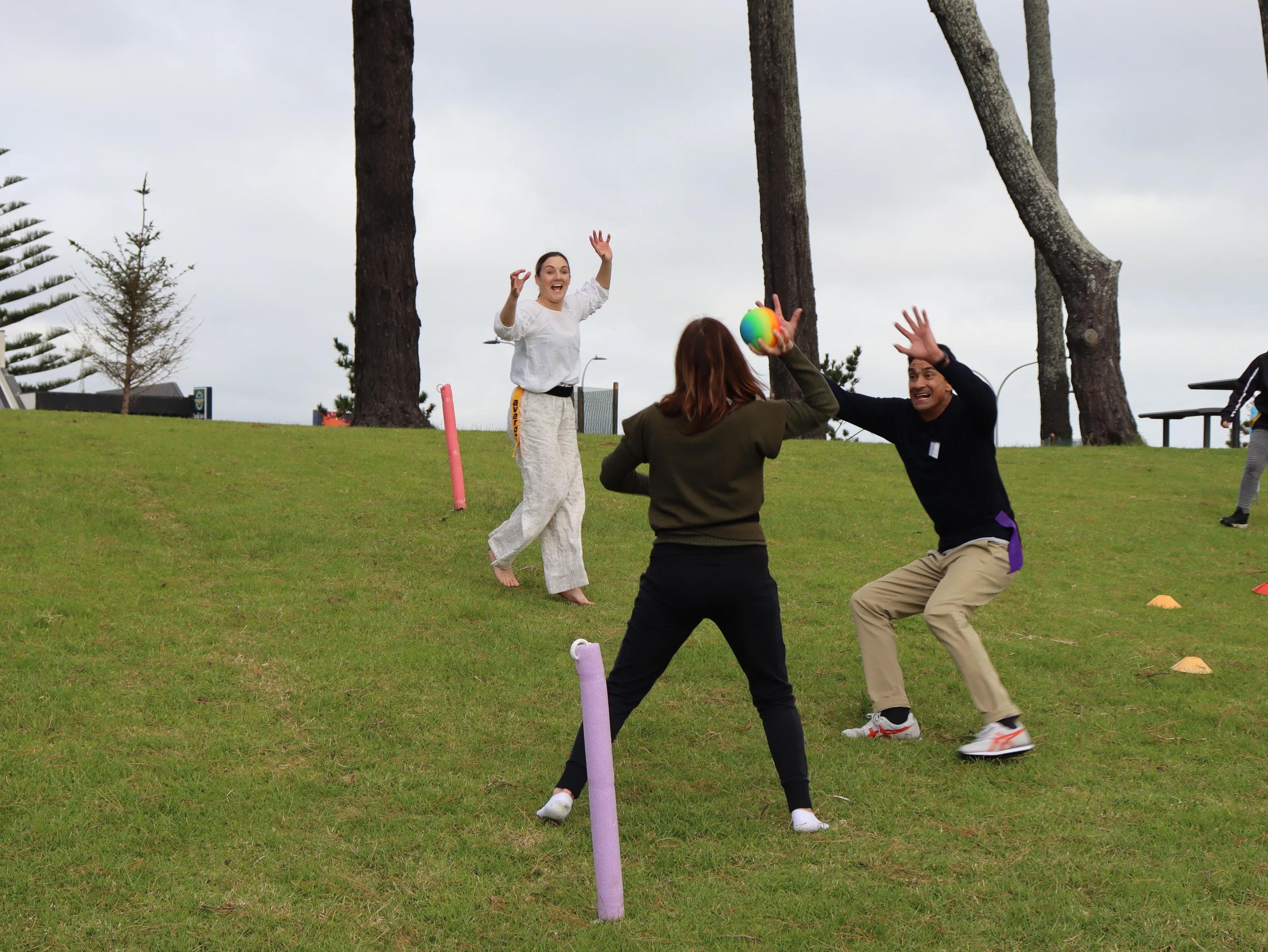
Sport Bay of Plenty Healthy Active Learning team members, Sandy Sheterline and Natalie Field, are supporting a group of Tauranga kaiako to include as much movement as possible across their numeracy programmes.
While insights are still being gathered, kaiako have reported stronger ākonga hauora scores and learner engagement, more positive connection from moving alongside ākonga, and growing confidence to integrate movement in ways that benefit everyone.
“Quality PLD provides double benefits; kaiako wellbeing is boosted through having the opportunity to connect, learn and move with their peers,” says Sandy.
“When that enjoyment and learning is translated into classroom practice, ākonga and kaiako wellbeing continues to grow as they move and learn alongside each other.
“The tamariki just think this is what maths looks like, and now I’m seeing other kaiako start to move more too.”
Filling the kete of kaiako
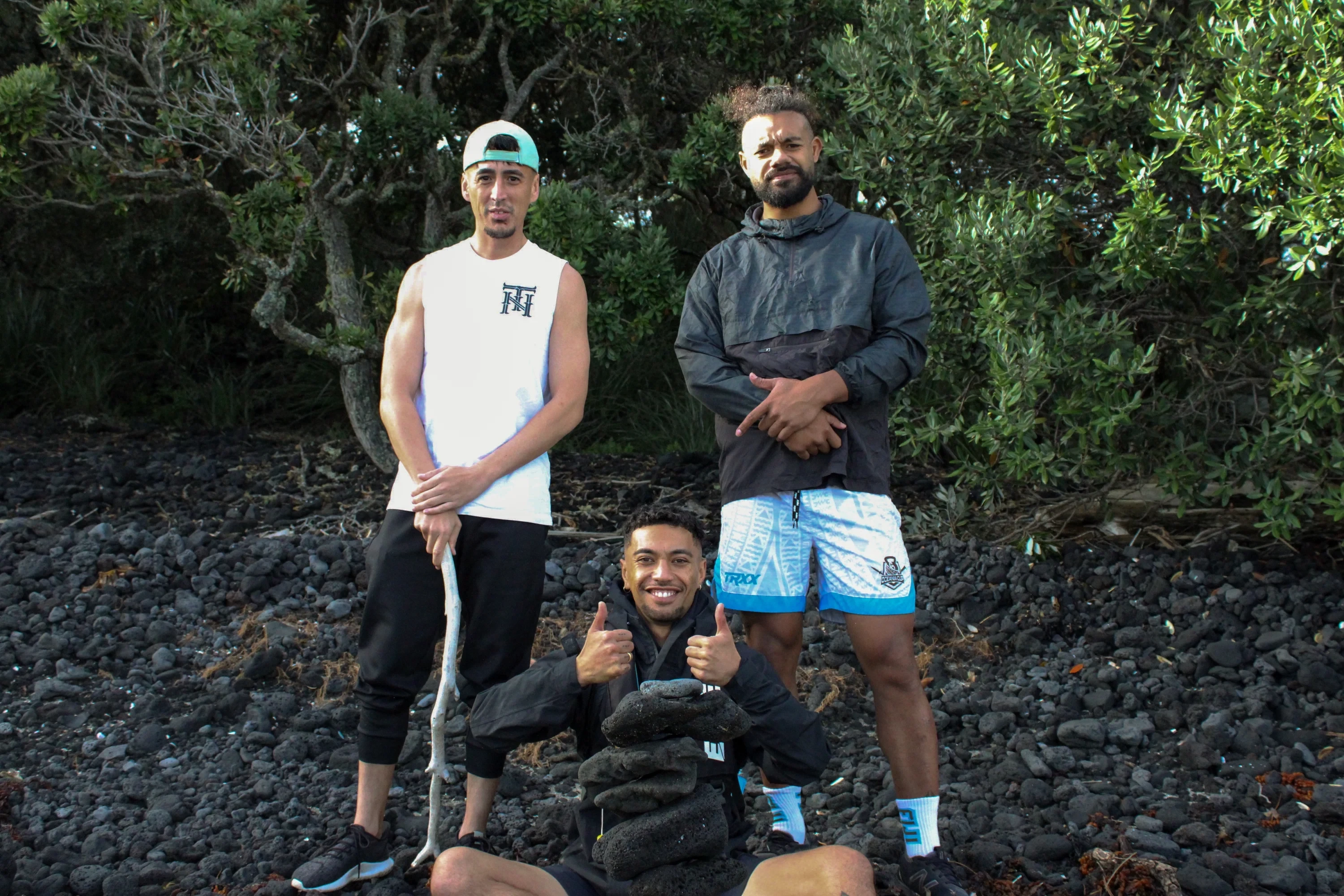
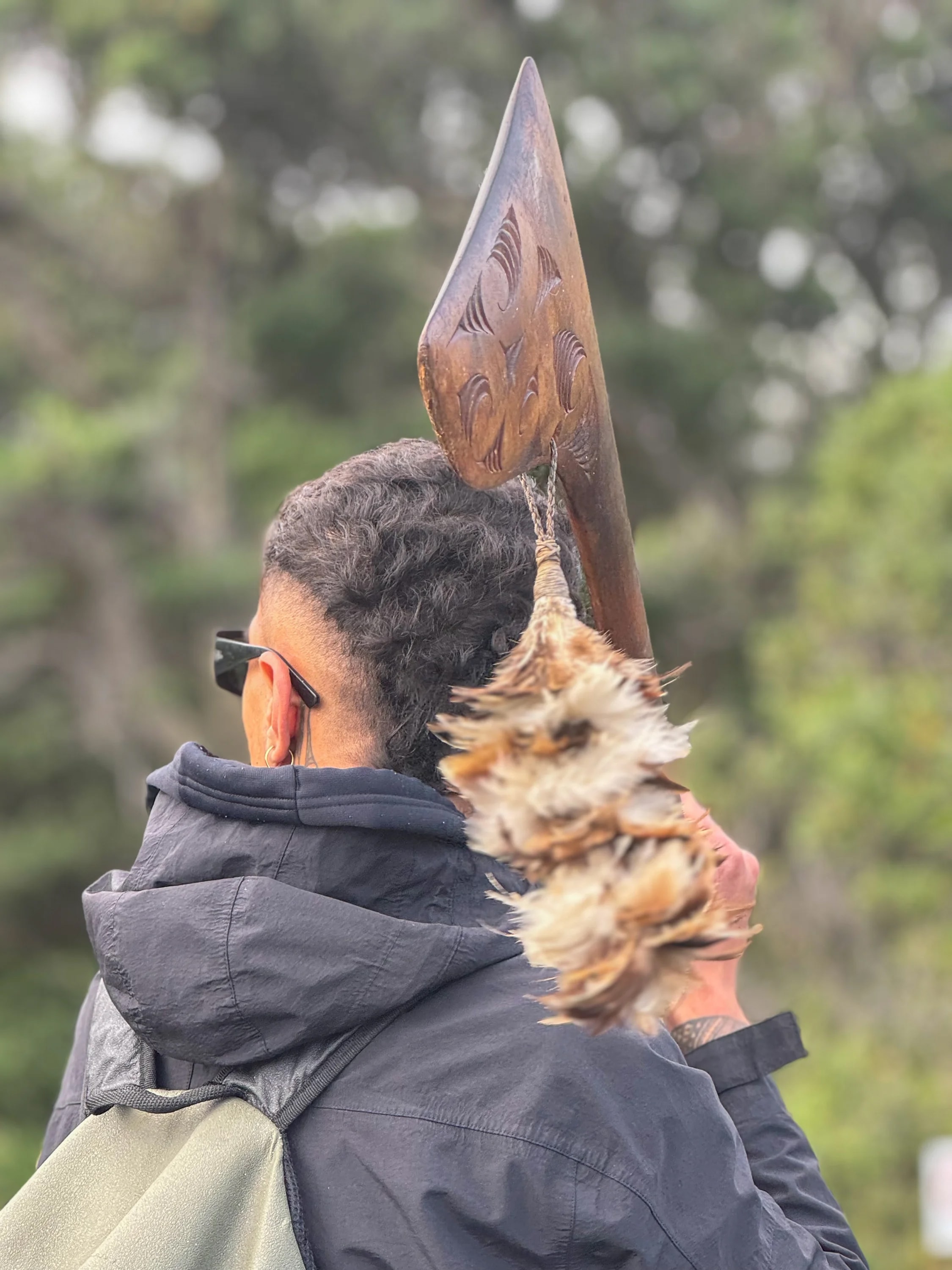
Tangi Haere Hou-pere is a kaiako at Te Kura Kaupapa Māori o Hoani Waititi Marae in Tāmaki Makaurau. Starting in 2024, he attended a series of Mātaiao wānanga to explore different taiao environments and consider how that learning could be applied in his kura and context.
Reflecting on his first wānanga, Tangi Haere shared, “He rawe hoki ngā wheako hou ki au i te mea he tapiritanga tera ki tō kete hei koha atu ki ngā tamariki i roto i te akomanga.
“The new experiences were wonderful because they added to my kete, something I could pass on to the children in the classroom.”
His reflection captures the value of Mātaiao as a kaupapa that supports kaiako wellbeing through learning, connection and inspiration.
Kaiako have space to ask questions, share whakaaro and explore mātauranga Māori together, gathering new perspectives to carry into their teaching.
For Tangi Haere, one of the most rewarding aspects of Mātaiao is seeing learning come alive for tamariki.
After taking his class into the māra, he used harakeke as a starting point for exploring its characteristics, traditional uses and associated pūrākau. A simple observation from an ākonga opened the door to deeper learning about the knowledge held within the taiao.
He describes seeing the “WOW” in the eyes of his tamariki as a reminder of why he became a kaiako.
These moments demonstrate how renewed inspiration can influence teaching practice. Kaiako who return from wānanga with fresh ideas and a deeper connection to their surroundings can create engaging experiences that connect tamariki with their whakapapa, whenua and mātauranga tuku iho.
Mātaiao also encourages kaiako to recognise the meaningful learning available within their own kura and communities. As Tangi Haere reflects, “Whakaūngia te kaupapa ki te aheinga o tō kura.
“Embed the kaupapa within the capacity and context of your kura.”
Working together
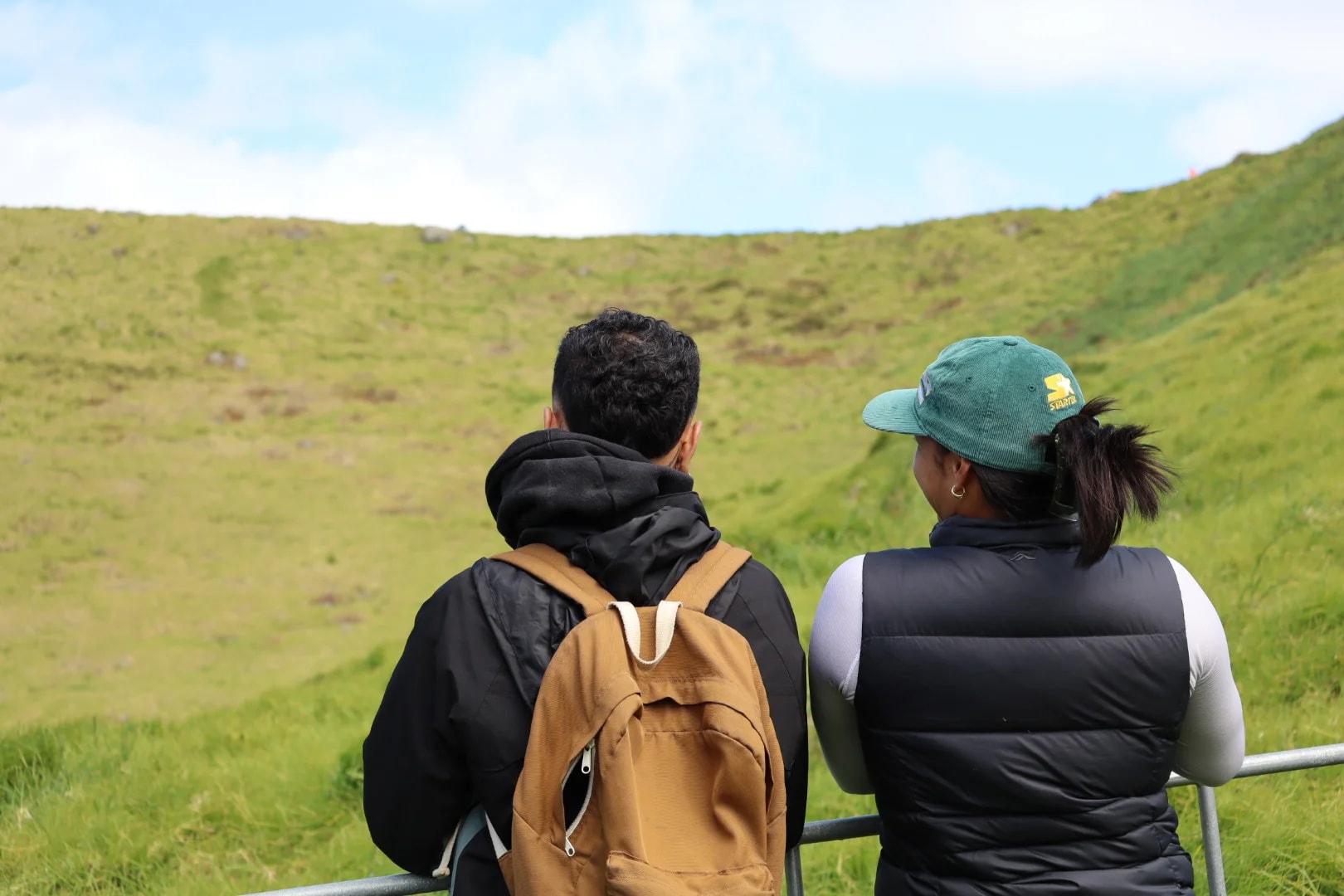
Kaiako do not need access to every kind of environment to make Mātaiao meaningful. A māra, a local green space or the taiao surrounding a kura can all provide opportunities to explore mātauranga Māori.
Tangi Haere emphasises that this learning should not rest with one kaiako alone. He encourages kaiako within a kura to attend the Mātaiao wānanga, experience the kaupapa and fill their kete together.
“Ko aku kupu mō tēnei kaupapa, hei kai mā a koutou wā ako, hei kai mā a koutou whakaaro, hei kai mā o koutou taringa. Kia kaha rā tātou te hunga kaiako ki te toro atu ki tēnei kaupapa, te whakakī ai i tō mātou kete o te mātauranga, rau atu ki roto, a, whāngai ki ngā tamariki.
“Mātaiao and Healthy Active Learning create ongoing learning pathways for kaiako. What connects them is not a shared model, but a shared recognition that when kaiako are given space to learn, connect and grow in confidence, they can create rich learning experiences that support ākonga to do the same. That is how one kaiako and a single learning experience can begin a wider ripple across a whole school or kura.”
The new experiences were wonderful because they added to my kete, something I could pass on to the children in the classroom.
Tips for kaiako exploring professional learning and development opportunities
Check out what support is available for your school or kura, including Mātaiao and Healthy Active Learning at Physical activity in schools and kura | Sport New Zealand - Ihi Aotearoa.
Physical activity in schools and kura – Sport New Zealand - Ihi Aotearoa
Read case studies about Mātaiao by Toi Tangata, including the full profile on Tangi Haere.
Find details of upcoming Mātaiao wānanga delivered by Toi Tangata.
Explore what PLD opportunities subject associations are offering in your area – Physical Education New Zealand and Education Outdoors New Zealand.
Physical Education New Zealand
Education Outdoors New Zealand
Explore the curriculum documents with your teams to identify areas for team learning.
Continue to look out for PLD updates from the Ministry of Education.