The pathway to principalship: Leadership journeys, lessons and advice
From returning home to lead in their own communities to building schools through trust and relationships, Tuakau College principal Donna Tupaea and Sir Edmund Hillary Collegiate Senior School principal Christine Pili share the experiences, values and lessons that have shaped their pathways into principalship. Both principals also share their advice for aspiring teachers and leaders, including how to best approach a job application.
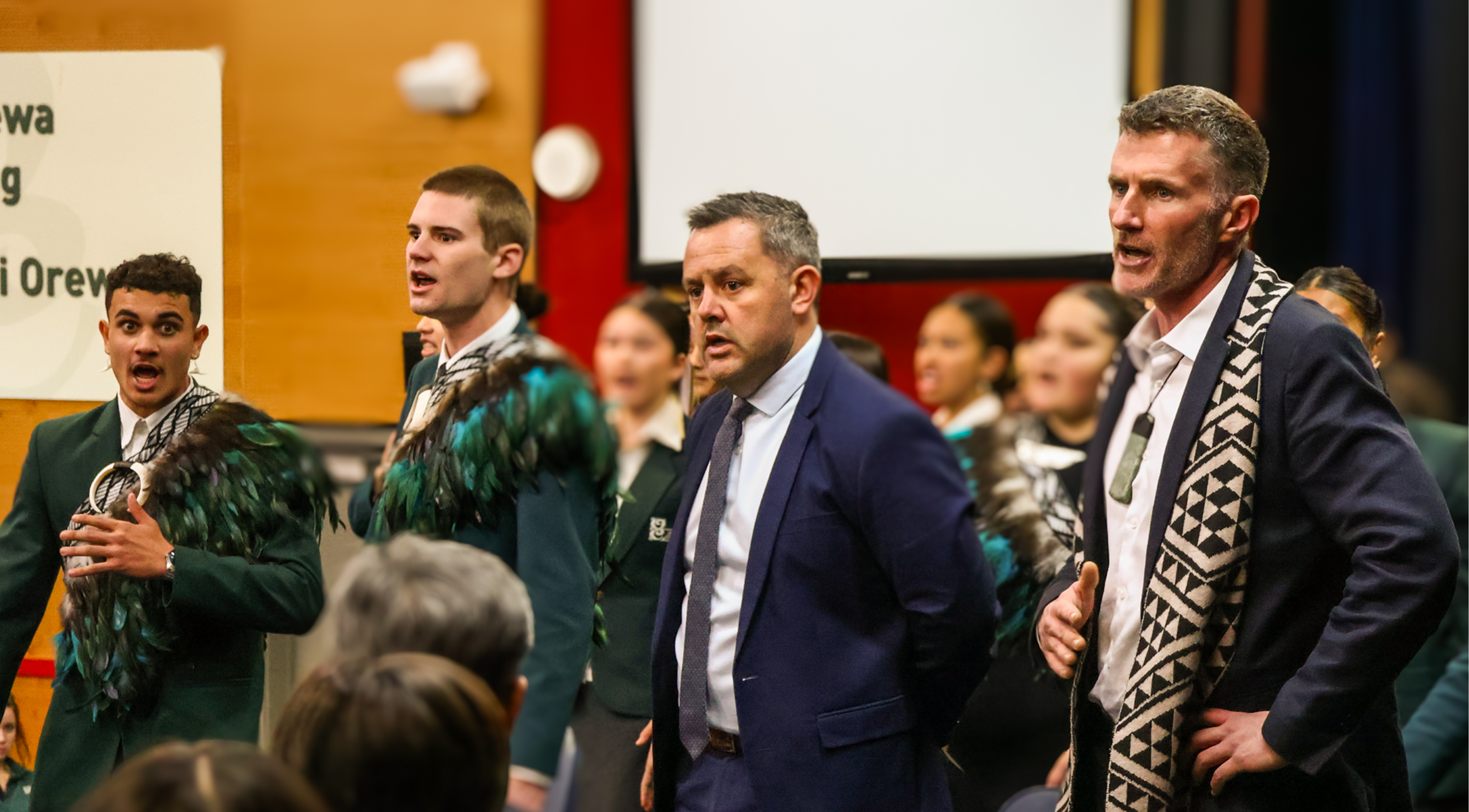
Donna Tupaea, Tuakau College Principal
Donna Tupaea’s educational journey has come full circle, taking her home. The Tuakau College principal was raised in Manurewa, but her whakapapa is to Ngāti Tīpa (Waikato), Ngāti Kawiti (Te Arawa) and Ngāti Hāmoa and the village of Malaimalu in Samoa. She returned to Te Puaha o Waikato four years ago, taking the helm of Tuakau College this year.
“I’m back home, where I belong,” says Donna. "I've brought all my mātauranga, my experience and work in leadership, and my knowledge and expertise back home to benefit all of our community."
When Donna took her first steps on her education journey, she held a clear purpose, inspired to pursue teaching by the exceptional teachers she had as a young student herself.
“I wanted to make a meaningful difference for our rangatahi,” she says."I've brought all my mātauranga, my experience and work in leadership, and my knowledge and expertise back home to benefit all of our community."
A pathway shaped by opportunity
Looking back, Donna never planned to become a principal when she first entered into the education leadership space early in her career, it was something she grew into.
“I wouldn’t describe it as a linear journey either,” she shares. “I didn’t follow the path that most principals would.”
Instead, Donna gained leadership experience through a variety of opportunities that came her way. She served as a deputy principal in three different South Auckland secondary schools, worked as a professional learning and development facilitator in a Māori education reform initiative and later lectured at the University of Auckland.
Then, while working as a change and implementation manager with the Ministry of Education, Donna supported system changes in Waikato.
"It was my work in these varied roles, mentoring, coaching, or leading adults, which really strengthened my desire to become a principal," she says.
"My purpose has always been to grow great teachers for our rangatahi. Through my own journey, I've learned that the most impactful principals are those who care for their people and grow them at the same time."
Leadership grounded in people
At Tuakau College, Donna now brings together the many strands of her career. Daily life is busy and varied, but she is intentional about balancing operational demands with being present for staff and students.
“I try to balance the core business work with being connected and engaged with my people on the ground,” she says. “It’s the best part of my day when I can talk to students and watch teachers in action.”
Connecting with fellow leaders is equally important. Donna regularly networks with other principals to “share the gold”.
“We want to support each other. I am always seeking out the best way forward.”
Donna also places a strong emphasis on developing leadership capability within her own team, helping others recognise and build on their strengths.
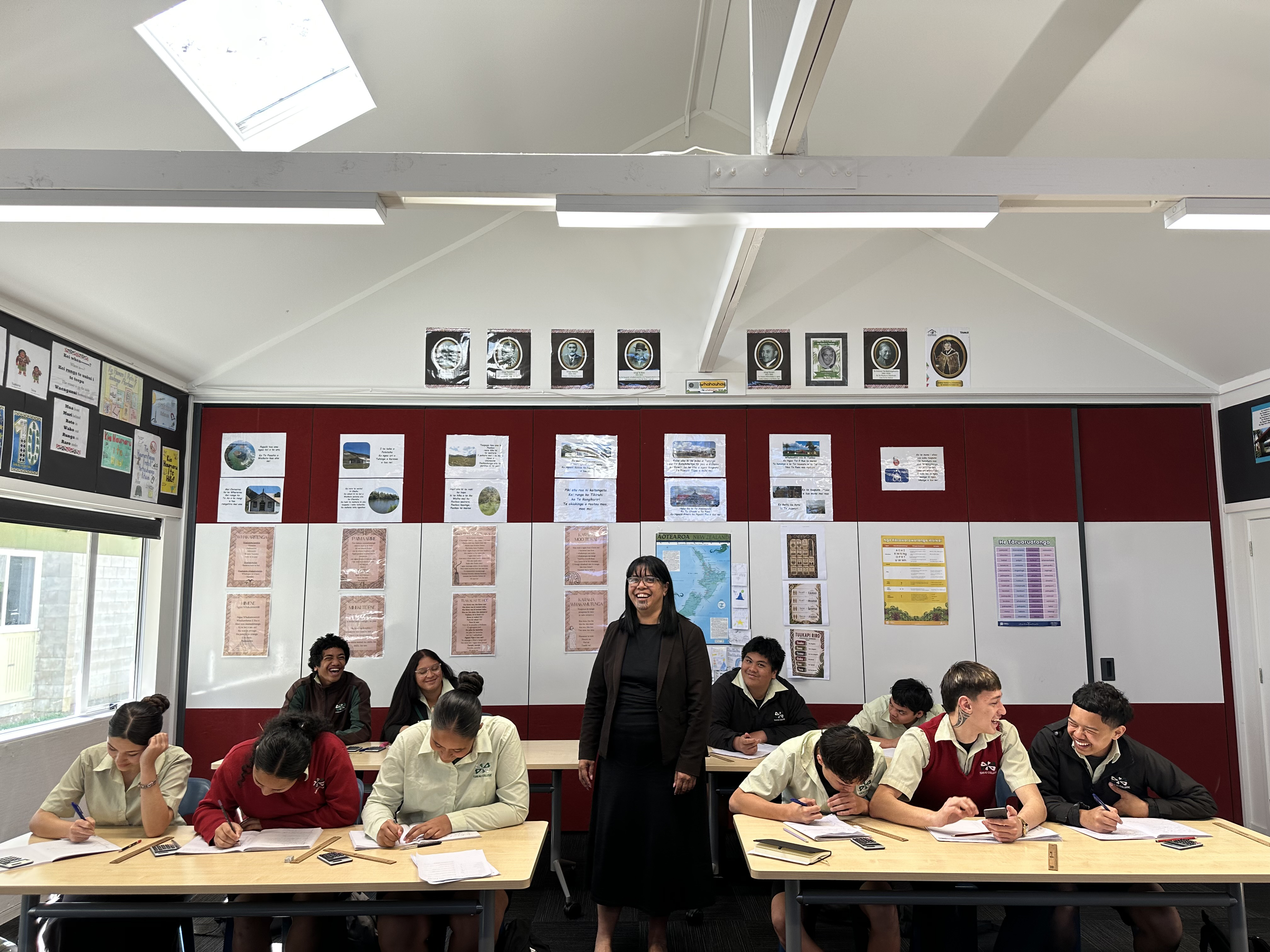
Donna Tupaea at Tuakau College.
Lessons learned along the way
Reflecting on her pathway, Donna says her understanding of education has evolved.
“I used to think education was all about curriculum data and achievement data,” she says. “But fundamentally, it’s about people. We must look after people as they are what drive the initiatives.”
While leadership is often described as lonely, Donna believes it does not have to be. She has learned the value of remaining calm amid the constant challenges that come with leading a school. For Donna, calm leadership helps build confidence across the school community.
“As a leader, if I can remain calm, it has such an influence on the people I lead,” she says. “I am creating an environment and culture where people are confident through the stability I can provide myself.”
She attributes that stability to patience and the trust she has built with her people.
Always keep the faith
The biggest lesson from her educational journey is to never underestimate young people.
“They have such an abundance of potential. I’m always looking for the spark in every child,” says Donna. “I believe that when you give our kids the right support, when you back them, when you encourage them, they will thrive. And they’ll often surprise us, too.”
It is a belief that underpins her leadership and one she often shares with others. “Keep the faith” when it comes to young people.
Donna's advice for young Māori leaders
Know your purpose
Do the work that needs to be done, stay focused and achieve what you set out to do, then return home when you’re done. Your tūpuna, your whenua will call you when the time is right.
Draw strength from your identity
Your identity, your lived experiences, those are your strengths. Our tamariki need to see themselves in us.
Stay connected to your why
Stay connected to the reason why you came into teaching, especially in those times where you’re challenged and start to give up.
Find mentors and build networks
Seek out people who can strengthen you, both personally and professionally, and stay connected to your community.
Be patient with yourself
I have been here forever, and I still don’t have all the answers. Never forget your impact.
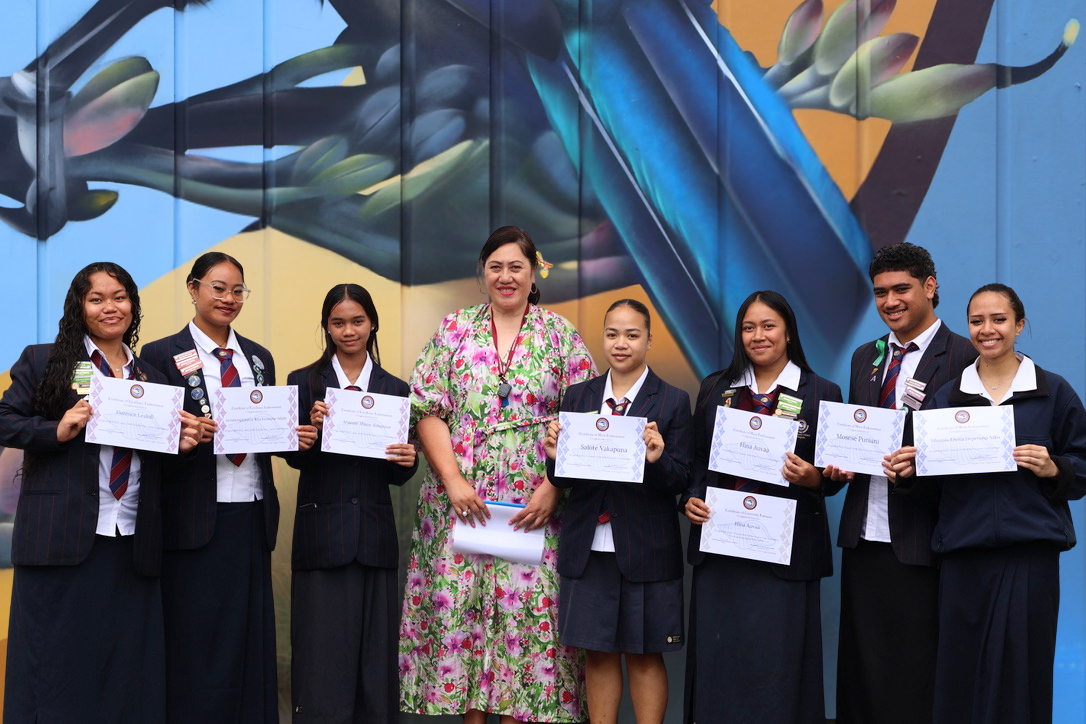
Christine Pili, Sir Edmund Hillary Collegiate Senior School Principal
Christine Pili is the Senior School principal at Sir Edmund Hillary Collegiate. She is a second-generation New Zealand-born Samoan whose villages are Leauva‘a and Avao, Salei‘a.
“My Samoan identity and upbringing have had a strong influence on who I am today, both personally and professionally,” says Christine.
Staying connected to her cultural values continues to guide her leadership.
Foundations built in faith and community
Christine’s journey into teaching was shaped by her church community and Christian faith.
“I was really fortunate to have some really great Sunday School teachers at St Stephen’s church growing up in Onehunga,” she says. “The teachers encouraged me and gave me opportunities to participate, build my confidence and lead as a young person in front of church services and the congregation.”
Those experiences laid the foundation for her future career. Curious about people, relationships and the ways culture influences how we see the world, Christine studied history and eventually education. That pathway led to her first teaching role.
“As a teacher, you have an incredible opportunity to make a positive contribution to a young person’s life,” she says.
Growing as a leader
Christine spent 18 years at Tangaroa College, developing her leadership capability while progressing from classroom teacher to year-level dean and later associate principal.
This year, she began a new chapter at Sir Edmund Hillary Collegiate. Like many principals, she says there is no such thing as a typical day.
“I’m meeting with the team, whānau, making connections through community groups and external agencies,” she says. “I’m constantly learning, and solving problems for what’s best for the students, staff and local community.”
Visibility remains a priority.
“It’s important that I remain approachable to the students and connected to what is happening in the classroom.”
The power of relational trust
One of Christine’s biggest learnings is that teaching, learning and leadership are all grounded in relationships.
“You can have great strategies, systems and plans but if people don’t trust you, it becomes very difficult to move a school forward,” she says. “Leadership is about relationships. It’s about knowing your staff and community, being visible, having challenging conversations when necessary, and having a team that really believes our students can be champions.”
She has also learned that effective leadership is not about carrying every responsibility alone.
“Sometimes leadership means stepping up, sometimes it means creating space for someone else to lead.”
Keeping students at the centre
Across every role she has held, Christine’s focus has remained constant: creating opportunities for young people to succeed.
Whether working with students, staff, whānau or community partners, her approach is guided by respect, connection and a belief in the potential of every learner.
For Christine, strong relationships are not simply part of leadership. They are the foundation on which everything else is built.
Christine Pili and students at Sir Edmund Hillary Collegiate Senior School.
Christine’s advice for Pasifika teachers
Value your measina
As Pasifika, our culture, language, worldview and lived experiences are our strengths. We don’t need to leave these things at the school gate to be considered professional.
Walk in both worlds
Develop your teaching practice alongside your cultural strengths so students are equipped to thrive in a rapidly changing world.
Do your homework
Understand the curriculum, use evidence-based practice, seek feedback and keep learning about changes in education.
Christine’s advice for job applicants
Show your impact
Don’t just list positions and responsibilities. Demonstrate what changed because of your leadership, teaching or initiative.
Stand out from the crowd
Consider what unique contribution you can bring and communicate that clearly.
Keep it concise
Aim for a professional CV of around two to three pages, supported by a complementary cover letter.
Respect the community
Don’t come into school believing that you are here to save our students or community. When I’m reading the application, I’m looking for someone who respects our students and sees their strengths and potential. I want someone who can contribute to their cultures, their skills, their professional expertise, while also being willing to learn from the community they’re joining.
Be yourself in interviews
Interviews can be nerve-wracking, but panels want to get a sense of who you are. Something as simple as smiling, making eye contact and engaging with everyone on the panel makes a difference.
Introduce yourself well
Share who you are, your values, what you can contribute and why you have applied for the role.
Know the school
Research the school’s students, community, and clearly connect your experience to its direction. Instead of just reading from the website, ensure your skills and assets align with the school values.
Take your time in an interview
Use real examples, ask for questions to be repeated if necessary, and bring a pen and paper to note key points.
Thinking of taking the next step in your leadership career?
Each year the Aspiring Principal Programme accepts 200 applicants who want to make the move to become a principal in the next 2 to 3 years. The programme is open to experienced educators with high levels of leadership aspiration and potential.
The year-long programme focuses on developing leadership capability and strengthening readiness for principalship. If accepted into the programme, you will be matched with an experienced principal mentor who will work alongside you.
The programme is delivered by University of Waikato through Te Whai Toi Tangata and Poutama Pounamu.
Applications for the 2027 intake are open now until 30 September.