Technology teachers lead the way through peer-driven professional learning
Technology teachers across Aotearoa are taking professional learning into their own hands through regional, teacher-led PLD roadshows that support curriculum change and classroom innovation.
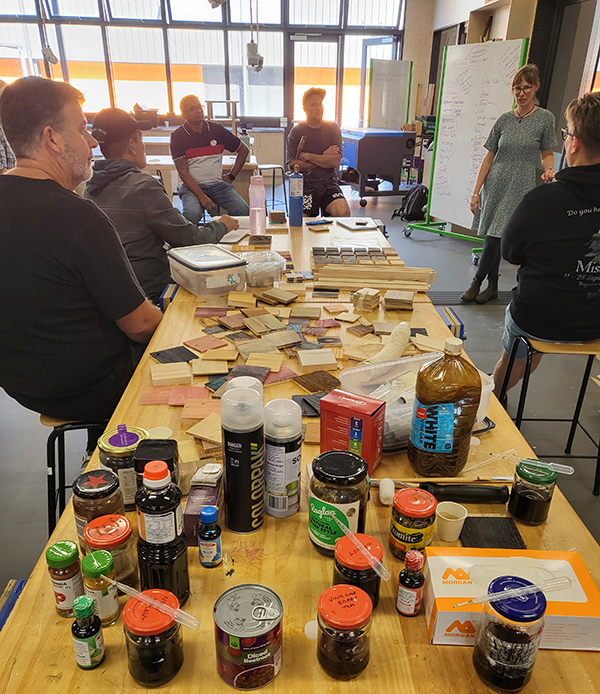
Ceri de Boo and Dave Beazley deliver a workshop on materials experimentation, changing materials performance properties through manipulation, combination or transformation.
When 450 technology teachers gathered for the combined subject association conference (TESAC) in 2024, one message was clear – teachers wanted more accessible, hands-on and relevant professional learning.
In response, the New Zealand Graphics and Technology Teachers Association (NZGTTA) in partnership with the Digital Technology Teachers Association (DTTA) and BCITO, launched a nationwide series of regional roadshows to bring professional learning and development (PLD) directly to teachers.
“NZGTTA is a national subject association that is based around a regional structure,” says Toni Tippett, NZGTTA president.
“This gives us the capacity to offer both nationwide PLD as well as regional PLD. This in turn enables us to be agile in responding to the needs of teachers across the country as well as to the particular needs of a region.”
The initiative quickly expanded from eight to 10 regions, reaching teachers who might otherwise miss out, especially those working in small or sole-charge departments.
“We were targeting those who would often not get release time from the classroom,” says Toni. “We also knew we had the strength of our regional network to be able to do it.”
The model’s strength lay in its relatability. “Receiving PLD from a practising teacher gave delegates confidence in the PLD and its workability because it had been applied and the teachers presenting know the constraints and challenges of working in the school environment,” adds Toni.
Feedback was overwhelmingly positive, with one Waikato participant describing it as “the best PLD I have ever had.” Others even travelled between regions to attend multiple sessions. “Two delegates I am aware of attended an initial event and then travelled to a second event the next day just so they could get more PLD,” says Toni.
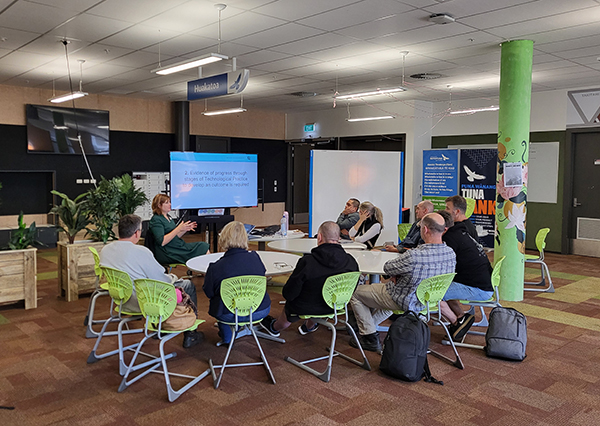
NZQA facilitated workshop to support teachers with making assessment judgements around Level 1 NCEA Achievement Standards.
Building the plane while flying it
Designing and delivering the roadshows was a collaborative effort, says Mike Fleming, former president of NZGTTA.
“In some respects we were building the plane as we were flying it,” he says. “We were learning and refining from one region to the next.”
The design process was data-informed and teacher-driven. “We looked at survey results, analysed comments on the NZGTTA forum, and listened to national moderators as to what they saw were areas needing addressing,” says Mike.
Partnerships were key. NZGTTA joined forces with the Digital Technology Teachers Association (DTTA) to co-deliver workshops, share costs and strengthen regional networks along with the Building and Construction Industry Training Organisation (BCITO), who have been a long time support, sponsor and partner.
“They had a similar philosophy, which meant a sharing of administration and the chance to develop their own regional network too,” says Mike.
Each roadshow followed a consistent format: registrations and whanaungatanga in the morning, two half-day workshops, and time for hands-on collaboration.
“We allowed enough time not just to receive information but to talk it through in terms of delegates’ own programmes of learning and to create resources while expertise was present to guide,” says Mike.
Sessions covered areas most needed at the time, with some events including NZQA moderators to give insight into assessment expectations. Teachers were encouraged to attend outside their specialisms, particularly heads of faculty looking to strengthen understanding across disciplines.
“All sessions were of high value,” says Mike. “But some combinations gave people so much more clarity, especially when the learning workshops were paired with sessions that explored the same content through assessment or design perspectives.”
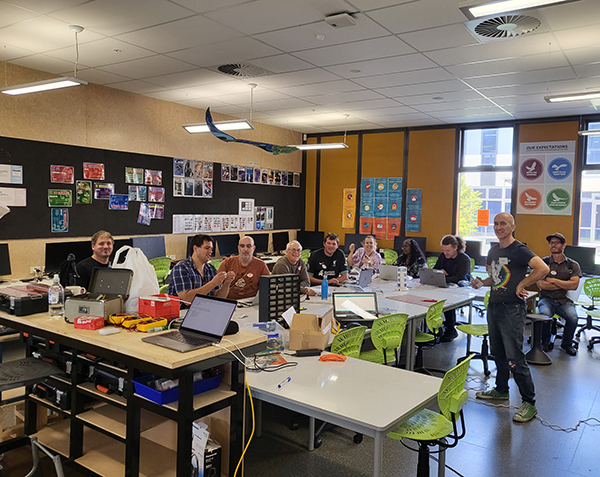
One of the many DTTA workshops run covering AI, programming, electronics, and other aspects of computer science and digital technologies. Led by Andrew Churches, Tracy Henderson and their team of facilitators.
Coordination and collaboration
Behind the scenes, coordination was a major undertaking. Mike describes the initial challenges of coordination between two different associations who had two different systems for registration and membership.
“Time and process were huge in all respects, but it was also an initiative to grow leadership capacity.”
That leadership focus was deliberate. “Bringing on a project manager from our own ranks as a means to further grow our leadership capacity and share the workload was a strategic and beneficial move,” says Mike.
The collaborative ethos proved to be the secret to success. “It was the team environment and how the core group pulled together and supported each other through the whole initiative because it was a huge ask of the presenters – most fronting for all 10 events across term 2,” says Mike.
“Still they refined their presentations from one event to the next as any great reflective practitioner would do.”
Funding support through the Networks of Expertise (NEX) programme made the regional model possible.
“The funding allowed us to cover the expenses of getting the team to the regions, with the materials they needed, and to recognise the time and effort that goes into resource development and presenting,” says Mike.
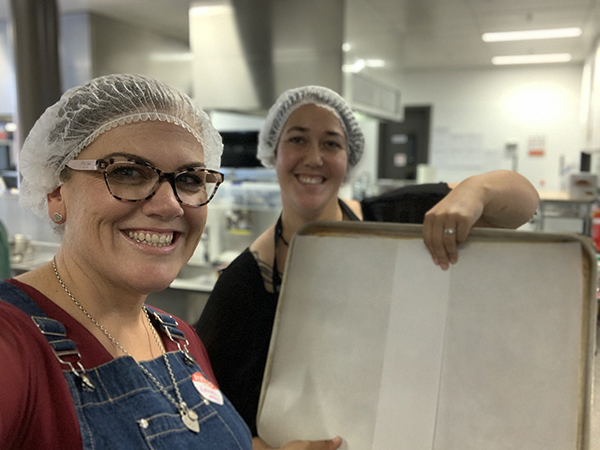
Lauren May, left, with one of her happy delegates. There were smiles all round the PLD face to face events.
Strengthening connections and shaping the future
For Ceri de Boo, NZGTTA curriculum advisor, the roadshows represented more than professional learning. She says they were about strengthening community and wellbeing in the technology teaching space.
“The roadshow has provided opportunities for teachers to both connect to each other but also to clarify their understanding and thinking around particular aspects related to curriculum and assessment,” says Ceri. “We are a very teacher-centric subject association.”
She adds that many teachers appreciated being able to engage regionally rather than travel to large city events.
“Going out to the regions has facilitated conversations with teachers who often can’t get to PLD due to many and varied circumstances,” she says.
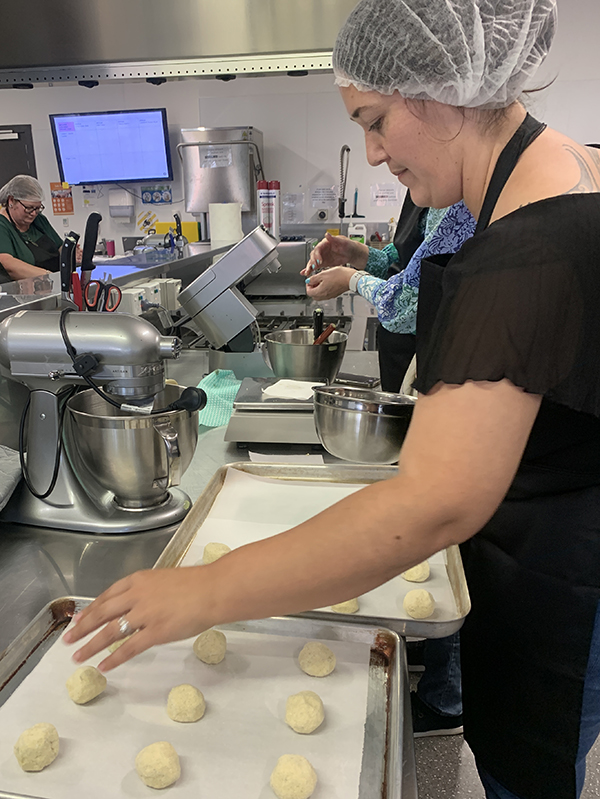
Delegates participate in a practical session for food and processing technology, experimenting with different ingredients.
“The conversations have highlighted there are some real gems out there – teachers who are regionally located and ready to be part of the PLD team, growing our reach and connection to more technology teachers.”
There was also a strong mentoring element, pairing experienced teachers with those newer to the profession.
“ Another initiative was to pair up teachers with the identified experience to support other teachers who required support in terms of pedagogy, curriculum knowledge, best practice and skills,” says Ceri. “This has been a great success.”
The work has also had flow-on effects for assessment confidence and consistency, says Toni.
“A moderator for one of the subjects we covered has indicated that anecdotally there was a shift to better evidence and understanding of assessment criteria.”
Looking ahead, NZGTTA plans to measure the longer-term impact by following up with the 600+ delegates who took part.
“We’ll be asking them how they used their learning and what that meant for their classes,” says Toni. “We’ll also put together a reference group to see what impact we had overall.”
The association’s future goals are ambitious as they continue to grow their regional networks and develop high-quality resources for members.
“We’re also planning nationwide competitions that recognise students excelling in our learning area and complement classroom learning.”
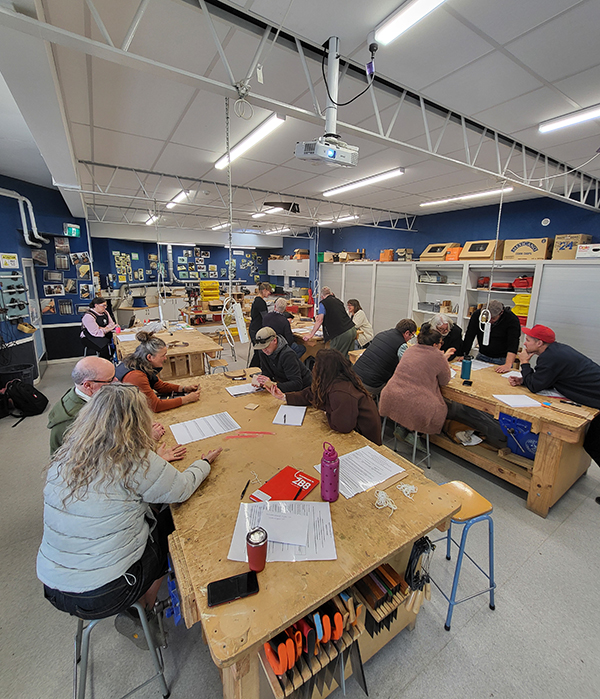
Delegates were put in the position of students to gain their perspective on the learning in a relatable context.
NZGTTA’s advocacy work will continue to be central to its mission, and Toni explains the critical work they do to make sure there is good quality, accessible support to retain the technology teacher workforce.
“We advocate each year to the Ministry to maintain scholarships that enable people to transition into teaching and build up our workforce.”
As Aotearoa moves towards a refreshed curriculum and a new national qualifications system, Toni says they will be pivotal in supporting teachers to feel prepared and supported.
“I cannot stress the importance of the subject associations for all teachers looking ahead to 2026 and beyond,” says Ceri. “He tangata, he tangata, he tangata”