Te Whāriki a Te Kōhanga Reo 30 years: He oha nā mua he oha mā tai
Te Kōhanga Reo National Trust share a snapshot of 30 years of Te Whāriki a Te Kōhanga Reo.
E whakatinana ana Te Whāriki i te mauri o te ao Māori me ngā mātāpono e whakawhenua nei i tā te Māori tirohanga i te ao. Ehara i te marau mātauranga noa, engari kē ia he kauwaka mō ngā kawenga mahi katoa e aro pū ana ki te whakarauoratanga o te reo Māori, te kaha mauroa o te whānau me te oranga tonutanga o ngā mokopuna puta noa. Koinei te whakatinanatanga o ngā wawata me ngā moemoeā i tuia e ngā Pohoi Toroa o te ao Māori ki te whāriki o te ao tukupū e puāwai ai anō te reo Māori, te ahurea Māori e noho nei tātou me te tuakiri o te tangata.
Mai i te hui Kaumātua tuatahi i te tau 1979 ki Waiwhetu tae noa mai ki mohoa noa nei, kua whakaara te Māori i a ia anō ahakoa ngā aupēhitanga o te wā. Nā Lady Tilly Reedy rāua ko Tā Hemi Henare te ingoa ‘Te Kōhanga Reo’ i tapa, ā, he huahuatau tēnei mō te morimoritanga o ngā mokopuna i roto i te pūāhurutanga o te reo Māori.
Ka awatea te manako nui i ngā mahi o te hunga i a Kahurangi Iritana Tawhiwhirangi, ka ea te wawata i te horapa o te reo Māori me ōna tikanga ki ngā kainga maha o Aotearoa. Ahakoa e hoki putuputu tonu ana te Māori ki tōna reo, ki ōna tikanga, ki tōna ahurea me tōna tuakiri, e ora marika ana ngā mātāpono i whakatakotoria e ngā kairaranga o Te Whāriki, e mārama ake ai hoki te kōrero a Tā Hemi Henare e mea ana; “Ko te reo te mauri o te mana Māori.”
Nā Lady Tilly Reedy rāua ko tana hoa rangatira, a Tā Tamati Reedy, Te Whāriki i tuhi, ā, i mua noa atu i te whakaahutanga o te rautaki kōhungahunga a Te Tari Mātauranga i te tau 1990 i parahia kētia e rāua me te tira tautoko te ara whakamua. I rewa Te Whāriki i te tau 1993, i whenumitia Te Whāriki ki Te Korowai o Te Kōhanga Reo i te tau 1995, ka mutu, nā Te Hēkeretari Mātauranga tēnei whenumitanga i whakamana. Ki konei mana ai te kōrero a Lady Tilly Reedy e kī ana; “Ko te reo Māori te pae kawe i ngā mea katoa.”
Me he whāriki te mokopuna e ranga nei i a ia anō ki ōna toronga whakapapa, tōna taiao, tōna hapori me tōna ahurea. Kāore he rerekētanga o te taiao o te tamaiti me ngā mahi e ako nei ia, ka noho hoki ngā āhuatanga ako o te mokopuna hei pou tarāwaho mōna.
Nō te tau 2017 whakahoungia Te Whāriki hei tohu mō tana mana nui me tōna hirahira. Ka ora Te Whāriki i ngā tāngata e whakatinana ana i ōna mātāpono, ka mutu, ki konei kitea ai te rerekē o Te Whāriki me ērā atu marau mātauranga. Mātua rā te kete kōrero o Te Whāriki a Te Kōhanga reo e kī ana; “Ko te whakamana i te mokopuna ki te ako te pūtake o Te Whāriki.”
Kua eke Te Whāriki ki te 30 tau, ā, e tika ana kia whakahōnoretia ngā ihorei i ao ai tēnei tuhinga. E mihi ana te Te Poari Matua a Te Kōhanga Reo ki a Tā Tamati Reedy, Lady Tilly Reedy, Kahurangi Iritana Tawhiwhirangi, Tā Hemi Henare, Tā John Bennett, Tā Kara Puketapu, ngā tini kaumātua, ngā kuia, ngā whānau, ngā kaiako, ngā kaupapa kaimahi me ngā mokopuna kua pupuru i te mauri o Te Whāriki mai i tōna oroko tīmatanga mai.
I tōna tau 30, e whai tonu ana Te Whāriki a Te Kōhanga Reo i tāna i whakatakoto i ngā tau iwa tekau. E rangaranga tonu nei te whakarauoratanga o te reo Māori, te kaha mauroa o te whānau me te oranga tonutanga o ngā mokopuna puta noa, e ea ai te kōrero a Te Whāriki a Te Kōhanga Reo e kī ana; “Ko te whāriki te mokopuna, ko te mokopuna te whāriki.”
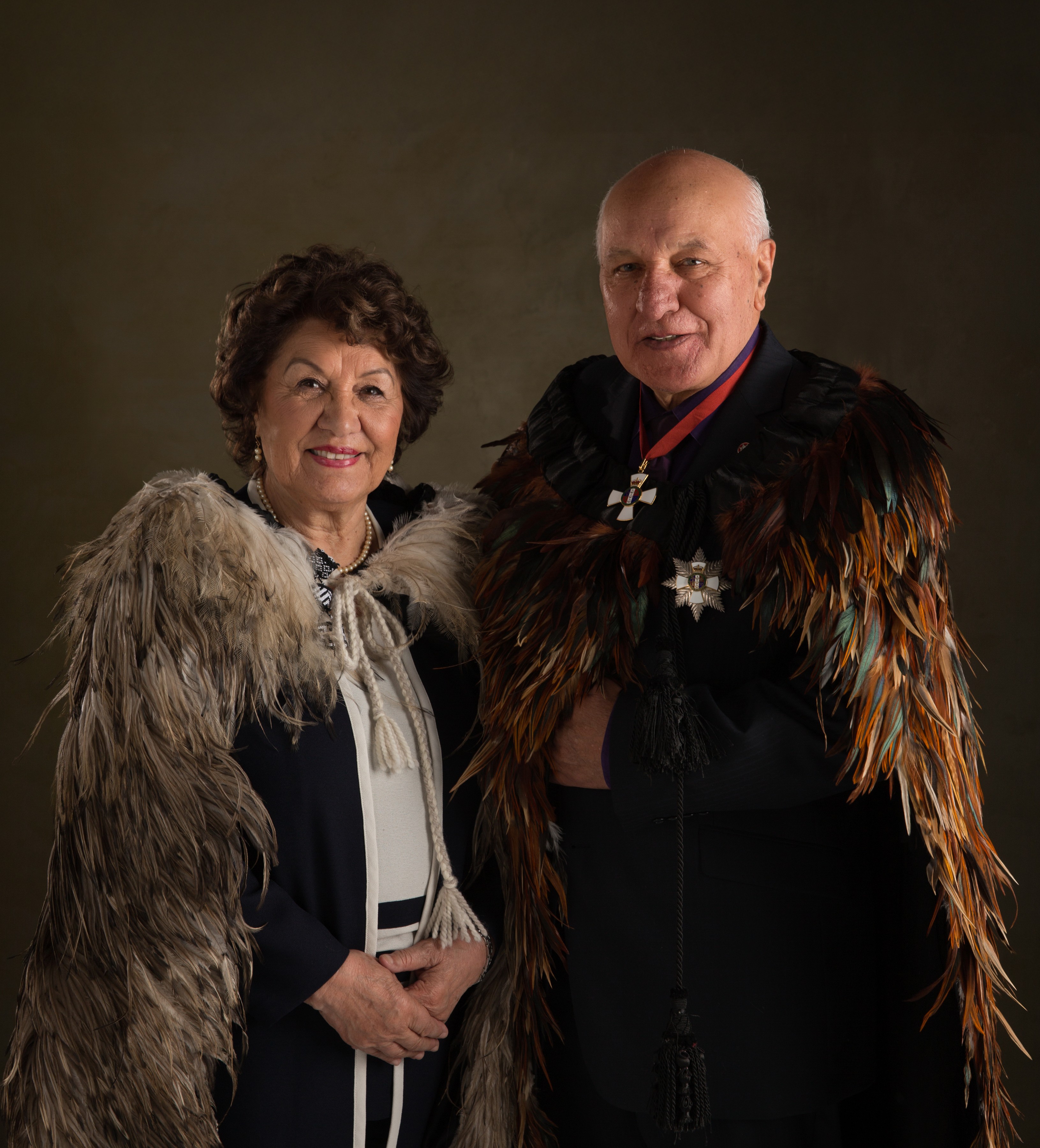
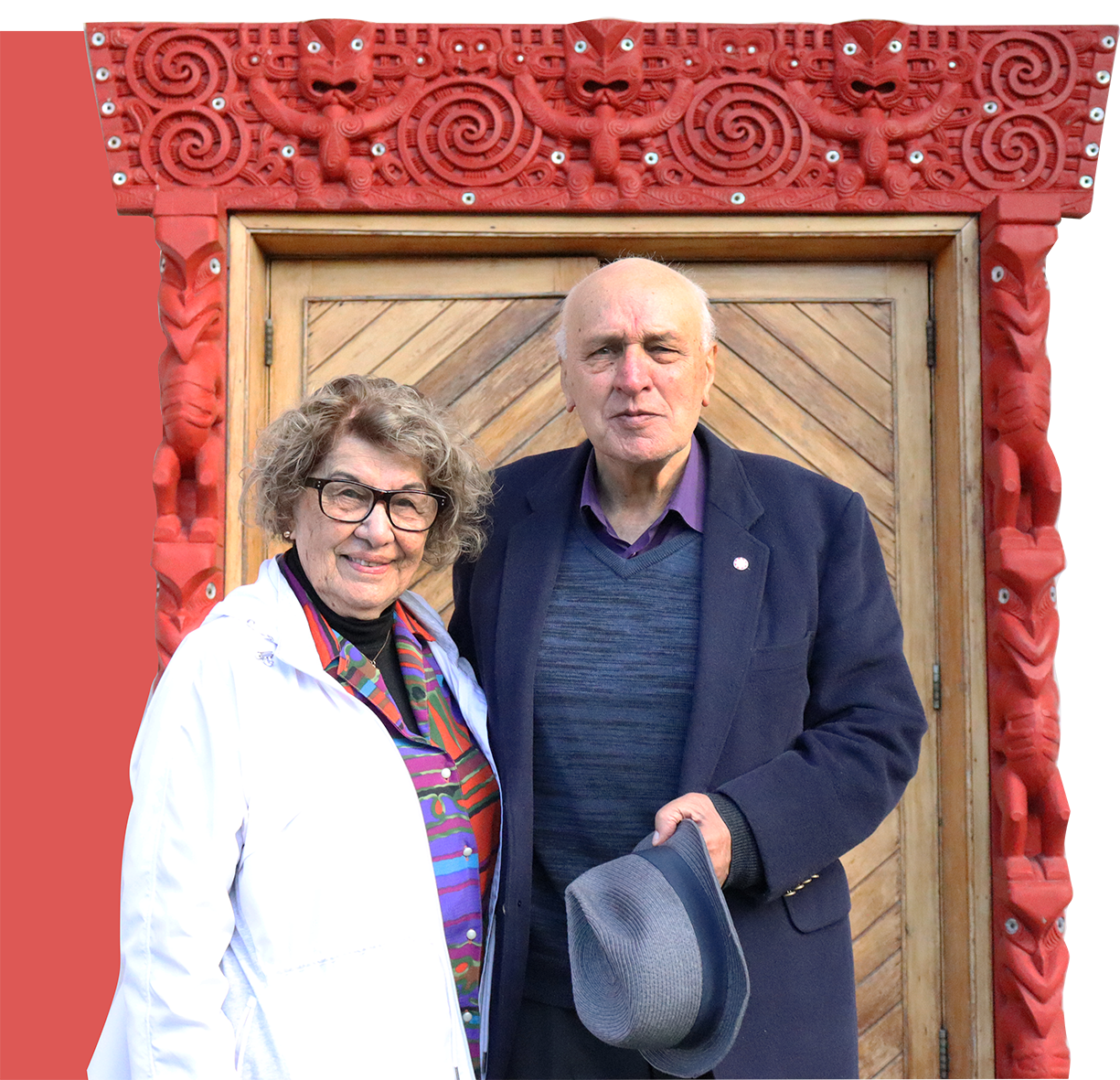
Lady Tilly Te Koingo Reedy and Tā Tamati Muturangi Reedy.
English translation
Te Whāriki a Te Kōhanga Reo embodies the philosophies and principles of a Māori worldview grounded in the cultural, spiritual, and social values of Te Ao Māori.
More than a curriculum, it represents the aspirations of a movement committed to the revitalisation of te reo Māori, the strengthening of whānau, and the wellbeing of mokopuna. It is a living tapestry woven from the hopes and collective vision of generations who believed that Māori language, culture and identity would flourish once more.
The origins of Te Whāriki are inseparable from the story of Te Kōhanga Reo. In the late 1970s and early 1980s, Māori leaders and kaumātua became increasingly concerned about the decline of te reo Māori and the broader social challenges facing Māori communities.
In response, Sir Kara Puketapu convened the first Hui Kaumātua at Waiwhetū Marae in 1979, bringing together respected leaders from across the motu to consider the future of Māori and the place of te reo within it.
At these hui, kaumātua articulated a clear vision: the revitalisation of te reo Māori, the restoration of tikanga Māori, and the development of strong, capable whānau. Mokopuna were identified as the central priority, while whānau were recognised as the means through which aspirations for future generations would be realised.
The survival of te reo Māori was understood as inseparable from the wellbeing of whānau and the strength of Māori communities.
During one gathering, Lady Tilly Reedy and Sir James Henare were tasked with naming the emerging movement. The name Kōhanga Reo, meaning 'language nest,' was gifted as a metaphor for a nurturing environment where mokopuna would be immersed in language, culture, identity and belonging.
The vision was both simple and profound: to create spaces where te reo Māori would once again be the natural language of daily life, supported by the active involvement of whānau.
Under the leadership of Dame Iritana Tāwhiwhirangi and many others, this vision grew rapidly into a nationwide movement. Te Kōhanga Reo became more than an early childhood initiative – it became a movement of language revitalisation, whānau development and cultural regeneration.
Whānau – including parents, grandparents, aunties and uncles – embraced the responsibility of learning alongside their mokopuna, ensuring that te reo Māori extended beyond the kōhanga into homes, marae, communities, kura kaupapa Māori, and future generations.
From its inception, Te Kōhanga Reo has been based on total language immersion within a Te Ao Māori environment. Central to this worldview is the understanding that all things possess mauri. Learning is holistic, experiential and relational. Mokopuna are immersed in contexts where language, culture,
spirituality and identity are lived rather than taught.
Through interactions with people, places, and the natural world, they develop an understanding of their connections to one another, their ancestors and the wider environment.
As Lady Tilly Reedy emphasised, Te Whāriki was not newly created but handed down by our ancestors. Alongside Sir Tamati Reedy, she travelled throughout the country consulting with kaumātua to shape a curriculum reflecting Māori aspirations for mokopuna and their whānau. These engagements affirmed that learning begins long before formal education and is nurtured through whakapapa, relationships, language, culture and collective responsibility.
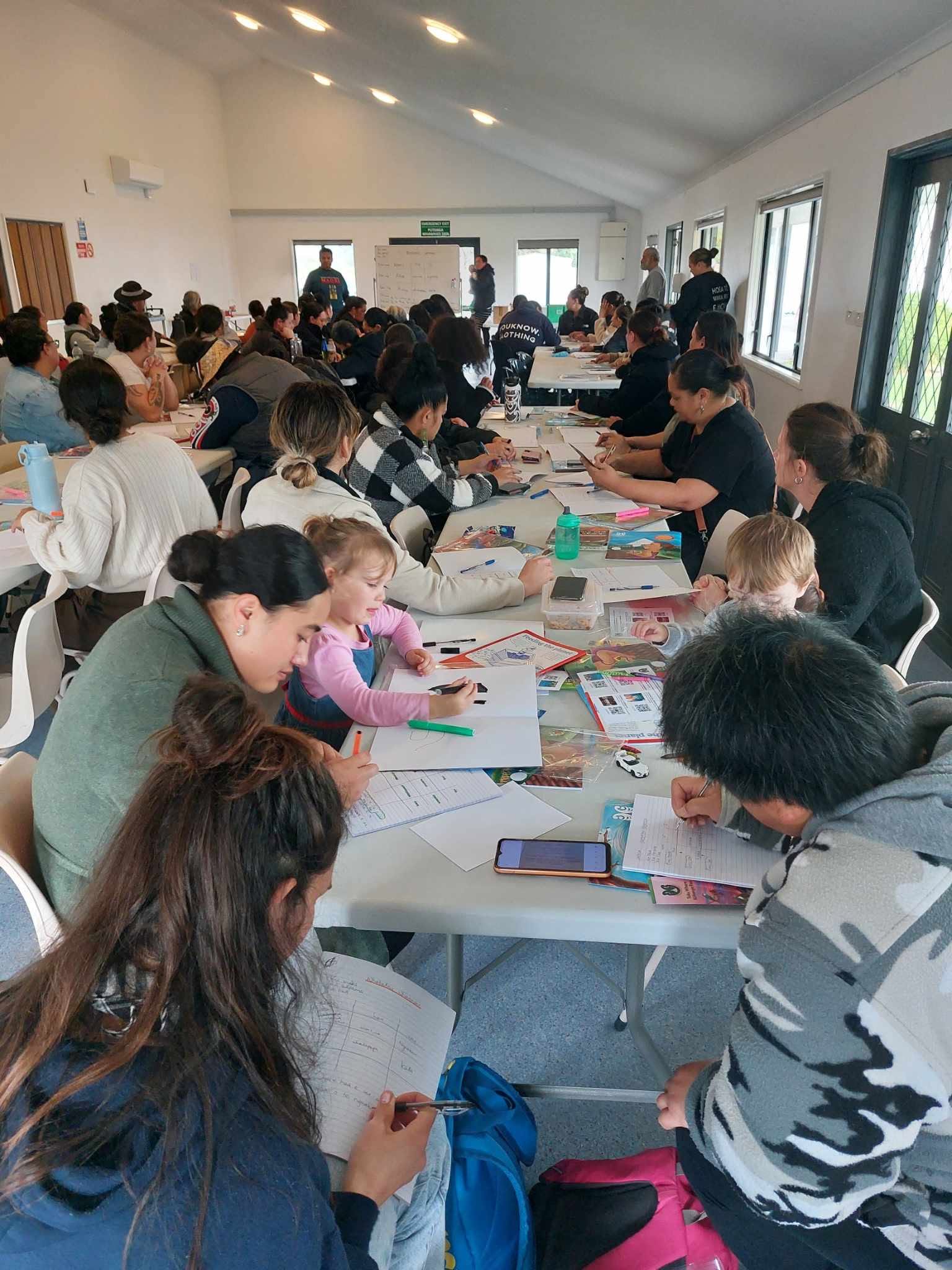
Korowai Manaaki Wānanga.
In 1990, the Ministry of Education began developing a national early childhood framework. At the same time, Te Kōhanga Reo had already established its own direction. Recognising the need to articulate its philosophy within an evolving policy environment, the movement remained steadfast in its commitment to kaupapa Māori.
In 1993, the first draft of Te Whāriki a Te Kōhanga Reo, written entirely in te reo Māori, was presented to kōhanga across the motu. This affirmed that te reo Māori was not merely a subject, but the natural carrier of Māori knowledge, values and ways of understanding the world. As Lady Tilly Reedy stated, “Te reo Māori can carry everything.”
The marautanga was incorporated within Te Korowai in 1995 and formally endorsed by the Secretary of Education. It reflected the partnership responsibilities of Te Tiriti o Waitangi, acknowledging the roles of both the Crown and Te Ao Māori. While the Ministry provided support, Te Kōhanga Reo National Trust retained responsibility for safeguarding te reo Māori, tikanga Māori and the aspirations of whānau.
The concept of Te Whāriki is reflected in its name. A whāriki is a woven mat created by many hands, with each strand contributing to the strength of the whole.
In the same way, every mokopuna is woven through relationships with whānau, hapū, iwi, language, culture, environment and community. Learning is not separate from life, but part of a continuous journey that begins before birth and continues throughout a lifetime.
Te Whāriki extends beyond a bicultural framework by recognising the interconnectedness of the whole child. It affirms that learning encompasses physical, emotional, spiritual, intellectual, cultural and collective dimensions.
Each mokopuna is seen as a capable and competent learner, whose development is nurtured through meaningful relationships and experiences.
Over time, Te Whāriki has continued to evolve while remaining true to its original kaupapa. The 2017 refresh reaffirmed its place within the early childhood landscape and its relevance for future generations.
Unlike static curriculum documents, Te Whāriki lives through the people who uphold it. Across the motu, whānau, kaiako, kaumātua and kaupapa kaimahi engage in wānanga, hui whakangungu, Te Pae Tuku o Ngā Taumata Whakahirahira, Whakapiki i te Reo initiatives and Wererou, ensuring ongoing reflection and renewal.
Te Whāriki a Te Kōhanga Reo provides enduring foundations upon which mokopuna can weave their own pathways through life. Its guiding principle, “Ko te whakamana i te mokopuna ki te ako te pūtake o Te Whāriki,” reflects a commitment to nurturing the inherent potential within every child.
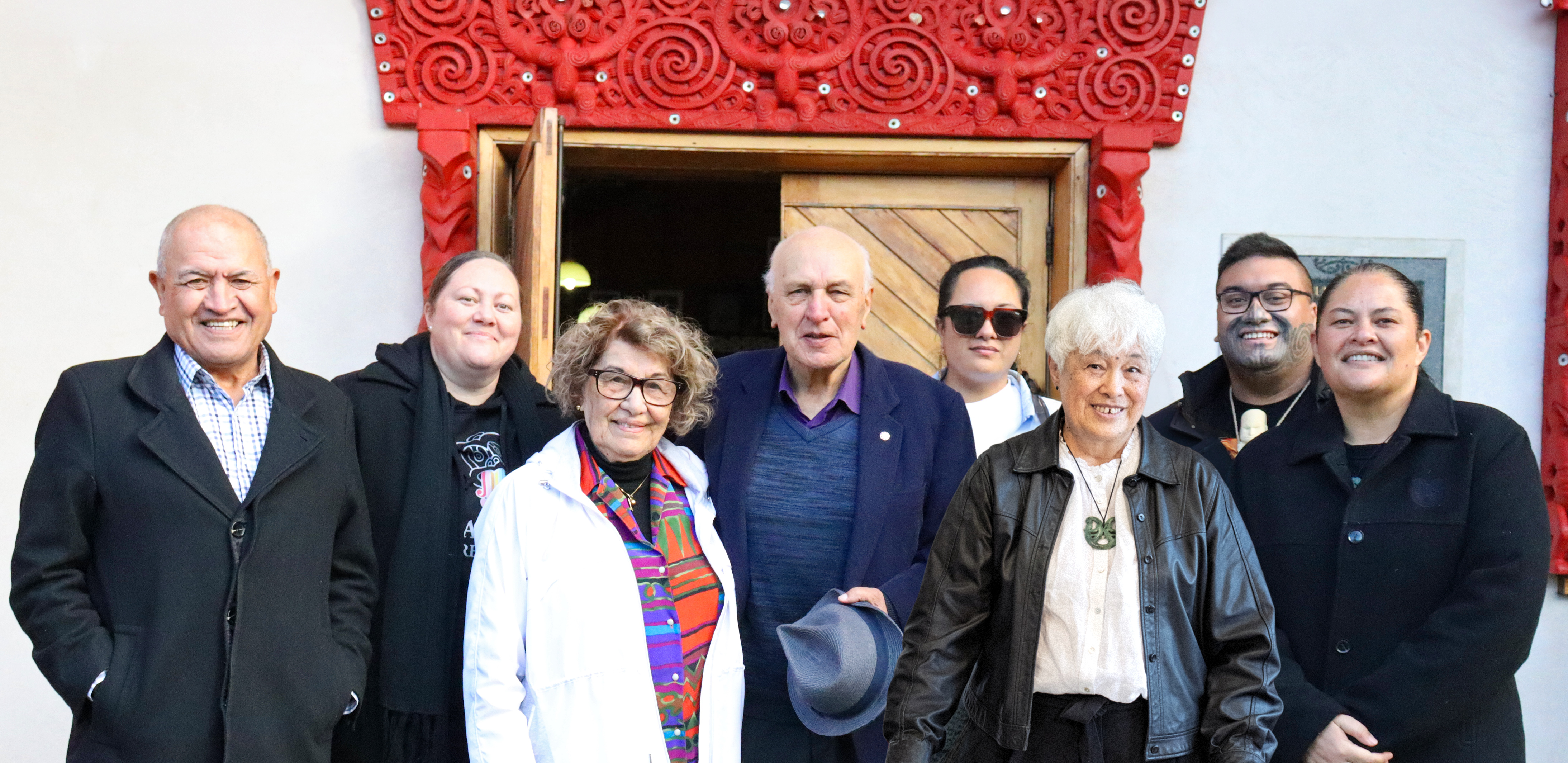
Korowai Manaaki Wānanga with Lady Tilly Te Koingo Reedy and Tā Tamati Muturangi Reedy, pictured centre.
As Te Whāriki reaches its 30-year milestone, it is a time to honour those who laid its foundations and those who continue to carry the kaupapa forward.
Te Kōhanga Reo National Trust acknowledges Sir Tamati Reedy, Lady Tilly Reedy, Dame Iritana Tāwhiwhirangi, Sir James Henare, Sir John Bennett, Sir Kara Puketapu, and the many kaumātua, kuia, whānau, kaiako, kaupapa kaimahi and mokopuna who have contributed to its development and continuation.
Thirty years on, Te Whāriki a Te Kōhanga Reo remains a living expression of its original vision. It affirms that the revitalisation of te reo Māori, the strengthening of whānau and the wellbeing of mokopuna are inseparable. The weaving continues, with each generation contributing its own strand to the tapestry: “Ko te whāriki te mokopuna, ko te mokopuna te whāriki.”