Sylvia Park School’s inquiry curriculum fosters kaitiakitanga and connection to place
At Sylvia Park School in Tāmaki Makaurau, inquiry learning has long been central to the school’s culture. Their latest inquiry, a deep dive into local maunga, weaves together pūrākau, science, history, literacy and design, and has left ākonga with a powerful connection to place.
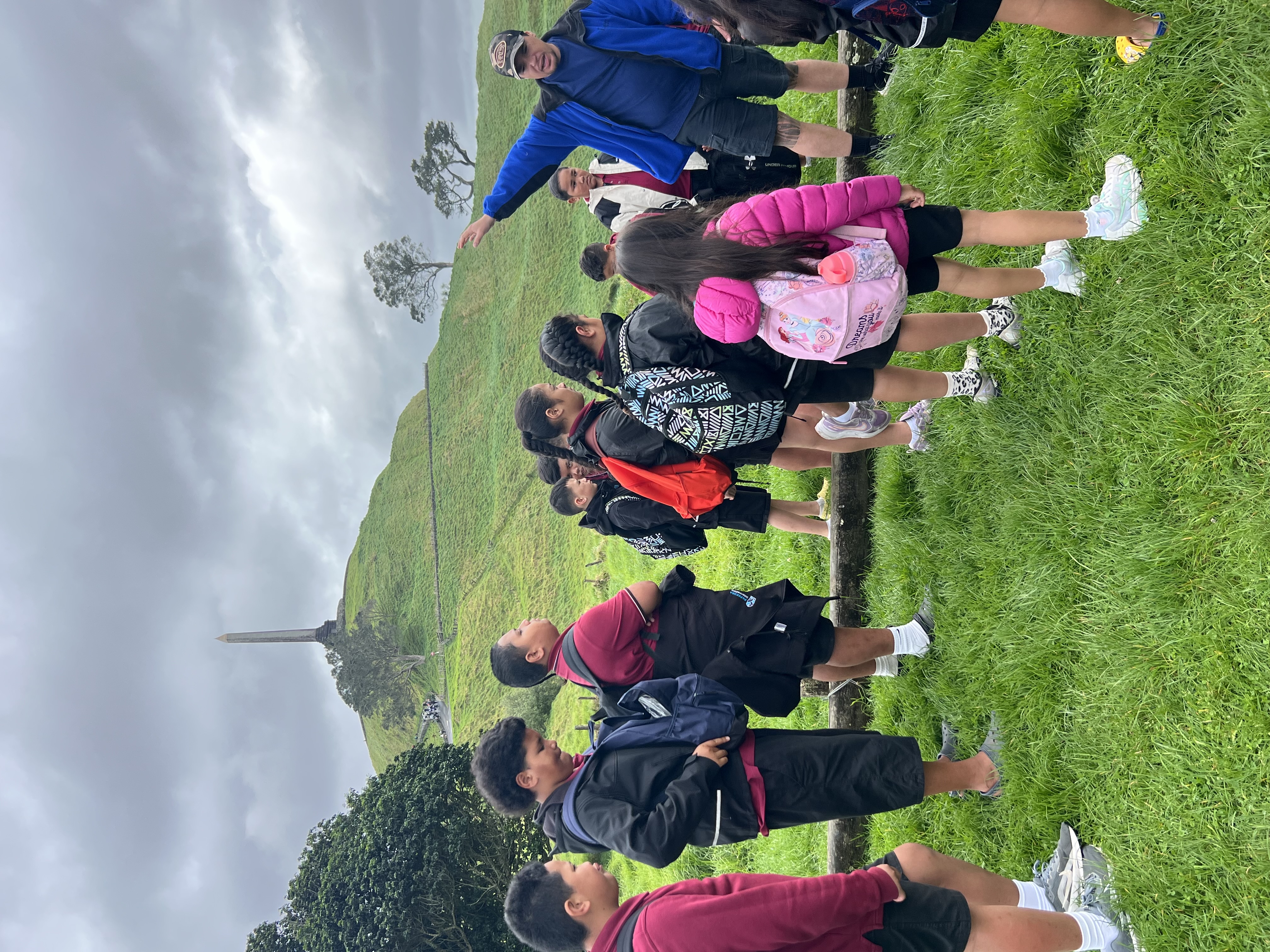
Sylvia Park School ākonga hīkoi up local maunga Maungakiekie, guided by Thomas Rawiri.
Before the inquiry began, most Sylvia Park School students could name the maunga they passed on the way to school.
By the end, they could also explain how those maunga were formed, retell pūrākau with confidence, describe how
the land had been used over time and explain why caring for these places matters.
During term 3 of last year, students explored the stories of four local maunga: Maungakiekie, Maungarei, Ōtāhuhu and Mutukāroa. The learning grew from the school’s whole-school inquiry curriculum, called Pakirehua, and in term 4 was extended through a smaller, mixed-age group known as the COMET KIDS.
Grounded in place-based learning, the project wove together te ao Māori, history, earth science, literacy, design thinking and partnerships with community and industry. It positioned students as researchers, storytellers and teachers of others.
Starting with what students already know
When asked what they knew before the project began, students described a basic understanding of names and
locations.
“Before we started COMET, I only knew that the English name of Maungarei was Mount Wellington, Maungakiekie was One Tree Hill, Ōtāhuhu was Mt Richmond and Mutukāroa was Hamlin’s Hill,” says Saviour.
Others had heard parts of local pūrākau but had not yet connected them to the landscape around them.
“One thing that I knew before this whole project was the stories of how Maungarei was created and how Maungarei got its name from two sisters,” says Denzel. “I knew that Mataaoho brought up Maungakiekie, Ōtāhuhu and Maungarei. He didn’t bring up Mutukāroa because it’s not a volcano.”
Sepi had picked up some specific facts.
“What I knew before all of this started was that Ōtāhuhu is the shortest maunga, but it’s also the oldest maunga.
Maungarei is named after two sisters, Reitu and Reipae, and Maungarei is basically named after Reipae.”
These early understandings became the foundation for deeper inquiry.
Inquiry grounded in place
The project sat within Pakirehua. All 537 ākonga took part in the term 3 inquiry, learning about the maunga that their school houses are named after.
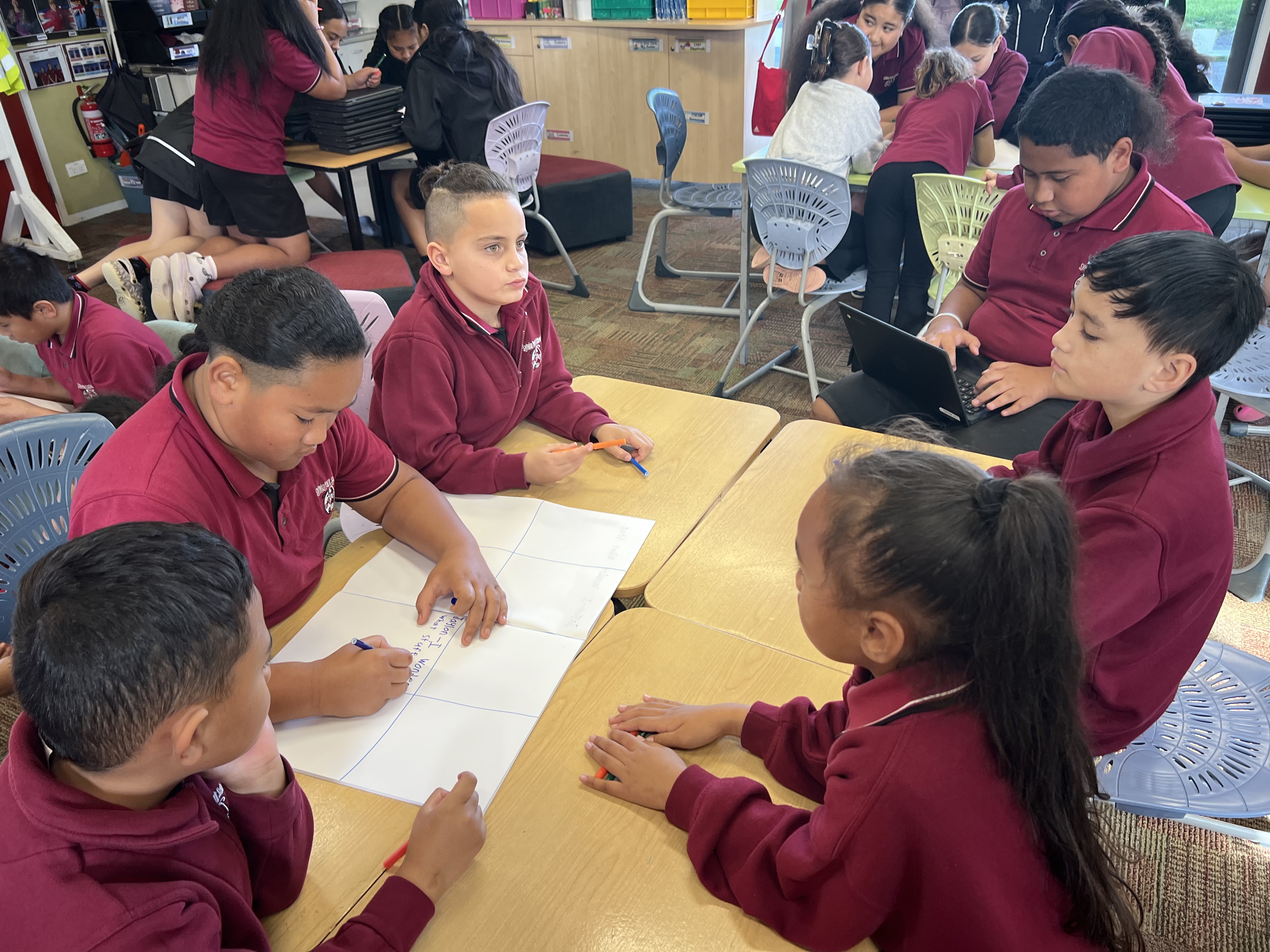
The whole school learned about the maunga that their school houses are named after.
“I am a Year 7 and 8 teacher, but I’m also the lead teacher in charge of planning and organising our whole
school inquiry curriculum, which we call Pakirehua. I get to come up with some really amazing ideas that inspire our students to explore more and create incredible outcomes,” she says.
“I think if our school wasn’t doing inquiry, the culture of our school would be very different. It’s something that’s been ingrained in our school for a really long time, and we’re very proud of our inquiry curriculum.”
Alongside the whole-school inquiry, Oriana applied for funding through Te Hononga Akoranga COMET Auckland to extend the learning with a smaller group of students from Years 3 to 7.
Once approved, 28 students formed the COMET KIDS group, meeting weekly during Oriana’s release time.
For Oriana, inquiry creates space to weave literacy and numeracy naturally into learning.
“You can weave so much rich literacy and numeracy learning through inquiry,” she says. “We try and do that as
best as we can. They read a story about the fight between Tongariro and Taranaki over Pīhanga, who they both fell in love with. Those types of rich stories help them make strong connections.”
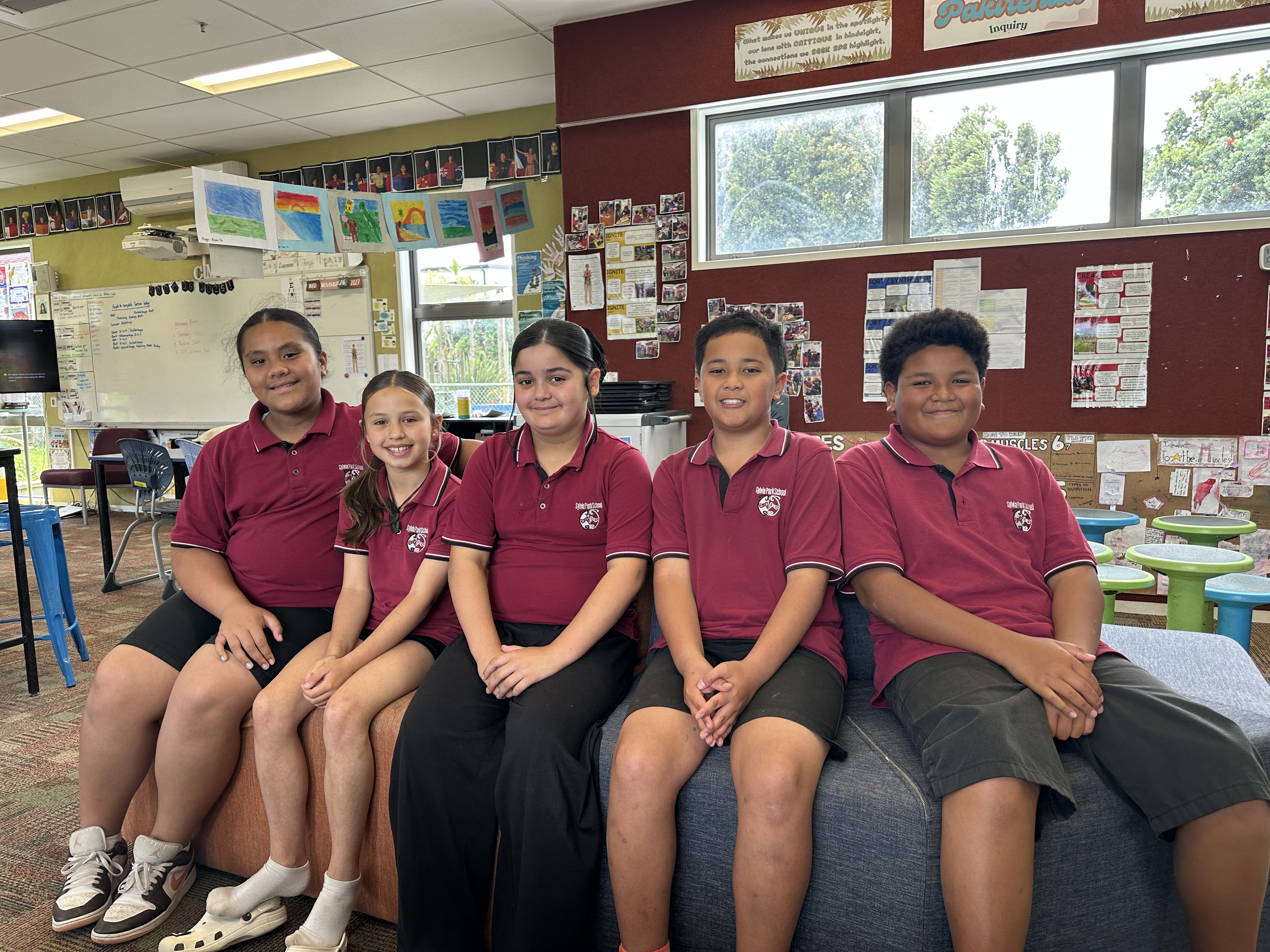
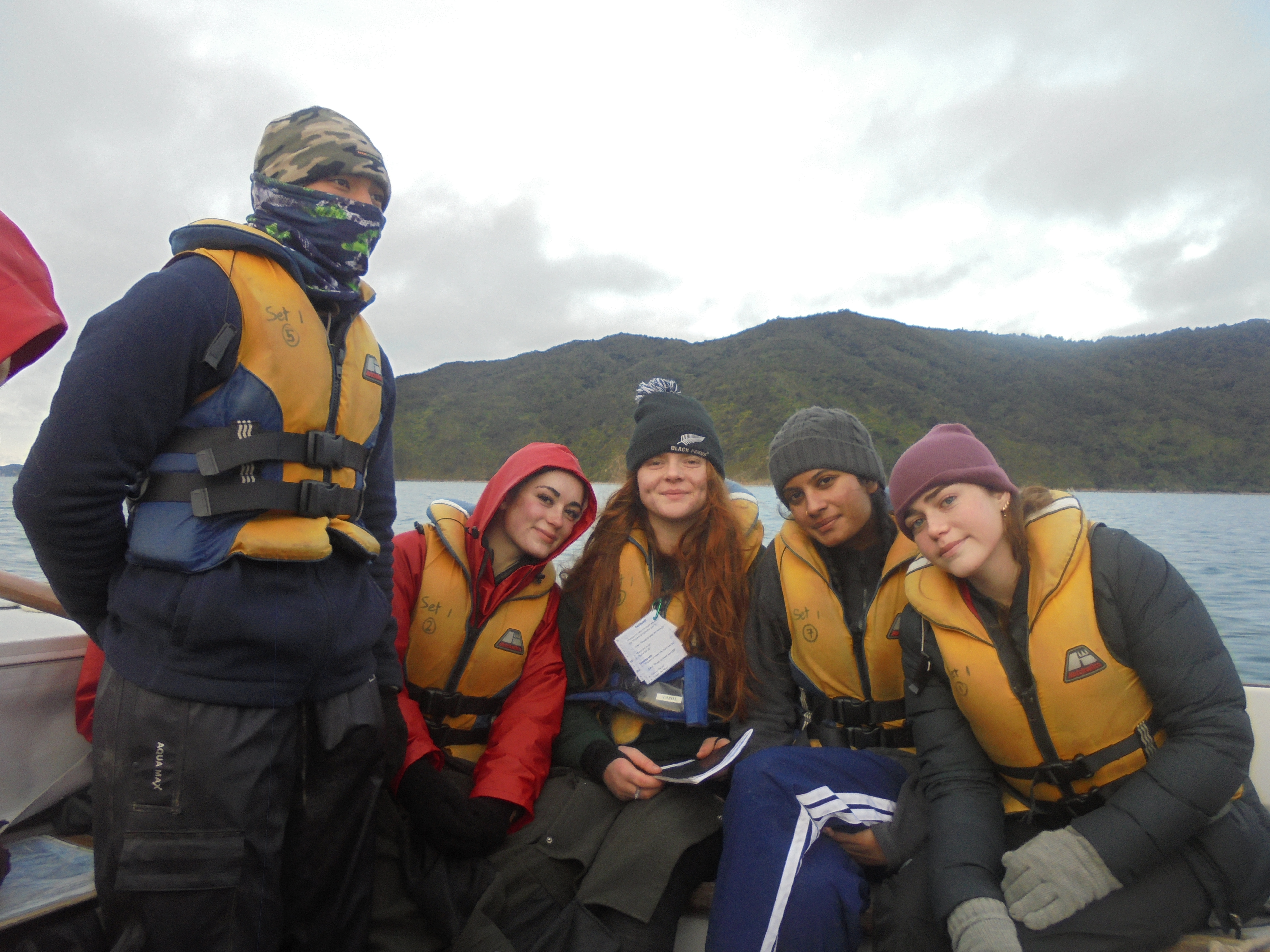
Sylvia Park School ākonga, from left, Sepi, Zara, Eva, Denzel and Saviour.
Learning through hīkoi and pūrākau
To ignite the inquiry, ākonga took part in hīkoi across local maunga, guided by Thomas Rawiri, who works alongside the Tūpuna Maunga Authority through his mana whenua-led education service, Explore Tāmaki Ltd.
For many students, the hīkoi were a turning point.
“My favourite part was going on trips because we got to go up the maunga,” says Saviour. “For example, Maungakiekie with Matua Thomas Rawiri, and he was teaching us about different things.”
Thomas says these experiences help students connect learning to place.
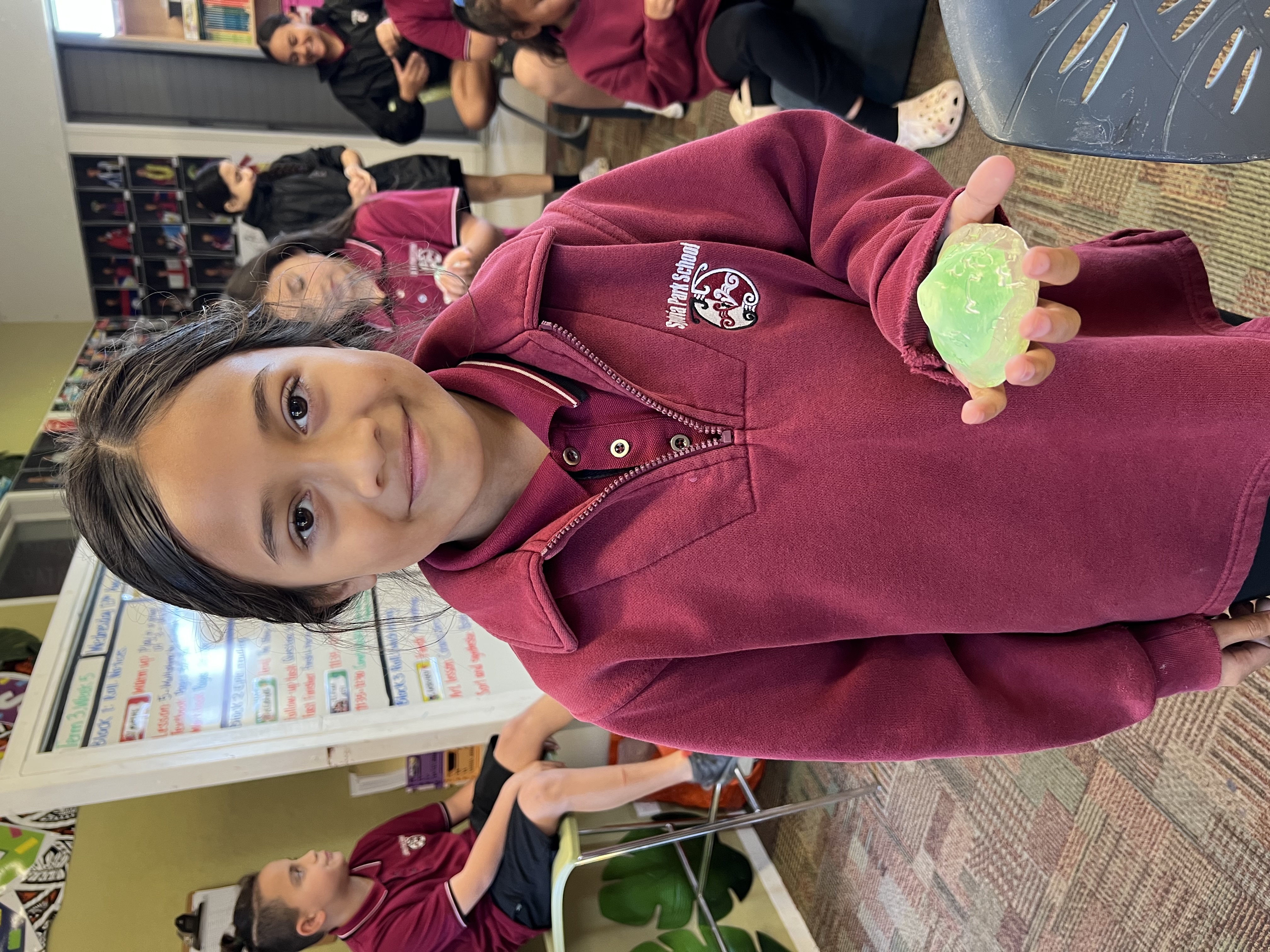
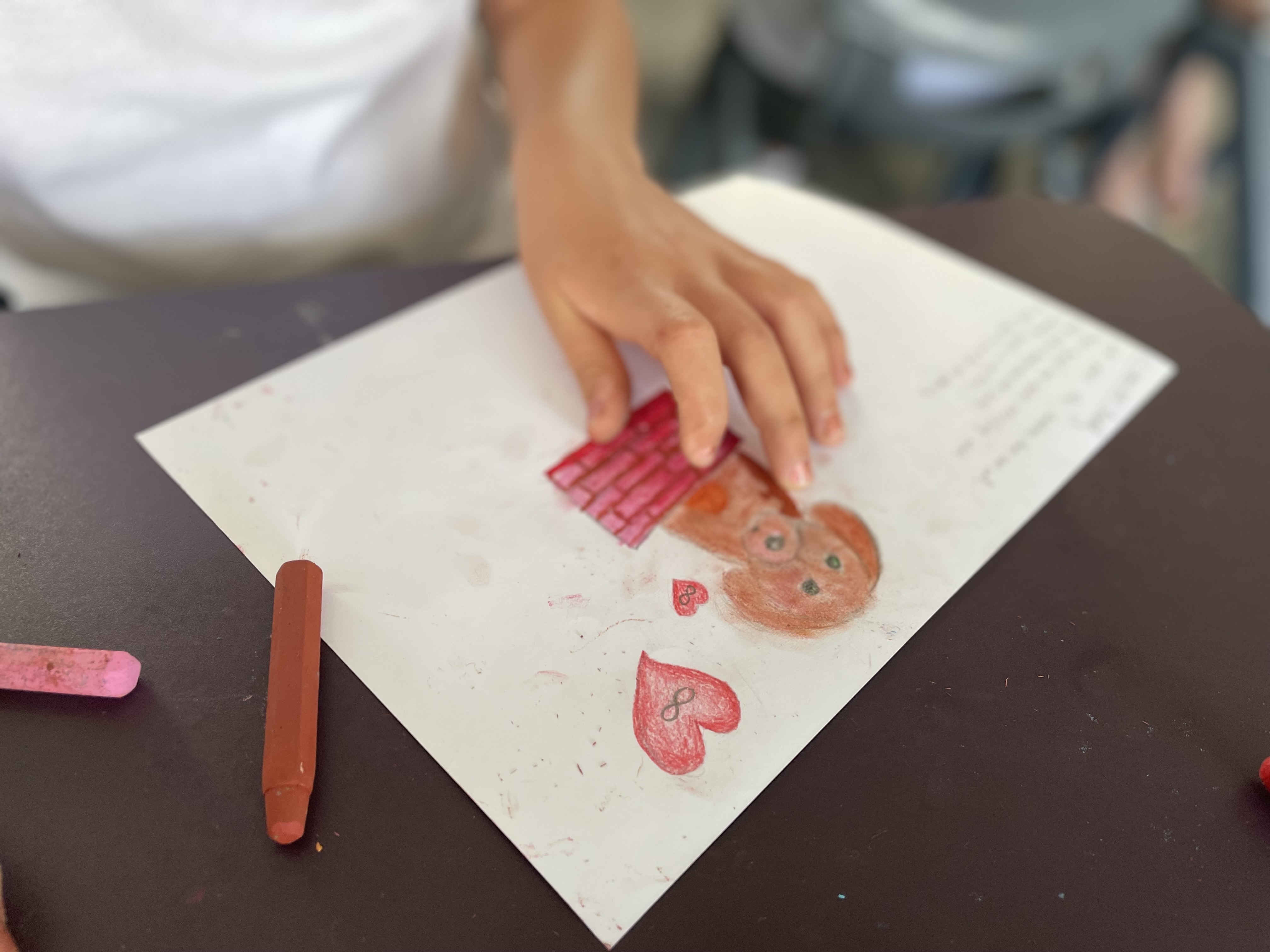
One lesson focused on modelling the four maunga using clay as shown by Sisilia, Year 3. This was in preparation for designing them in 3D using TinkerCad before 3D printing.
“Our maunga are more than landmarks, they are tūpuna,” he explains. “When ākonga learn the stories of the land beneath their feet, they gain a sense of belonging and responsibility.”
During the hīkoi, Thomas shared kōrero tuku iho and pūrākau, alongside historical and contemporary perspectives.
“We explored pūrākau such as the atua Mataaoho and the shaping of Tāmaki Makaurau, the arrival of tūpuna from Hawaiki, life on the maunga including pā, māra and mahinga kai, and the roles of rangatira and the interconnectedness between the tribes of Tāmaki,” he says. “We also discussed Te Tiriti o Waitangi, the impacts of colonisation and the collective redress that now sees the maunga protected for future generations.”
For Oriana, learning directly from mana whenua supported students to think critically about history.
“I approached it by connecting with Thomas Rawiri and learning through him what the pā site used to look like,” she says. “He had these amazing photos of what Maungakiekie was like when it was lived on, and he could tell stories about the historical significance of the maunga and how they were used.”
The physical challenge of the hīkoi also became part of the learning.
“The hardest part was walking up. It was tiring because it was a really steep hill,” says Zara. “My favourite part was probably getting to the top and seeing the view and how nice it was.”
It was also a significant moment for Eva.
“My favourite part was getting to see the maunga in person and the statue and hearing the stories about Maungakiekie. It was my first time, and it was very exciting.”
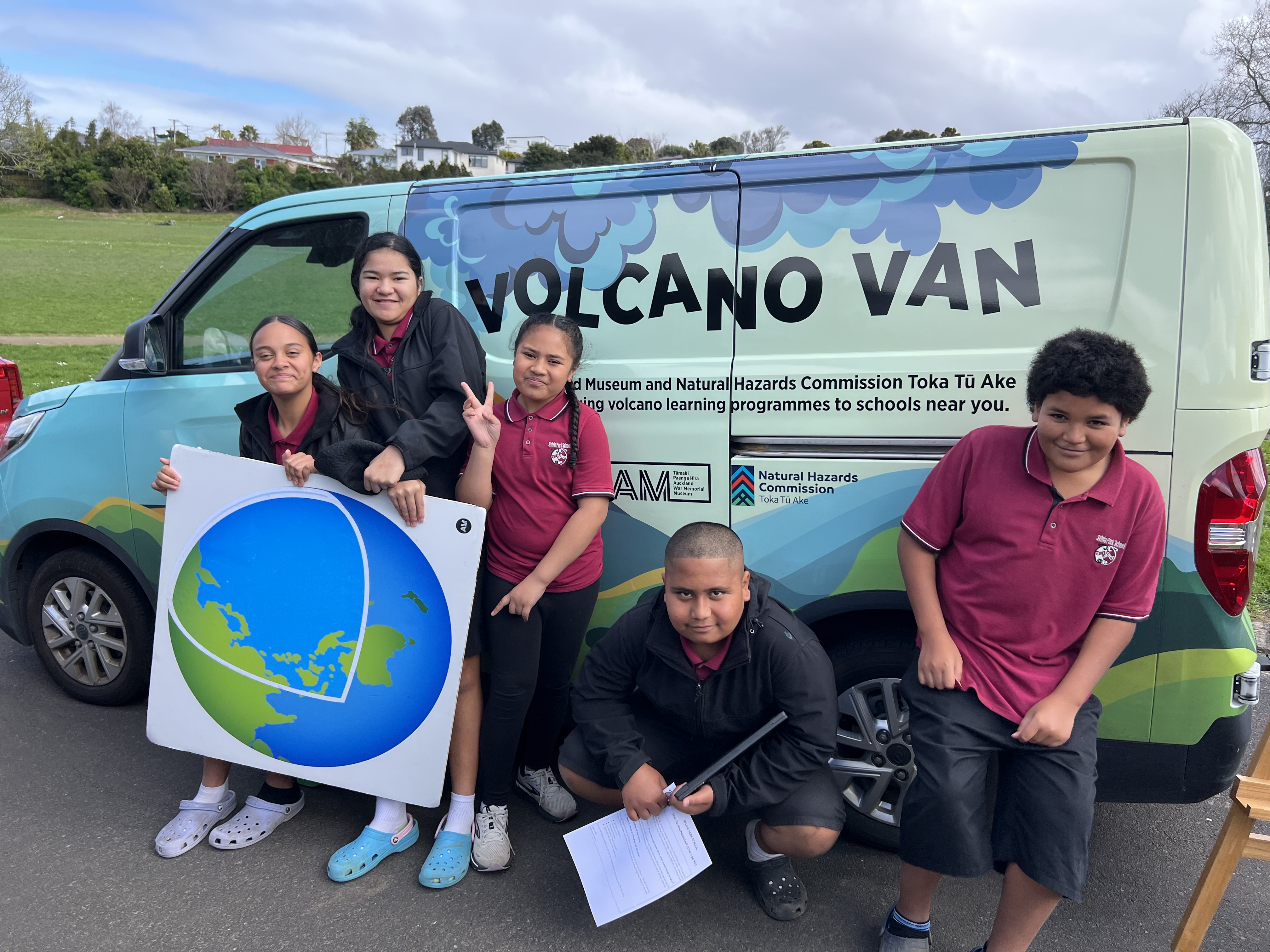
Ākonga connected pūrākau with science through classroom learning and visits from Auckland Museum’s Volcano Van.
Students also connected pūrākau with science through classroom learning and visits from Auckland Museum’s
Volcano Van.
Designing and creating learning resources
Through workshops with 3D printing company VAKA, students learned how to use TinkerCad and design for 3D printing.
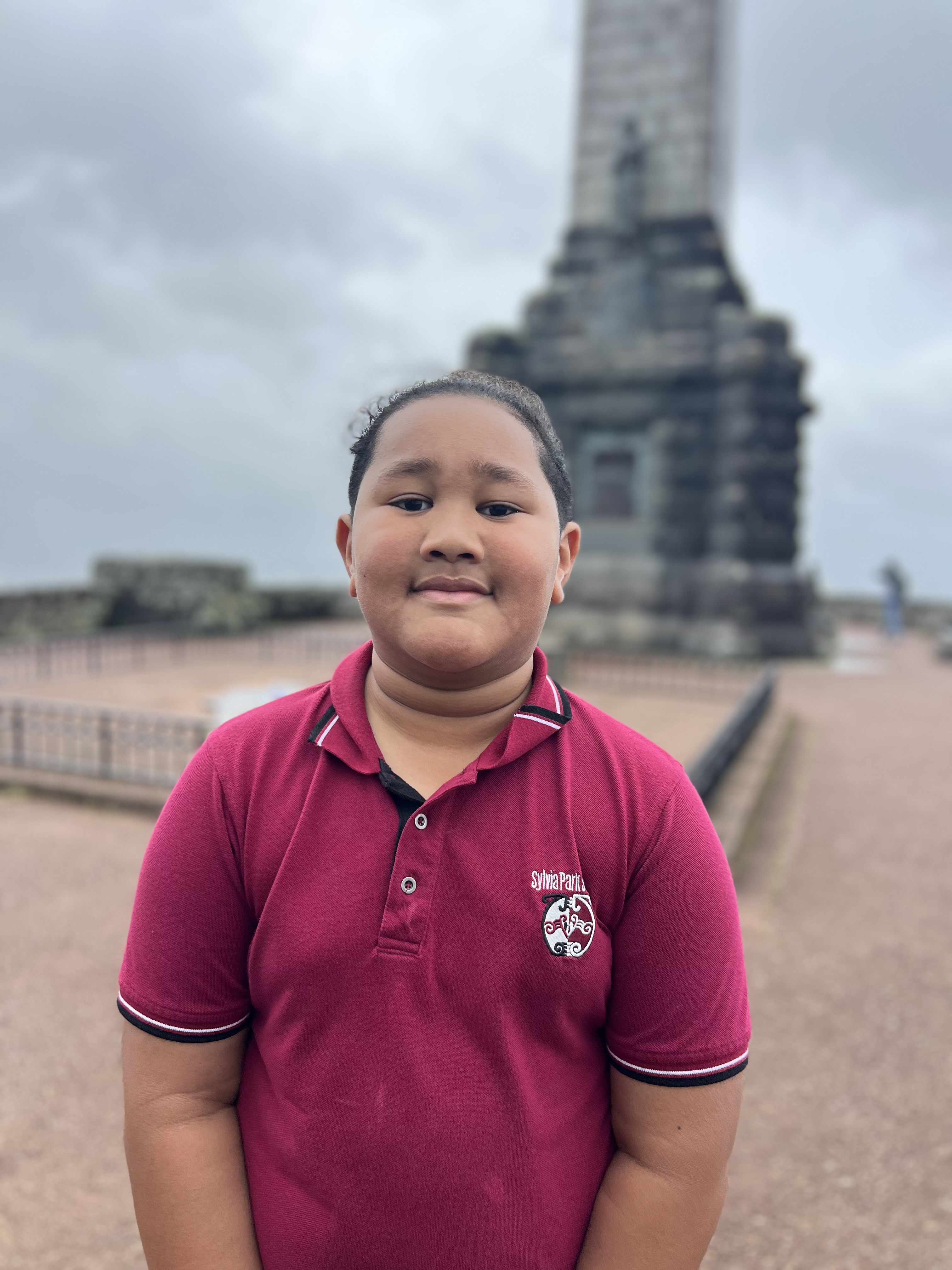
Sylvia Park School ākonga Jaylon on Maungakiekie.
“My favourite thing was doing our taonga,” says Zara.
“We made taonga that represented our cultures. We could pick a design, and then pick a pattern.”
Denzel valued the practical skills.
“My favourite part was learning new skills that could be useful. So if you wanted to be a 3D designer, for example, those skills that the VAKA staff taught us could be useful.”
Eva says seeing their designs come to life was exciting.
“My favourite part of this COMET project was the Maungakiekie trip and printing our own taonga and
maunga.”
Students also designed a large, double-sided jigsaw puzzle to help others visualise pūrākau, history, and characters connected to the maunga. The 3D printed items will become shared resources to sit alongside the inquiry plan and be used by other classes and schools.
“I wanted the outcome to be something that could be shared among schools,” says Oriana. “I think it should be a shared resource that goes to other schools that might want to learn about local maunga that are important not just to their area, but to their students.”
Connecting learning to the wider world COMET supported the project by connecting the school with industry partners, including engineers and architects from GHD Engineering.
“That’s what we’ve done for 25 years,” says Katheren Leitner, chief executive of COMET. “We work with schools that recognise the value in inquiry-based learning and giving young people agency.”
Students visited GHD’s Auckland office to present their learning.
“My favourite part was how we got to go to GHD Engineering and how they helped us,” says Sepi. “We got to meet Emma and talk to her, and she told us how engineering works, and how water engineering works
at GHD.”
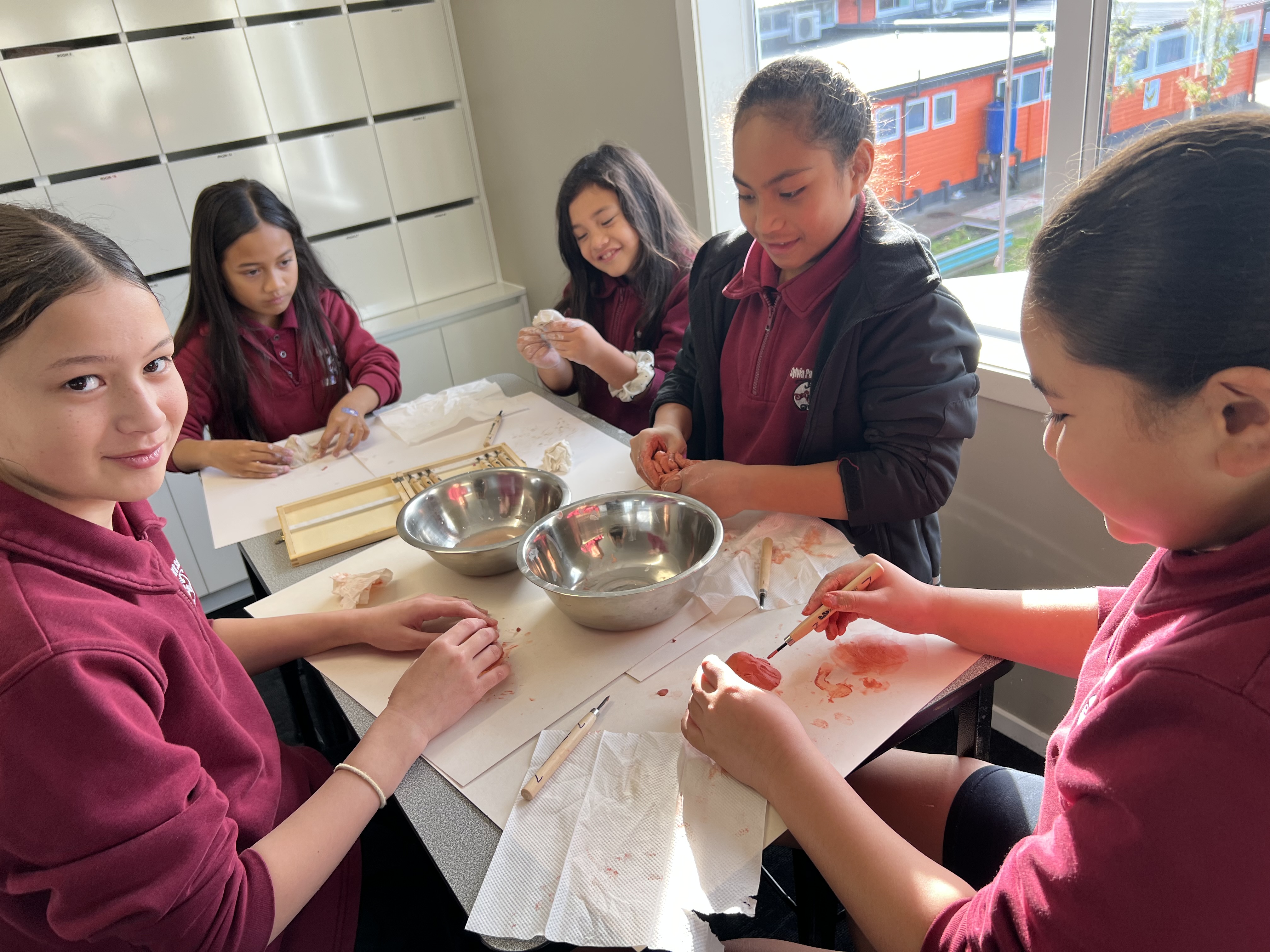
Activities were interactive so everyone could learn together.
“The standout for me was seeing all of these young people stand with so much confidence and speak with so much credibility in a really intimidating space,” says Katheren. “They were presenting in a room probably three or four times the size of their classroom, facing professionals they didn’t know, and they were incredible.”
Ākonga then rotated through four stations.
“They moved around a water engineer station, a geotechnical engineer station, an architect station, and a transport station. Their work and their questions were incredible,” says Katheren. “When I left, the team told me they were shattered because the students asked such great questions and made them think hard. That’s what we aim for.”
Oriana agrees.
“I knew the students were going to be amazing at presenting because they live and breathe it here at our school,” she says. “But they blew it out of the park. I was there running the slides, but I wasn’t the one running the show. They were, and that was really amazing.”
Learning that lasts
Working across year levels was one of the strongest features of the project.
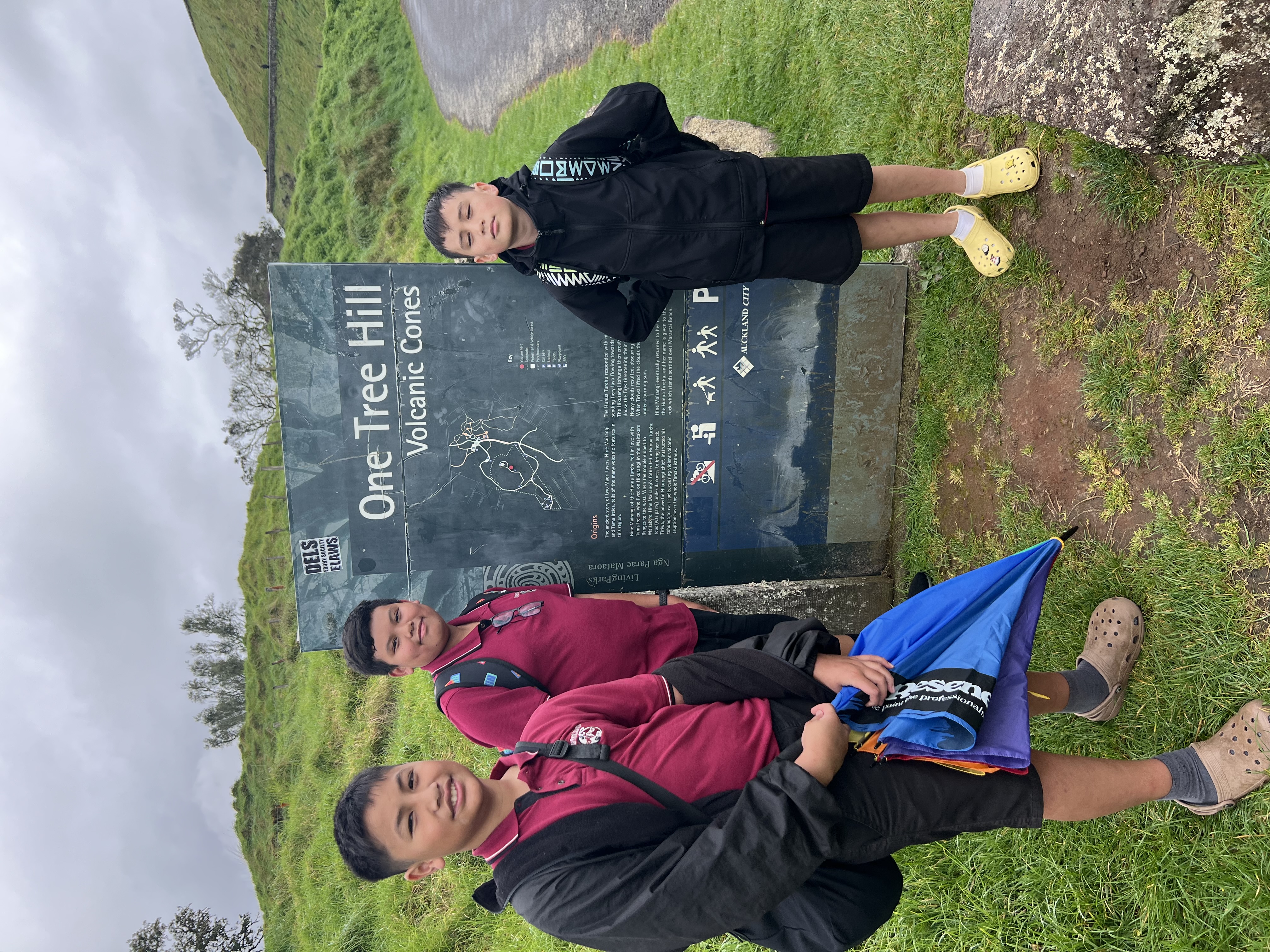
Ākonga took part in hikoi to local maunga to ignite the inquiry.
“One of the highlights that the students and whānau brought up was that they really loved working across year levels,” says Oriana. “The older students were helping the younger ones, and the younger students were coming up with these dream-big ideas.
“I didn’t really differentiate for year levels. I planned activities in an interactive way so everyone could learn together.”
Feedback from whānau showed tamariki were taking learning home.
“A lot of parents said that when they’re driving around and their child sees a maunga, it sparks a conversation,” says Oriana. “They’re explaining what they’ve learned.”
Zara shares one of the earth science activities where ākonga learned to identify parts of volcanoes and what makes them active.
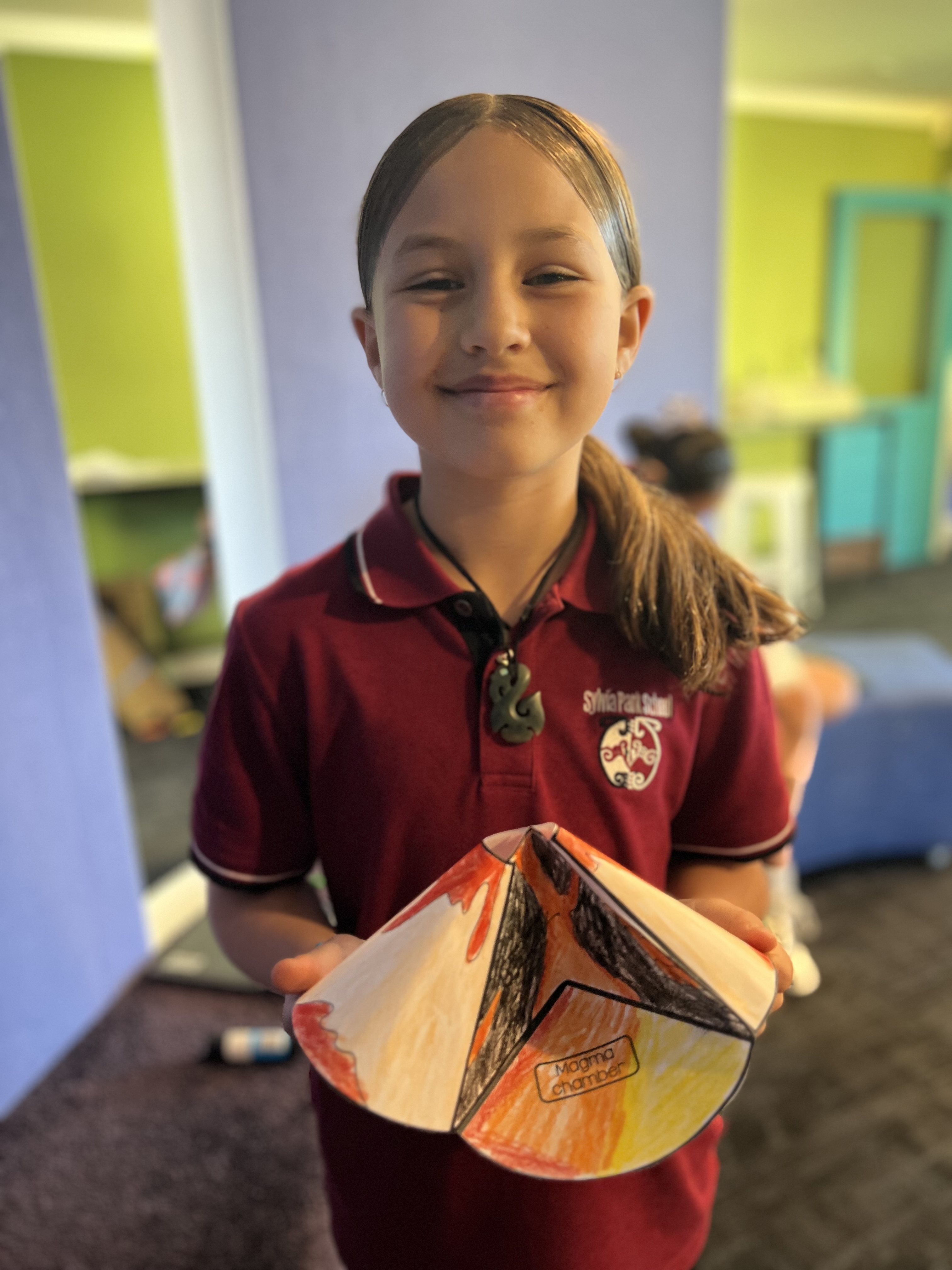
Zara shares one of the earth science activities where ākonga learned to identify parts of volcanoes and what makes them active.
For Thomas, this is the impact that matters.
“I love seeing the pūrākau come to life through the children’s imagination. When tamariki realise that these places and stories belong to them too, and that they are part of the continuum, their confidence grows,” he says.
“Many of the students were visiting their maunga for the first time, and watching their confidence grow as they shared pepeha, asked questions, and made connections was incredibly rewarding.”
Ākonga Zara and Saviour share their favourite pūrākau
“My favourite pūrākau is where all the maunga were fighting over a maunga called Pīhanga,” says Zara.
“And, in the end, Tongariro won, ending with Pīhanga as his wife. And then they got to live really close. And then Taranaki went to be all by himself, away from everyone, because he was so sad.”
After Zara finishes, Saviour adds: “His love was so strong for Pīhanga that on his journey away from her, he kept turning back and tears fell from his face, which created a river, the Whanganui.”