Challenges and change push limits and growth at Outward Bound
For almost 65 years, Outward Bound’s New Zealand school has been teaching leadership by instilling resilience and confidence. Four Wellington Girls’ College students recall how their three-week experience in the depths of a Marlborough Sounds winter challenged them, and what that has meant for their outlook and futures.
Senior Wellington Girls’ College student Shreeya had never heard of Outward Bound when an email about a course arrived in her inbox.
“I was getting bored with everyday life, waking up for school and then coming home and studying. I needed a change, a huge one for that.” She knew the course described in the email would push her outside of her comfort zone – exactly what she wanted.
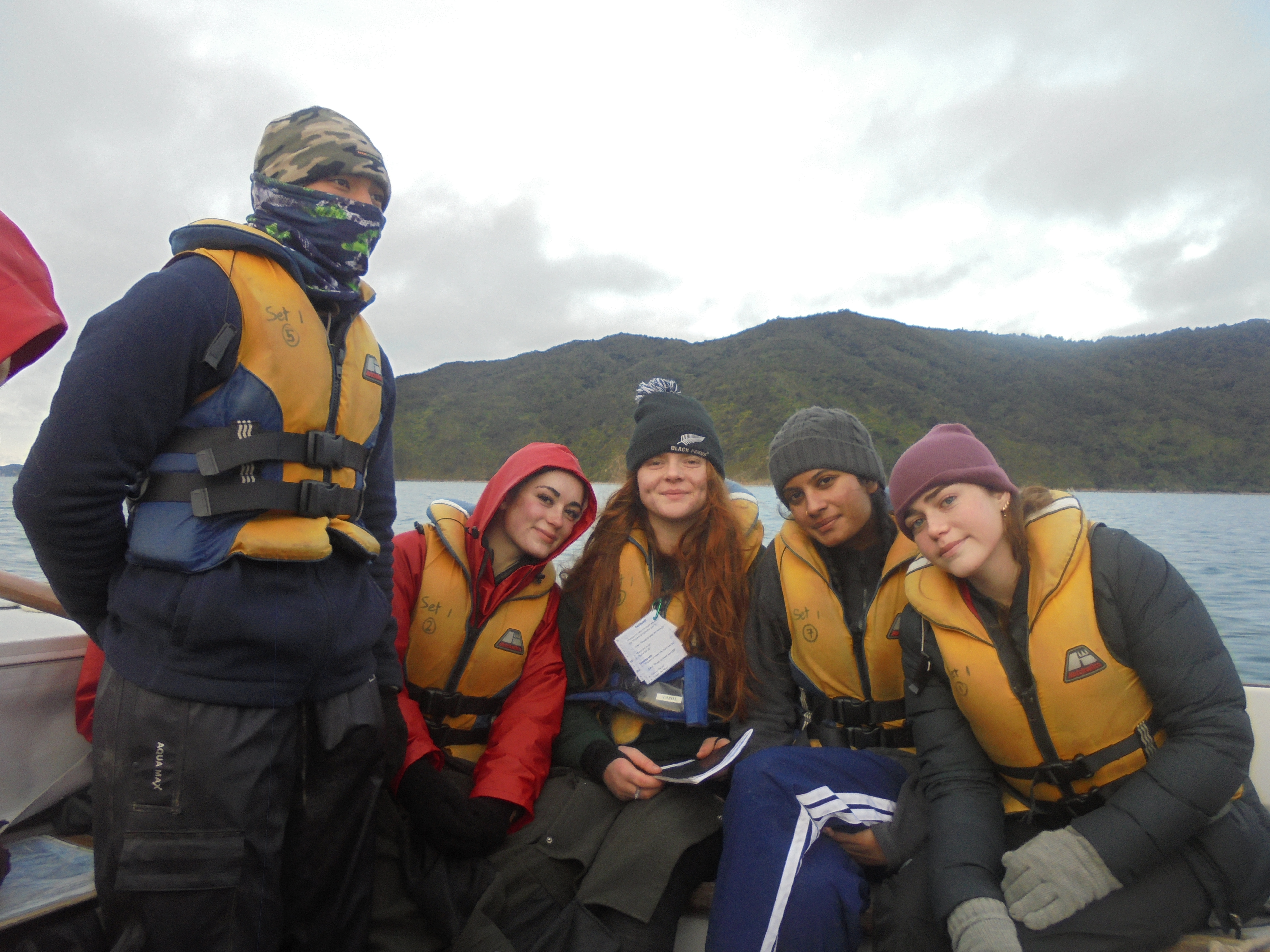
Wellington Girls’ College students during their 21-day Outward Bound course.
Shreeya and three fellow Wellington Girls’ students took part in a three-week course for rangatahi at the Anakiwa based school in July last year.
Suddenly, they were waking up to a three kilometre run followed by a dip in the chilly sea, and then working as a team to clean their sleeping areas. If the group failed to meet the high cleaning standards, they had to repeat the whole morning routine.
Outward Bound courses challenge students’ whare tapa whā: whānau (family and social), tinana (physical), hinengaro (mental and emotional) and wairua (spiritual).
Student Korimako says her taha whānau was tested by having to work closely with rangatahi she had never met before. Her taha hinengaro and taha wairua were pushed as she had to “deal with pressure, face tight timeframes, and keep going even when it got tough”.
“And of course, my taha tinana was constantly challenged through all the tramping, sailing, and physical challenges. It was hard, but I kept reminding myself that I am capable.” Shreeya learned that effective teamwork means everyone has to contribute, stay organised, and hold each other accountable. “If one person slacked off, the whole group paid the price, but when everyone put in effort, we achieved success together,” she says. “Success is rarely achieved alone.”
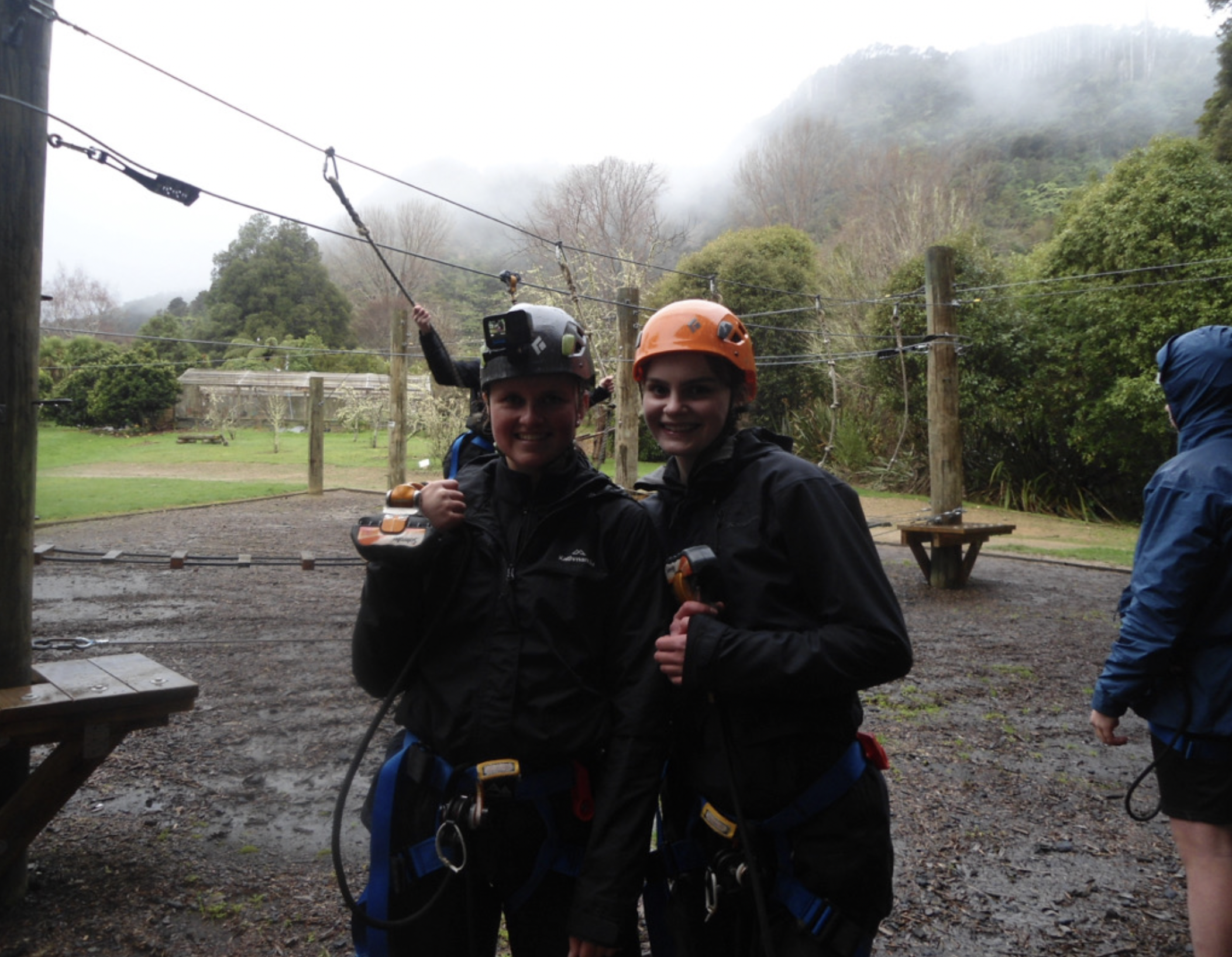
Wellington Girls’ College students at Outward Bound.
Disconnecting to re-connect
Outward Bound was established in Wales in 1941 and now has 37 schools worldwide. Outward Bound New Zealand has been running courses from its school near Picton since 1962. This year, it will hold five three-week courses for rangatahi aged 16 to 18. They also offer one-week courses for this age group, as well as 13- to 15-year-olds accompanied by a parent or caregiver.
Through their activities, students gain valuable soft skills that support their transition into adulthood and help build community, says Outward Bound community development leader Krishan Kumar.
Technology is also removed from students’ lives for the course’s duration – disconnecting to re-connect.
“I had never been away from home for a long period of time and especially without my phone,” student Olivia says. Although she felt homesick, Olivia says she found strength, reassurance and belonging in talking about this with her adopted family for those three weeks.
With early mornings and long days, the tauira had to ‘dig deep’ and keep going. On some days, they would be walking for eight hours in tough physical conditions. But they learned to keep pushing – one foot in front of the other with their teammates puffing beside them.
Student Keiana says relationships were built with fellow participants through the shared challenges. She speaks of an uncomfortable and cold climb up the 1,000-metre Mt Cullen, after which the group giggled together over a hot meal in the evening.
Learning leadership
Encouraging the students to be leaders is another key aspect of the course. Olivia took on the role of leader during the tramping trip by planning the route, making the main decisions and keeping her group motivated.
“It was hard being in charge of everyone, especially when I was tired and sick of walking, but it taught me that leadership is about listening, staying calm under pressure, and bringing out the best in others,” she says.
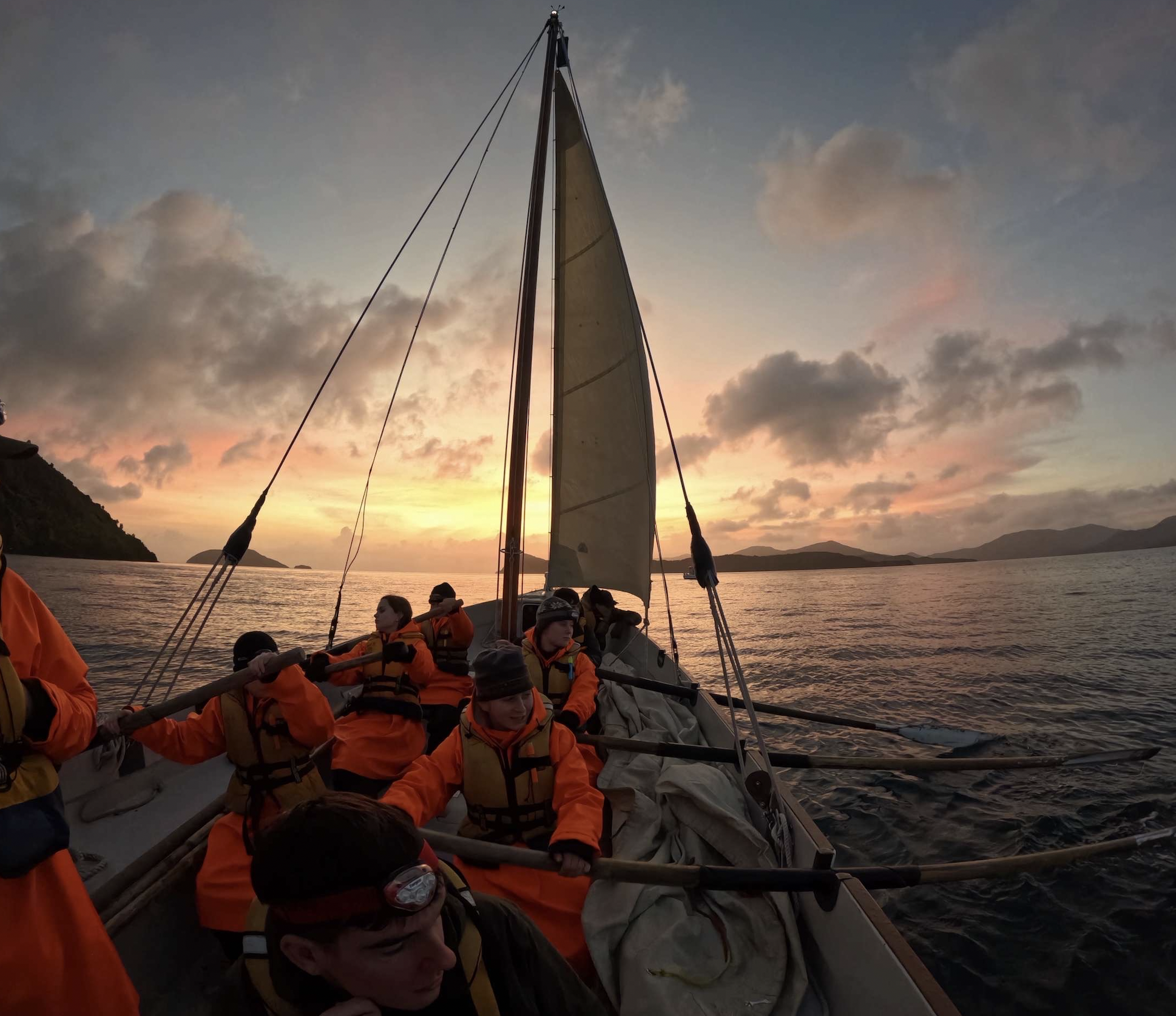
Time on the boat was one of Shreeya’s favourite parts of the course.
During tramps, instead of spreading out because of different walking paces, the group stuck together, sharing both words of encouragement and the weight of gear.
“That showed me that real teamwork means putting the group’s success above your own comfort,” explains Olivia. As she moves into a university hall of residence this year, she says she now has the confidence to communicate with different personalities.
Shreeya’s leadership ability was strengthened as she took on the role of camp cook, feeding 11 hungry students each night.
Success is rarely achieved alone
“Taking on this responsibility taught me that leadership isn’t always about being the loudest or most visible person – it can also mean stepping up in practical ways that support the group,” she says.
“I learned that good leadership requires organisation, patience under pressure, and making sure the needs of others are met before your own.”
Sailing was where the importance of teamwork really shone for the ākonga.
“None of us really knew what we were doing at the start, and it was frustrating when things went wrong. But we had to rely on each other to get the sails up, steer, and keep moving forward,” says Olivia.
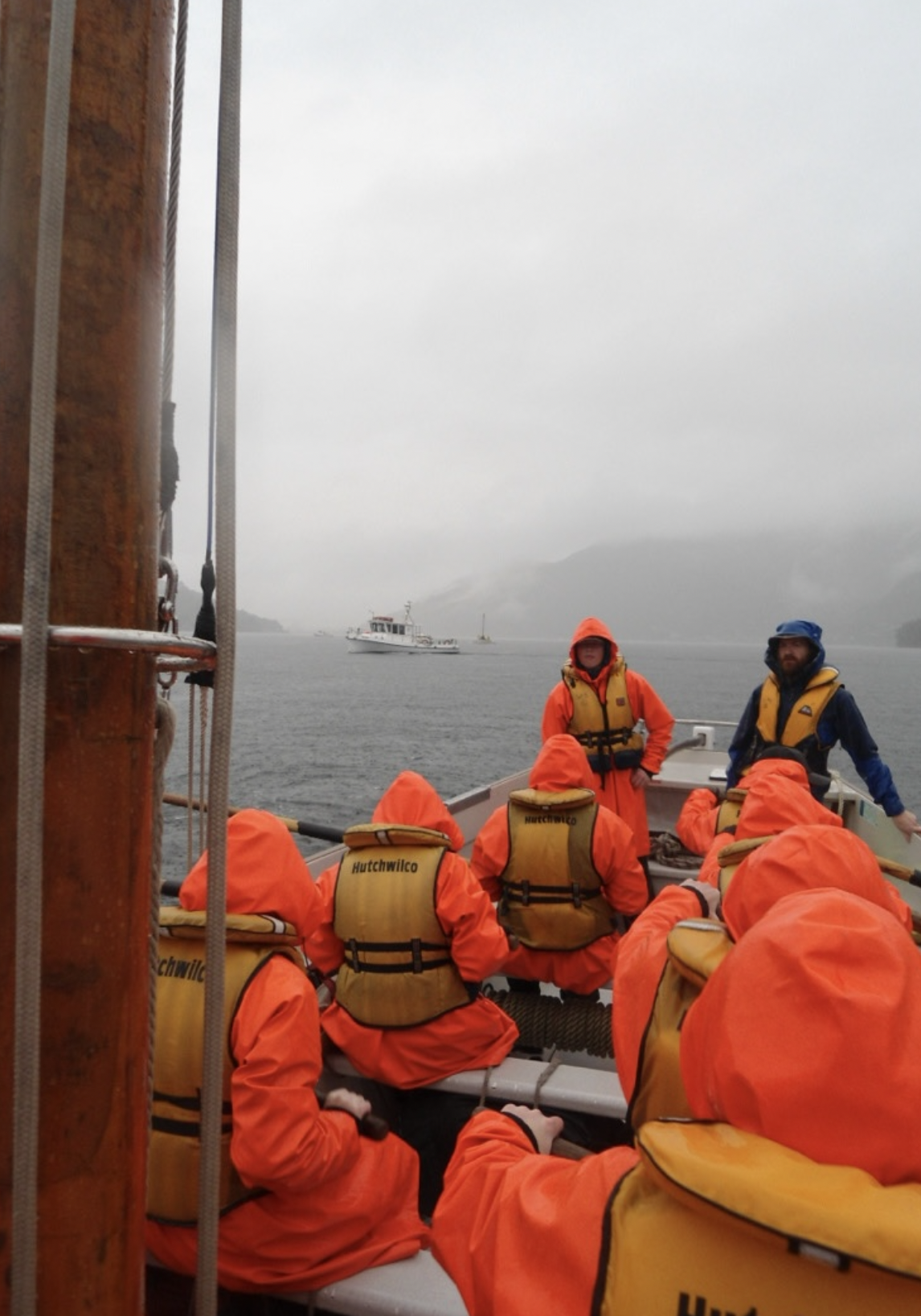
Teamwork was essential to move the Outward Bound boat in windless and wet weather conditions
With 12 people on the boat, only three could rest at a time, and everyone had to match their coordination and row in time with each other. If they didn’t, the boat wouldn’t move at all in the windless and wet weather conditions.
“It taught me that teamwork isn’t about everyone being perfect – it’s about supporting each other, communicating clearly, and staying positive even when it’s hard,” Olivia adds.
This sailboat mission ended up being one of Shreeya’s favourite parts of the trip. Not the eight hours of rowing, she clarifies, but the camaraderie on board, when a guitar came out, and everyone’s voices joined together in song.
Mā te wā
When students ask instructors what was next in their schedule, they are answered with ‘mā te wā’: “Time will tell.”
Krishan explains this phrase is used to encourage tauira to be open to the unexpected and lean into their own skills to cope with this change or challenge.
This ‘live in the moment’ stuck with Korimako. “It’s great to look forward to what’s next, but it’s equally important to unwind, breathe, and appreciate the now and acknowledge what’s right in front of you.”
One of those unexpected challenges was significant flooding in the Marlborough region last winter. As supporting the community is another key aspect of Outward Bound courses, the students cleared a damaged track, built a bridge, cleared campsites of debris, and re-dug flooded drains.
They say it felt good to give back and see that even a small contribution of their time could have a big impact on the wider community.
“It also gives you a break from everyday distractions like phones and social media, allowing you to connect more deeply with the people around you,” says Olivia.
For more information about Outward Bound and courses for rangatahi aged 16 to 18 in 2026, contact Krishan Kumar or look at ‘teen courses’ on their website.
Email: [email protected]