Supporting wellbeing through aroha at Te Rōhutu Whio
A year after establishing the unique Kaitiaki o Aroha role, Te Rōhutu Whio is seeing the difference that dedicated relationship-building, practical support and a focus on belonging can make for tamariki, whānau and staff.
When Te Rōhutu Whio opened the permanent Kaitiaki o Aroha position last year, it was looking for someone to “sprinkle aroha, care and connection throughout the kura”.
A year on, principal Katarina Morgan says the role has become an integral part of the growing Rolleston kura, helping strengthen connections and wellbeing across a school community of more than 40 kaimahi, and 370 Year 1–8 students and their whānau.
“We recognise that some tamariki and whānau need more than traditional school-based support,” says Katarina.
“Barriers to learning and attendance are not always academic. They can be connected to trauma, anxiety, family circumstances, being unable to navigate the New Zealand social system, a lack of belonging, difficult past experiences with education, or simply needing someone trusted to walk alongside them.”
The school created the role to provide a dedicated person whose purpose is to notice people, build relationships and offer practical support before challenges become significant barriers.
Now held by registered social worker Lexi Manera, the position sits alongside tamariki, whānau and staff, acting as both a connector and advocate within the school community.
The role can include accompanying whānau to appointments, helping families navigate support services, running friendship groups, supporting attendance, and checking in with staff wellbeing.
Bringing school values to life
Katarina says the Kaitiaki o Aroha role reflects the values that underpin Te Rōhutu Whio.
The school’s commitment to manaakitanga is demonstrated through practical care, whether that means delivering food and clothing parcels, supporting families to access services, or accompanying whānau to appointments.
Whanaungatanga is strengthened through trusted relationships, while kotahitanga is reflected in the way the role works alongside agencies and wider support networks around a child or family.
The role also supports rangatiratanga by helping people regain confidence and agency, and kaitiakitanga through a focus on protecting and nurturing the wellbeing of the school community.
“The Kaitiaki o Aroha helps ensure our values are not simply words displayed around the school,” says Katarina.
“They are felt in the way staff and whānau are welcomed, supported and cared for.”
Walking alongside whānau
For Lexi, the role is less about solving problems and more about building relationships.
“I would describe my role as being someone who sprinkles aroha and care throughout the school,” she says.
“I am here to notice people, listen and help tamariki, whānau and staff feel that they belong.”
No two weeks are the same. A day might begin by greeting tamariki and whānau at the school gate before checking in with students who are finding school attendance difficult.
Other days involve helping families access support services, attending meetings, supporting friendship groups, checking in with staff, or spending time with a child who needs a trusted adult.
“It is important that tamariki, whānau and staff know where to find me and feel comfortable approaching me,” says Lexi.
“I begin by listening and taking time to understand whānau. I try not to make assumptions or approach the relationship with a predetermined solution.
“My role is not to tell people what they have done wrong. It is to work alongside them and ask what might make things easier.”
Strengthening belonging
Belonging is a key focus of the role, and in turn, the school hopes this will lift attendance. Katarina says improving attendance starts with understanding why a child is absent in the first place.
“We need to understand what sits underneath a child’s absence,” she says.
That might include anxiety, health concerns, transport difficulties, difficult experiences, family stress or a child who no longer feels connected to school.
“The Kaitiaki o Aroha begins by building trust and listening,” says Katarina.
“When whānau know there is someone at school who cares about them, will welcome their child without judgement and help find practical solutions, it becomes easier to reconnect.”
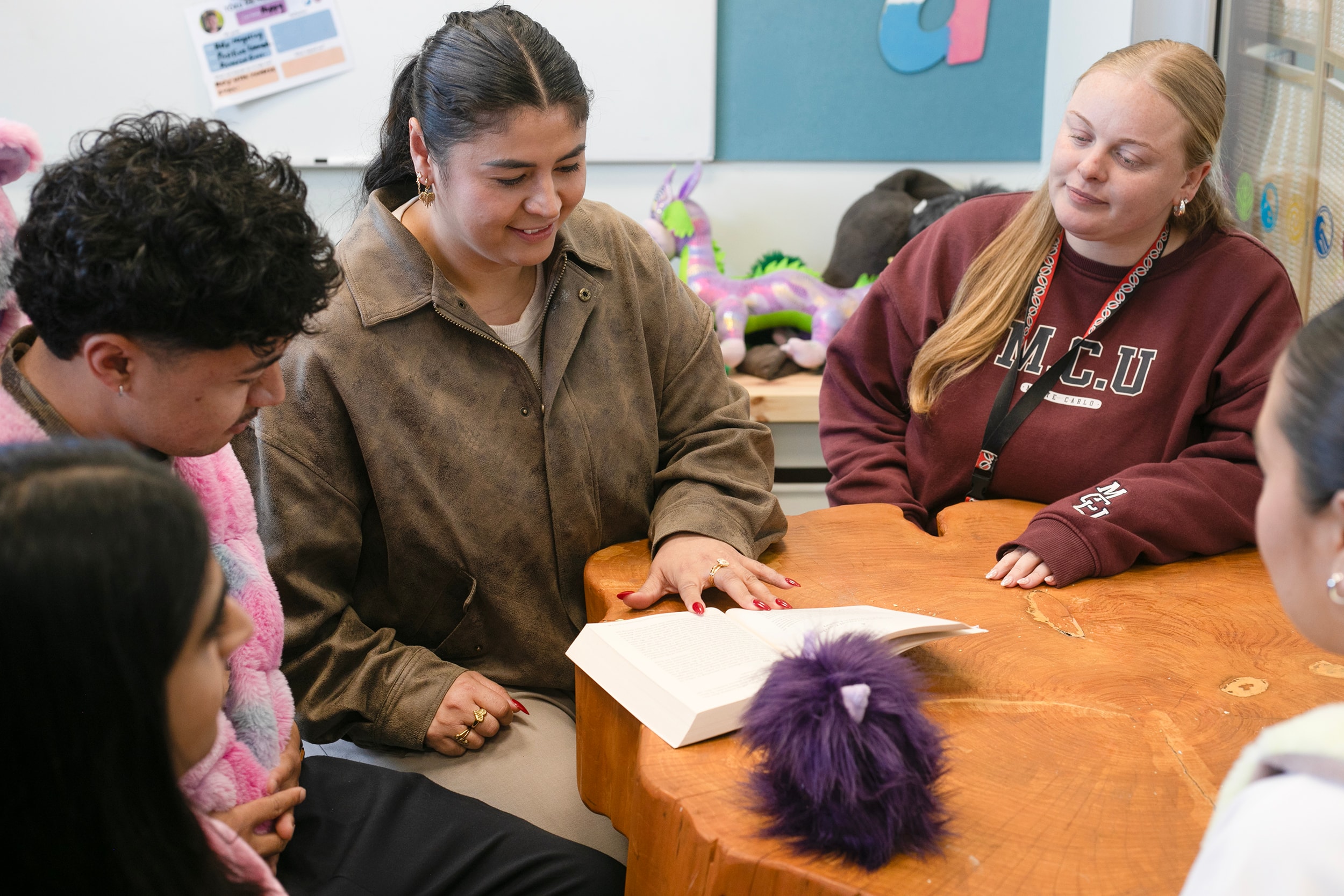
Lexi recalls supporting a child who was struggling with friendships, unstructured break times and a challenging situation at home.
The support began with regular check-ins and conversations with the whānau. Lexi helped establish a friendship group, identified trusted adults and safe spaces within the school, and worked with the family to develop a consistent morning routine.
She also connected the family with practical supports, including budgeting assistance and clothing.
“Over time, the child became more confident with the morning routine, developed stronger connections and began looking forward to coming to school again,” she says.
For Katarina, the outcome reflects a series of small, consistent acts of care.
Caring for those who care for others
The role also extends beyond tamariki and whānau to include staff hauora.
“Schools are caring environments, but they can also be emotionally demanding places to work,” says Katarina
“We cannot expect staff to continually pour care into others without also ensuring that they feel cared for themselves.”
In many cases, Katarina says staff opt to connect with the Kaitiaki o Aroha as their first port of call.
Whether that involves a conversation, practical support, encouragement or simply sharing a cup of tea, Katarina says these gestures can have a significant impact.
“It has contributed to a culture where care, kindness and checking in with one another are seen as important parts of our work, rather than optional extras.”
Relationships first
Reflecting on the first year of the role, Katarina says one of the biggest lessons has been the importance of taking time to build trust.
“Relationships cannot be rushed,” she says.
“We have also learned that the most valuable support is not always a large programme or formal intervention. Sometimes it is greeting a child at the gate, contacting a whānau to see how they are, helping someone access support, or sitting beside a staff member who is having a hard day.”
For schools considering a similar approach, Katarina believes it is important to protect the relational nature of the role.
“It should not become overloaded with administration or become another layer of compliance … Allow the role to be flexible, because people’s needs do not always fit neatly into a timetable or job description.”
Katarina says it is also important that the person is well connected with school leadership, teachers and support services, while still being seen as approachable by whānau.
Lexi agrees, saying it is important to choose someone who genuinely loves people and can build relationships without judgement.
“Most importantly, keep aroha at the centre. The role works because people feel that the care is genuine.”