Pūhoro puts STEM opportunities on the radar for ākonga Māori in Taranaki
Pūhoro STEMM Academy’s arrival in Taranaki is connecting ākonga Māori with science and technology through a kaupapa that blends academic support, cultural identity and future-focused skills. With local schools now on board, the programme is laying the foundations for a new generation of Māori leaders in science, technology, engineering, maths and mātauranga Māori.
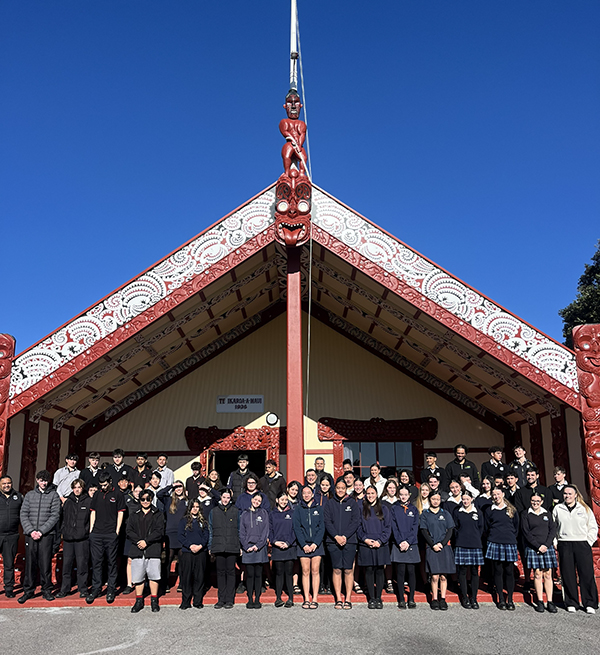
Year 11 rangatahi from across Taranaki, gather at Owae Marae to celebrate the launch of Pūhoro STEMM Academy in the region.
When Pūhoro launched in Taranaki in term 3 this year, it marked a quiet but powerful milestone – the start of a new era for Māori students exploring science, technology, engineering, maths and Māori identity together.
The expansion of Pūhoro into the region was “a long time coming,” says Liahna Smith, the Taranaki kaihautū who has helped bring the programme into local schools.
“They just wanted to provide some more opportunities, especially in that STEM space, where we don’t necessarily have those opportunities for our Māori in schools.”
Pūhoro was founded to boost Māori representation in science and technology by creating culturally grounded pathways from school through to tertiary study and employment.
“We focus on three areas to get across to our Māori that we work with: tuakiri – our identity as Māori; careers – the different types of careers that can fit within the STEM areas; and then 21st-century skills. Those are the three main focuses that we have.”
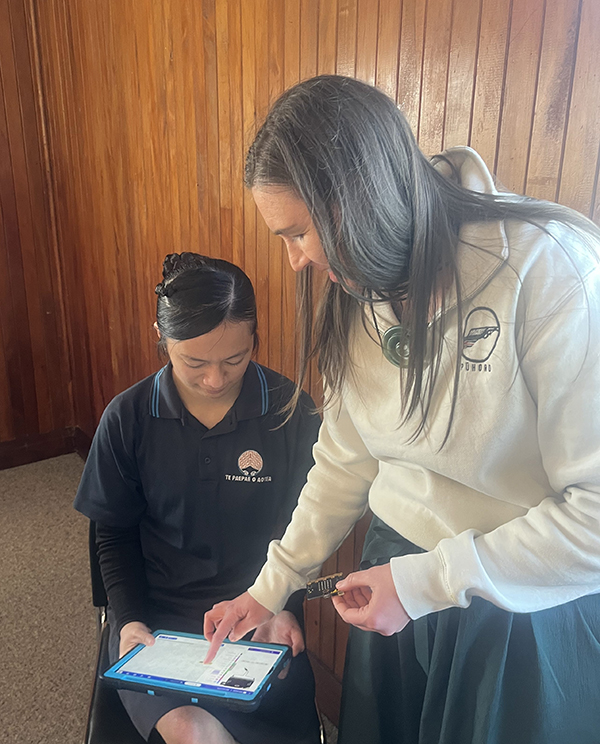
The programme is currently working with Te Paepae o Aotea, Waitara High School, New Plymouth Boys’ High School, New Plymouth Girls’ High School, and Stratford High School.
This expansion into Taranaki was made possible through a strategic collaboration with Why Ora, an organisation with a rich history of serving rangatahi Māori in the region.
With deep, trusted relationships in local kura and a long-standing commitment to building pathways for Māori into health and STEMM careers, Why Ora has played a pivotal role in opening the door for Pūhoro into the rohe. United by a shared vision to see rangatahi Māori thrive, Pūhoro and Why Ora have come together to create meaningful opportunities for the next generation.
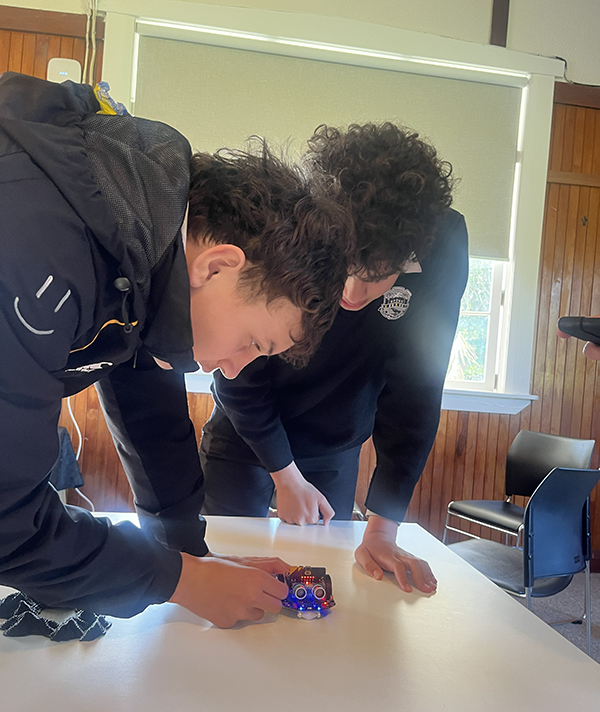
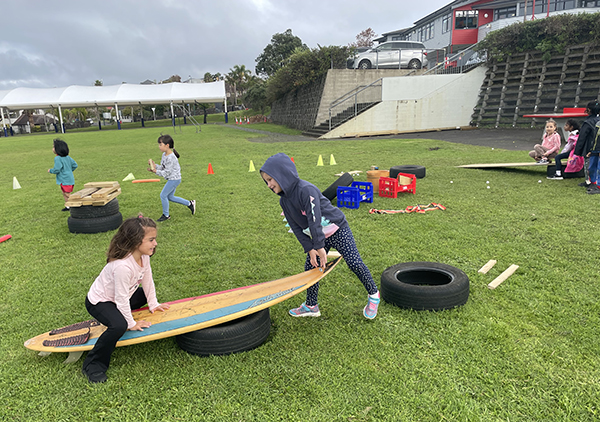
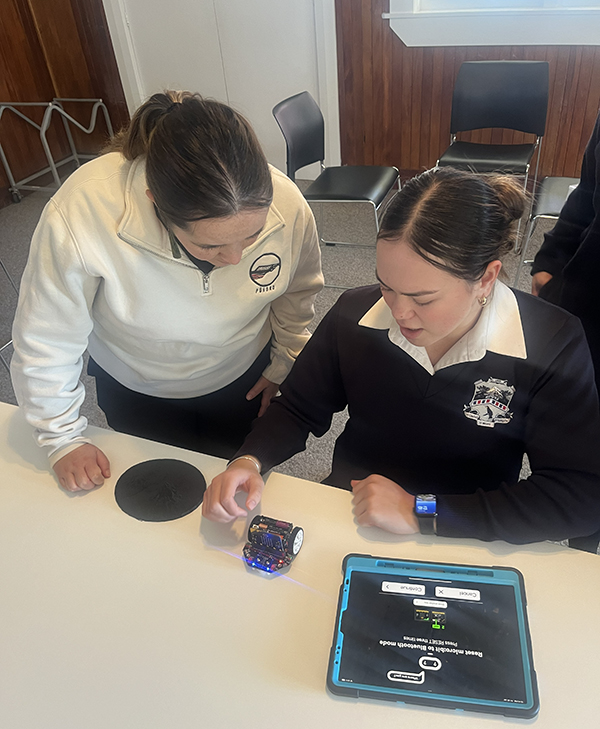
Pūhoro kaihautū and rangatahi coding microbits.
Blending identity and learning
Students in the Pūhoro Academy take part in weekly one-hour sessions that alternate between cultural identity and academic tutorials.
“So once a week we go into the schools, we get an hour block with them. It’s put in the timetable as Pūhoro. We always start off with karakia, there’s always kai at the end, and then in the middle bulk of our sessions is when we get down to the nitty-gritty side of things.”
The identity-focused sessions are flexible and shaped around the needs of each group.
“For example, what we did last term was we did some tuakiri just to get them talking a bit about their identity and being comfortable with expressing where they’re from,” says Liahna.
The academic tutorials, meanwhile, focus on helping students strengthen science and maths skills. Pūhoro run promotions in the kura, and following this process, the kura can nominate up to 15 students to join the kaupapa.
“There’s only three things that are required of them to be joining Pūhoro – that they whakapapa Māori, they are taking a science or a maths subject (or both), and that they want to be at the sessions we run,” says Liahna.
Challenges and aspirations
Moving into 2026 the focus will be promotion to get more students and schools on board and engaged. The early stages have been about building relationships and sparking curiosity. Liahna says it can be hard to get buy-in from the students.
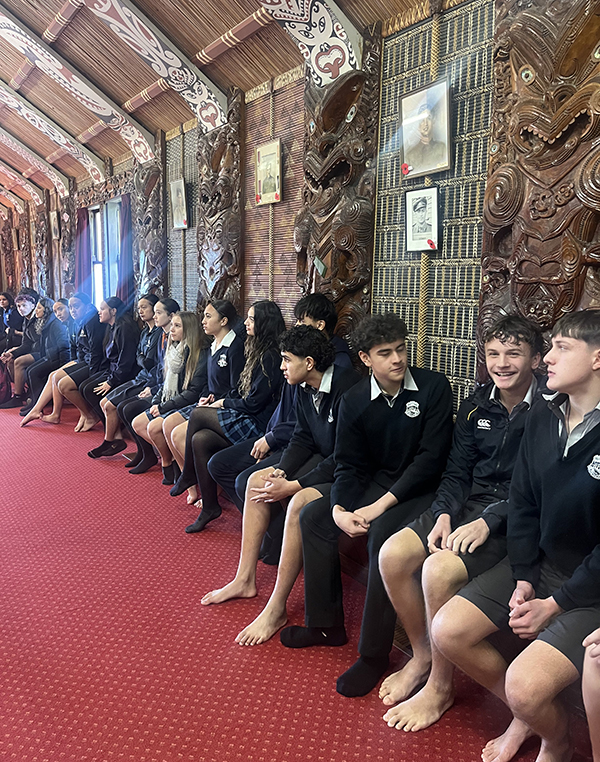
Rangatahi participate in whakawhanaungatanga.
“As the weeks went on I started to see, especially in some students, there was excitement to talk about science. They’re seeing themselves answering questions correctly and they’re so excited and then I’m excited too, because we’re learning alongside each other in these spaces.”
That enthusiasm is what Pūhoro hopes to nurture long-term – not just participation, but pride and self-belief.
“We’re very under-represented as Māori in the STEM space. So it’s about finding our identity and then also adding that excitement of what these roles could be, because they open so many different doors when you continue to take these subjects.”
Liahna says a challenge has been the fact not all schools have science and maths as a compulsory subject.
“So how do we kind of navigate that space and get them to want to take those subjects? A lot of the students don’t want to take these subjects, but they’re having to because it is compulsory or they’re having to because of the job that they want to do in the near future.
“So that is a huge goal in 2026 – to get them wanting to come back and make them realise that it can be fun and it’s exciting.”
Strong partnerships
“It’s been a long time coming in a sense, Pūhoro coming to Taranaki,” says Liahna.
Tanya Anaha, pou whakahaere of Why Ora, echoes this, saying, “it is significant for us to be bringing this relationship together ... Imagine what we could do when we come together to meet the aspirations of our rangatahi and Taranaki whānau.”
She explains that Pūhoro, Why Ora, kura and whānau all want ākonga Māori to succeed.
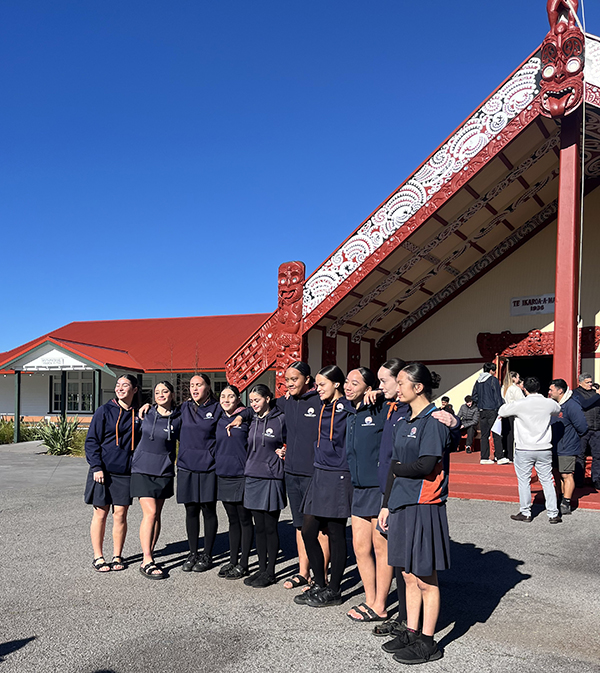
Rangatahi gather in front of the wharenui at Owae Marae.
Liahna says the most important part of Pūhoro is not just academic support, but belonging.
“We want them to feel heard and seen in these spaces,” she says.
“Because we understand that with the education system, it doesn’t work for every single person and you just can’t help that.
“It’s hard to just get them engaged at school full stop these days, so how can we provide that safe space that they want to come into, they want to learn about who they are as Māori, but they also want to learn about the STEM space?”
It’s a challenge, but one filled with possibilities, says Liahna.
The blend of culture and science gives Taranaki’s young Māori something many have never had in the classroom – a space to see themselves as both Māori and scientific.
With the groundwork now laid, the Taranaki team is focused on expanding in 2026 – bringing in more tutors, adding schools, and embedding the programme more deeply into local communities.
For a region steeped in innovation from energy to environment, the arrival of Pūhoro could mark the beginning of a new generation of Māori scientists, engineers and thinkers whose pathways begin at home.