Partnering through Te Whāriki
How relationships shape the transition to school.
For many tamariki, entering school age is a significant milestone – one that marks a period of transition between their early learning years and the next stage of education.
In Te Whanganui-a-Tara Wellington, early learning kaiako Anna Lewis and new entrant kaiako Judith Urry have spent years working together to make this transition as easy as possible – not just for tamariki, but for kaiako and their whānau too.
Anna Lewis has watched countless tamaiti hit a huge milestone – turning five or six – and with that milestone, leaving early childhood education (ECE) and starting school. But it wasn’t until her own son turned five that Anna began to appreciate just how monumental that transition is.
“The transition from early childhood education to school can have a lasting impact on a child’s confidence, sense of belonging and engagement with learning,” says Anna, who has been a kaiako at Bowen Early Childhood Education Centre for more than 15 years.
Anna’s son’s new entrant teacher was Judith Urry, with whom she quickly developed a strong rapport. “Judith helped highlight for me what a strong, supportive transition into school from early learning can look like,” says Anna, “and it’s something I want all tamariki to have the opportunity to experience.”
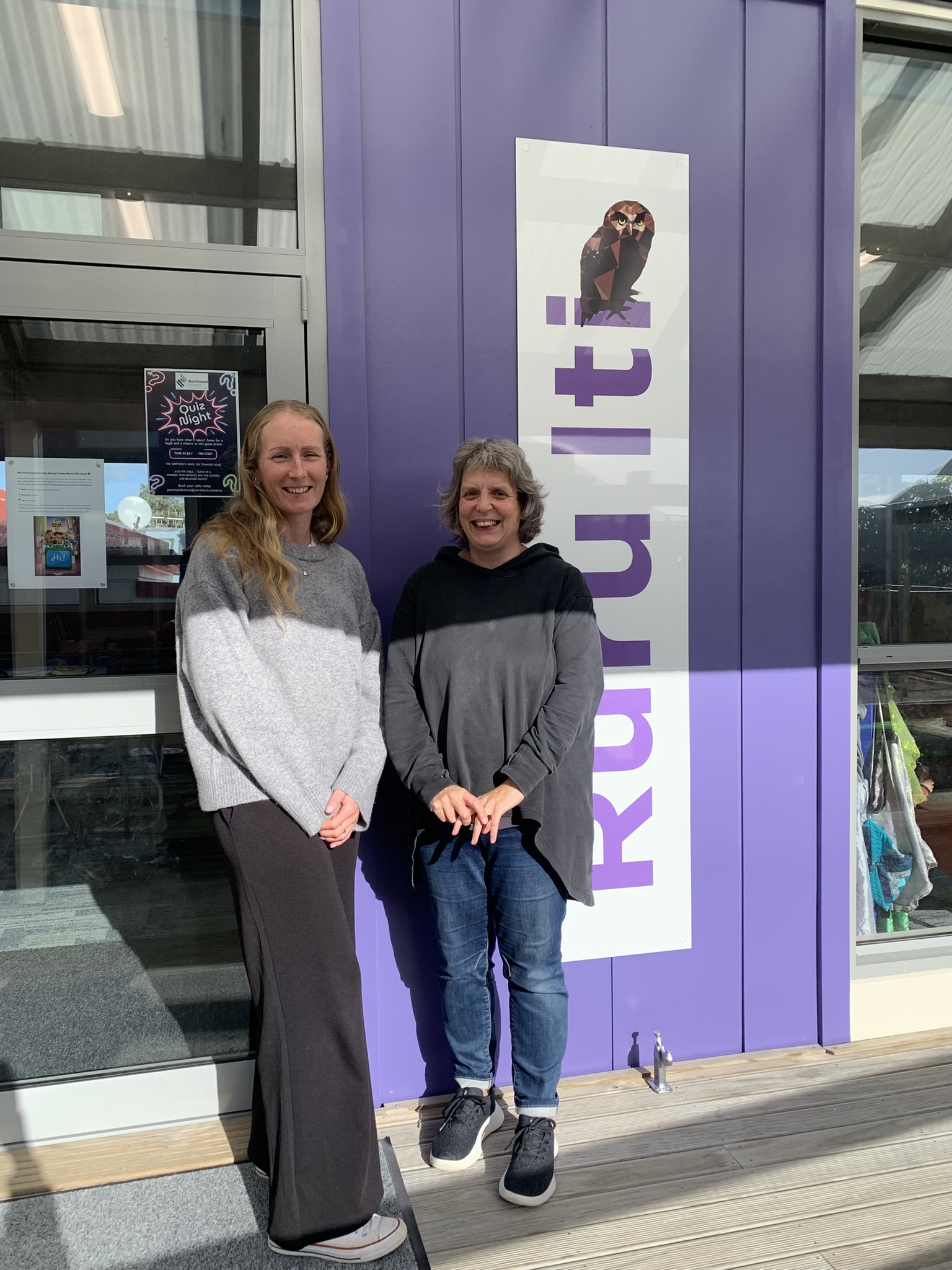
Early learning kaiako Anna Lewis, left, and new entrant kaiako Judith Urry.
Developing a transition programme
Anna and Judith began building a professional relationship based on the connections between early learning and primary school. Over the past 10 years, their careers have intersected, with both spending time in the other’s field of teaching.
“During her son’s transition to school, I visited Bowen ECE,” says Judith, “and I later spent time at the centre during my 2016 sabbatical. Following this, I wanted to deepen my understanding of children’s pre-school learning needs, so I left primary teaching for 18 months to work full-time in an ECE setting while completing a Postgraduate Diploma of Teaching (ECE).
“After graduating, I realised that my heart lay in primary. I wanted to apply my new learnings and make transitioning to school a positive, empowering experience for tamariki and their whānau.”
Similarly, Anna took leave from Bowen to work alongside Judith in a Year 0 to 1 classroom for six months; an experience Judith describes as having “significantly strengthened our connection and further aligned our pedagogical approaches”.
“We’ve built on each other’s strengths, sharing our knowledge and experience to support tamariki and their whānau during the transition to school,” explains Anna.
The knowledge-sharing has resulted in the two developing a transition programme for tamariki moving on from Bowen and starting at Northland School – where Judith is deputy principal pastoral/SENCO.
“At the heart of this programme is wanting to find ways to support tamariki to feel secure in their own readiness for school,” says Judith.
“Kaiako and tamariki from Bowen visit our school library and playground regularly and small groups of transitioning students come and spend time in the new entrant classroom.”
“We’re both passionate about making sure tamariki feel confident, supported and familiar with their new environment before they start school,” adds Anna.
“The programme focuses on creating positive, meaningful connections. The visits build strong relationships and help tamariki see school as an extension of the Bowen community.”
It’s a reciprocal relationship, with an open invitation for Judith to visit Bowen at any time.
“It’s an informal arrangement that allows me to ‘pop in’ and build authentic relationships with kaiako and tamariki beyond the scope of a formal transition visit. I also conduct planned visits to support individual children as they prepare for school,” explains Judith.
“To further foster this sense of belonging, Bowen is regularly invited to school events such as kapa haka performances, Matariki evenings and school productions.”
The collaboration also extends to professional development and learning. “We’ve had shared staff meetings with Bowen, and we’ve participated in joint PLD, specifically in inquiry learning, literacy and maths,” says Judith.
“We are also looking forward to hosting a gathering of local ECE kaiako at our school this term.”
Thriving from day one
Judith shares the story of a recent group of Bowen tamariki all transitioning to Northland.
“Because they had spent time in the new entrant classroom through our informal pop-in visits and library trips, they were already familiar with the rhythms of the day and the physical environment.
“On their first day at school, they immediately engaged with the learning activities and sought out older peers they had met during previous visits. The familiarity they had with us meant they could dive straight into their learning with confidence.
“On top of this, us being able to touch base with their ECE kaiako after they started meant we could refine our support based on their established interests, and make sure they didn't just settle in, but thrive from day one.”
The secret to the programme’s success, says Judith, is that because tamariki already feel at home at school, they bypass any anxiety they might develop about starting school.
“We’ve built a comprehensive safety net for children and their families so that the transition to school is a natural extension of their early childhood experience rather than a daunting shift,” says Judith, emphasising how that sense of belonging and security is established long before a child’s first day at school.
“Our success is anchored in ongoing, organic relationships that extend far beyond the first week of school. We have an open dialogue with Bowen, which allows us to support children using a shared understanding of their history and strengths.”
On the pathway to school
In the span of her career, Judith recounts working in UK schools that had attached nursery programmes, an opportunity that meant she could work alongside teachers of three- to four-year-olds and teach ‘reception’, or students aged four to five.
“It gave me a firsthand look at the importance of a joined-up educational approach and the necessity of ‘getting it right’ as children progress from early childhood settings into formal schooling.”
Returning to New Zealand, she started to wonder if she was truly meeting the needs of children entering school.
After visiting ECE centres to explore the pedagogy of play, she began incorporating it into her classroom, embracing the principles of Te Whāriki alongside the foundations of the New Zealand Curriculum.
Te Whāriki is critical to the transition to school, says Judith, because the knowledge and skills tamariki acquire through the early learning curriculum are important scaffolds for the classroom.
“We have a play-based inquiry programme that supports [Te Whāriki principle] kotahitanga (holistic development),” she explains, “which means we nurture the whole child and attend to their emotional, spiritual and social wellbeing alongside the academic foundations.
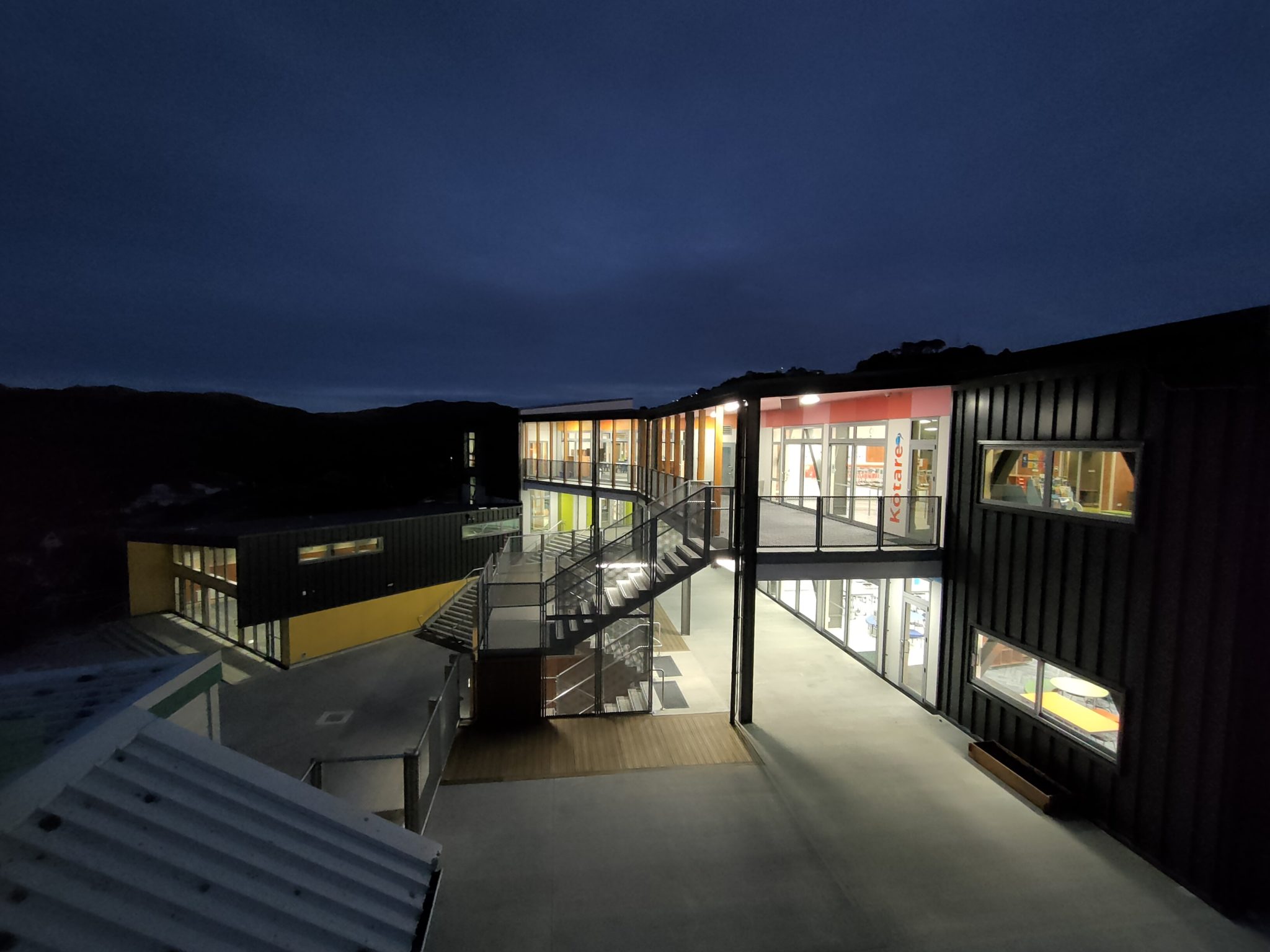
The partnership with Bowen Early Childhood Education Centre empowers tamariki to feel like they belong at Northland School, pictured, when they arrive.
“The unhurried environment, especially in our morning block, allows for ngā hononga (relationships) to remain the priority. Through play, we have the time to observe and build deep connections, which strengthens mana reo (communication) and mana tangata (contribution).”
She acknowledges the strong foundations first set by teachers at Bowen, where Te Whāriki is woven into learning priorities to support four-year-olds on their pathway to school.
“Turning four is often a significant milestone for tamariki and their whānau,” says Anna. “We like to focus on supporting tamariki to develop the confidence, independence, communication and problem-solving abilities that allow them to see themselves as capable learners.
“We’ve built on each other’s strengths, sharing our knowledge and experience to support ... the transition to school.”
“We use everyday routines to build independence and resilience. Whether it’s children carrying their own bag, dressing themselves, managing their belongings, or taking responsibility for self-care tasks, they’re learning important skills around self-regulation, organisation and perseverance.”
She highlights several rituals and experiences Bowen has specifically designed to support growing independence and confidence in tamariki as they prepare for school, connecting them to Te Whāriki principle of empowerment and the strands of wellbeing and communication, among others.
“For example, we have ‘lunchbox days’, which support self-regulation, independence and autonomy. On these days, our four-year-olds gather in a shared space to enjoy a lunchbox they have helped prepare with gentle support from kaiako.
“They’re beginning to learn some of the practical routines often associated with school life such as managing their food and opening containers.
“We also have daily sign-in experiences where tamariki are invited to write or recognise their names in ways that feel engaging and achievable for them,” adds Anna, highlighting the focus on early literacy and fine motor skills.
One of the most key rituals, she says, is the “school passport”, a document shared between ECE and new entrant kaiako. The passport creates a picture of the child – their strengths, interests, learning strategies and identity – and gives continuity between early learning and school.
“It allows the new entrant teacher to build on what the tamaiti already knows and can do, rather than starting from scratch,” explains Anna.
A comprehensive safety net
Though the proximity of Bowen Early Childhood Education Centre and Northland School creates a natural point of connection, Anna and Judith encourage all schools and early learning services to consider partnership.
“This partnership completely demystifies the school environment – not just for tamariki, but for parents and whānau too,” says Judith.
Because Bowen kaiako visit Northland so frequently, they’re able to talk to parents about school life based on what they’ve seen firsthand, and able to give families insight into the transition process by documenting visits through learning stories.
Ultimately, the pair say the partnership empowers children to enter school feeling like they belong there.
“What we see through this approach is tamariki transitioning to school with confidence, resilience and a strong sense of identity,” enthuses Anna.
“They arrive not only with practical skills, but with a sense of belonging to both their early childhood centre and their new school community.
“It has been incredibly rewarding to see former Bowen tamariki thriving at school while still feeling connected to the community they came from.”
Continuity of teaching from early learning to school
Teaching and learning in oral language, reading, writing and maths progresses continuously from early childhood through to the first six months of school.
The Ministry of Education recently released four visuals showing the continuity of learning and teaching across Te Whāriki, Kōwhiti Whakapae and the refreshed New Zealand Curriculum in the first six months of school.