When who you are becomes part of how you teach and lead
Why are you here? A professional learning experience centred on this simple question has led two principals to explore how identity, intent and emotional presence influence teaching, leadership and student outcomes.
For Sarah Morris, principal of Frankley School in New Plymouth, and Greg Allan, principal of South Makirikiri School near Marton, engaging with David Galbraith’s “Teaching as Guardianship” work has reinforced a simple but powerful belief. The energy, presence and intent teachers bring into the classroom can have as much impact as the lesson itself.
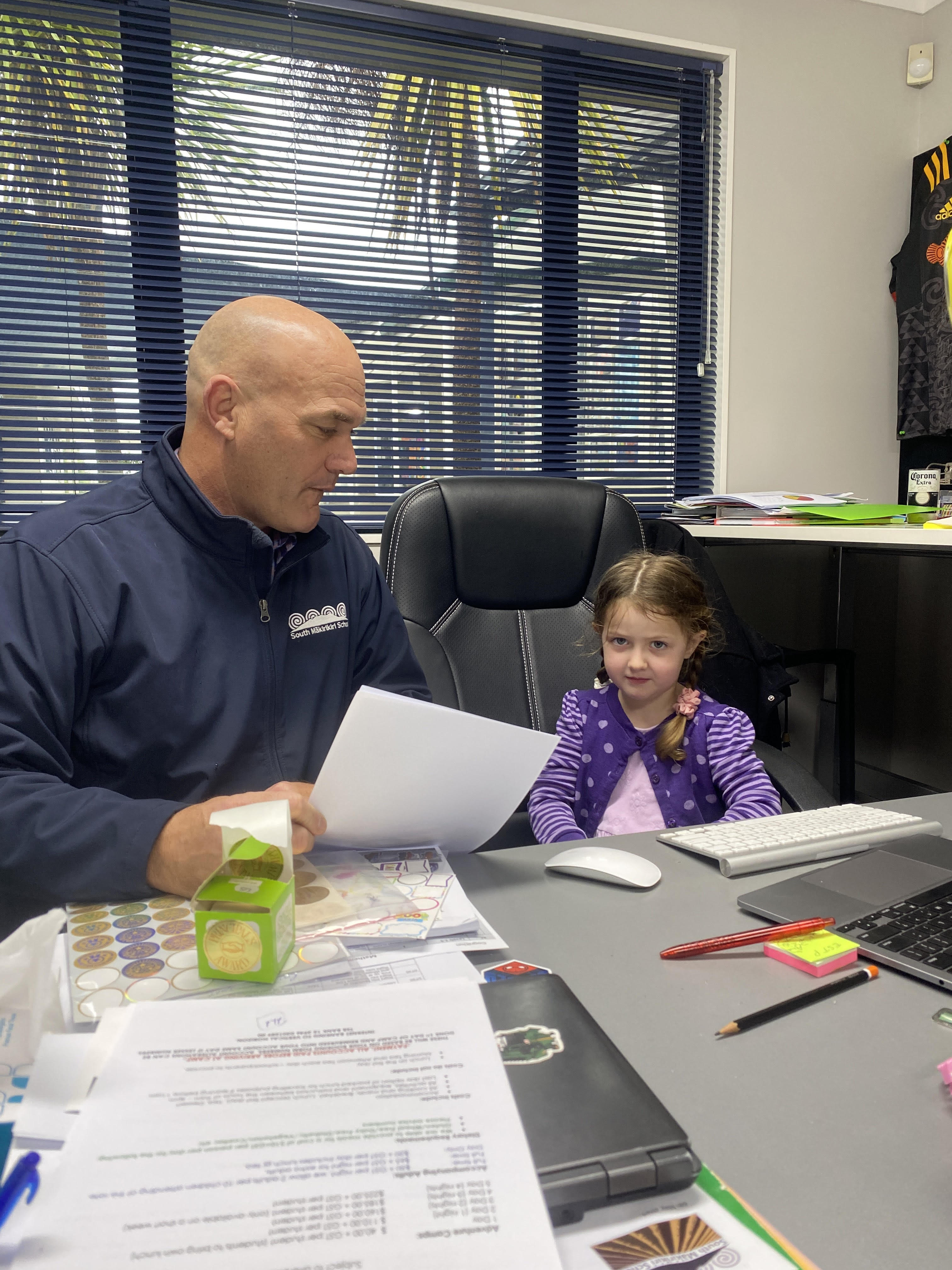
South Makirikiri School principal Greg Allan.
When Sarah invited David Galbraith to work with her staff and board, she wasn't looking for another day focused on curriculum.
"We wanted to look at our children. What emerged was far deeper than we anticipated,” she says.
"Like many schools, we are navigating complexity, change, curriculum shifts and the growing pressure that exists within education. We wanted to create space for our staff to reconnect with what sits underneath all of that – our children, our relationships, our purpose and the kind of culture we want to build together. The magic of teaching."
The day repeatedly returned to one deceptively simple question: Why are you here?
"That question created honest reflection, vulnerability and meaningful conversations among all of us. It reminded us of why we chose teaching in the first place."
Leadership as a steward
For Greg, the experience also prompted deep reflection, but about his own leadership.
"Before engaging with David's work, I probably viewed leadership primarily through the lens of traditional management – systems, compliance, policies and strategic outcomes," he says.
"Working with David has supported building my leadership toolbox and helped me become more around setting an example, practising being a good human and effectively helping shape our whole school environment into a place where good people come to provide a quality learning environment for all our community."
Rather than seeing leadership as directing people, Greg now sees it as creating the conditions for others to flourish.
"I now see my role not as a controller of outcomes, but as a steward of environment and potential," he says.
"It has shifted my focus from trying to fix people's weaknesses to releasing their 'internal handbrakes', the fears, perfectionism and anxieties that keep both teachers and students from turning up and being authentic."
That shift has changed the way he thinks about his own presence as a leader.
"Before, I viewed relationships as a mechanism to achieve goals, and energy as just how enthusiastic I was. Now I understand that as a leader, I am the thermometer for my kura.
"My internal state – my presence, my calmness, my steadiness – sets the tone for the entire room, the staffroom and ultimately the classrooms.
"If I walk into a space carrying unexamined stress, the room absorbs that anxiety."
Prioritising presence and calm
For Sarah, one line resonated strongly with staff: “A dysregulated adult can dysregulate a regulated child”.
“That challenged many of us to think more deeply about what we bring into a room each day."
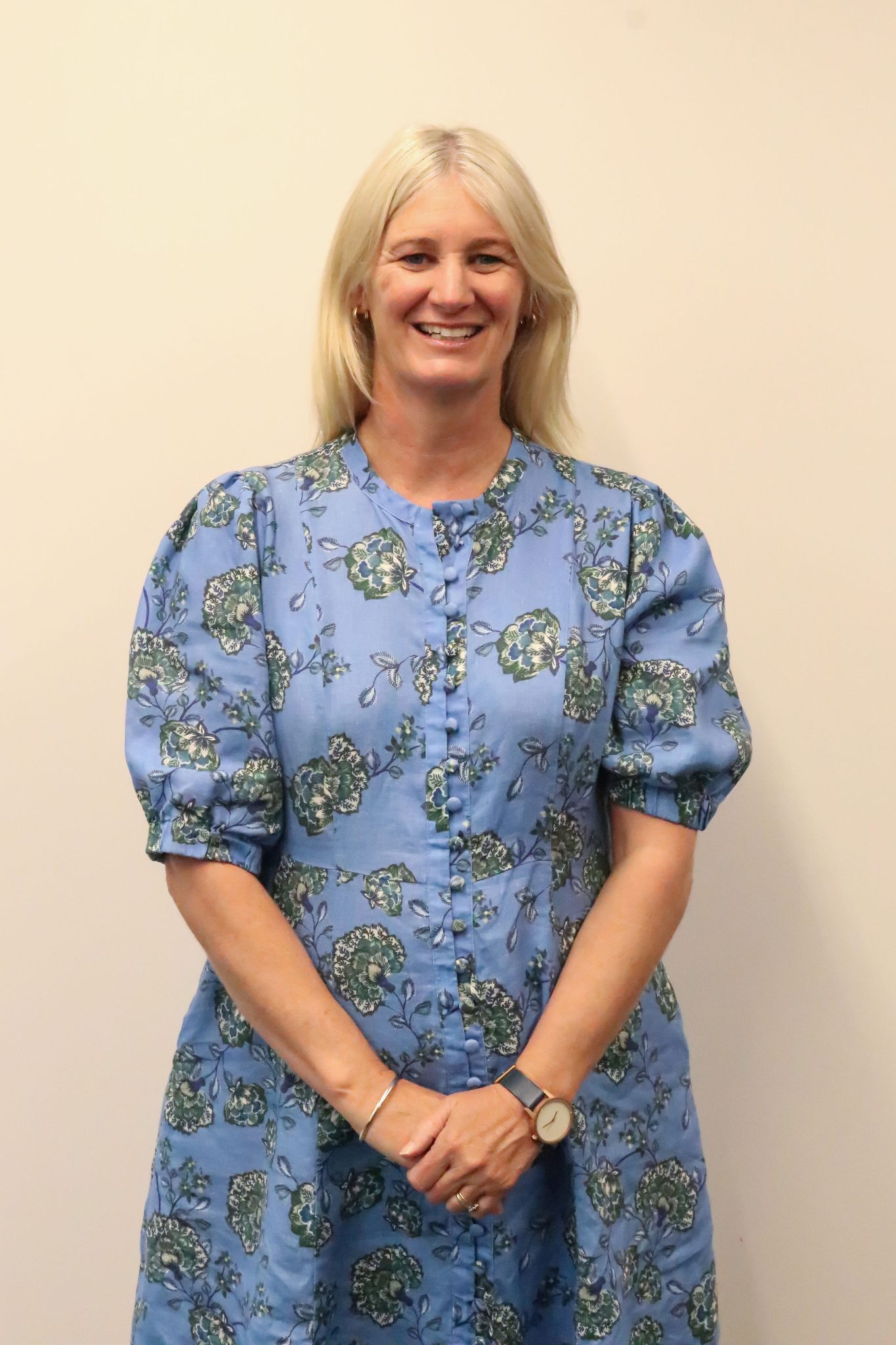
Sarah Morris, principal of Frankley School
She says staff were left asking themselves, "What energy are we bringing through the gate?” “How aware are we of the emotional tone around our children?” “How often do we stop and reflect on the impact we have on others simply by how we show up?"
Those questions have practical implications in classrooms.
For Greg, prioritising presence begins before the first lesson even starts.
"It looks like a teacher who greets students at the door not just with a checklist, but with active, intentional energy that signals, 'I see you, you are safe here, and I am glad you are in this space’."
He believes teachers should be outside connecting with tamariki before school rather than waiting in the staffroom.
Inside the classroom, he says the emotional environment matters just as much as the lesson plan.
"The teacher isn't reactive to disruptions; they hold their ground like an anchor.
"The lesson plan matters. The environment enables tamariki to take risks alongside the kaiako taking risks to do things differently, but the emotional climate of the room matters more, because a brain in a state of high anxiety or low trust cannot learn.
"We have, the majority of the time, our teaching team in a calm state which enables them to reflect this onto the tamariki."
Active participants
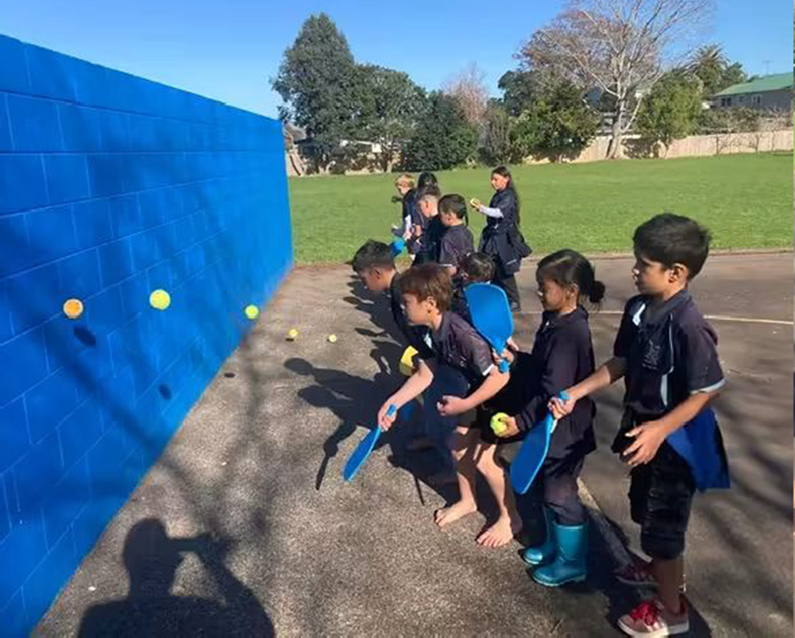
Greg says there is nothing more rewarding than hearing and seeing the excitement of tamariki deeply engaged in the Health and Physical Education curriculum.
He further explains how PE sessions have shifted from teachers supervising activities to actively participating alongside students.
"Now we are seeing teachers regularly engaging directly with groups of tamariki, sharing in the excitement of attempting to beat a challenge.
"We all know the sound of engaged and excited versus loud, boisterous and not following what is expected."
The philosophy also influences leadership.
Greg describes himself as the "tuning fork" for his leadership team.
"Me knowing and modelling how I respond to challenges, issues and anxiety supports them modelling with their teams."
Rather than immediately stepping in to solve problems, leaders spend time reflecting on how their responses shape others.
"Together we unpack how we can sometimes respond, speak, answer or just jump in to rescue situations, and this is counterproductive. This is how we want our learners to develop – with meaningful skills to respond to challenges when presented with them."
Courage over comfort
Sarah says the day with David helped Frankley School reconnect with its vision, or as she calls it, the school’s "North Star".
"In the busyness of school life, the day helped us realign around what matters most – the wellbeing, growth, belonging and development of our children."
Greg says leading in this way can be difficult within the wider education system.
"The wider educational landscape is still heavily obsessed with metrics, compliance, immediate outcomes, along with negative narratives and opposition to change.
"When external pressures mount, the instinctual human reaction is to grab the handbrake and try to control everything again."
He believes resisting that instinct requires continual self-reflection.
"It's hard work to continuously look in the mirror and consciously choose courage over comfort when you are tired or overwhelmed."
For principals interested in exploring similar thinking, Greg says the work cannot begin with staff.
"Do not treat this as a professional development programme or a strategy to tick off your annual plan. If you treat it as a tool to change the staff, it will fail."
Instead, he believes leaders must first be prepared to examine themselves.
"You have to be willing to go deep and look honestly at your own fears and leadership blind spots.
"Start with the leadership team… Once the leadership team operates from a place of grounded presence and courage, that energy naturally flows into the rest of the school."
The humanity of education
Looking back, Greg says the biggest lesson has been that wellbeing and performance go hand in hand.
"High performance and deep wellbeing are not mutually exclusive, they are entirely dependent on each other.
"True excellence in a school doesn't come from forcing compliance or tightening control, it comes from loosening the grip of fear."
“It brought us back to the essence, the humanity at the heart of education."
Sarah agrees the experience was about returning to what matters most.
"For us, this was more than professional development; it brought us back to the essence, the humanity at the heart of education."
In an era where schools are under pressure to do more than ever before, both principals say the starting point isn't another initiative.
It's remembering that children may not remember every lesson they were taught, but they will remember how they were made to feel.