How one teacher is redefining what's possible for neurodiverse learners
Former urban planner Michelle Harvey brings a different perspective to her role at Ormiston Senior College. By sharing power in the classroom, adopting flexible pathways and maintaining high expectations, she and her colleagues are helping neurodiverse learners build confidence, achieve success and recognise their strengths.
Michelle Harvey took a winding path to reach her current position, kāinga leader (dean) and TIC of geography, tourism studies and education for sustainability at Auckland’s Ormiston Senior College.
A qualified urban planner, her career wound through boardrooms across Australia and Southeast Asia before returning to classrooms in Tāmaki Makarau.
Reflecting on her teenage years, she says she disliked high school.
“If you’re in a classroom where the teacher is continually instructional, [akonga] are sitting there as a sponge, and they don't always have the ability to ask questions or interact.”
Michelle much preferred her university experience, largely because her learning there was self-directed.
Since becoming a teacher, she’s upheld a philosophy of power sharing within the classroom; of enabling students to drive their own learning, guided by their interests with light, strategic input from teachers.
She encourages teachers to be flexible and comfortable with power-sharing learning approaches that support learners as critical thinkers and future leaders.
“I don’t want students to have the experience that I had,” says Michelle. “I want school to be a joyous experience.”
Conductors of learning
Michelle’s kaupapa is informed by learners with additional needs, including neurodiverse and hearing-impaired students.
For years, she’s applied her previous boardroom experience and worked closely with special education needs coordinators (SENCOs) and Ko Taku Reo (Deaf Education New Zealand) to drive tangible results among students in one of Auckland’s fastest-growing suburbs.
Ormiston Senior College is less than two decades old. It serves a range of brand-new subdivisions on the outskirts of Auckland. Its classrooms are diverse, involving many new families from overseas.
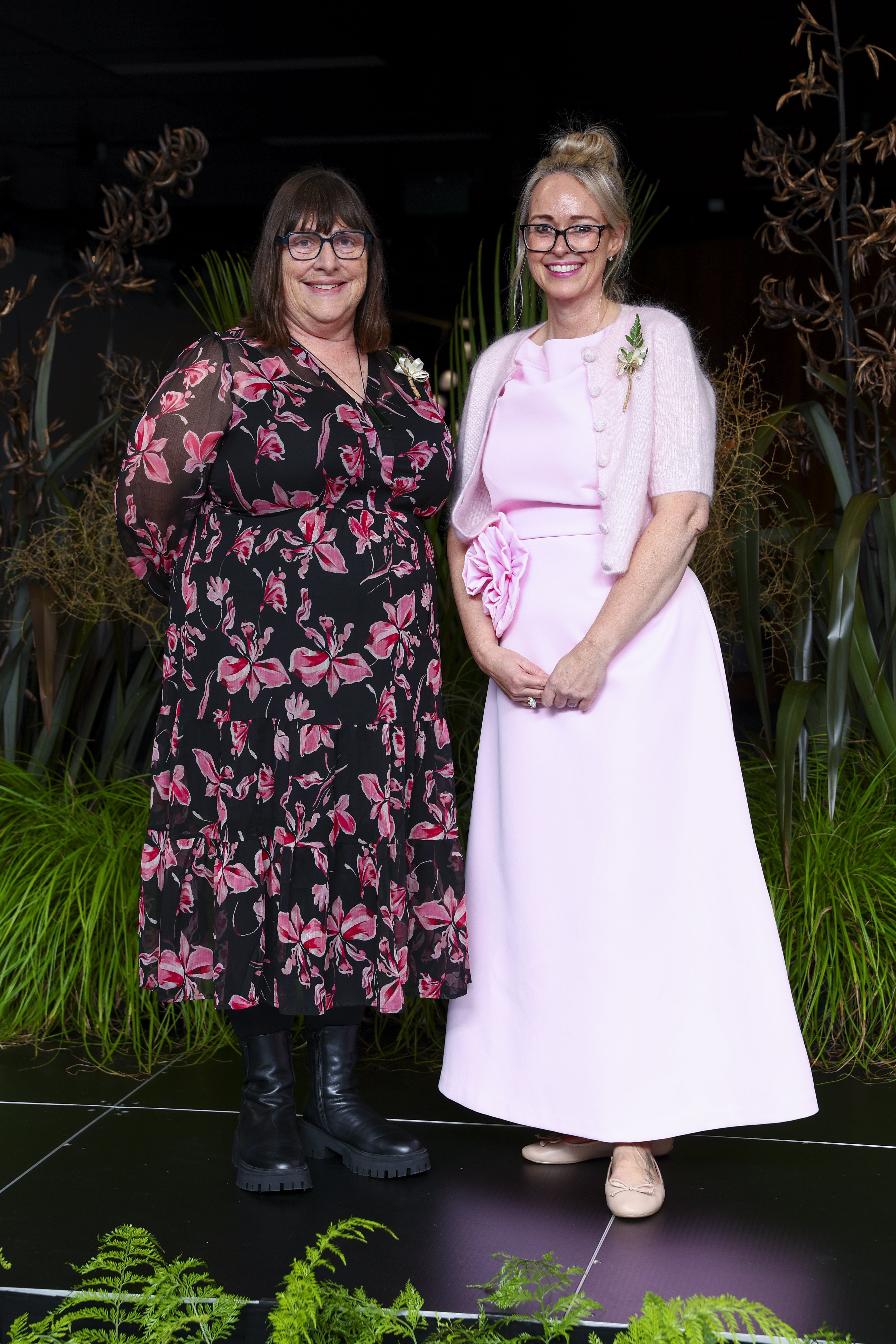
Michelle and her colleagues, Ormiston learning support teachers Marianne Uys and Aradhna Achari, see themselves not so much as teachers, but conductors. They believe that, with strategic, light-touch guidance, any student can go farther than expected.
“If we don’t give and create opportunities for our kids, we’re forever stuck,” says Marianne.
Michelle first noticed the range of learning needs at Ormiston through her mainstream geography classes, which always had at least one student with additional learning needs.
Education for Sustainability
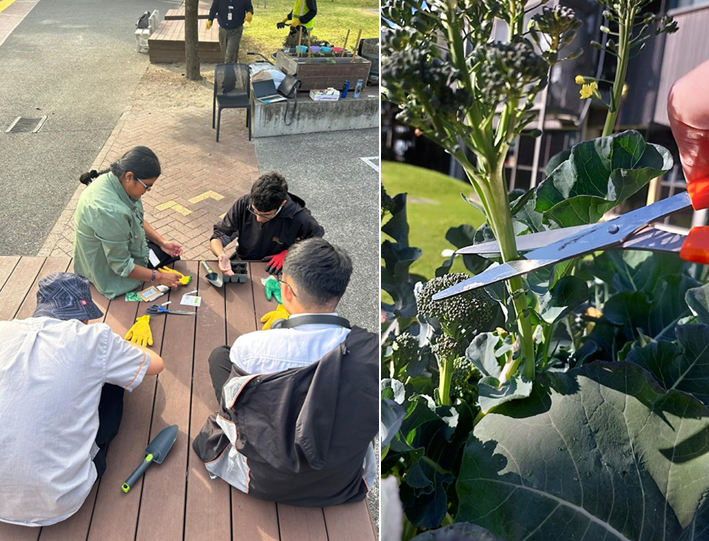
Michelle’s programme runs through Education for Sustainability (EfS), a project-based learning kaupapa that encourages learners to solve real world issues.
She subsequently helped build a programme involving five students wh0 she saw for eight sessions per week.
These learners are involved in the class’s regular work but with more support and a longer time scale. That is, two different learning programmes running at the same time in the classroom for mainstream and neurodiverse learners.
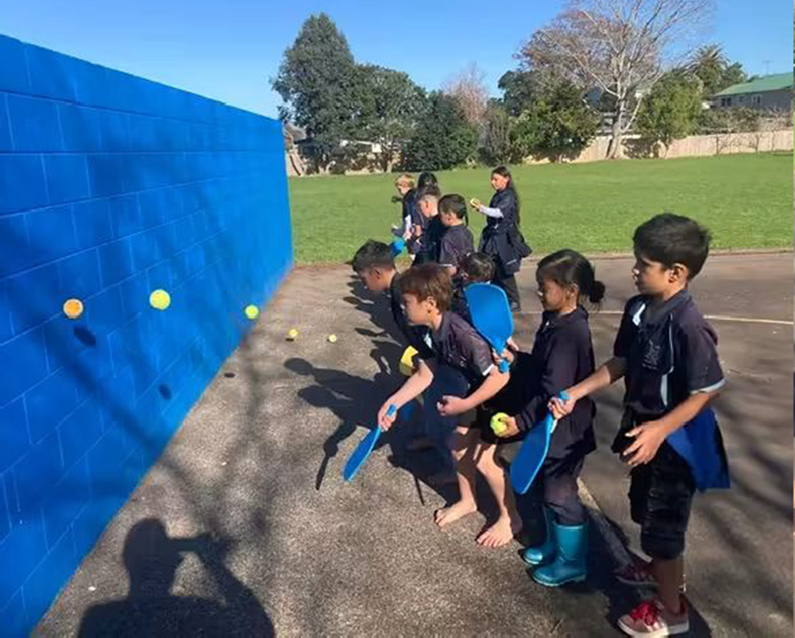
Michelle and Marianne are especially proud of their classrooms’ work with the School Environment Council ‘Burger Crew’ wherein rangatahi worked in a community garden to supply produce for a local charity food truck.
The pair says this work taught students about agriculture, soil, pests and community service.
Michelle recalls one student taking part in this EfS project who “used to come into the classroom, take her shoes off, sit down in a corner and rock”.
Michelle adds that the student didn’t like certain sensory inputs and couldn’t touch soil.
Michelle bought her a pair of pink gardening gloves, gently encouraging participation.
“It’s giving them an opportunity where they’re not judged. Where we’re working with their abilities and we’re taking the time,” says Michelle. “It’s not a race. We’re conducting. We’re at the pace of the learner.”
Eventually, the student stepped outside her comfort zone, handling soil and even worms.
“She went on to feeding birds out of her hands […] to going upside down on a zip line,” recalls Marianne.
“An EfS learner with neurodiversity can be a powerful influencer, shaking the perceived idea of a ‘learner with disabilities,’” says Michelle.
Patience and a plan
Empathy is at the core of Michelle’s power-sharing kaupapa. Through EfS projects, she says listening to a learner’s needs and acting slowly and intentionally, is key to giving them confidence to stay engaged at school.
This kaupapa presents challenges, especially when students appear to be unmotivated or approach self-guided learning with low effort.
Michelle believes this can be overcome with patience and persistence.
“If you take time to listen, observe and find out what [their] passion is … everyone has something. It takes time but it’s a winning approach.”
Over two years, the programme’s five neurodiverse learners gained 30 NCEA credits each in a range of subjects including geography and business studies.
Michelle says she brought the programme in line with NCEA by using the standards as “an à la carte menu to create a learning plan.”
“[We] did not lessen any part of the curriculum and high expectations were set for all learners,” continues Michelle.
Wraparound support
Last year, Michelle and Marianne also became qualified Duke of Edinburgh Award facilitators for learners with additional needs.
Michelle says all rangatahi can find the confidence to pursue their learning goals, and that opportunities outside the classroom should be explored.
“You don’t leave them behind because you’re on a field trip and you think they’re going to be a problem,” says Marianne. “You take them on a field trip and you have the right wraparound support.”
Michelle says that whānau involvement is an important part of working with neurodiverse students, especially when those families come from migrant backgrounds.
“Parents of neurodiverse learners need additional support as they are genuinely wondering ‘what happens next?’” says Michelle, adding that parents frequently express concerns about what kinds of careers or college course their children are suited to.
She’s also careful to point out that while her processes are neuro-informed, they by no means apply only to learners with additional needs.
Ultimately, Marianne feels the need to push beyond what’s traditionally expected of students, particularly the most vulnerable.