Using Te Rito to share learner information
At Blockhouse Bay Intermediate, information shared through Te Rito is helping educators build a richer picture of each learner. By supporting the safe sharing of information as taonga, it is enabling stronger transitions, earlier support and more meaningful connections with ākonga and whānau from day one.
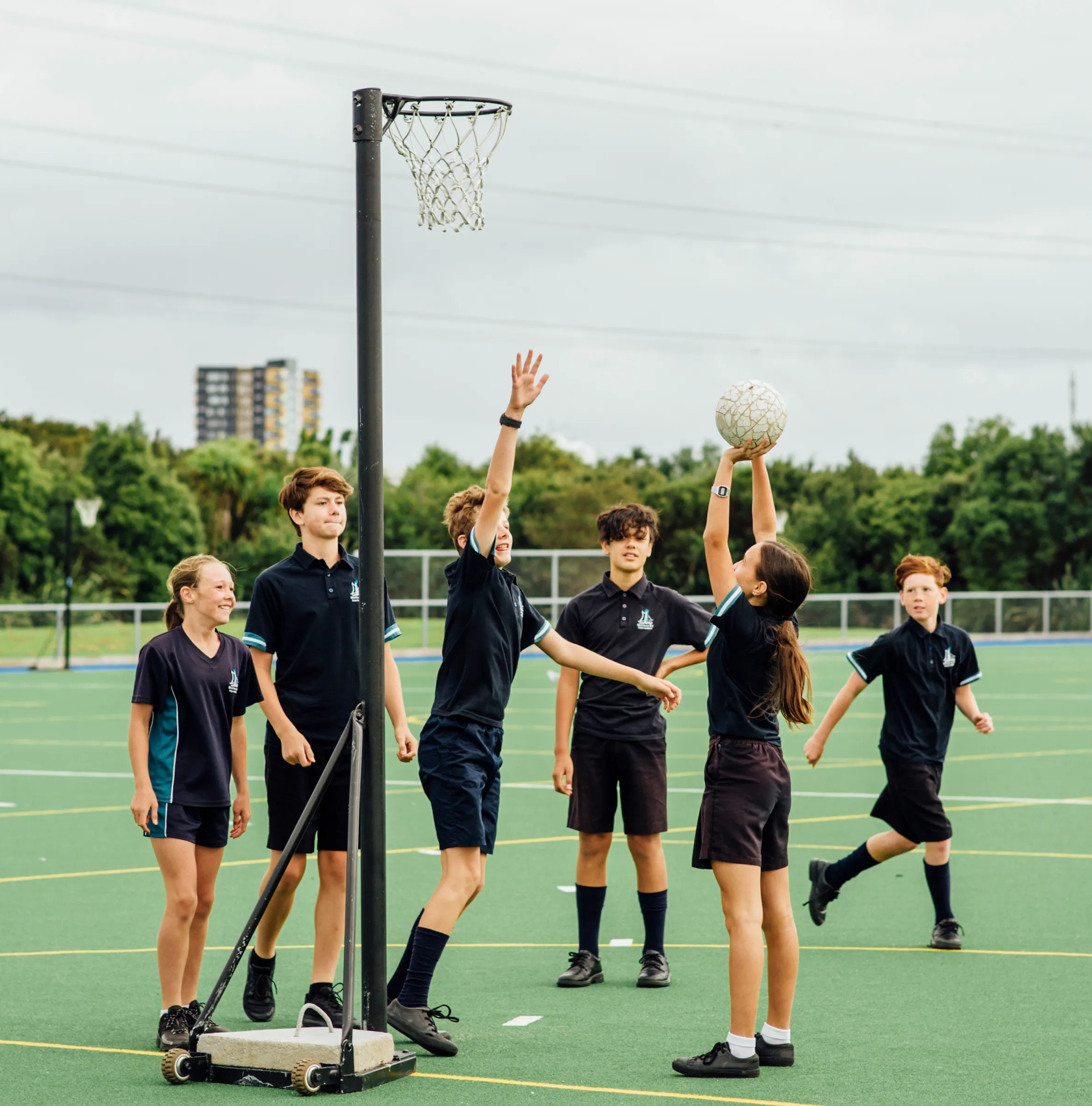
Every child arrives at Blockhouse Bay Intermediate as more than a name on a roll.
“Every child that walks through our gate has a story,” says principal Michael Malins. “And that story deserves to be known and needs to be heard.
”Often, these stories haven’t followed learners as they move through the education system.
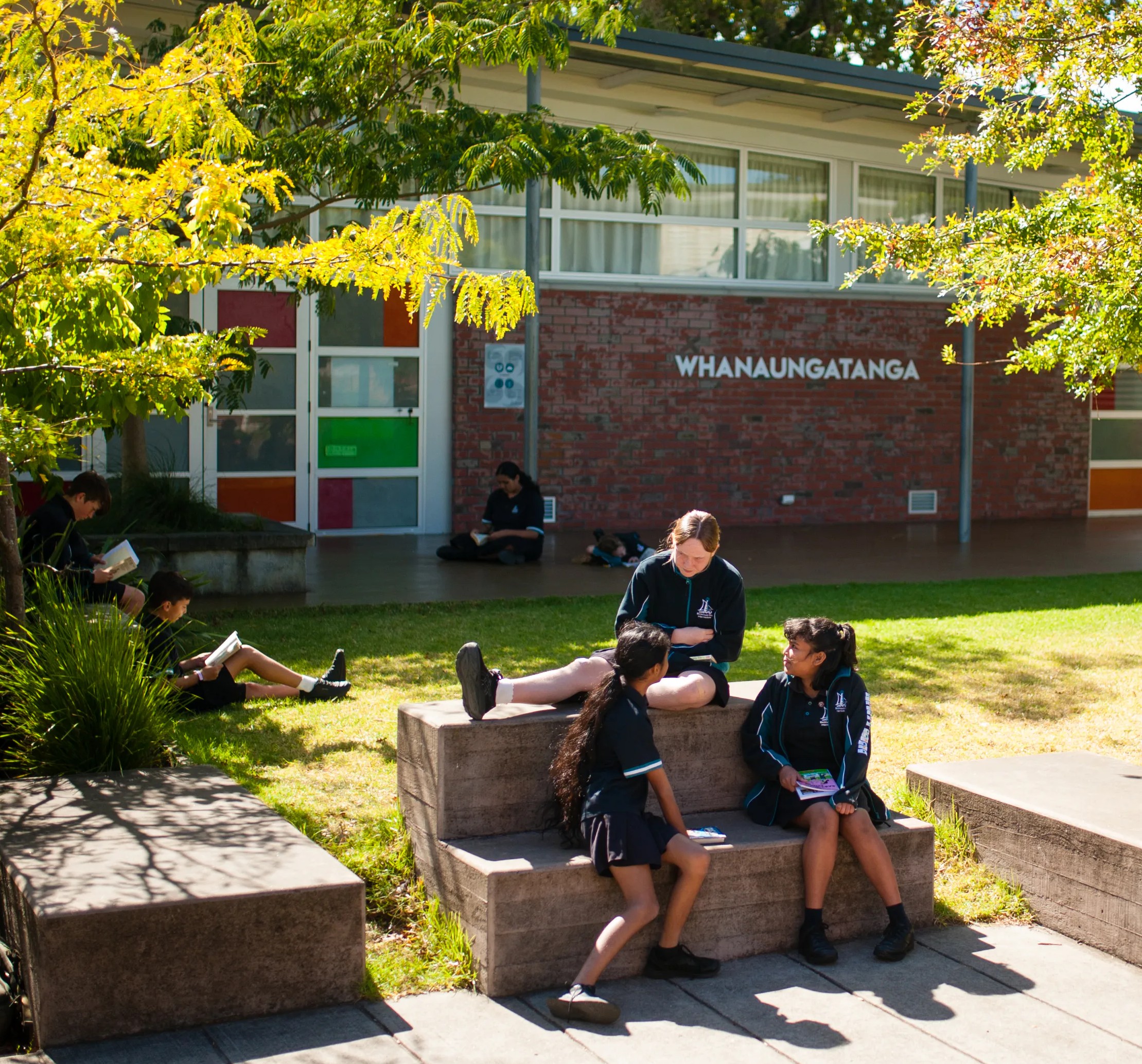
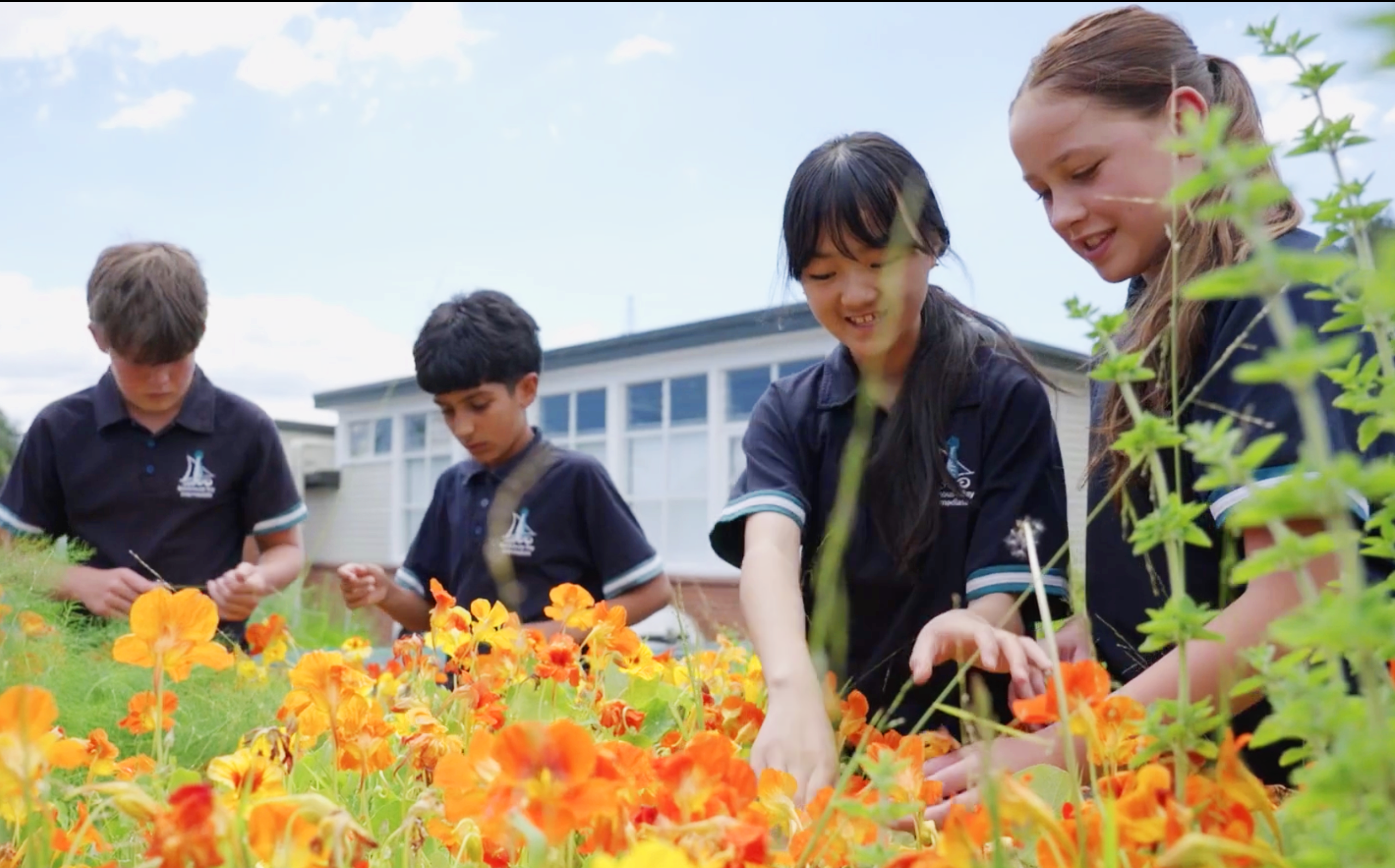
Ākonga at Blockhouse Bay Intermediate.
“Every time a parent enrols their child into a new school, they must litigate for their child and their learning needs,” says Michael. “This is wasteful in both mana, resourcing and precious time it takes to establish connections.”
Te Rito, a secure cloud-based service being rolled out across Aotearoa, supports the safe sharing of learner information. It supports the safe sharing of learner information that can be shared through and between SMS as ākonga move throughout their schooling.
At its heart is a simple idea that resonates strongly with educators: know me before you teach me.
“It helps us start from a place of connection rather than assumption,” says deputy principal Tom Norton.
“When a teacher knows something meaningful about a learner from the beginning, they are better able to build trust, set them up for success and make decisions that support both learning and wellbeing.”
Across the sector, continuity of information is considered as essential.
New Zealand Principals’ Federation president Jason Miles says they are looking forward to principals, teachers and administrators having clear, timely and secure information about learners transitioning to their school.
“This way schools will be able to best support every learner and whānau as they continue their learning journey together,” explains Jason.
“When a young person moves school, it isn’t a simple handover. High quality learner information is the starting point needed when they move from one school to the next.”
From data to a sharper picture
“It’s not just data,” says Michael. “It’s the narrative behind the data that comes together, and it travels with you. It's a really rich tapestry for the learner and the educators to draw upon.”
Ākonga at Blockhouse Bay Intermediate.
At Blockhouse Bay, as information becomes more readily available with Te Rito, that richer narrative can better inform day-to-day teaching practice, supporting professional judgement rather than replacing it.
“Te Rito provides us with a core functionality for engaging our teachers with data about their students,” says Michael.
“Transitions from Year 7 to 8 and to high school are critical points to make sure the right data is handed to the next teacher.”
Access to learner data shared through Te Rito is changing how teachers plan and respond, explains Tom.
“It allows us to be faster at gathering data, as well as being more proactive. Instead of waiting for issues to emerge, we can identify needs earlier and plan support.
“For classroom teachers, it helps with grouping, goal setting and planning next learning steps. For whānau leaders, learning support and senior leadership, it supports better coordination.”
It's also shaping conversations with whānau, making them more specific and useful from the outset, before concerns appear, because staff can draw on data already shared.
“It helps shift the focus from ‘what is the problem?’ to ‘what do we know about this learner, and how can we work together?’” says Tom.
“It also helps us acknowledge what has already been tried, what has worked before, and what matters to the family.”
Former whānau leader, now principal of Rosehill Intermediate School, Julie Wong says that deeper understanding shapes how learners experience their first days at school.
“Te Rito really helps us understand the child as a whole; their strengths, their challenges and the connections that they have already made,” she says.
“So then as soon as the child steps into the classroomor the school environment, they feel that sense of belonging because we already know the child.”
Weaving continuity through transitions
Transitions are when educator knowledge matters most, but it is often the hardest to access.
“Traditionally, what happens when a child moves schools, nothing goes with them,” says Michael. “We have to reach out to their previous school and know the questions that we have to ask. Often it is in response to something that is pressing or concerning.”
Without that shared understanding, teachers can be left to reconstruct a learner’s story after they arrive.
“Te Rito has reinforced that transition is not just an enrolment process, it is a learning and wellbeing process,” says Tom.
“For a school like ours, where students come from a range of contributing schools, it helps create continuity.
“Rather than students having to ‘start again’ when they arrive, we can build on what is already known.”
Tom emphasises the value of the data-sharing Te Rito enables, particularly if you use the information for strengthening transition.
“For intermediate schools in particular, the biggest issue is time. We only have students for two years, and by the time we get to know them well, a significant part of that time has already passed. Anything that helps us understand a learner earlier is valuable.
“For intermediates, where transition is a constant part of school life, Te Rito can help make those first weeks more connected, informed and mana enhancing for students and whānau.
“My advice would also be to be clear with staff about the purpose. It is not about labelling students or making assumptions before they arrive. It is about saving time, reducing gaps in transition, and helping teachers build relationships and support sooner.”
Time, trust and the work of teaching
For many educators, time-saving is an immediate impact of the data-sharing between schools that Te Rito enables.
Previous approaches have relied on manual processes, spreadsheets, handwritten notes and informal exchanges.
“Our workload is higher without Te Rito,” says Michael. “With Te Rito there will be less administrative burden for enrolments and quicker resourcing to ensure it’s there on time and not after the need becomes apparent.”
“A big advantage with Te Rito is the accuracy and the speed,” adds Tom. “It delivers both from numerous sources, so we are able to build a bigger picture of that child before they get to us.”
At a system level, administrative efficiencies are critical.
“Tools like Te Rito can significantly reduce the administrative burden for school leaders. It allows them to be proactive and prepared with in-school support and outside agencies ready from day one,” says Jason.
For Michael, the impact goes beyond efficiency.
“One of the biggest benefits of Te Rito is cost saving, time and resourcing,” he says. “We are more agile and able to meet the needs of our students and we can free up time for our core business, which is actually teaching the kids.”
Information as a taonga
At the same time, educators are clear that learner information is not just a resource.“
Ākonga at Blockhouse Bay Intermediate.
All data belongs to the learner and the whānau. They have the right to request it at any time,” says Michael.
This must be a consideration for anything that is recorded. We are merely kaitiakitanga of the data for the student and their whānau."
This understanding shapes how information is interpreted and used in practice.
“We are very clear that information should never be used to label or limit a student. It should help us understand how to support them,” says Tom.
“A student’s record might tell us that they have had challenges in the past, but our response should always be: what helps this learner succeed, who do they connect with, what are they good at, and what conditions allow them to thrive?
“It is also about professional trust. Staff need to understand that access to information carries responsibility. The goal is always to uphold the mana of the child and their whānau.”
For Michael, this is fundamental.
“We are a growth school, we have no place for deficit thinking in learning. It defeats the purpose.”
Building trust with whānau is equally critical.
“While having an understanding of learners is essential, assuring data safety and sovereignty is paramount,” says Jason.
“Te Rito has worked hard to assure principals that its learner information is maintained to the highest security standards so personal details are kept safe and secure.”
While Te Rito provides the infrastructure forlearner information to follow ākonga, it is educators who remain at the heart of the work: interpreting information, building relationships, and shaping what comes next.
Me tiaki te mana o te tamaiti me tōna whānau.
Protect the mana of the child and their family.
Watch: Every child has a story
Learn more about Te Rito, and see more from Blockhouse Bay Intermediate, at: