Tawa College students build a digital model of their community
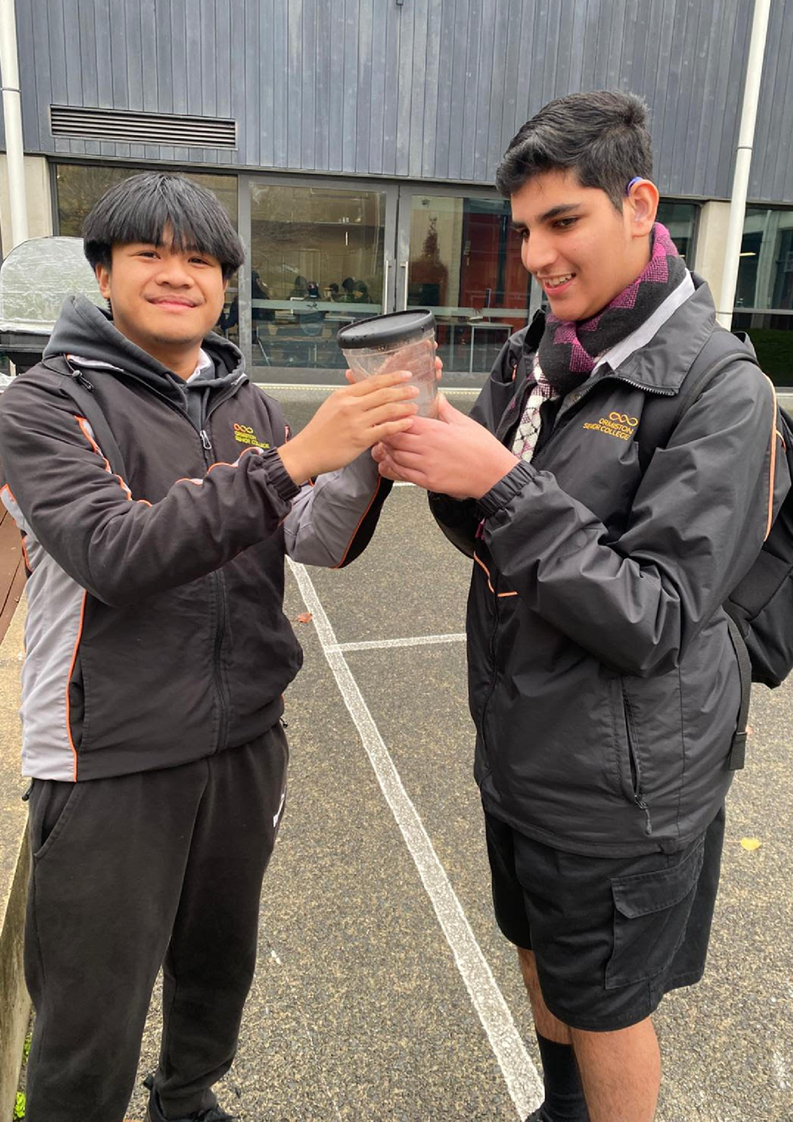
When Tawa College students Ash Millward and Levi Irvine began building a digital model of their community, they were doing more than developing technical skills. Supported by kaiako David Foulds and a network of community partners, they were applying their learning to a real-world project with the potential to inform future planning and development in Tawa.
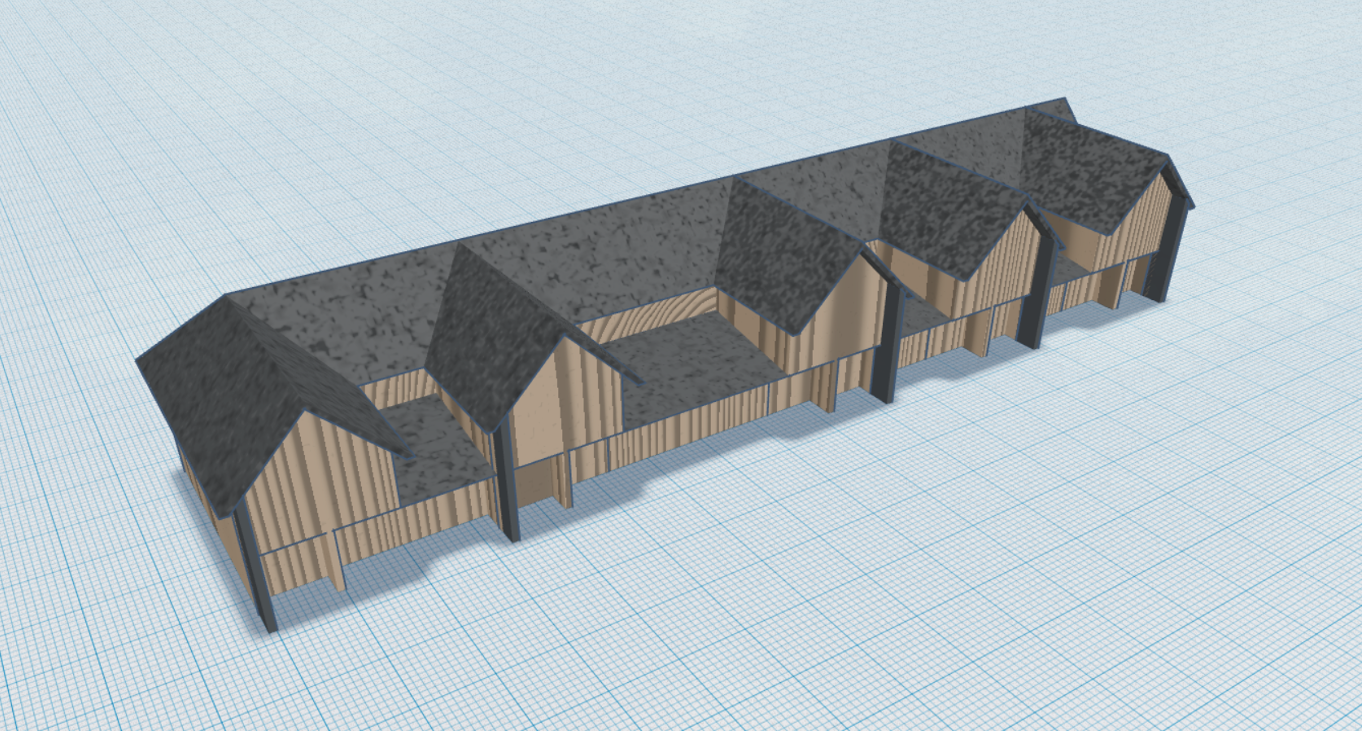
What began as a digital technologies project at Tawa College is helping students connect classroom learning with real-world challenges facing their community.
Led by head of department David Foulds, the 3D Tawa Project brings together students, local industry experts, council staff and community organisations to create a digital model of Tawa that could one day support urban planning, infrastructure development and community consultation.
The project is supported by Tony Hassed and Gary Rogers from the Tawa Technology Education Trust (TTET), which provides opportunities for Tawa College students to exercise their creative talents through digital technology projects.
“The challenge is to build a foundation for a series of projects to visualise future Tawa,” says David.
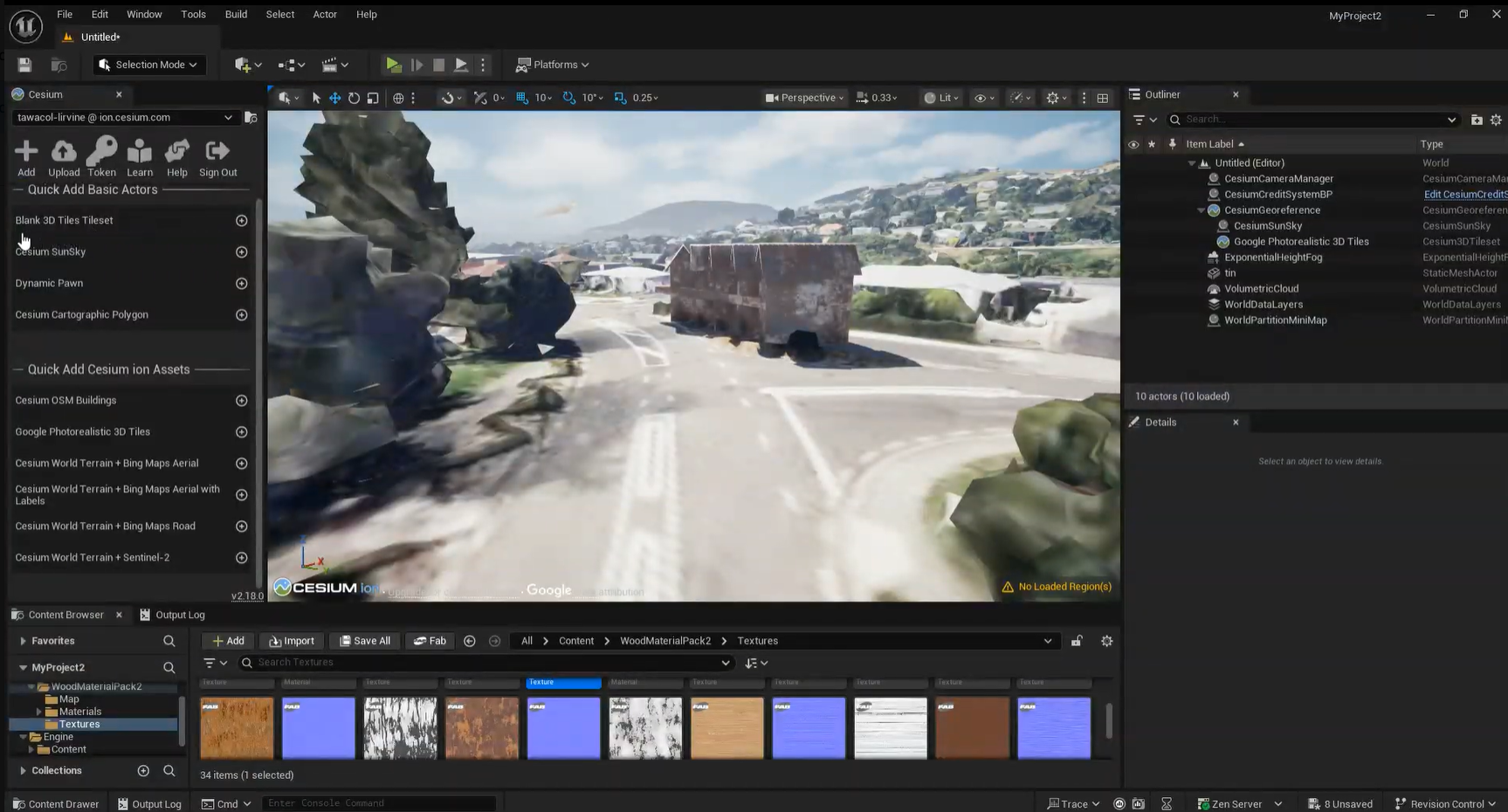
3D Tawa Unreal Engine Model
The long-term vision is for the model to become a platform for exploring future scenarios, including higher-density housing, new transport systems and ultimately a 20-minute neighbourhood.
Potential users could include residents, local and regional councils, Tiaki Wai, Metlink and other utilities.
“A digital model turns intuition into insight. It is a powerful tool for visualising, testing and communicating ideas to build a stronger, healthier community,” says David.
Recognising passion and potential
As leader of digital technologies, David looks for students who are ready to extend themselves beyond the classroom.
Some come to the project with existing interests in coding, programming, game design or 3D modelling.
“Some ākonga already have an interest in Unity, Unreal Engine or Blender for Game or 3D Model development, so the Unreal Engine 3D Tawa Project naturally suits their interests, skills and knowledge,” says David.
Alongside technical capability, he looks for dispositions such as rangatiratanga and urupū – autonomy, diligence and perseverance.
A Year 13 student at the time of the project, Ash Millward says problem-solving and curiosity were critical.
“For a student to become involved in this work, one of the core skills they need to be disciplined in is their problem-solving abilities – being able to trace errors back and critically evaluate approaches is one of the foundational skills which made this project possible for Levi and me,” says Ash.
“Furthering this, a discernible disposition that kaiako looked for and nurtured in students was a curiosity. Being curious naturally predisposes you to have a passion for the work which you involve yourself with, and without a passion to keep you motivated on a project, the quality of the work would decrease noticeably.”
Ash says that passion helped him and fellow student Levi Irvine persist through challenges and continue working towards a meaningful outcome.
Guiding inquiry and independence
The project uses Unreal Engine, an industry-standard platform that is not typically taught at secondary school level because of the specialised computing power required.
Rather than attempting to teach every aspect of the software, David encourages students to learn through inquiry while drawing on the expertise of previous students and industry professionals.
“As a kaiako I encourage ākonga to whai whakaaro (reflect and consider) the past portfolio/diary of other ākonga to utilise their research, notes and resources on using Unreal Engine. The past ākonga mahi becomes very helpful for the new ākonga who will take on the development in the new year,” says David.
“Like any new technology tool it takes self-inquiry learning, yet guidance from the kāiako.”
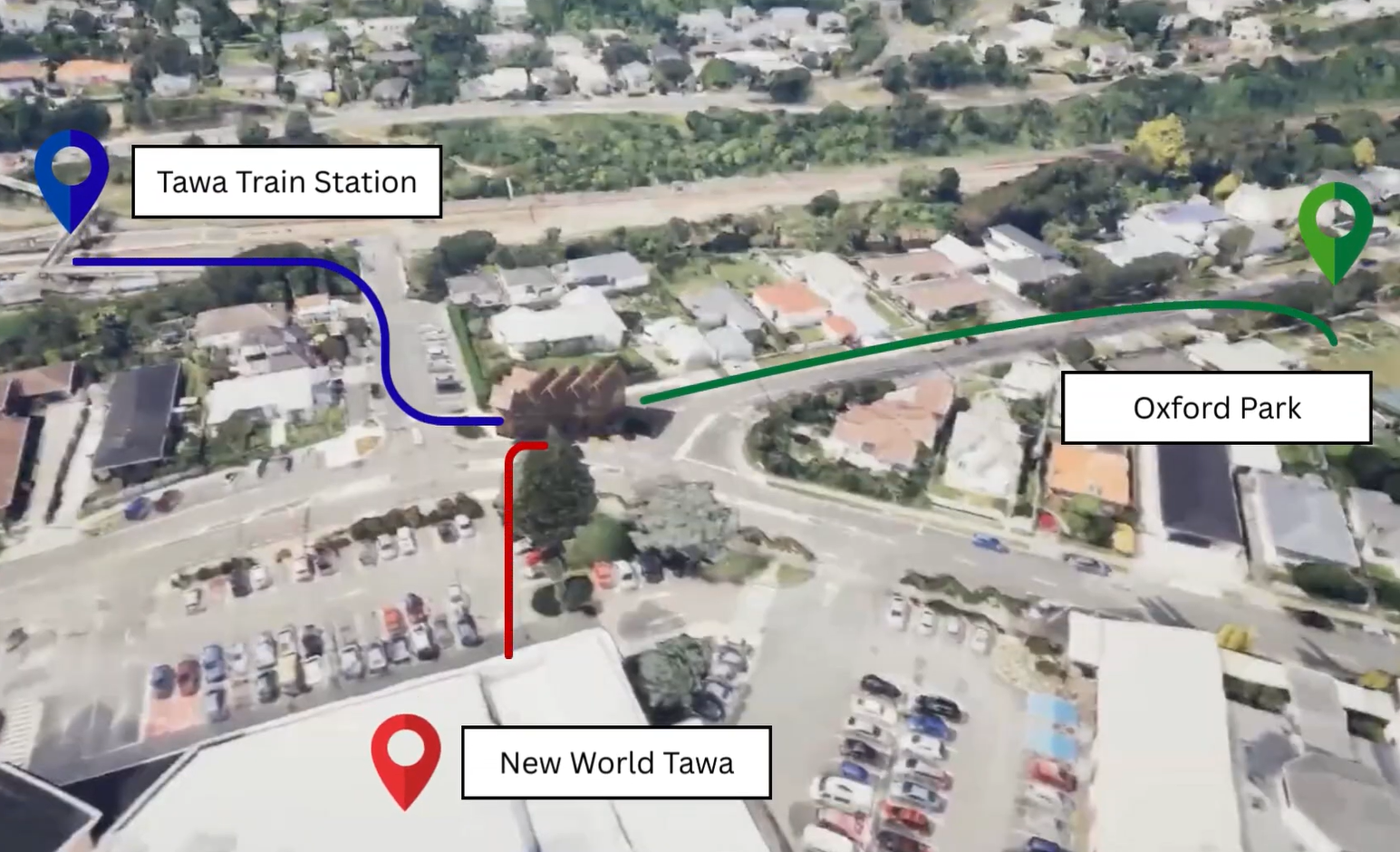
3D Tawa Model Mapping
Community and industry connections have played an important role in supporting that learning. Students have worked alongside Wellington City Council staff and received support from Eagle Technology in the use of ArcGIS and geospatial data.
Levi says David's contribution extended well beyond technical knowledge.
“Mr Foulds provided us valuable insight, project development experience and a reliable ability to point us in the right direction when we needed it. He guided us through principles that apply to almost any complex project – iteration, refinement, doing the mahi when you don't feel like it,” says Levi.
“Once, when Ash and I hit a real roadblock, he connected us with someone from the council who pointed us toward resources we needed. That kind of guidance is just as valuable as any technical knowledge.”
Learning through authentic challenges
The project aligns with two NCEA Level 3 Digital Technologies standards, allowing students to gain credits while working on something with real-world relevance.
David says the standards provide a structure while still allowing students significant ownership of their work.
“I encourage ākonga to make their own choices on their three stages they would like to develop, such as physical structures overlaid on the geographic model, infrastructure, transport, weather or accessibility of amenities for the community,” says David.
He also encourages students to learn through experimentation and to document their progress collaboratively so future students can build on their work.
“I encourage ākonga to make mistakes, in understanding that we learn through trialling and testing of technology components and techniques.”
For Ash, one of the strengths of the project was its ability to connect authentic learning with formal assessment.
“With the way that the NCEA system is integrated into classrooms, learning is generally tailored to meet specific standards. This can create a barrier between students and adopting larger, more authentic projects such as the Digital Model of Tawa.
3D Tawa Terrace House Model
“The way in which this project was undertaken was thankfully able to resonate with two standards of achievement officiated by NCEA. Because of this it meant that, beyond the passion of creation, Levi and I had an incentive that would progress our academic record.”
Teaching skills that transfer
While the final outcome is a sophisticated digital model, both students say the most valuable learning happened behind the scenes.
Ash believes the most important skills were the transferable ones.
“The complex technical skills used in a large-scale project aren’t the things being taught. The real things being taught are the underlying skills which provide the scaffolding to develop such an outcome,” says Ash.
“Our kaiako Mr Foulds wasn't able to teach us the intricacies of Unreal Engine, but he was able to teach us how to compartmentalise a project, use iterations, continually save progress, and take a step back when things aren’t working so we can consider a different approach.
“These were the skills which made the development of complex technical skills possible. Encouraging independence and problem-solving granted Levi and me the core abilities to proactively learn the complex technical skills demonstrated in our project.”
Levi says those habits were developed over years rather than weeks.
“Ash and I had been in the digital technologies department for four years before this project started, building those habits through classes, clubs and inter-school STEM competitions. Every 50-page report that made us question why we were doing digital technologies was another step forward.
“In some ways, this project didn't begin last year, it began when we chose digital technologies in Year 9. By the time we sat down to build the model of Tawa, those skills were already ingrained. The project just gave them somewhere meaningful to go.”