Sylvia Park School’s recipe for belonging, engagement and attendance
Attendance has climbed steadily at Sylvia Park School in Auckland, but principal Thomas Bartlett says the numbers tell only part of the story. Behind them lies a community-wide effort to create a school where tamariki feel known, valued and excited to learn with whānau, local organisations and the wider community all playing a part.
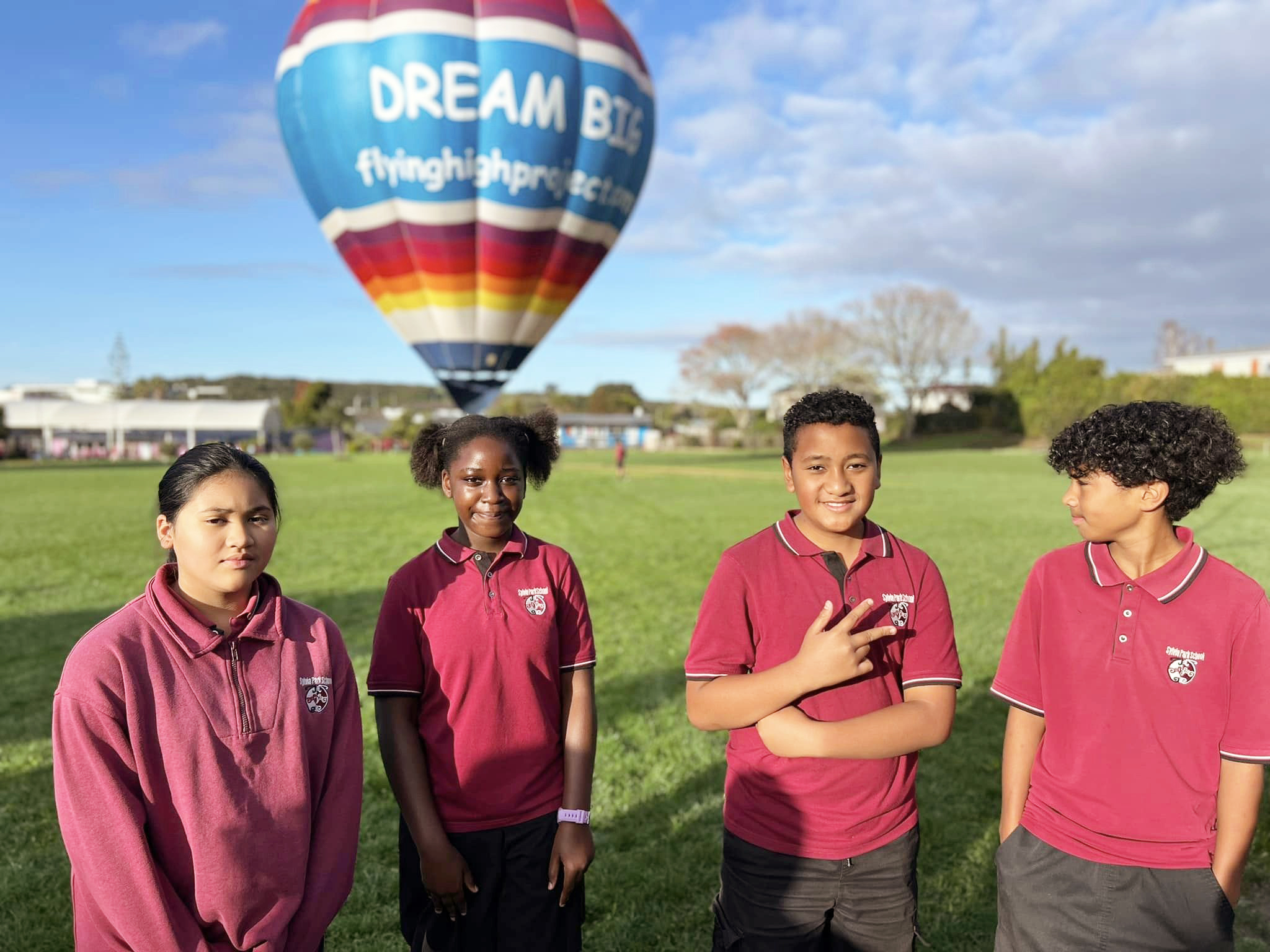
On any given day at Sylvia Park School, students might be tending community gardens, rehearsing kapa haka, competing for their house, designing labels for honey from the school’s own beehives, or preparing for a cultural celebration with their whānau.
It’s the kind of place where opportunities spill beyond the classroom, and where principal Thomas Bartlett believes every child should be able to find something that makes them want to come to school.
“If we want our tamariki to come to school every day, what are we giving them to come to?” he asks.
That question has shaped much of the school’s work over the past four years. Attendance has risen steadily, reaching 77 percent regular attendance in 2026, but Thomas says the numbers tell only part of the story.
“We realised that you cannot separate attendance from engagement, engagement from achievement, or achievement from a child’s sense that they belong.”
Sylvia Park School has worked hard to create a school its students can feel proud of.
Attend, engage, achieve, succeed
Attend. Engage. Achieve. Succeed. This is the school’s mission, and Thomas says the order of those four words matters.
“Attend means being here consistently. Engage means having a reason to be here and feeling connected to people and learning. Achieve means making progress and experiencing success. And succeed is broader than an academic result. It is developing confidence, identity, relationships, resilience and aspirations for what comes next.”
The school’s largest-ever student and whānau consultation process helped shape the final mission and vision, reflecting a belief that school improvement should be built with the people who experience it every day.
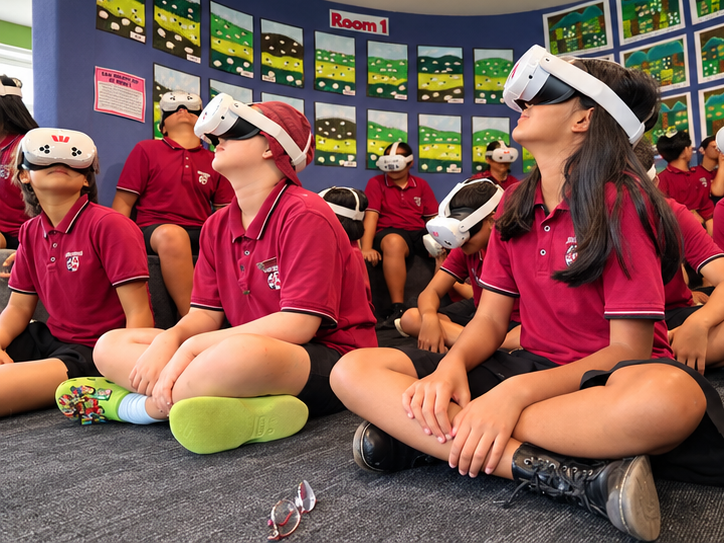
Principal Thomas Bartlett believes every child should be able to find something that makes them want to come to school.
“We wanted ours to be alive. If you ask our kids about attend, engage, achieve and succeed, they understand the journey because they helped build it.”
For educators, Thomas believes the sequence offers an important reminder that attendance cannot be viewed in isolation.
“Attendance is not the destination. It is access to the destination.
“If a student isn’t here, they don’t have access to that brilliant reading lesson, that maths discussion, that teacher relationship, the kapa haka practice, the sports trial, the speech competition, the conversation with a friend or that moment when a teacher suddenly makes them believe they are capable of something bigger.”
Creating a school students are proud of
As attendance became a growing focus, staff found themselves returning to the question: “Have we created a school they actually want to attend?”
The answer required looking carefully at every part of the student experience.
Over recent years, classrooms and outdoor spaces have been upgraded, digital learning resources expanded, new sporting facilities added and an outdoor classroom established as part of the school’s Green-Gold Enviroschools kaupapa.
The library collection has grown, sports uniforms have been upgraded and new opportunities for participation have been created across the school. More than $400,000 in grant funding has helped support many of these improvements.
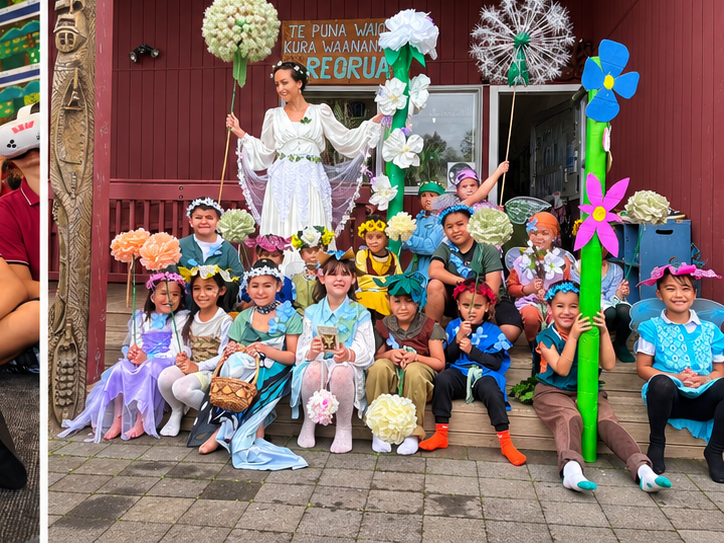
Book Week at Sylvia Park School.
For Thomas, however, the improvements are not about appearances but whether the environment tells children they are worth investing in.
“Children notice their surroundings. They know when something has been cared for. They know when the basketball hoops work, when the library has books they want to read, when their classroom looks inviting, when their sports team has a uniform they are proud to wear.
“Those things don’t replace quality teaching. Nothing replaces quality teaching. But they help create pride, and pride creates belonging.”
That sense of belonging is reinforced through a wide range of opportunities. Sport, kapa haka, cultural groups, coding, leadership programmes, arts initiatives, environmental projects and house competitions provide different ways for children to connect.
Student voice has helped shape many of those opportunities.
“Tamariki are very good at telling you what makes school exciting, what makes them feel safe, what they are proud of and what they would change.”
Their ideas have influenced everything from recreation spaces and school celebrations to leadership opportunities and recognition systems. Those conversations have reinforced an important lesson.
“One child may find their place through mathematics or literacy. Another through kapa haka. Another through basketball. Another through technology, art, leadership or service.
“A strong school creates enough doors for every child to eventually find one they want to walk through.”
Whānau and community as partners
Relationships sit at the heart of the school’s approach.
Rather than engaging with families only when difficulties arise, Sylvia Park School has worked to build ongoing partnerships founded on trust and shared responsibility.
“Our whānau are absolutely essential,” says Thomas.
“Schools can have wonderful teachers, programmes and facilities, but sustainable change happens when families believe in what the school is trying to achieve and become part of that journey.”
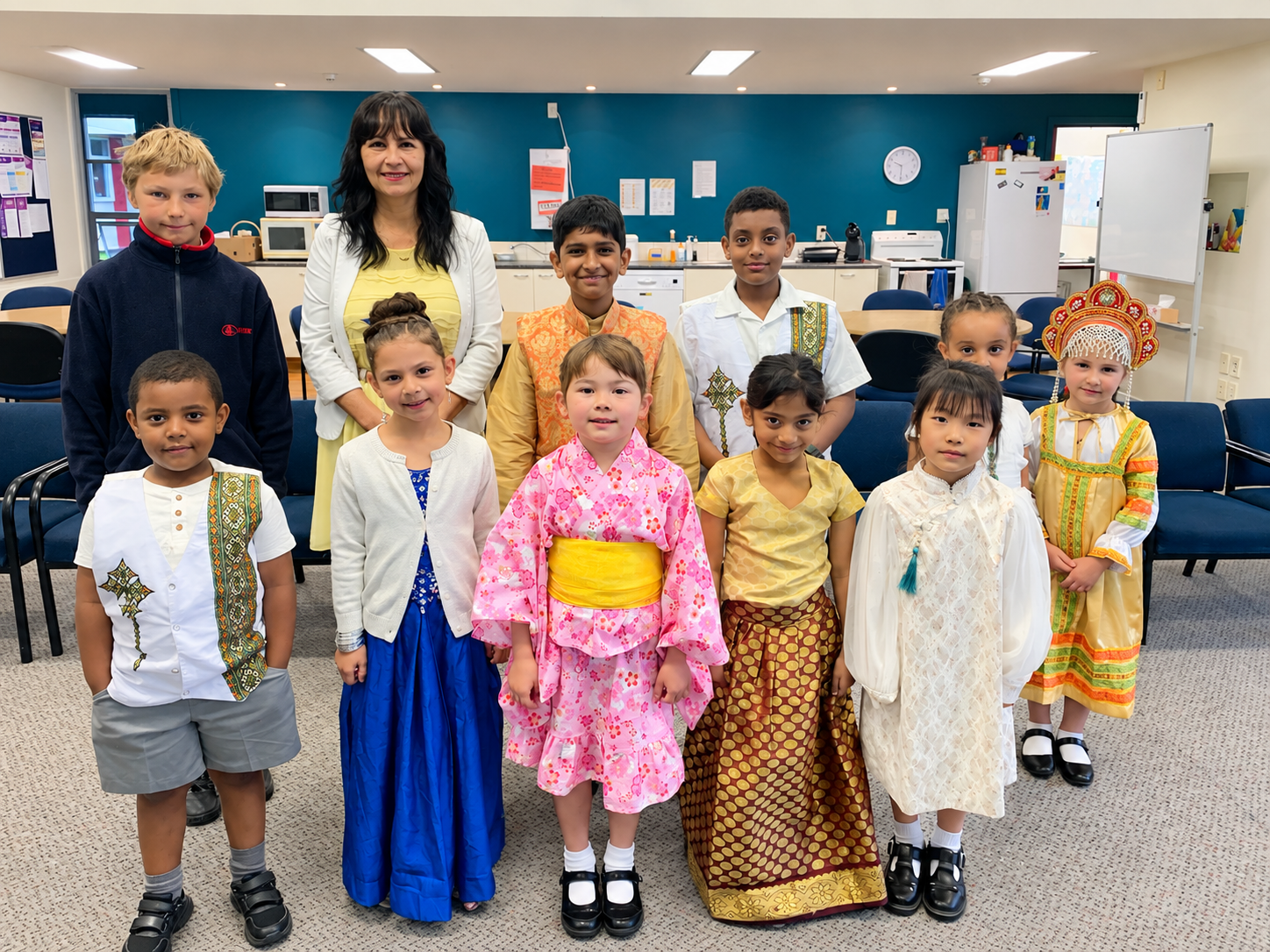
That partnership can be seen throughout school life. Families support cultural groups and language weeks, contribute to performances and celebrations and share language, stories and cultural knowledge. During cultural celebrations, whānau often bring dishes associated with their culture for staff to share, creating opportunities for connection well beyond the classroom.
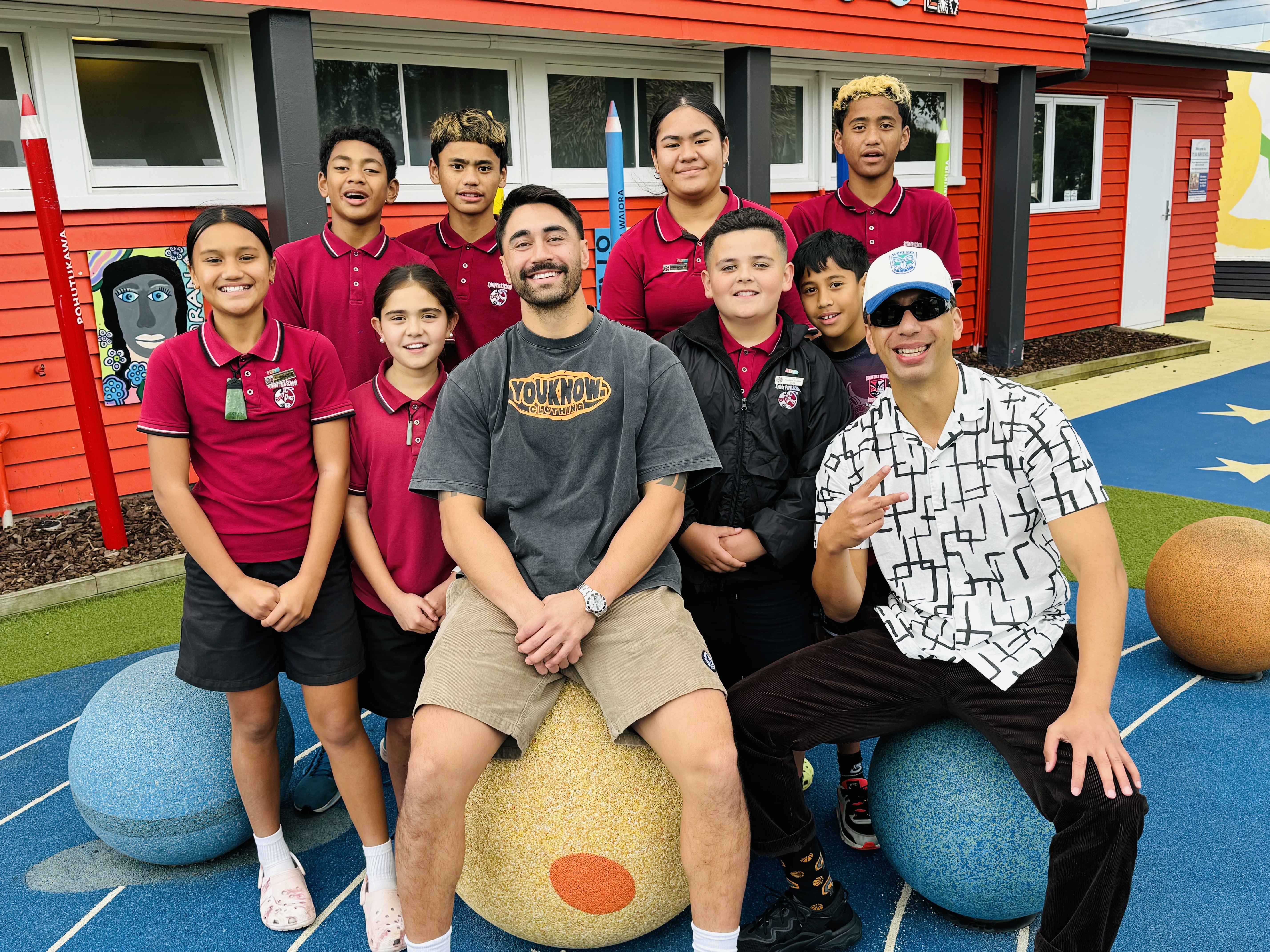
The school believes in community partnerships to help students develop a stronger sense of purpose.
Whether it is Te Wiki o te Reo Māori, Samoan Language Week, Tongan Language Week, Filipino celebrations or Cook Islands celebrations, the aim is for children and families to recognise themselves within the school community.
“For us, culturally responsive practice isn’t about displaying culture; it is about children recognising themselves in their school."
That philosophy also shapes learning. Alongside its Te Puna Waiora Māori immersion pathway, the school’s wider Pakirehua approach connects learning with identity, curiosity and authentic experiences, ensuring students can see relevance and purpose in what they are doing.
Learning beyond the school gates
Community partnerships provide another layer of connection.
One of the school’s strongest partnerships has developed with Kiwi Property and Sylvia Park shopping centre through community and eco-garden projects.
Working alongside the wider community, students contribute to gardens that benefit others while strengthening their understanding of kaitiakitanga.
“It gave our students a genuine opportunity to care for the environment, contribute to their community and see that the work they do can make a difference.”
The impact extends beyond environmental learning.
“They get a real sense of ownership and pride from being involved. They know that the gardens need looking after and that they have an important role to play.”
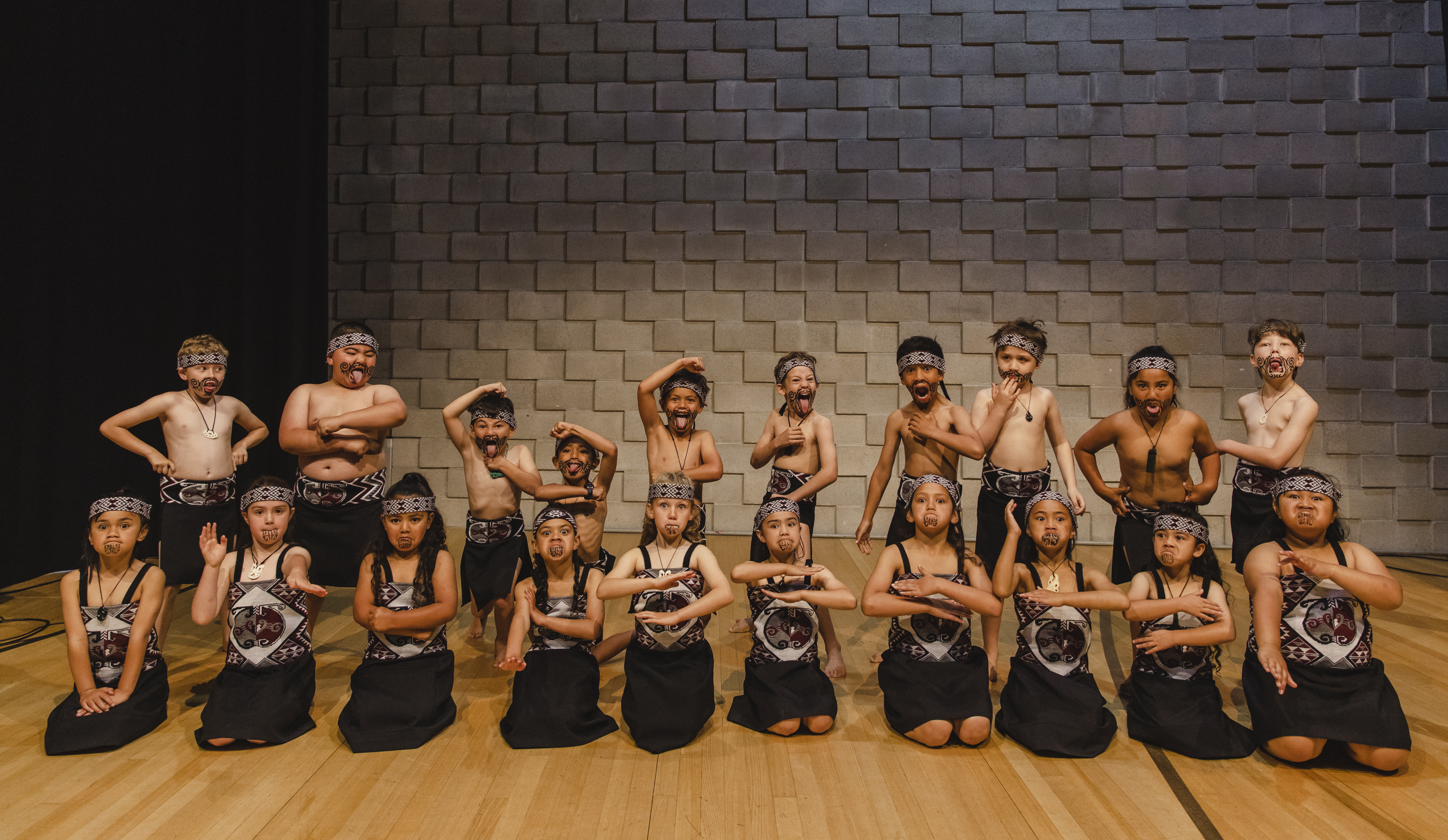
At Sylvia Park, a sense of belonging is reinforced through a wide range of opportunities, including kapa haka.
For some students, that responsibility has even influenced engagement and attendance.
“Having that responsibility and knowing they are needed to help in the gardens can give them another reason to want to be at school.”
Thomas believes community partnerships help students develop a stronger sense of purpose.
“When organisations like Kiwi Property and Sylvia Park Mall invest their time and resources into our young people, it sends a really positive message that our students are valued and that the wider community cares about their success.”
When success starts compounding
As attendance has improved, the school has noticed changes that extend well beyond the attendance register.
“When children attend more regularly, they miss less learning. They understand classroom routines. Friendships become stronger. Teachers know them better. They participate more. They experience more success, and success gives them another reason to come back tomorrow.”
For Thomas, those outcomes matter far more than percentages.
“What matters is what sits behind the attendance figures,” he says.
When more children are present for teaching, and participating in sport, culture and leadership, they also experience the satisfaction of improvement.
Over time, he says, the culture begins to shift.
“It moves from ‘I have to go to school’ towards ‘This is my school and I want to be there.’”
No silver bullet
After more than 20 years in education, Thomas is cautious about presenting Sylvia Park School’s journey as a formula that can simply be copied elsewhere.
“There isn’t one programme that fixes attendance, engagement or achievement.”
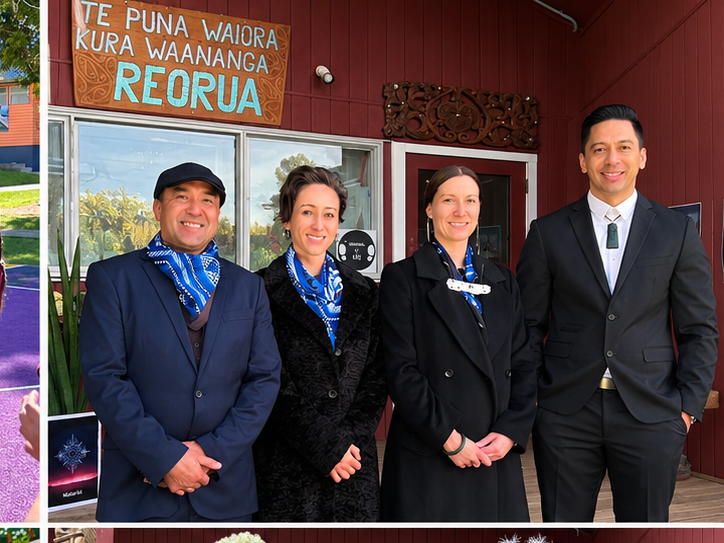
Principal Thomas Bartlett (far right) with kaiako (left to right) Jody, Jesse and Jess.
Instead, he describes improvement as the result of many deliberate decisions working together over time: knowing children well, understanding whānau, listening to student voice, following up absences quickly, creating meaningful opportunities, building community partnerships and ensuring children feel proud of their school.
His advice to other educators is simple.
“Don’t start by asking, ‘What attendance initiative should we run?’
“Start by asking, ‘Why would our kids want to be here? What stops them getting here? What happens when they arrive? Do they feel known? Is the learning strong? Is there something here that lights them up? And if they disappear, how quickly do we notice?’"
At Sylvia Park School, those questions continue to shape decisions large and small. Because, as Thomas puts it: “Whānau have to help us get their tamariki through the gate… After that, the challenge belongs to us.