Championing language, learning and opportunity
As the population of English as an additional language learners across the motu grows, meet the Ministry of Education senior ESOL verifiers supporting schools to help linguistically diverse learners thrive.

Walk into almost any New Zealand school today and you are likely to hear a rich tapestry of languages spoken in its classrooms and playgrounds.
As cultural and linguistic diversity continues to grow, schools are embracing the challenges and opportunities of supporting learners who speak English as an additional language.
Behind many of the success stories is a duo of dedicated education professionals working alongside schools every day: Ministry of Education senior ESOL (English for speakers of other languages) verifiers.
Inge Millard and Debbie McFall, both based in Auckland, are the sole senior ESOL verifiers responsible for conducting ‘verifications’ for primary schools throughout New Zealand.
“It’s our job to work with schools to ensure they have strong policies and procedures in place to support multilingual learners,” explains Debbie.
“We help schools make early identification of students from linguistically diverse backgrounds a priority, so they can get the support they need as soon as possible.
“We check whether students are eligible for ESOL funding and review the English language learning support their school provides. We look at assessment information and compare it with the English Language Learning Progressions (ELLP) to make sure judgements about students’ progress are accurate and consistent.”
They also provide advice and support to help schools review how well their programmes are working and identify practical steps to improve outcomes for multilingual learners.
“It’s a privilege working alongside principals, senior leadership teams and EAL coordinators across the motu,” she says.

Ministry of Education senior ESOL verifiers Debbie McFall (left) and Inge Millard.
Growing with New Zealand’s diversity
Inge says the role of senior ESOL verifier has evolved significantly in recent years.
“Many schools once supported only a handful of linguistically diverse learners. We’re seeing them now welcoming dozens, and in some cases hundreds, of students from diverse language and cultural backgrounds.”
Schools are looking for practical guidance on how to teach multilingual learners effectively, she says, and design high-quality programmes, assess learner progress and use culturally responsive approaches that value students’ languages and identities.
That means an important part of the senior ESOL verifier role is helping schools respond confidently and plan strategically as the number of linguistically diverse learners grows.
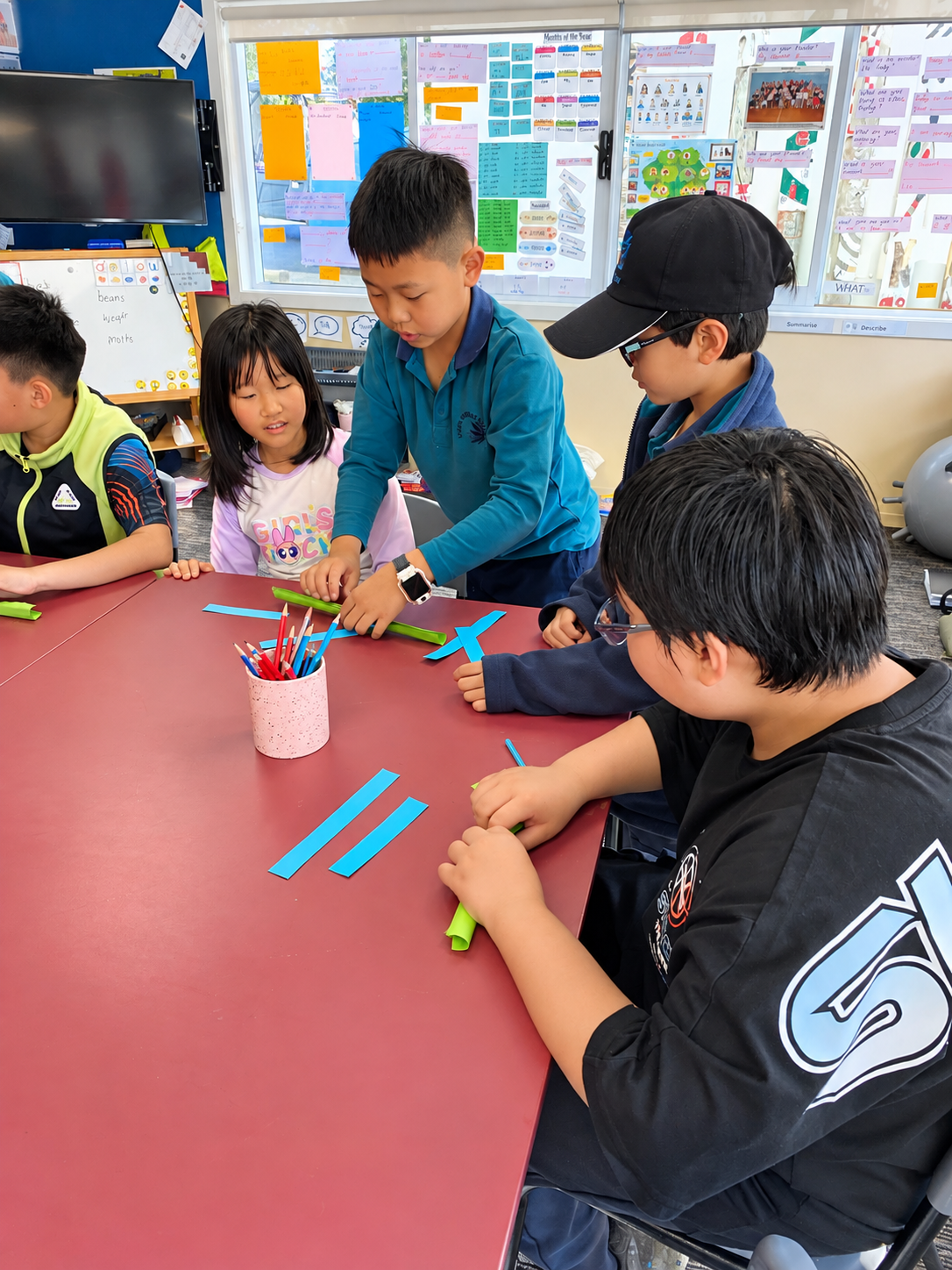
ESOL students from Kohia Terrace School, Balmoral Primary and Balmoral Intermediate Schools attend a ‘conversation club’.
“We’re seeing schools adapt incredibly well,” smiles Inge. “We see leaders who are eager to learn more about second language acquisition and how they can create environments where multilingual learners thrive.”
One of the most rewarding aspects of school visits, Debbie and Inge enthuse, is seeing innovative and effective practice in action.
“Strong ESOL programmes share several common features,” says Debbie, reeling off a list. “They use assessment to identify learners’ needs and they provide targeted, explicit language support linked directly to classroom learning.”
“They also understand that learners’ languages, cultures and identities are strengths that should be celebrated – they’re not barriers to overcome,” adds Inge.
The schools that see the most success with their learners, they say, are the schools that collect and use meaningful data to monitor progress.
“This makes sure support is responsive and learner centred,” comments Debbie. “They actively engage whānau and create a shared commitment to student success.”
Collaboration is the secret ingredient
One factor the senior ESOL verifiers say contributes to strong learner success is collaboration.
By sharing expertise, identifying learners’ needs, planning targeted support, tracking progress and using effective teaching approaches, classroom teachers and EAL specialists working closely together can help students develop both their English language proficiency and their curriculum learning at the same time.
“Teaching key vocabulary, language structures and curriculum concepts before students encounter them in class can make a big difference,” says Inge.
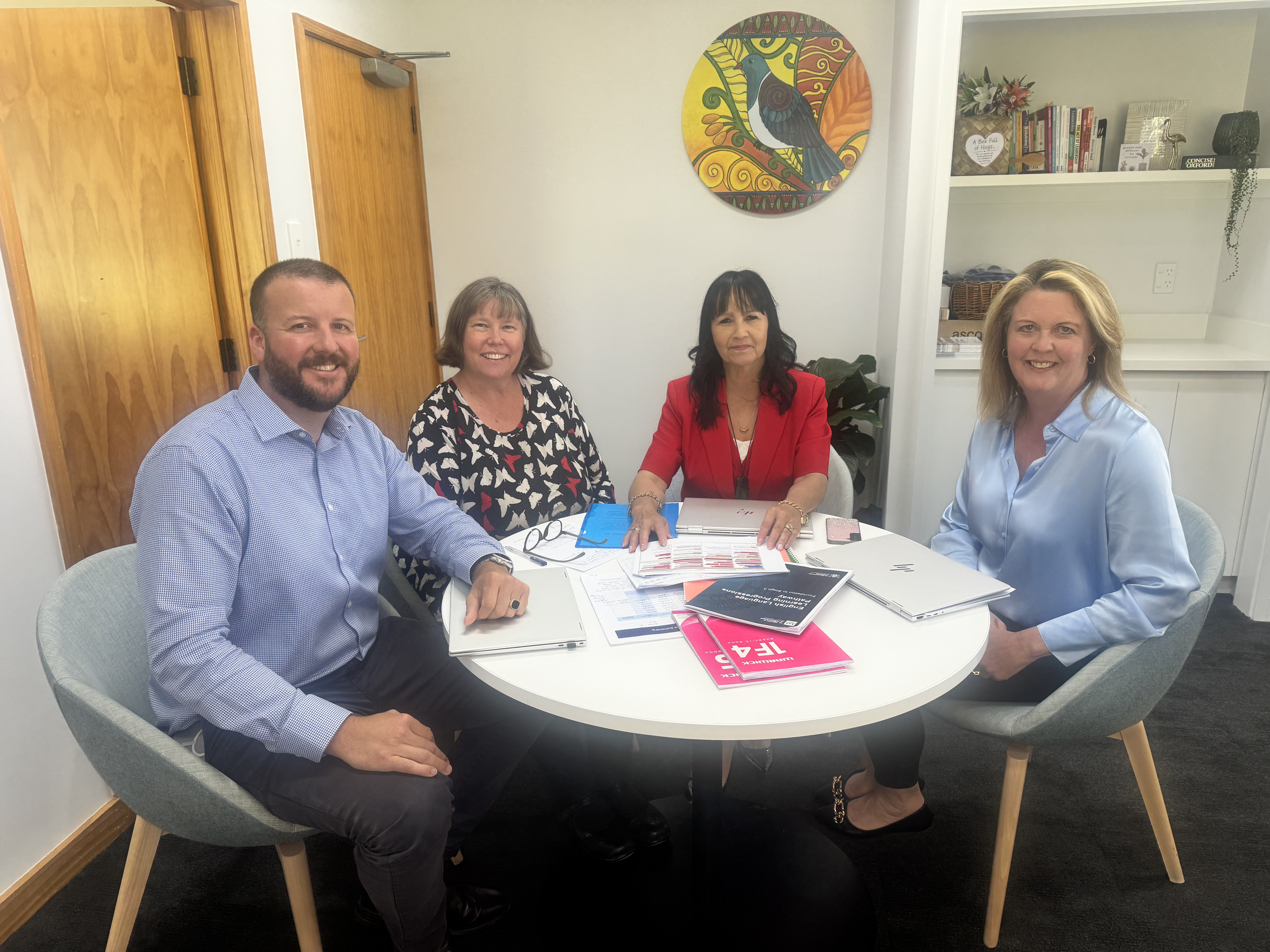
Left to right: Wakaaranga Primary School ELL coordinator and deputy principal Jonathan McPhail, specialist ELL teacher Nikki Monson, Debbie McFall and principal Caroline von Sierakowski.
“This can be done by EAL specialists, English learning assistants or classroom teachers. It helps linguistically diverse learners understand new content more easily, participate with confidence and engage more fully in their learning.”
Taking a collaborative approach also strengthens what educators often describe as “knowing your learners”, adds Debbie.
When teachers and EAL specialists share their observations and insights, they each build a better understanding of each student’s language, culture and educational experiences.
“This helps them adapt their teaching to meet students’ needs and provide more effective support for learning.”
Shifting the narrative
The duo love to challenge misconceptions about multilingual learners.
“One common misunderstanding,” says Inge cautiously, “is that students who are still learning English arrive with limited knowledge or skills.
“In reality, these young people bring so much experience, perspective, knowledge and cultural capital to their classrooms and school communities. They add so much value.”
“Another is that maintaining a learner’s home language will slow English acquisition,” adds Debbie. “But actually, research and classroom experience says the opposite: when EAL students have strong first language foundations, they’re really well set up to learn more languages.
“It’s also great for strengthening their overall learning, developing higher order thinking skills, crosslinguistic transfer and creativity.”
The pair say that when schools see multilingualism as an asset, they create environments where learners feel a strong sense of belonging and are empowered to contribute fully to school life.
Debbie attends a student welcome at Hillview School, Christchurch.
More than language learning
If there’s one thing senior ESOL verifiers want schools to know, it’s that the impact of effective ESOL support extends far beyond language development.
“When learners gain confidence in using English, they are better able to access the curriculum, participate in classroom discussions, build friendships and engage in the wider life of the school,” says Inge.
“Their sense of belonging grows and with it, their wellbeing, engagement and achievement.”
“The learners themselves bring extraordinary strengths to the classroom,” Debbie chimes in.
“Being able to speak multiple languages means they’re skilled in flexible thinking, have problemsolving skills, not to mention being really resilient and having intercultural understanding.
“These capabilities enrich learning for everyone.”
As New Zealand’s schools continue to become more diverse, Debbie and Inge say the importance of high-quality ESOL provision will only increase.
“As senior ESOL verifiers, we see a future where teachers have more confidence in supporting multilingual learners,” says Inge, “where culturally sustaining practices are embedded across schools, and where language diversity is recognised as one of New Zealand’s greatest educational strengths.”
Ultimately, the goal remains simple but powerful: ensuring every learner, regardless of the language they speak at home, has equitable access to learning, opportunity and success.
“We hope we can keep being trusted partners on that journey,” says Debbie, “helping schools transform diversity into one of their greatest strengths”.
Supporting learners is everyone’s responsibility
Debbie says one of the most important parts of their role is building teachers’ knowledge and confidence.
“During ESOL verifications, we look at what specialist qualifications and professional learning teachers have in second language acquisition pedagogy and discuss opportunities to strengthen expertise across the school,” says Debbie.
“One of the key messages we tell schools is that supporting linguistically diverse learners is everyone’s responsibility,” adds Inge. “While specialist EAL teachers are vital, the most successful schools are the ones where ESOL practice is embedded across all classrooms and woven throughout the curriculum.”
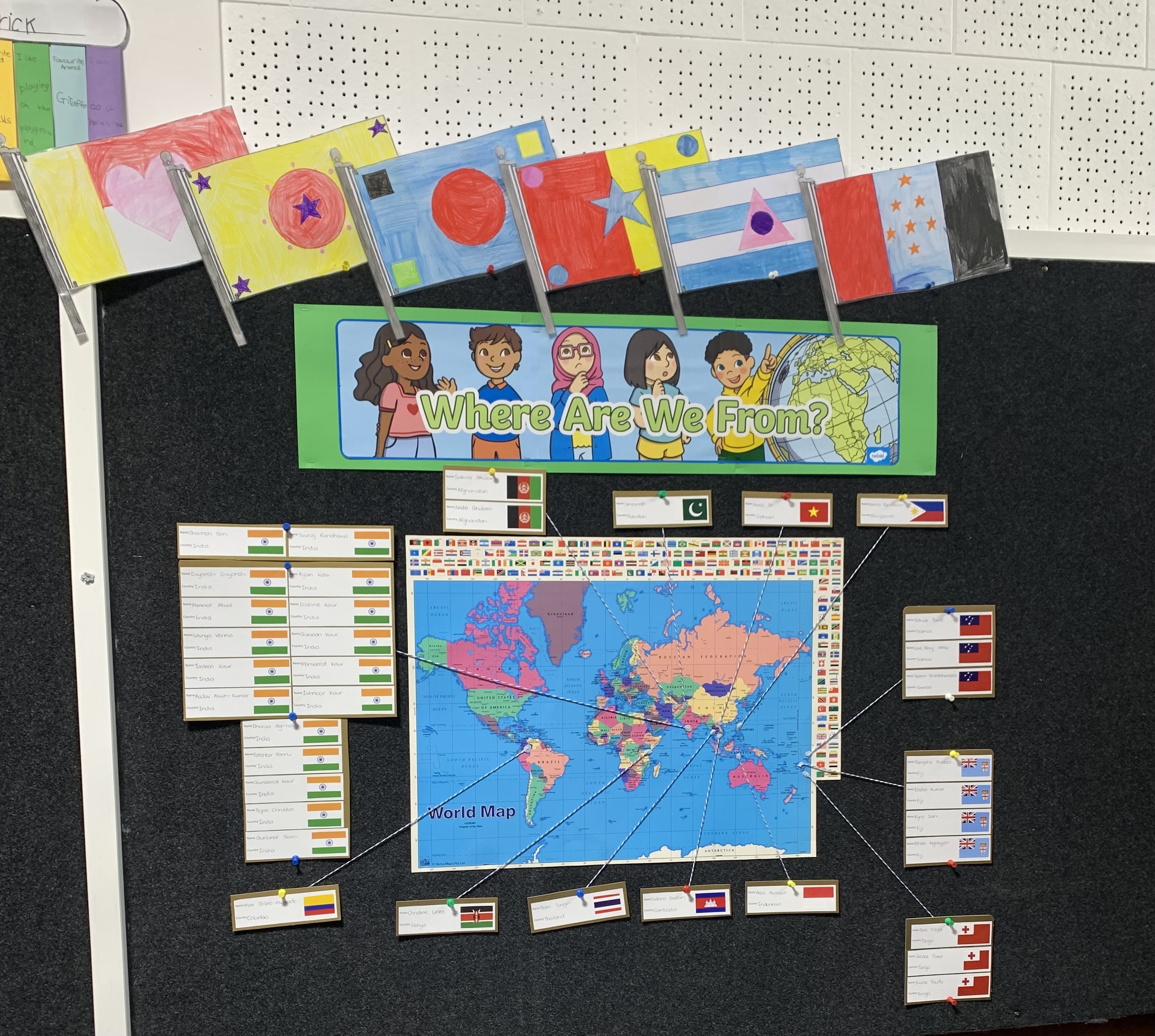
When schools see multilingualism as an asset, they create environments where learners feel a strong sense of belonging.
With EAL pedagogy lining up closely with the Science of Learning, the pair say there’s clear evidence that what works well for culturally and linguistically diverse learners benefits all students.
“We encourage schools to take a planned, long-term approach to professional learning around EAL. The most effective professional learning is relevant, practical and provided in manageable steps over time,” says Inge.
“Principals, senior leaders and EAL coordinators have an important role in planning learning opportunities that become part of teachers’ ongoing development and everyday teaching practice.”
“Our goal is to help schools build their capability so that all teachers are well equipped to support linguistically diverse learners,” adds Debbie.
The Ministry of Education’s Teaching English to Speakers of Other Languages (TESSOL) Scholarships are an excellent opportunity for teachers to gain specialist qualifications through the University of Auckland, University of Canterbury, Massey University or the University of Waikato.
The scholarships support teachers to build their expertise, confidence and leadership in teaching English as an additional language.
Learn more about TESSOL scholarships: