Understanding Tourette Syndrome in New Zealand classrooms
Tourette Syndrome is widely recognised but often misunderstood. Many educators are familiar with the name, yet uncertainty can arise when supporting a student whose tics are visible in the classroom. Emma Henderson, general manager of the Tourette’s Association of New Zealand, explains more about what Tourette Syndrome is and how ākonga can be supported in the classroom.
Across Aotearoa, schools are increasingly demonstrating that with understanding and small practical adjustments, students with Tourette Syndrome can thrive academically and socially. When teachers understand what tics are and how to respond, the classroom quickly becomes a more inclusive and supportive environment.
What Tourette Syndrome is
Tourette Syndrome is a neurological condition characterised by involuntary motor and vocal tics. Tics are sudden movements or sounds that occur outside a person’s control.
Motor tics may include behaviours such as blinking, shoulder shrugging, facial movements, or head movements. Vocal tics can include throat clearing, sniffing, repeating sounds or words, or other vocalisations.
Tics naturally fluctuate. They may increase during times of stress, fatigue, excitement, or heightened concentration, and may reduce when a student is relaxed or absorbed in an activity. This variability means Tourette Syndrome can look very different from one student to another and can change over time.
One of the most common misconceptions is that Tourette Syndrome is defined by swearing. In reality, only a small minority of individuals experience coprolalia, the involuntary use of socially inappropriate words. Most students with Tourette Syndrome experience tics that are noticeable but not offensive.
It is also important to understand that Tourette Syndrome often occurs alongside other conditions such as ADHD, anxiety, or obsessive compulsive behaviours. These associated challenges can sometimes have a greater impact on learning than the tics themselves.
How Tourette Syndrome may appear in the classroom
In classroom environments, tics can present in many ways. A student may blink frequently, cough, make small noises, tap objects, repeat words, or move their head or shoulders. Some tics are subtle while others are more noticeable, particularly during quiet classroom activities.
Many students attempt to suppress their tics during the school day. While suppression can sometimes be achieved for short periods, it requires considerable mental effort. Students often describe needing to focus intensely on holding the tic in, which can leave little capacity for listening, processing information, or participating fully in learning.

Tourette’s Association of New Zealand general manager Emma Henderson.
When a student is suppressing tics, much of their attention is focused on holding the tic in rather than on the lesson itself.
For this reason, suppression is not a sustainable strategy for the school day. It may occasionally occur when a student is trying to manage a particular situation, but over time the effort required can be exhausting. When suppression ends, tics may temporarily increase as the body releases the built-up urge.
Educators can support students by recognising that there may be a time and place for suppression, but it should not be expected as a long-term classroom solution. Allowing natural tic expression, along with short breaks or discreet movement when needed, often allows students to refocus and return to learning more comfortably.
For some learners, tics have little impact on their participation in class. For others, they may make tasks such as writing, reading aloud, or concentrating for long periods more difficult.
Many rangatahi describe school as the environment where their tics are most noticeable, and where reactions from others can influence how comfortable they feel participating. When teachers respond with calm understanding, students often report feeling significantly more confident and supported.
Why teacher responses matter
For many ākonga, the most challenging part of Tourette Syndrome is not the tics themselves but how others react to them.
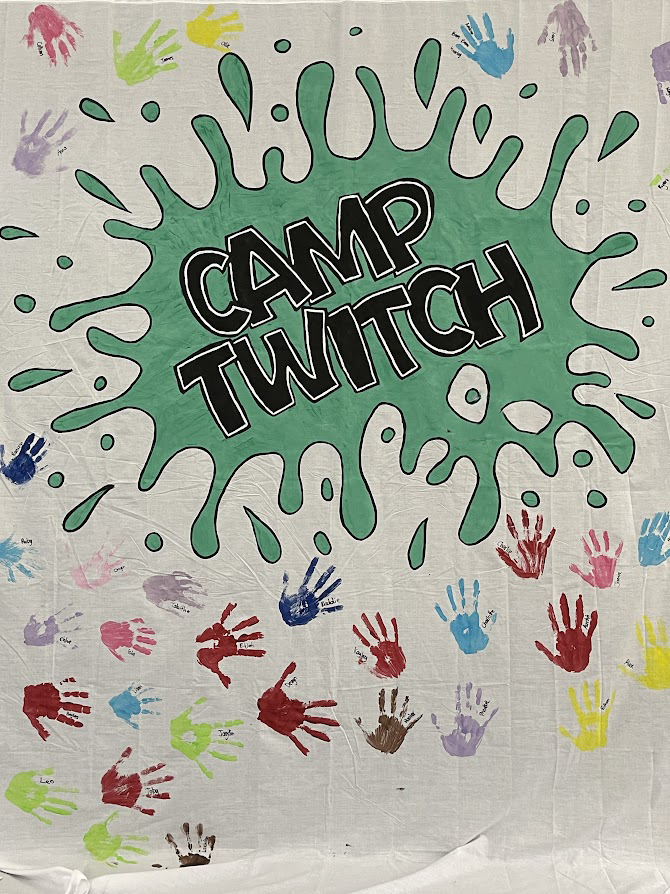
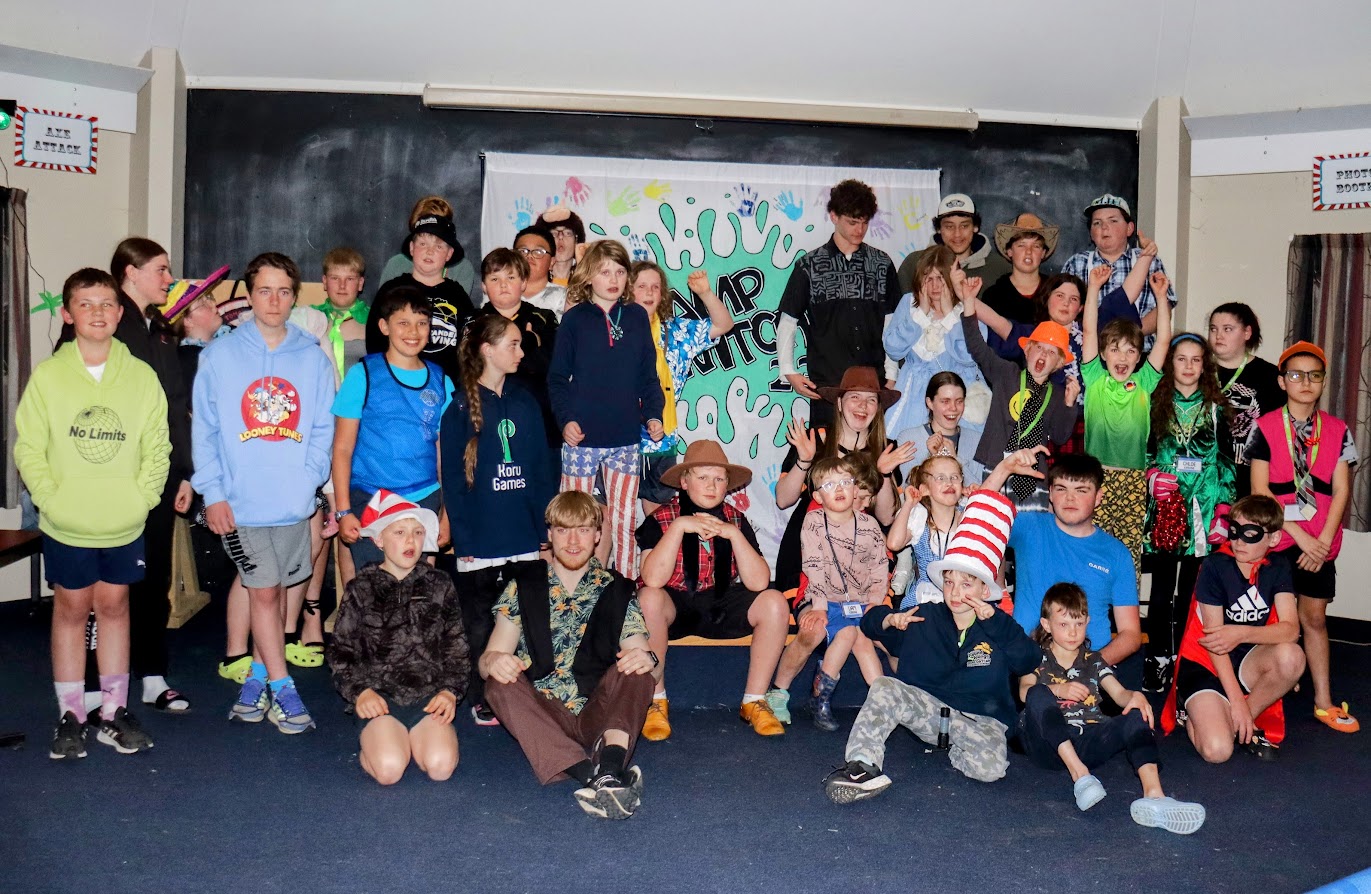
Camp Twitch is an event that supports whānau who have members living with Tourette Syndrome.
Drawing attention to tics, asking a student to stop, or reacting visibly can increase anxiety and unintentionally intensify tic activity. Calm, matter of fact responses help normalise tics and reduce social pressure.
Students frequently say that the most helpful approach is when teachers treat tics as a normal part of the classroom environment rather than something that needs to be corrected. When adults respond calmly, classmates usually follow their lead.
Classroom strategies that support students
Supporting a student with Tourette Syndrome rarely requires complex interventions. Often, small adjustments can make a significant difference.
Normalise tics
Respond to tics calmly and avoid drawing unnecessary attention to them. Treating tics as ordinary behaviour helps reduce embarrassment and classroom disruption.
Offer flexibility with participation
Situations such as reading aloud, presentations, or highly visible tasks can increase stress and temporarily intensify tics. Offering voluntary participation or alternative ways to demonstrate learning can reduce anxiety while maintaining inclusion.
Support concentration and comfort
Allowing subtle movement, brief breaks, or low distraction seating options can help students manage the physical discomfort that sometimes accompanies attempts to suppress tics.
Adjust written tasks where needed
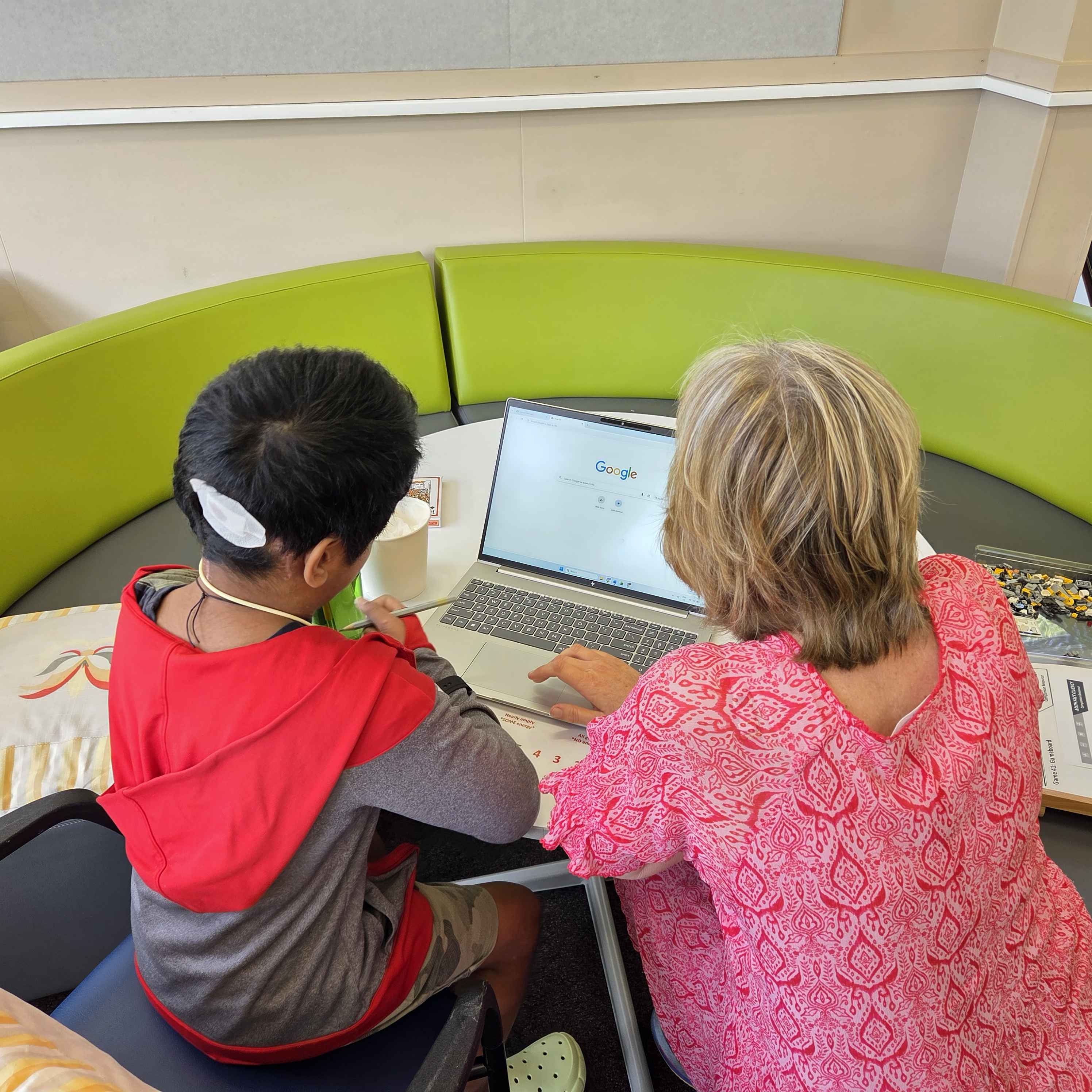
Motor tics affecting the hands, arms or eyes can make sustained writing difficult. Options such as laptops, voice to text tools, or printed instructions can help reduce fatigue.
Create predictable classroom environments
Consistent routines, clear expectations, and psychologically safe learning environments can reduce stress, which in turn may reduce tic intensity.
Importantly, strategies should be discussed with the student. Many young people with Tourette Syndrome have strong insight into what helps them learn comfortably and what situations make tics worse.
Supporting classmates and classroom culture
Students take cues from the adults around them. When teachers respond calmly and confidently to tics, classmates typically follow this example.
Sometimes brief, age-appropriate explanations about Tourette Syndrome can help reduce curiosity or misunderstanding. These conversations are most effective when they occur with the student’s consent and involvement.
Building a classroom culture that values differences benefits not only students with Tourette Syndrome but all learners.
Working with parents and whānau
Families often have valuable insight into their child’s experiences, triggers, and helpful strategies. Open communication between educators and whānau allows schools to better understand the student’s needs and preferences.
Collaboration can also support transitions between classrooms, year levels or schools. Changes in environment can temporarily increase tic activity, and proactive planning can reduce stress for both students and educators.
A previous Camp Twitch, organised by the Tourette's Association of New Zealand.
A strengths-based perspective
Tourette Syndrome does not affect intelligence. Students with Tourette’s bring the same range of talents, interests and abilities as any other learner.
Many develop strong resilience, creativity, humour and self-awareness through navigating difference. When schools focus on strengths rather than symptoms, students are more likely to feel confident and engaged in their learning.
With understanding, flexibility and inclusive classroom practices, Tourette Syndrome does not need to be a barrier to belonging or success in school.
Where educators can find support
The Tourette’s Association of New Zealand provides information, resources and presentations for educators, schools and students seeking to better understand Tourette Syndrome.
After a professional learning session with the Tourette’s Association of New Zealand, one Year 5 teacher shared:
“I gained a much better understanding of my student and how to support their needs in a positive and collaborative way. Learning more about how their tics present, possible triggers, and practical strategies for the classroom has helped create a positive outcome for everyone involved.
“We have also started a very open dialogue with the student and their whānau. We are all still learning together, but it is clear that taking the time to truly understand Tourette Syndrome makes a significant difference.”
Schools interested in learning more can access resources or request a professional learning session through the Tourette’s Association of New Zealand. More information is available on their website.