Tātou Tātou: Ross Intermediate students engineer a local economy
At Ross Intermediate School in Palmerston North, the end of term 4 saw the launch of dozens of new business ventures. The school grounds transformed into ‘Tātou Tātou – Our Market, Our Community’, and created a new fixture on the school calendar.
Ross Intermediate’s student-led marketplace served as the grand finale for a term-long inquiry into economic participation and financial literacy. The inquiry prompt students were working towards was 'how do our economic decisions, both as individuals and as a community, affect people and the world around us?'
Teacher Siobhan Walker explains the project began in the classroom, where ākonga explored the mechanics of how people participate in economic activities.
The learning quickly moved beyond 'textbook' learning. Working in small groups, students were tasked with creating a viable business from the ground up – covering everythingfro m product design and market research to financial planning and promotion.
"The best part was actually making something from scratch and seeing people want to buy it," shares one Year 8 ākonga while reflecting on the day. "We had to change our prices halfway through because we were selling out so fast!"
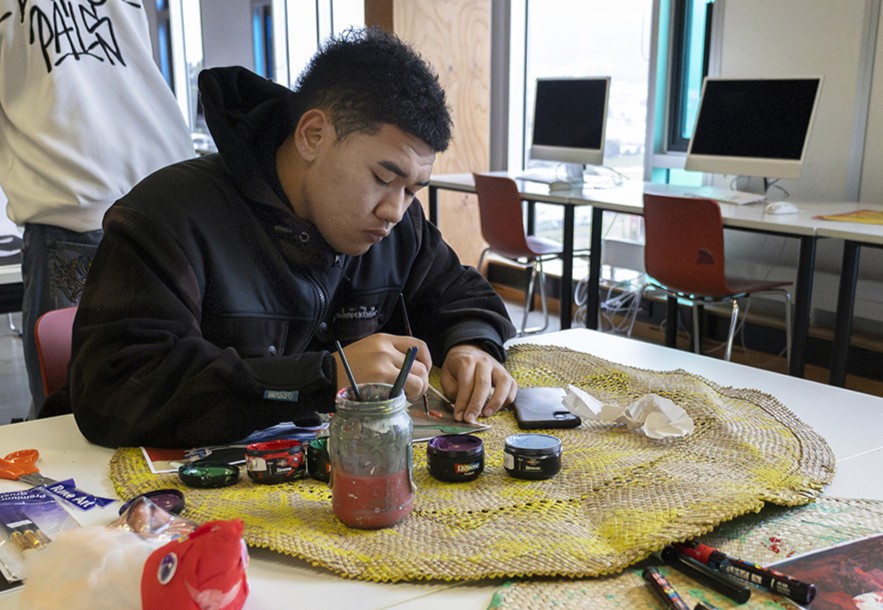
The diversity of the ‘Friday market’ reflected the students’ creativity and local insight. Stalls ranged from artisanal goods like 3D-printed toys, hand-made Christmas ornaments, and custom posters to services including a car wash and even a professional photography booth.
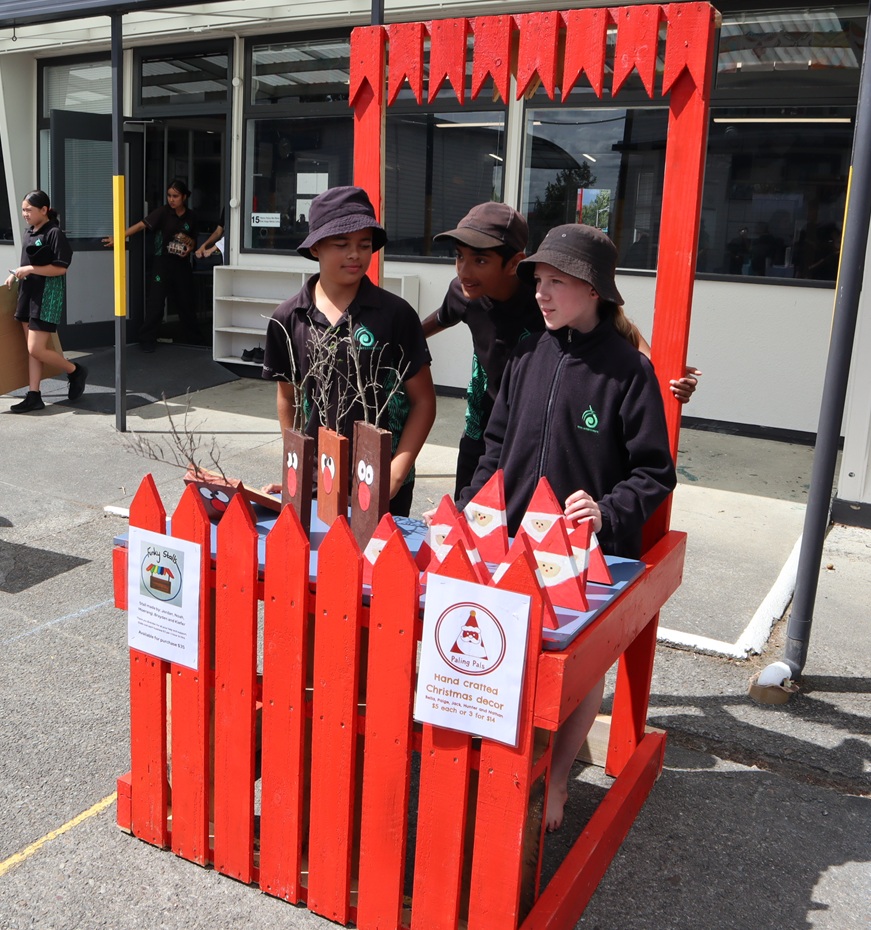
Jack, Nathan and Paige at their market stall.
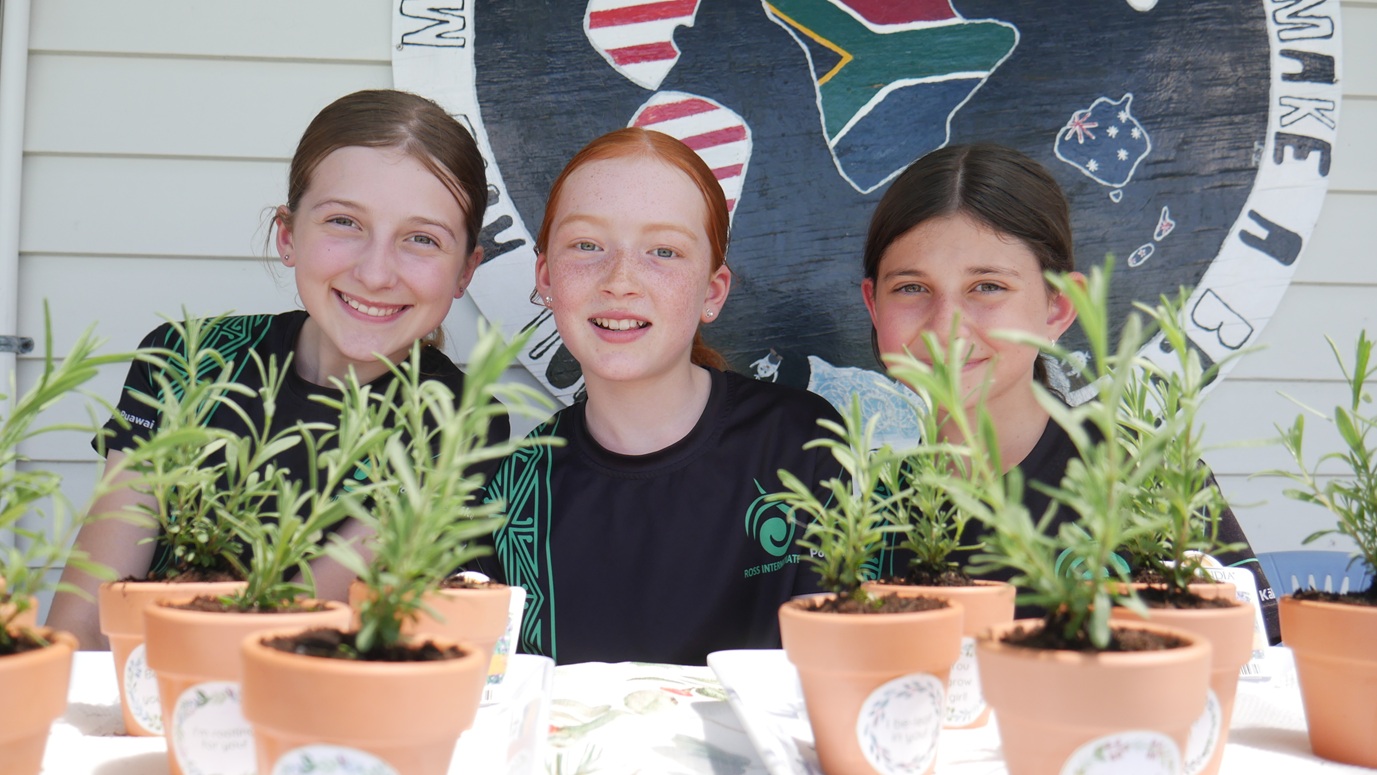
Eliza, Ella and Harlow sold potted plants.
A currency of their own
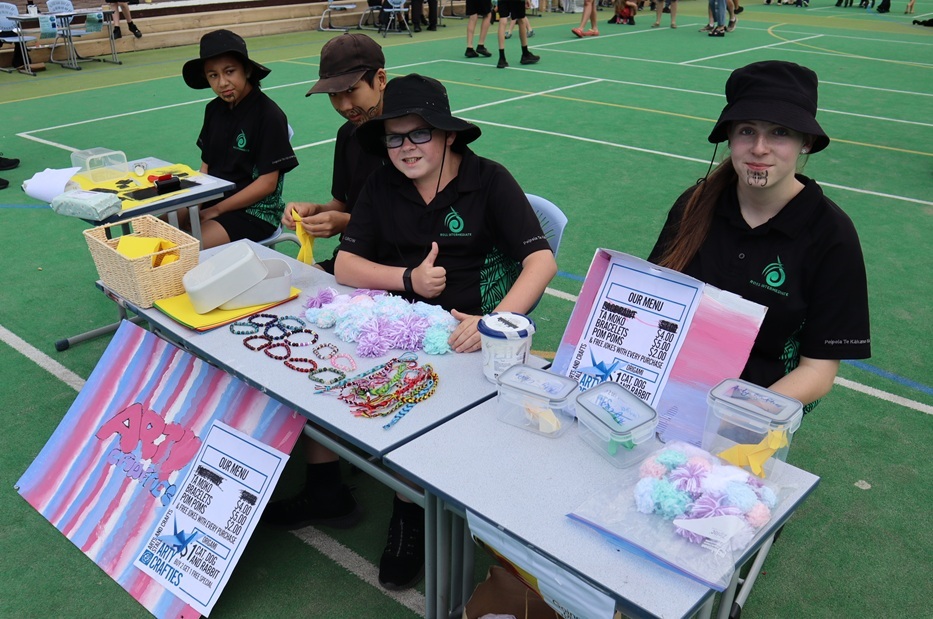
Maia, Darren, Jacob and Miya sold their arts and crafts.
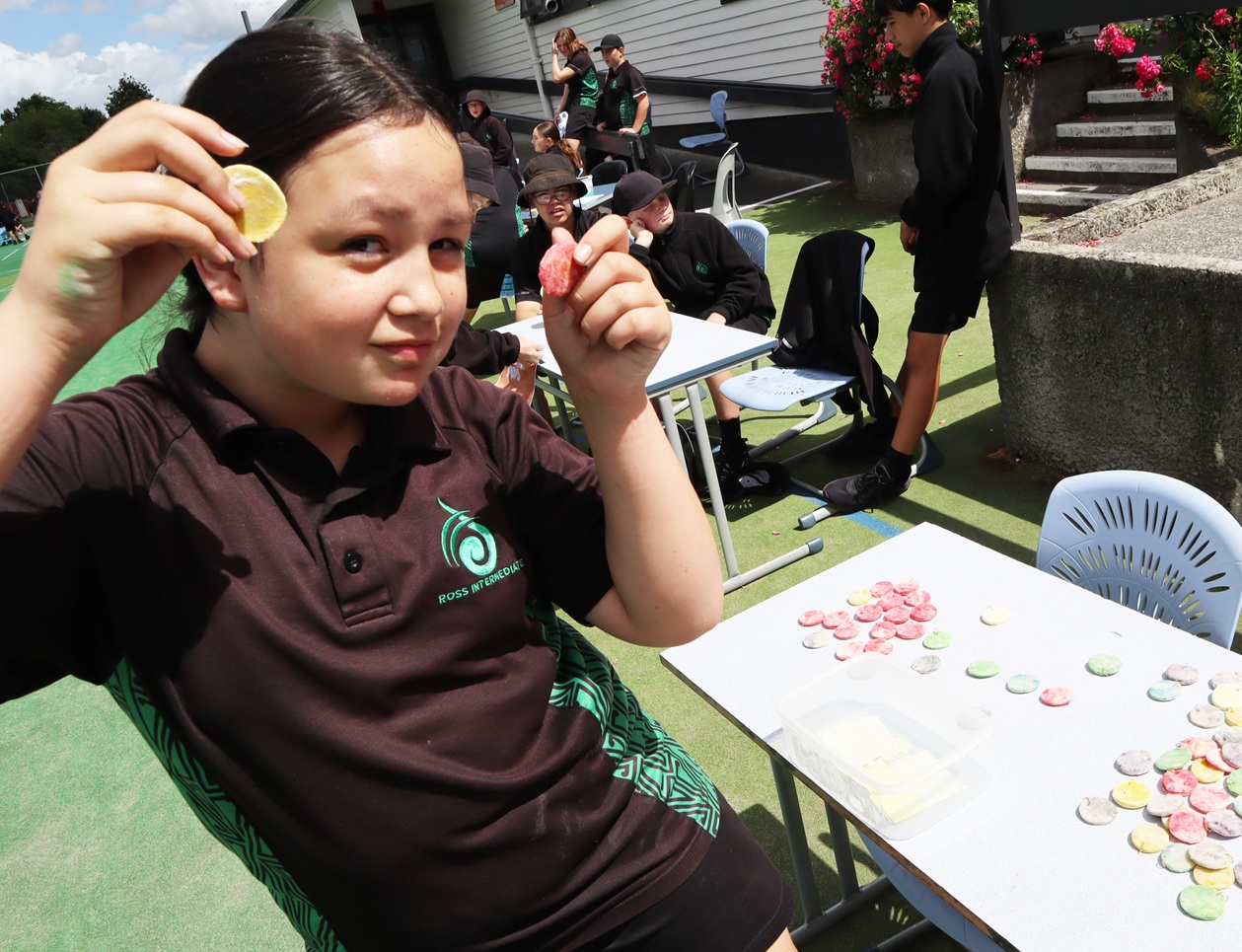
Kyrah-lee with her wares.
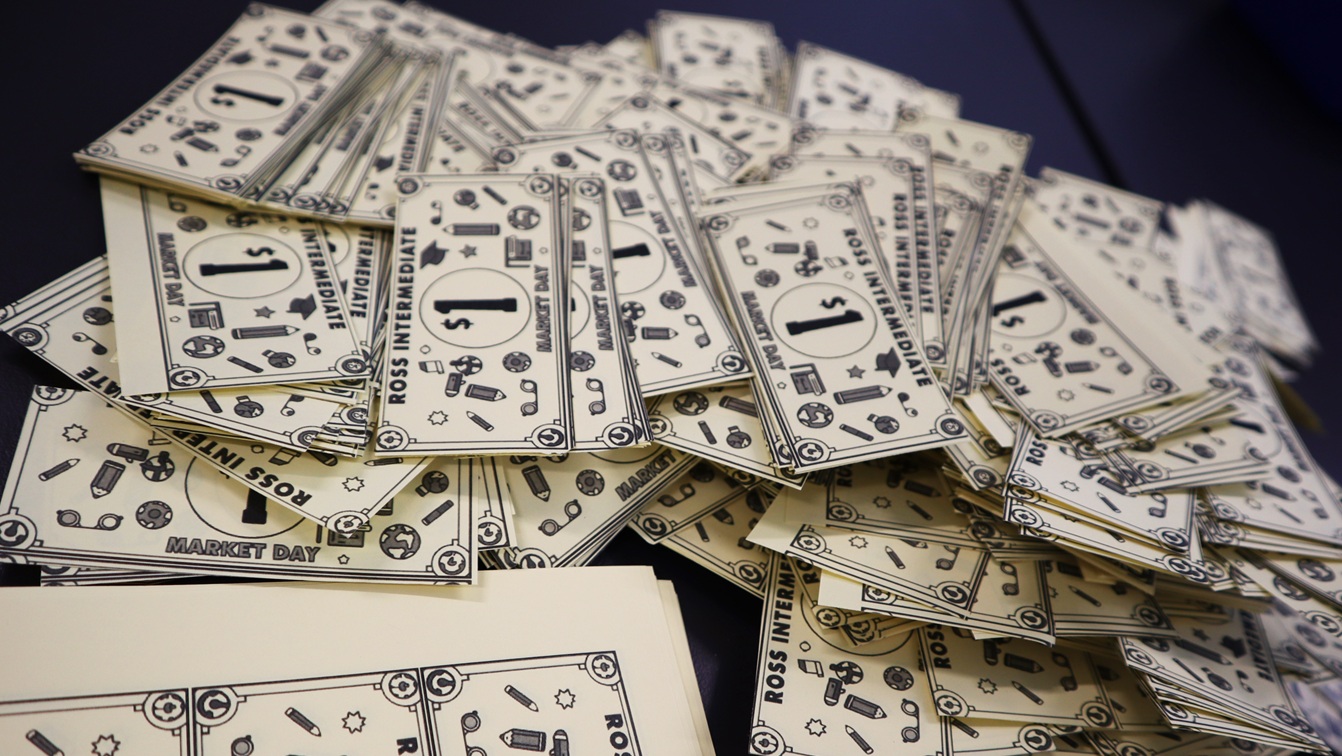
One of the most innovative features of Tātou Tātou was the implementation of a schoolwide temporary currency. To participate, whānau and community members exchanged New Zealand dollars for ‘market currency’ at a central exchange located in the school gym.
"At first, I was worried about how the tokens would work, but it actually made it way easier to keep track of our sales," explains another student entrepreneur.
This system added a layer of authentic financial literacy. Ākonga had to manage their ‘cash flow’ using the tokens, while the school office handled pre-event exchanges for students to simulate banking systems. For the young entrepreneurs, the challenge was clear: price their goods competitively while managing the logistics of a fast-paced trading environment.
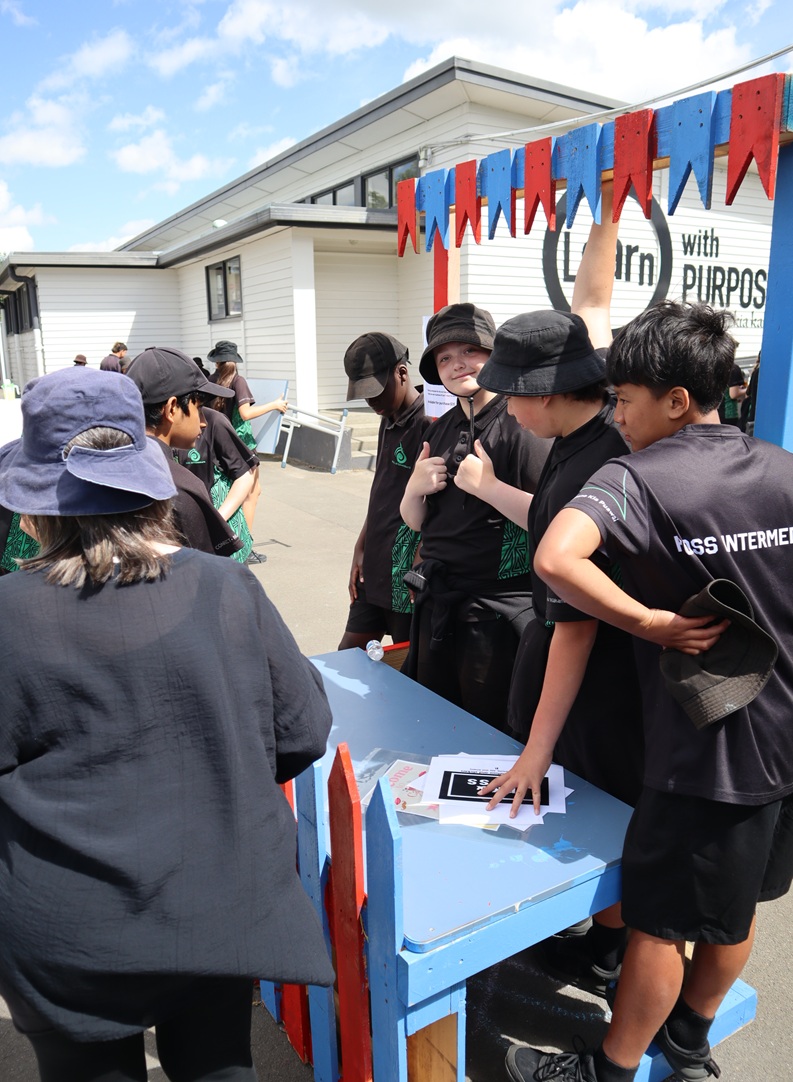
There were plenty of satisfied customers.
Connecting with community
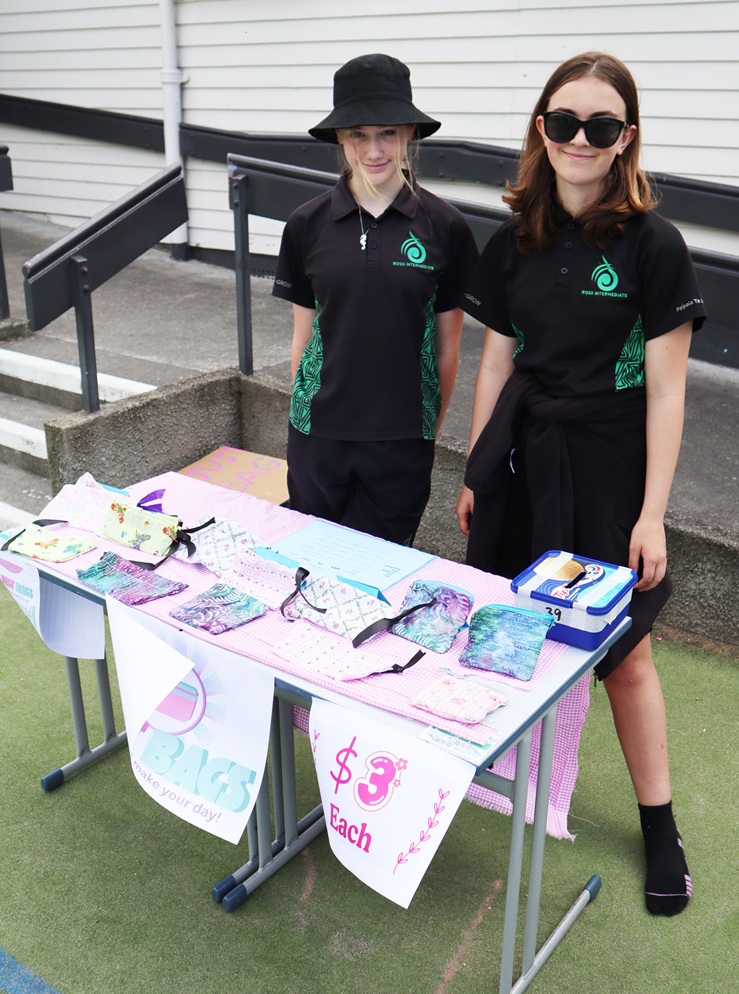
Eden and Aly sold bags.
The event’s name, Tātou Tātou (meaning ‘all of us together'), aligns with the school’s vision: Poipoia te kākano kia puawai (connect, nurture, grow).
"It wasn’t just about making a sale," says school kaimahi Adam Dodd. "It was about our ākonga seeing themselves as active contributors to their community. When they saw parents and locals lining up at 11am to buy products they had designed and built, the 'why' of their learning became immediate and real."
By 11am, the students themselves were allowed to browse their peers' stalls, fostering a sense of tautoko and entrepreneurial spirit across the school.
Future-focused learning
Initiatives like these bridge the gap between intermediate schooling and the real world. For example, as part of the development of their stalls students had to balance both financial and environmental impacts.
By navigating the highs and lows of business – from supply chain issues to the rush of a first sale – Ross Intermediate students are developing the soft skills of resilience, collaboration and critical thinking that will serve them long after they leave the school gates.
"I definitely want to do this again next year," says one ākonga, as they pack up their stall. "I learned that you have to be really organised if you want your business to work."
“We have been blown away with the engagement from our students and community and see this as being an ongoing feature of our school calendar,” says Siobhan. “We have learned that when you give students the agency to build their own economy, they don't just learn about the market – they create it.”
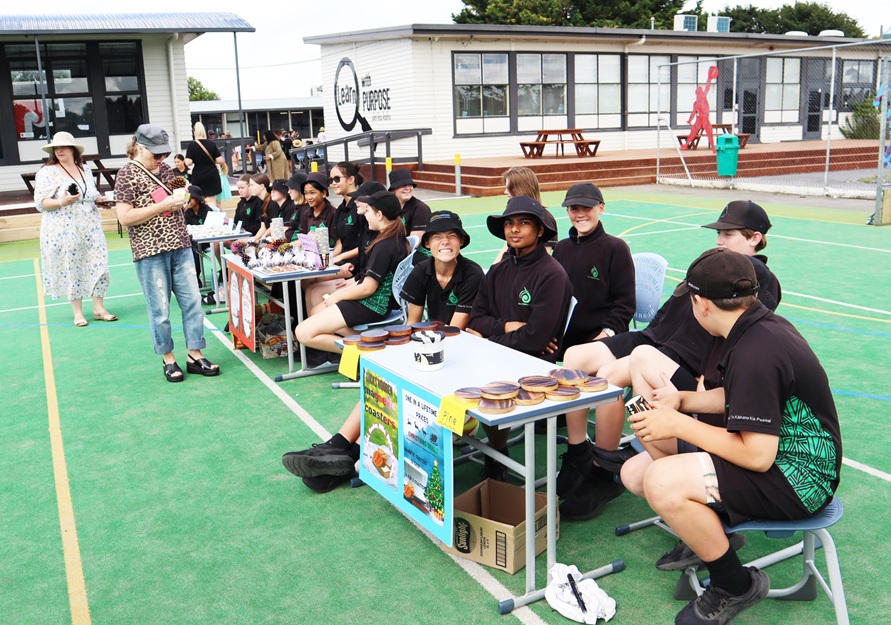
Customers start to arrive at the Ross Intermediate market day.