Students go behind the screens and scenes of Pike River film
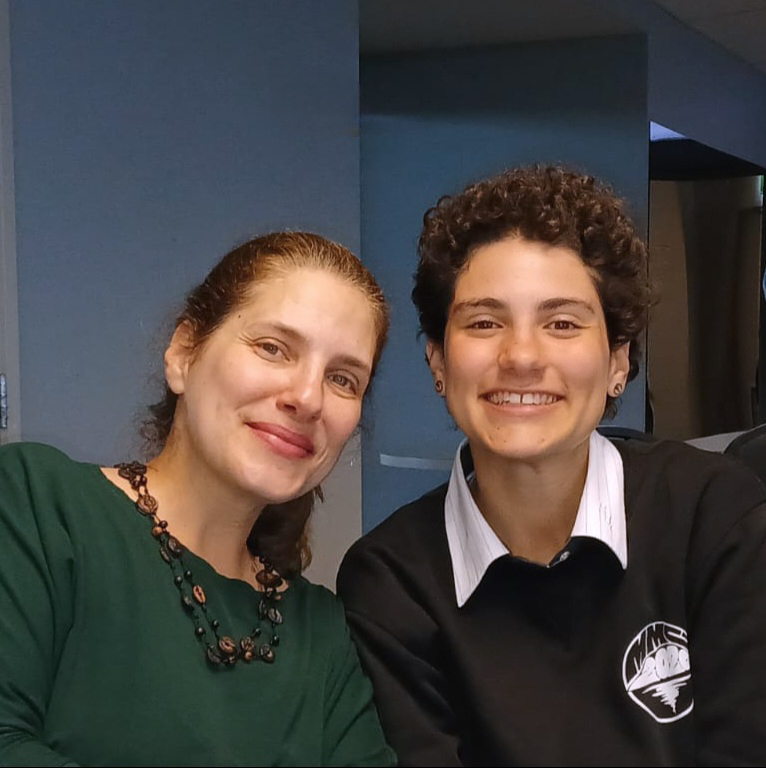
Secondary school ākonga can now look behind the scenes of Pike River thanks to an educational resource created by the makers of the film. It investigates the film's production, the Pike River Mine disaster and the fight for justice led by Papanui High School support staff member Sonya Rockhouse and former Paparoa Range School staff member Anna Osborne, who both lost family members in the mine.
Pike River Mine on the West Coast exploded on 19 November 2010, taking the lives of 29 miners. It was a tragedy that a Royal Commission investigation found could have been prevented.
Sonya Rockhouse lost her 21-year-old son in the disaster and has fought for justice ever since.
Her story, alongside that of friend and fellow Pike River advocate Anna Osborne, whose husband died in the mine, was brought to light in the film Pike River, released last year.
Pike River film director Rob Sarkies sought an educational resource to accompany the film as part of the Pike River legacy.
“The film is a gateway and the resources take you beyond that gate to engage with the many societal issues brought up by the Pike River story,” he says.
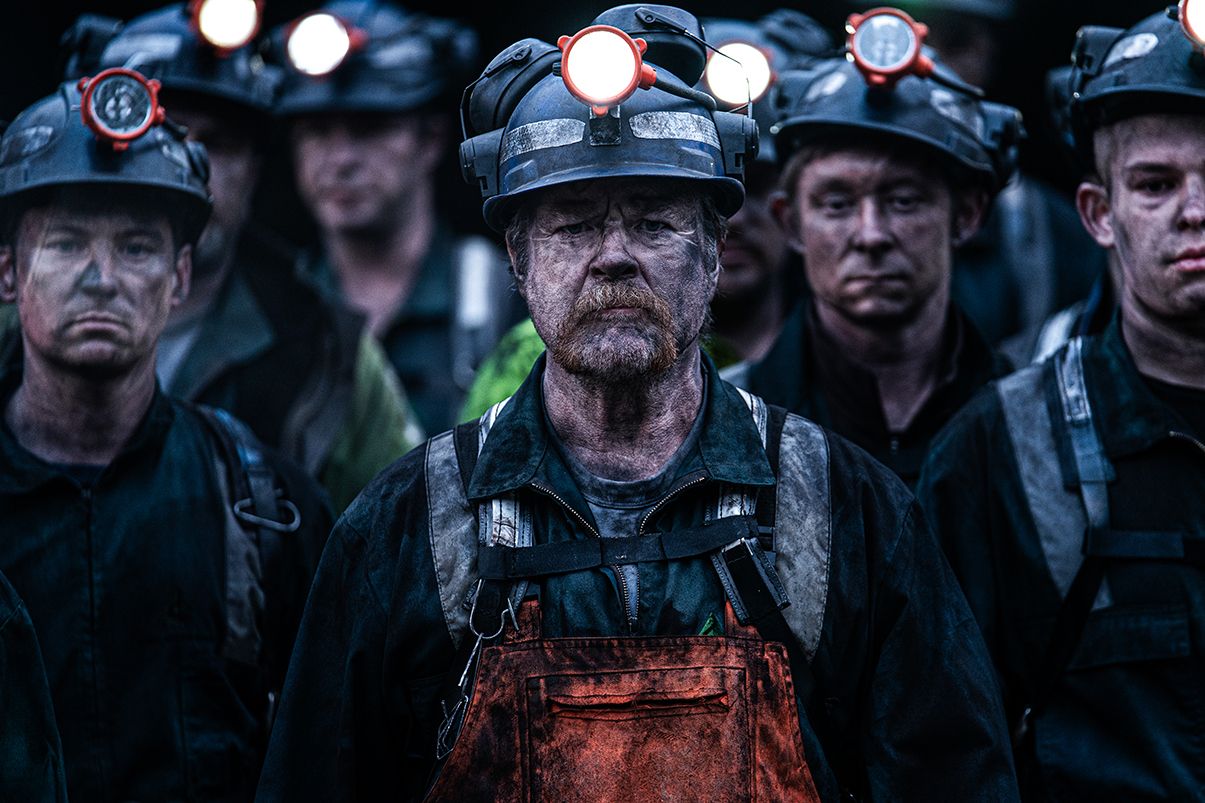
The film Pike River follows the 2010 disaster and the resulting legal battles by the families of the miners who were tragically lost. Photo: Matt Grace
The education kit, funded by the New Zealand Film Commission and supported by Madman Entertainment, was created by Square Eyes creator Nic Marshall, who bridges cinema and education. Olly Bisson was the key educator who worked to make sure the kit was curriculum-aligned.
The resource is for Years 10 to 13 ākonga and launched in January. The classroom and teacher support materials include scene-specific director commentary, behind-the-scenes footage, and interview clips with filmmakers and actors including Robyn Malcolm and Melanie Lynskey, who portray Sonya and Anna.
Rob says he made the film as a cultural mirror, exploring how New Zealand operates by walking in the shoes of Sonya and Anna.
“I felt this would be a great thing to explore in schools because the film is one thing, and the actual story is another. This makes it relevant to a lot of subject areas from English to history, social studies to media studies.”
The kit covers the disaster itself and explores Royal Commission reports and the art of filmmaking. Ākonga can analyse themes and how film is used to convey a broader picture in a way that is understandable to the audience. They can also explore the power of acting to engage audiences' attention.
Framing narratives and standing up
At Papanui High School, social studies students already learn about Pike River through Rebecca Macfie’s book, Tragedy at Pike River. Alongside this, Sonya – who has worked at the school for 25 years – shares her own perspective on losing a son in the mine explosion.
“I get asked a lot of questions,” she says. “Some teachers even send their kids from class to ask me questions. I talk to them about standing up and using their voices.”
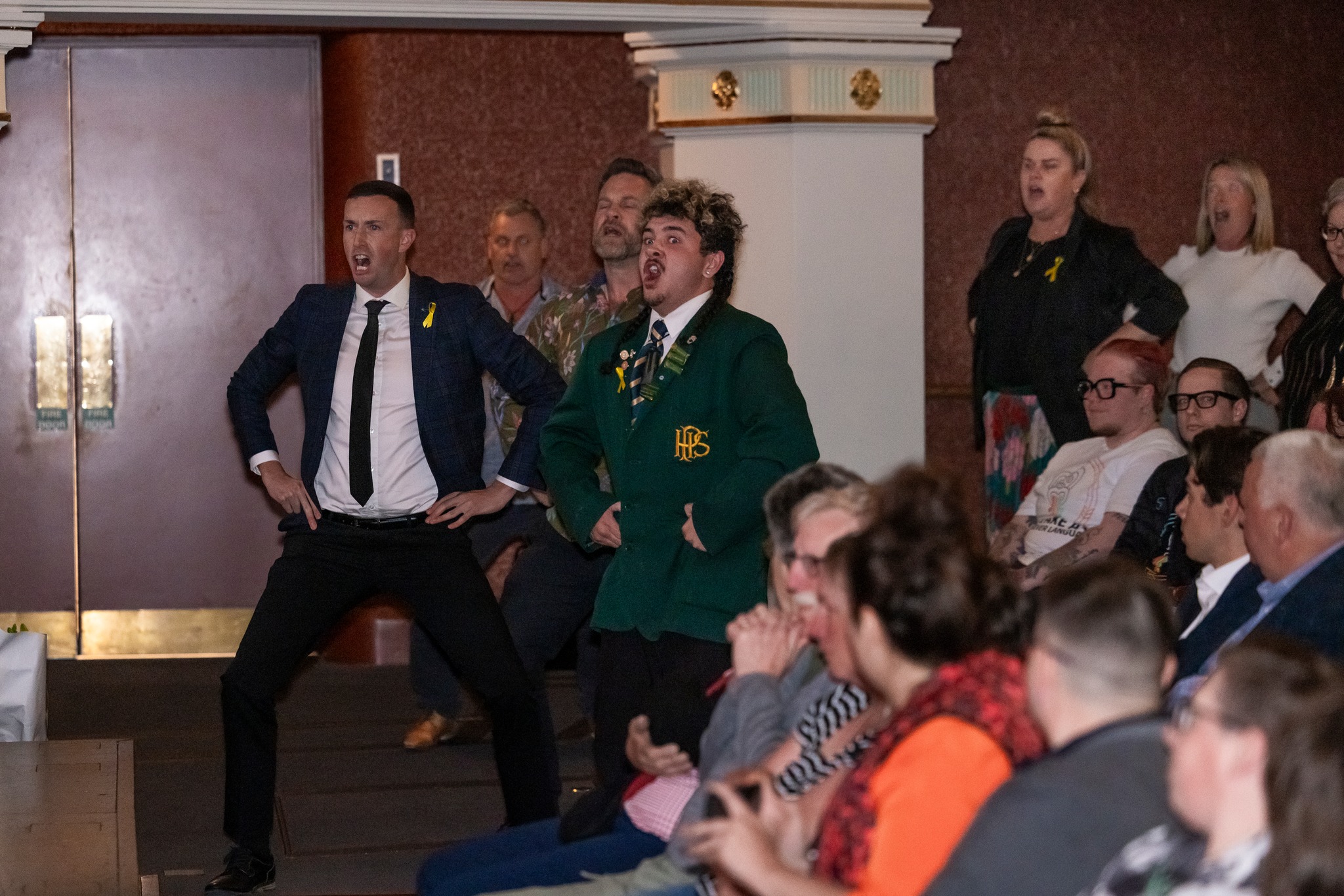
Papanui High School kaimahi and ākonga performed a haka at the Christchurch premiere of Pike River. Photo: Doug Richardson
At the Christchurch premiere of the film in October 2025, 150 Papanui High School staff and ākonga attended and performed a captivating haka in honour of Sonya.
The film and its unpacking help ākonga see behind the scenes of the tragedy. Sonya says it is part of New Zealand’s history and is important to remember.
“This event is something the kids can relate to more than other past international historic events. They’ve seen it on the news, heard their parents talk about it. This makes it more relatable to them, and it makes them more engaged,” she says. “My school thinks the kit is a fantastic idea.”
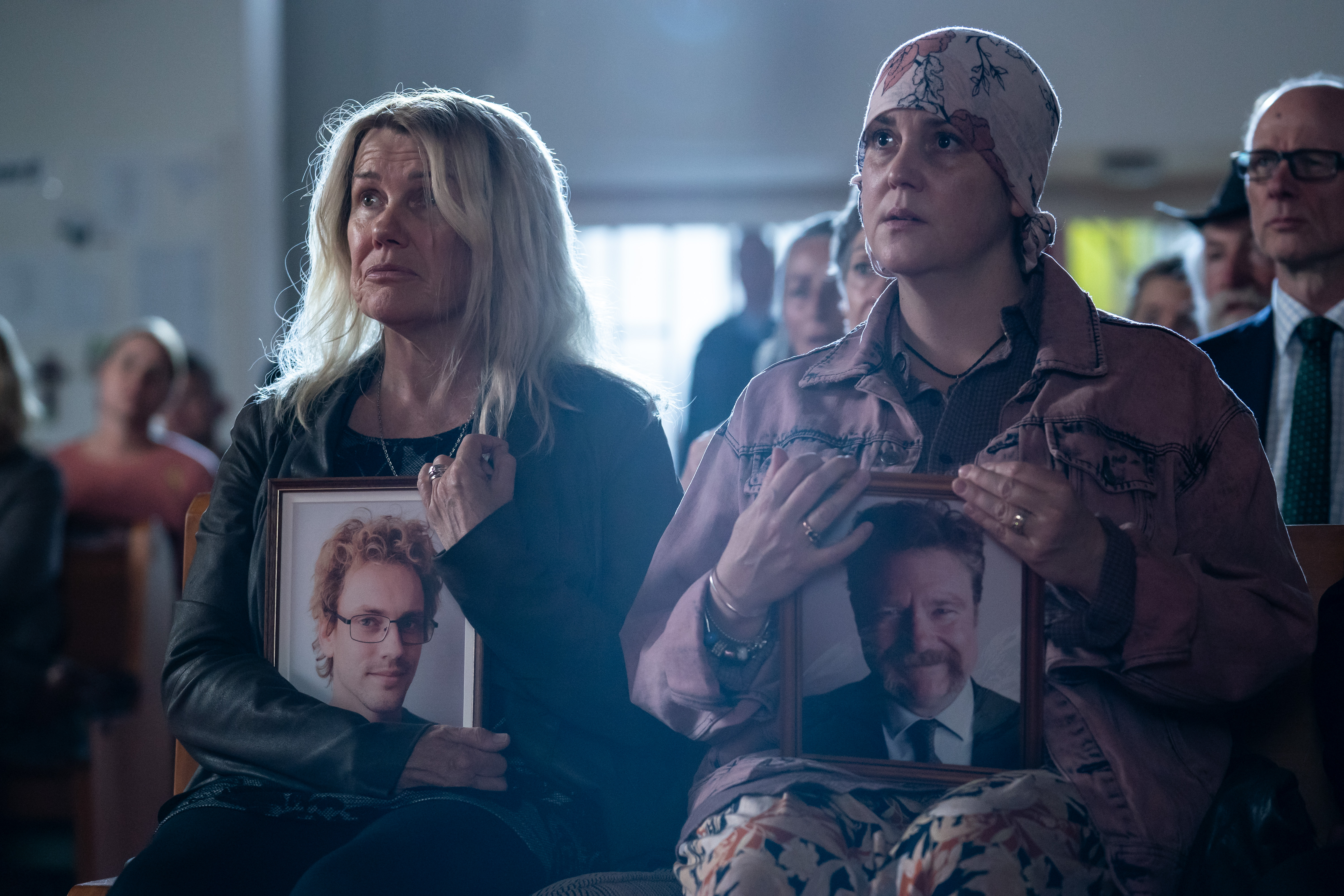
A scene out of the film Pike River with actors Robyn Malcolm and Melanie Lynskey who portray Sonya Rockhouse and Anna Osborne. Photo: Matt Grace
Anna, who previously worked at Paparoa Range School as a learning support coordinator (LSC), adds that 29 people lost their voices that day: “They can’t speak for themselves now, so that’s why we’re doing what we’re doing.
“It’s important that the young ones know they don’t have to be a rocket scientist or doctor or something with really high education levels to speak out,” she continues. “We are just two ordinary women who saw the injustice and decided to fight for what was right. You just have to believe in what you believe in and go forward with that.”
The Pike River disaster is well documented across the media, with coverage from many perspectives. It’s why, Rob explains, the idea of ‘framing narratives’ is the central theme of the education kit. Ākonga consider the question: “How do people frame narratives?”
“We want them to think critically and have an awareness that every narrative they’ve been exposed to has been framed in some way,” says Rob. “Who’s in control of the narrative? Traditionally, it’s the people who have power.”
Although the mine explosion occurred more than 15 years ago, the film keeps the story alive and remains relevant to students using the resources, including workplace health and safety, say Sonya and Anna.
“I kissed my husband goodbye in the morning, and that was it. He didn’t return home,” says Anna. “It was all so unexpected. We were just ordinary people, and it could happen to anyone.
“We’re hoping that this film and what we have done will get people thinking about their own health and safety.”
The courage to question
Sonya and Anna say they want ākonga to watch the film to understand why they stood up and fought for justice.
“We had no choice as far as we were concerned,” they say. “That’s what we want students to know – that they can speak up if they see things that are not right.”
When these discussions occur in her school, Sonya says she feels a sense of pride. “If we can save one life, then it was all worth it.”
She speaks of one of her students who attended the premiere. Legally blind, he wants to be a lawyer.
“He’s had his obstacles to overcome, and he told me he wants to be a lawyer so he can advocate for people who can’t advocate for themselves. He told me Pike is a big part of that,” she shares.
Anna says the resource is inspiring ākonga to think critically and to have the courage to question.
“To question decisions, why a decision has been made. We live in a democracy, and young people have a right to have their voices heard.”
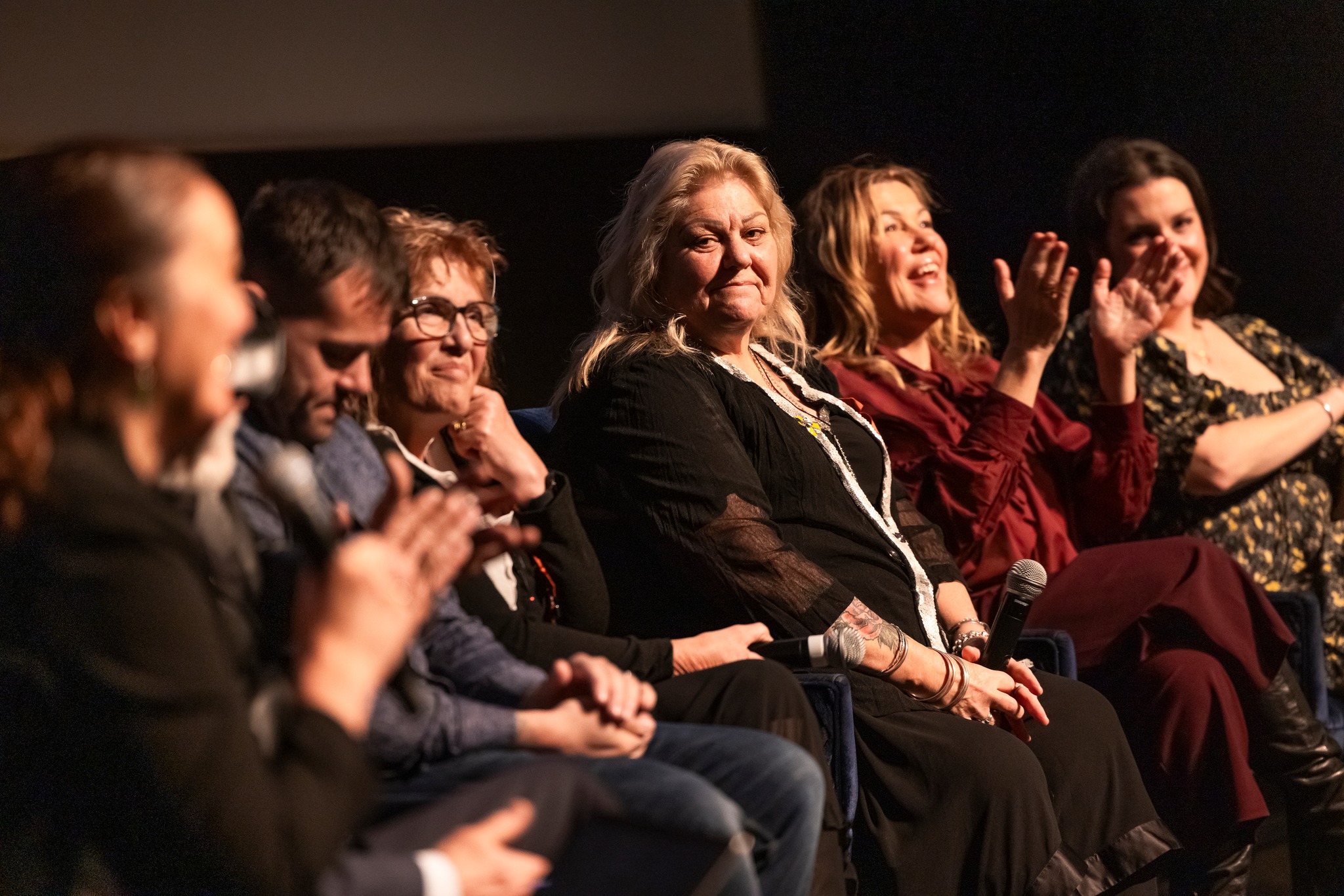
Sonya Rockhouse, centre, at the Christchurch premiere of Pike River. Sonya was portrayed in the film by Robyn Malcolm, who sits to the right of her. Photo: Doug Richardson
When Sonya hears ākonga complaining about certain issues, she asks them directly: “So what are you going to do about it?”
“Hopefully, our story, explored in greater depth through these resources, can inspire kids; if they think that something is not right, to do something about it,” she says.
The power of action
Sonya and Anna's fight to prevent the mine from being sealed led to an investigation into the tragedy, which uncovered new evidence. In 2017, the Supreme Court ruled it was unlawful for WorkSafe to withdraw its prosecution of the Pike River mine boss in exchange for payments to the victim’s families.
“If Sonya and I hadn’t stamped our feet and started to throw some hissy fits, it would have been up to the Police and the Government because they were ready to close the mine and basically throw away the key,” says Anna.
“We wouldn’t have been sitting here now,” adds Sonya. “None of this would have happened.”
Sonya and Anna have also helped to create a guide for agencies including the Police on how to approach and work with victims’ families.
Rob adds that, in 15 to 20 years, some of the rangatahi engaging with this education resource will be our leaders.
“I would like to think that Sonya and Anna's story, via this film and the kit, can inspire a new generation of young people to protest and have empathy for others,” he says. “To stand up and fight if they see that a wrong has been done. To inspire the next Nigel Hampton, the next Helen Kelly, the next Anna Osborne and Sonya Rockhouse. To find their own pathway to helping the world be a fairer place.”
Rob says Sonya and Anna stand as examples of perseverance. “What they’ve done is inspiring, and I feel like that’s a great message for young people, whatever the cause may be,” he says.
Anna hopes the resource will inspire future generations.
“History has a bad habit of repeating itself. We’re hoping this will educate our young people and make them believe in themselves, to know that their voice is important and they have every right to question people if they think something’s wrong,” says Anna. “We want to encourage more of our young people to stand up and be counted without being afraid.”
The Pike River film education resource is available on Madman Entertainment’s website.