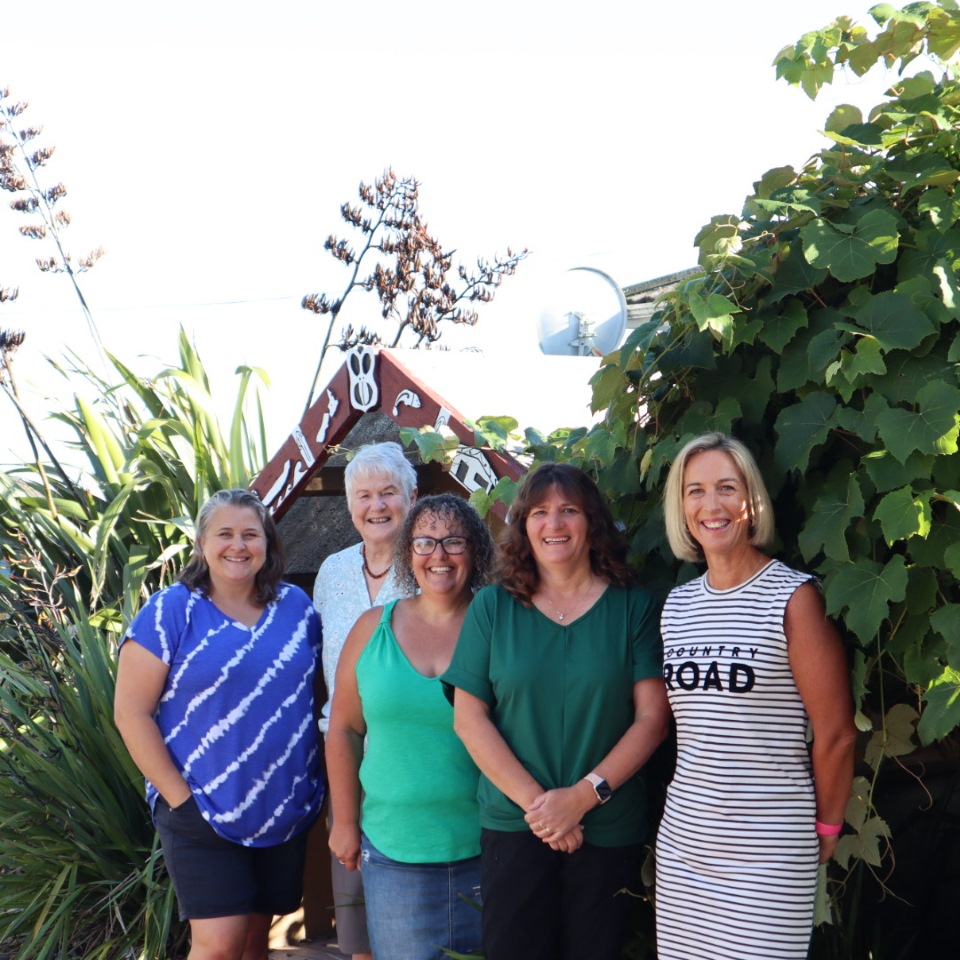
Relief teacher partnership a win-win-win for Waikanae Primary School
At Waikanae Primary School, relief teachers who know their school and ākonga are contracted for regular hours each week. The system means classroom release time or professional development is undertaken by kaimahi who are secure in the knowledge that student learning is maintained.
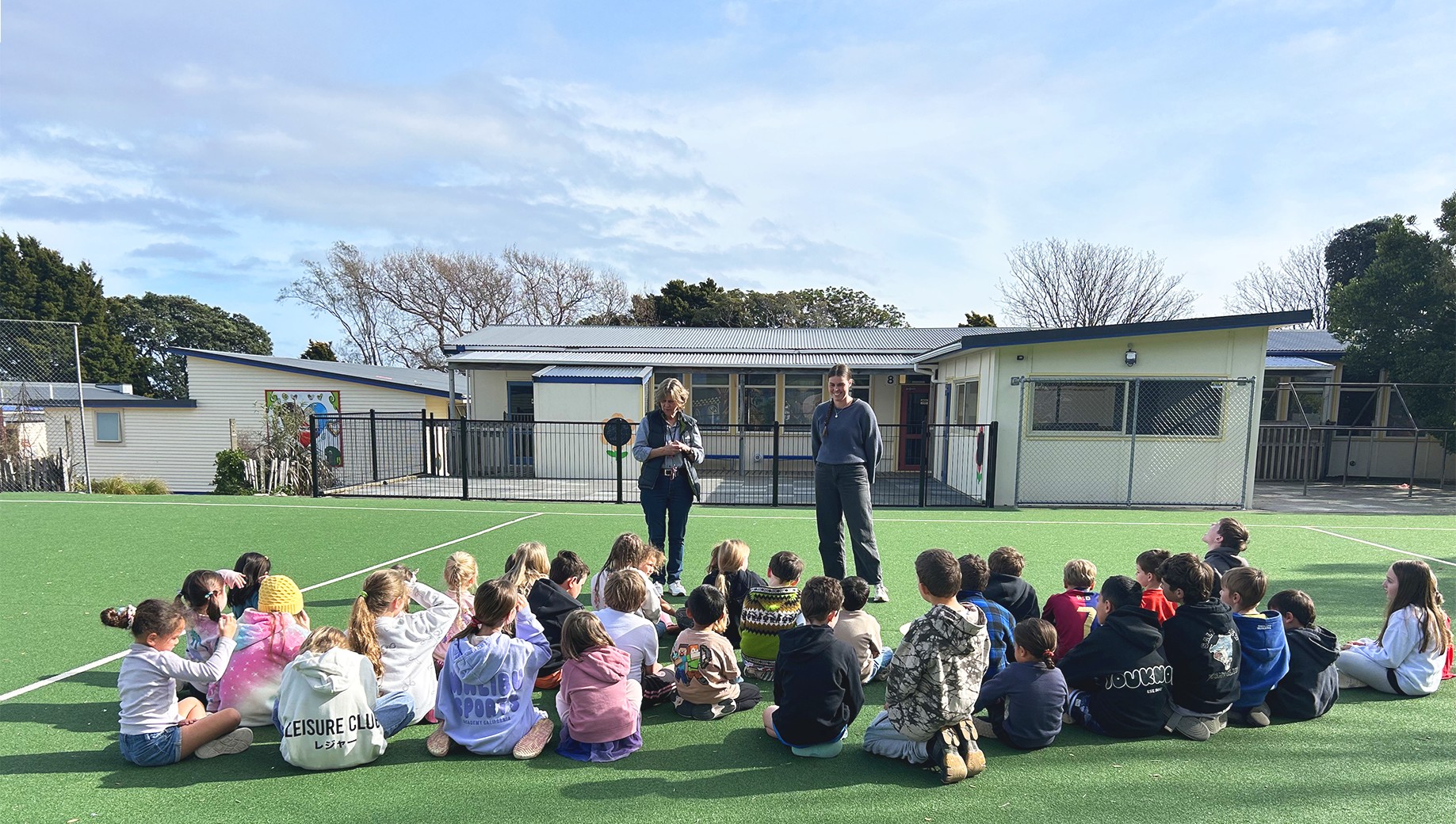
Waikanae Primary School principal Michelle Fearon supported 503 ākonga and 21 full-time teachers in 2025. She also had eight relief teachers on contract and a further eight working in the school regularly. She explains that while there is a shortage of relievers, this advance planning is delivering continuity.
“Whilst a provisional registration teacher accounts for some need for a relief teacher, on top of increased classroom release time (CRT), there’s also the increasing amount of professional development (PD) and, during winter months, three or four days’ sick cover can be needed each week.
“Sometimes we have to split classes still, maybe once a fortnight or so, but we’re organised. If it’s needed, we’re ready. We know where the students are going to go and what will work.”
Day relief teachers at Waikanae School are supported with a folder of information about behaviour management guidelines and expectations around devices. If technology is needed by the relief teacher, a device is available, and the syndicate leader is available to support the learning.
But Michelle and her team don’t just rely on day relief teachers. Instead, they make an annual plan, contracting relief teachers for set hours each week, backed up by an identified pool of additional teachers who are brought in as needed.
“Many of the contracted and pool relief teachers are former staff members looking for a change in lifestyle,” says Michelle. “So they know the school, they know our expectations, and in many cases they know the students.
“I think we’re lucky with our release teachers on contracts, most of whom have been with us for a long time.”
Relief teacher Jane Lumsden, left, has supported second-year teacher Emma Steed at Waikanae Primary School for the last two years.
Strong connections bring relief in the classroom
The system means relief teachers enjoy an ongoing connection with students and their learning and feel part of the teaching team. Students benefit as behaviour and learning routines are supported with regular relief teachers contributing to a teaching partnership, providing stability and continuity.
One contracted relief teacher is Jane Lumsden, a former full-time teacher who now works as a 0.6 full-time teaching equivalent. This includes relieving for second-year teacher Emma Steed every Friday. This year, Emma’s classes are Year 5 and 6, and Jane also supported Emma’s first year in teaching, in a Year 7 and 8 class.
For Jane, relief teaching offered a lifestyle change while allowing connections to the school and community to remain.
“I’m very lucky that I work at the school I previously worked at full-time. I still have those relationships with people, not just colleagues, but with families and the community. Obviously, the students are changing, but it is nice being part of that school community. And then from another angle, every day is different too.”
For Emma, the certainty of working with Jane means ākonga get to know their weekly routine.
“It makes it easier because she can get to know the students in my class. And that’s helpful for them as well, having someone consistent come in. They know her routines, they know her teaching style, and it just means that they
know what to expect every Friday.”
It’s also beneficial for learning. Emma and Jane work together on the plan for the term, understand each other’s ways of working and can keep consistency across their teaching.
“We keep in touch with how it’s all going and what’s working and what we can do differently together to support the class,” says Emma. “It’s really good having that ongoing relationship. She knows how I roll, and really, we share roles.”
Emma says the release time supported by Jane is invaluable.
“Just knowing that Jane will come in means the students and our whole programme stay on track. I can go away and focus on release, and I know that there’s routine and everything’s still happening in the classroom, which is awesome.”
Continuity and consistency is key
Continuity is important at Waikanae Primary School. Michelle says if a teacher is unwell, it’s generally a smooth process of putting out a job to the pool of identified relievers, then waiting to see who accepts the role for that day.
“We really want to use relievers on a regular basis to keep as much consistency for the students as possible. It’s much easier for everyone to meet expectations that way. We do expect our relievers to be able to follow a plan if it’s there, with support from the syndicate leader, or that they’ve got their own kete of activities the class can work on. It’s a better day for the teacher, and for the students, when the relief teacher is prepared.”
While additional funded PD for classroom teachers is welcomed, it can prove a challenge when a team attends for several days, as occurred recently with structured literacy professional learning development.
“We did find that tricky. That’s one of the challenges with all the extra release, having enough relievers,” says Michelle.
“And we do see a need for relievers to stay up to date. For example, when the physical restraint modules were becoming compulsory, we ran PD for any reliever who wanted to come to support them becoming compliant.”
Cloud-based system connects relief teachers with schools
Waikanae Primary School uses StaffSync, a cloud-based management platform, to coordinate relief teachers. The school is part of a local cluster that collaborates using the platform, with each school contributing to fund a part-time coordinator role.
Principal Michelle says the school employs the coordinator for one hour each day to process and respond to requests from teachers across the cluster who are seeking relievers.
“Typically, this is for last-minute – the night before or the morning of – requests. This person will then send out a message advertising the job which will be picked up by a reliever.”
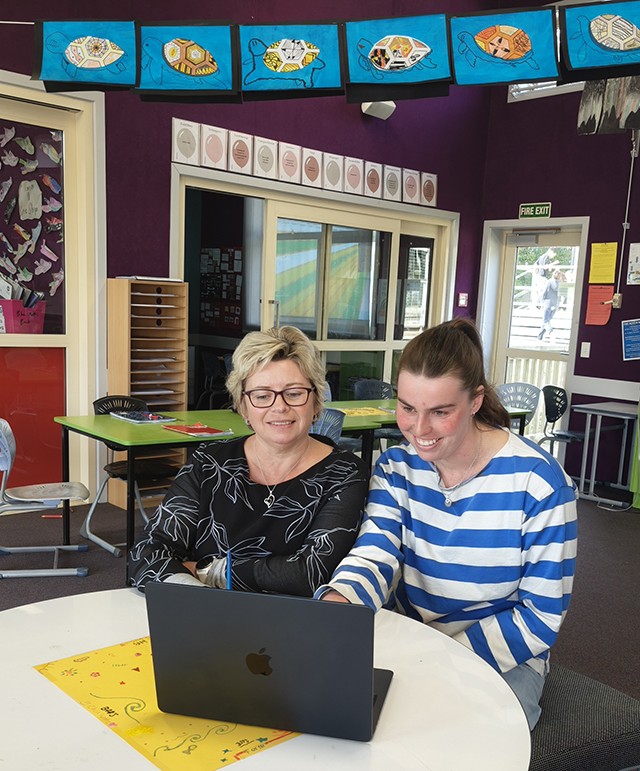
For teacher Emma Steed, the certainty of working with reliever Jane Lumsden each week for classroom release time means ākonga get routine and consistency.
Relief teachers register with StaffSync and block out the days they are unavailable, leaving their available days to be booked by schools. Teachers can choose which schools they would like to work at and whether to accept any job notified.
Schools also set themselves up on StaffSync and can create lists of preferred relievers, typically in year group lists. Schools can then book relievers and relievers can accept any job that has been notified.
“This is a great online system,” says Michelle. “One message keeps the school, teacher and reliever informed of the job being posted and accepted. The system allows us to have ownership, in that we can see who is available and can decide what will work for them and their learners. The system allows relievers to work when they want to work, accept jobs they want to accept, and have ownership of their own time and choices.”
Waikanae Primary School uses StaffSync, a commercially available cloud-based management system, to manage its relief teachers. The Ministry of Education does not endorse any specific product or provider.