Empowering kaiako: From narratives of learning to narration for learning
The team at Richmond Kindergarten in Tasman embarked on a journey to a destination with no idea of where or what it was… until they arrived.
Ministry of Education Curriculum Adviser Early Years Sue Hone brings Education Gazette her observation of how, with passionate teachers and a leader who trusted her kaiako, the kindergarten underwent a transformative journey with Kōwhiti Whakapae.
"Why are we doing this and who are we doing it for?” That was the question Angela Cox and Tracey Meek asked in response to feeling overwhelmed by paperwork and a sense of disconnection from the purpose of assessment. It was 2024, and the two had taken it upon themselves to source relevant professional learning development (PLD) in the form of webinars to help answer their question.
Even after watching the first in the webinar series, the two were like a newly lit fire – full of spark and needing to be fed with team buy-in.
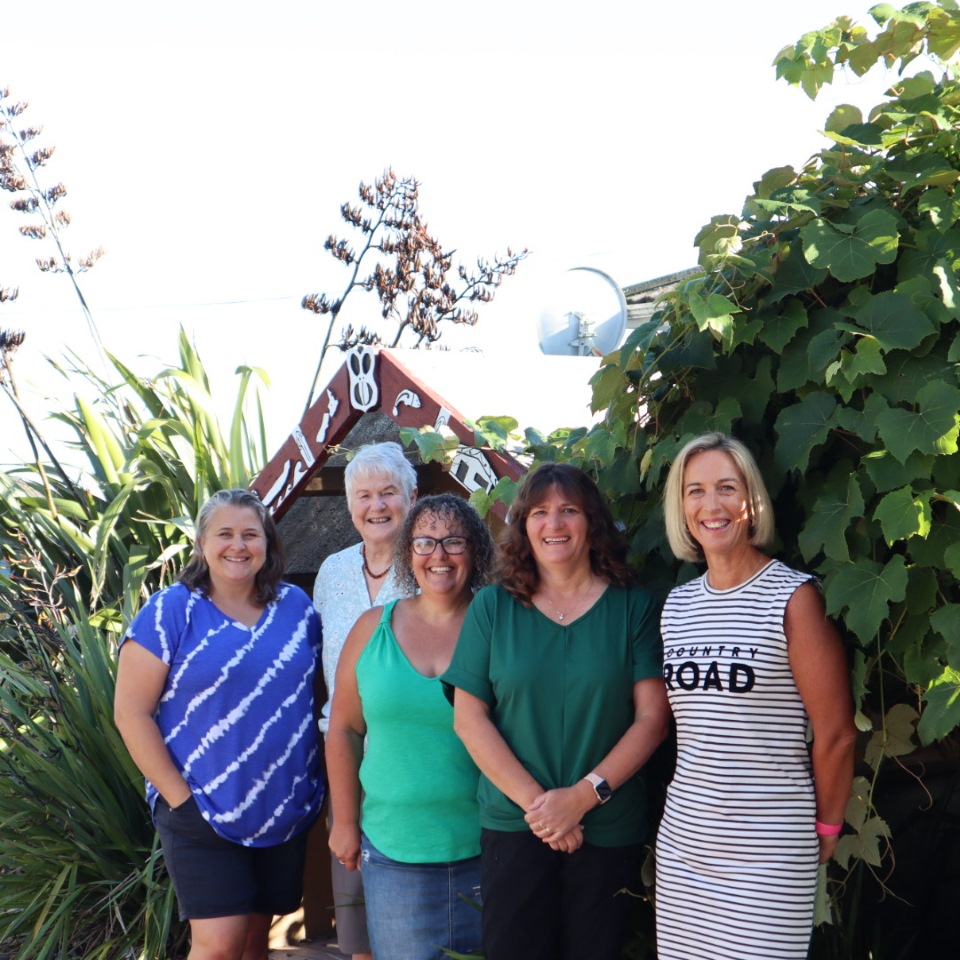
Richmond Kindergarten kaiako, from left, Rachael Percy, Sue Verma, head teacher Rochelle Steer, Tracey Meek and Angela Cox.
But their timing wasn’t great; it was at the end of the year and the team had already implemented changes to their assessment, planning and evaluation (APE) process. Enthusiastic or not, it wasn’t surprising when the response from head teacher Rochelle Steer was, “We’ll look at it in the new year”.
Leading through trust
True to her word, Rochelle didn’t let any previous work they had done on their APE be a barrier – she trusted her kaiako and their enthusiasm. Undaunted, the team accessed self-directed PLD, including the webinars, and a Kōwhiti Whakapae workshop run by their local Ministry of Education early years curriculum adviser.
During the workshop the team were able to analyse some unspoken thoughts about their current APE process, including:
- I feel overwhelmed.
- Sometimes, I feel isolated because I’m not discussing my thoughts.
- This [assessment] isn’t relevant, but I need to do something.
- I get to the end of the term, and I haven’t written for ‘that’ child.
- I’m stressed.
- It no longer excites me.
The consensus was that their current process felt more like compliance than meaningful assessment, planning, and evaluation. However, was this fact or just what they thought? They needed to know.
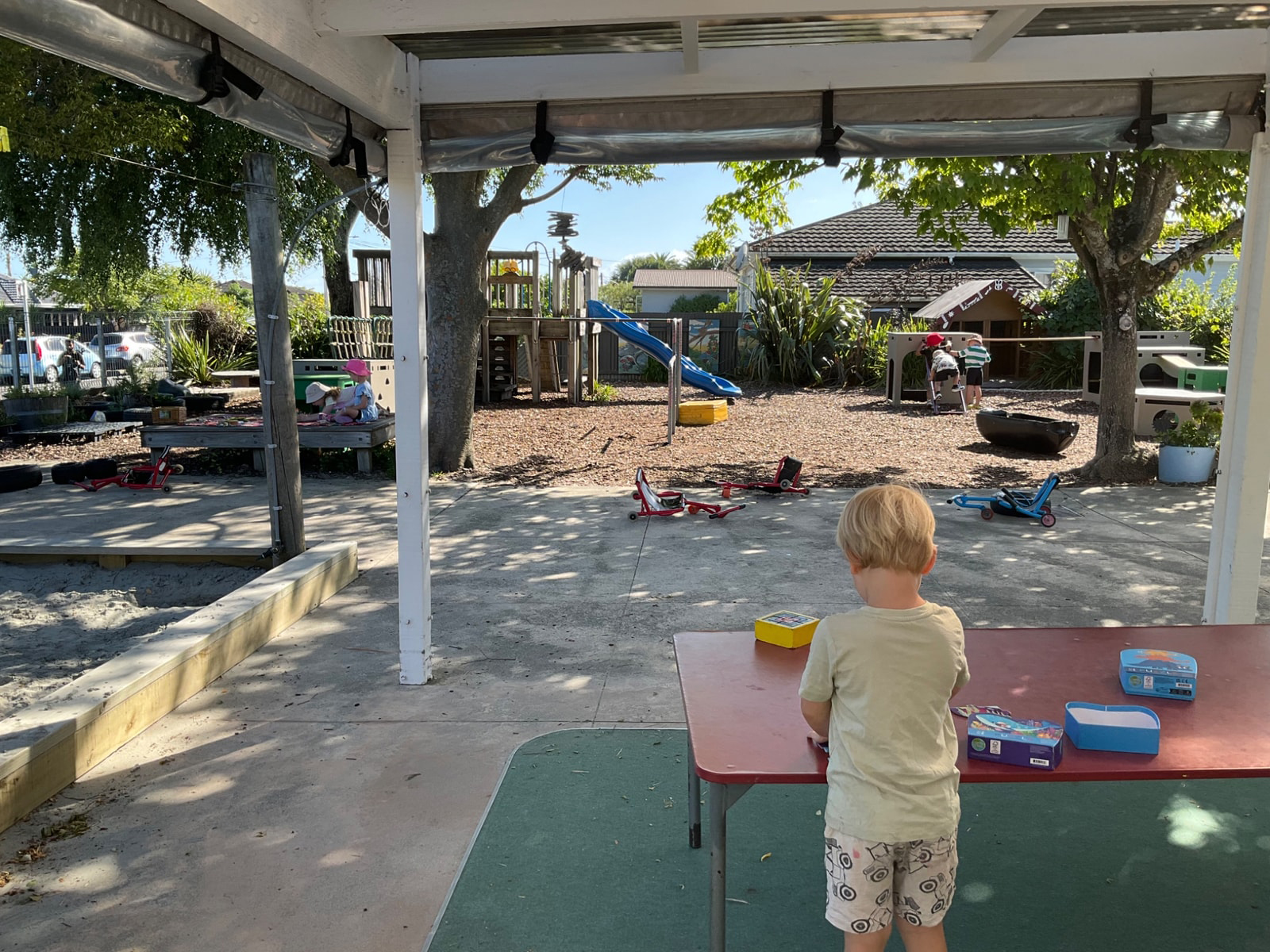
Planning had always been central to the kindergarten’s practice, but using Kōwhiti Whakapae had not.
Making sense of the data
By collectively establishing quality indicators (QI) from Te Whāriki and Te Ara Poutama, the team made sense of what the data was telling them. They evaluated that their current practice did not meet the following from page 22, Te Ara Poutama:
- Assessment for learning practices actively involve children, parents and whānau, and take account of their perspectives and aspirations.
- Over time, assessment builds each child’s cultural identity, sense of belonging and learner identity.
Implementing change
Rochelle says that with this knowledge, a plan was formulated and leadership shared across the team, with kaiako taking ownership of the process.
The plan was carried out using the steps below.
Collaborative mind mapping
In this phase kaiako, armed with Kōwhiti Whakapae, used a collection of words to describe what they knew about a tamaiti, such as expressive, curious, determined, coordinated and physical.
All those strength-based words we know. However, it wasn’t just a collection of words for words’ sake. Each word a kaiako offered needed to be reinforced with examples or a noticing, and the word could be challenged by other team members sparking in-depth conversations of ‘who do we see?’.
By using Kōwhiti Whakapae, kaiako brought together their perspectives to build their collective view of the mana and mauri of the tamaiti. That included what the tamaiti ‘could’ do and what their current interests were.
Earlier whānau engagement
Engaging whānau in planning and feedback and feedforward from the beginning was new to the team. “We have always spoken to whānau about the learning outcome or aspiration for their tamaiti but on reflection this was a consultative process rather than a collaborative process,” says Angela.
Now, engaging with whānau was primarily to celebrate the tamaiti they all saw and to collaboratively decide on the learning direction. Tracey adds, “As soon as a kaiako presented their first handwritten mind map in person with whānau, their feedback was, ’you know my child so well’.”
The icing on the cake
Before their workshop early in January 2025, the team knew very little of Kōwhiti Whakapae. Through the evaluation process, they could see how it would guide the new direction they were taking.
It supported them to write for learning, not of learning, transforming their assessment from a backward mapping to a proactive plan to progress learning.
“Kaiako now viewed the learning outcome (Te Whāriki) as the cake,” explains Rochelle. “Imagine your favourite delicious cake, yum!”
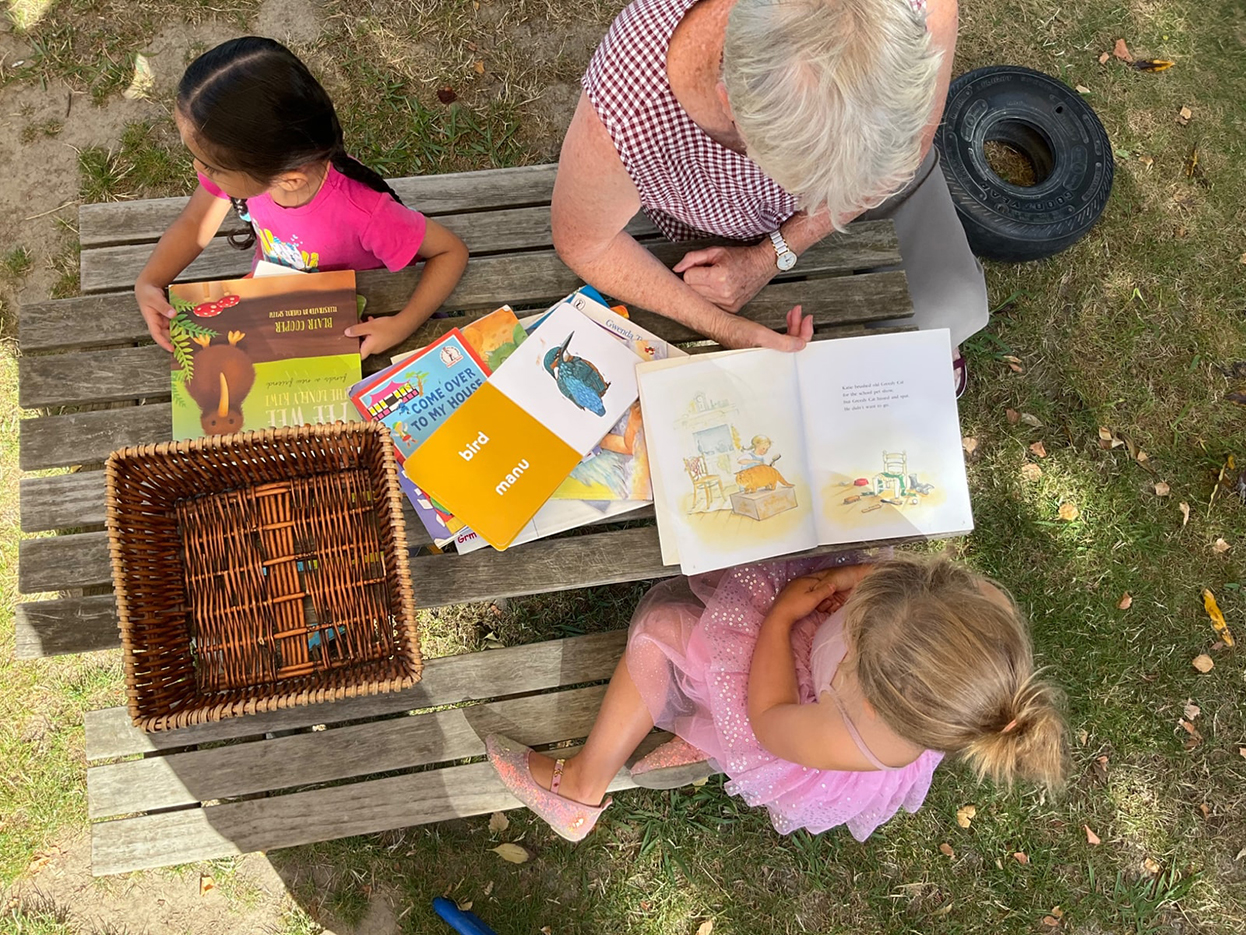
Kaiako Sue Verma reads with tamariki at Richmond Kindergarten.
“What Kōwhiti Whakapae has done is make us recognise the individual slices as learning progressions. We’re seeing and celebrating the small successes,” adds kaiako Rachael Percy.
Planning had always been central to Richmond Kindergarten’s practice, but using Kōwhiti Whakapae had not.
Kaiako now ‘responded’ to the learning outcome by selecting specific teaching strategies. “Through this, we soon came to realise that we were
effectively evaluating our teaching and the learning,” says Rochelle. “This is something we thought we had been doing but not compared to the depth of evaluation now.”
From individual to team-based assessment and evaluation
Any feelings of overwhelm and isolation have been reversed for kaiako. If I could only use one word to describe them, it would be ‘fizzing’ For some of you who don’t know what this means – imagine adding vinegar to baking soda – this is how the team is talking about their new assessment, planning and evaluation process.
Their passion has been re-ignited. They no longer feel alone.
Throughout this evaluative process, one of the major benefits to the team was the creation of mental space. “Through collaboratively assessing and evaluating, the mahi was lightened,” says Rochelle.
“We thought we were all on the same page before this but since we have done this, we know what we’re doing, why we’re doing it, and how we’re doing it,” adds kaiako Sue Verma. “There’s power in all being on the same page – e waka eke noa.”
The team mutually says another reason they felt deflated with their previous APE process was a lack of whānau engagement in their reporting.
“We were writing these beautiful narratives of learning and whānau wouldn’t comment or would only comment after being prompted from a kaiako.
“Now, kaiako are in a place I like to call the narration of learning – updating learning for tamaiti and their whānau as it happens.
Each piece of the cake is identified, responded to and celebrated. Whānau have more opportunities to comment and be a part of the learning as it is progressing.”
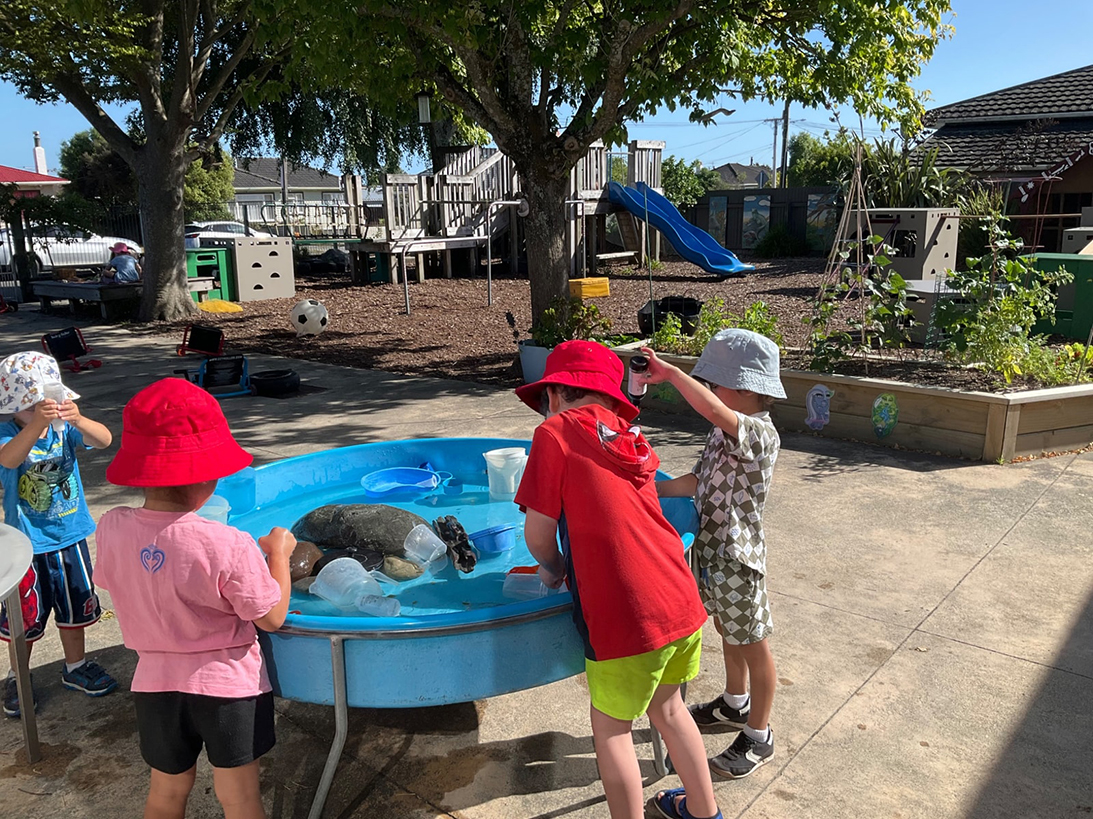
Whānau now have more opportunities be part of the learning process.
A beacon of innovation
Following the evaluation process, Rochelle attended additional PLD on Kōwhiti Whakapae hosted by the Nelson Tasman Kindergartens Association which featured associate professor Tara McLaughlin as the guest speaker.
Rochelle was able to spend two hours discussing their APE evaluation and the action plan they had implemented using Kōwhiti Whakapae.
Tara suggested two things:
- More specificity in their teaching strategies.
- That Rochelle share their mahi with the wider sector, showcasing the impact Kōwhiti Whakapae, alongside a robust evaluative process, has had for them and their community.
While the team at Richmond Kindergarten are still on their learning journey, they are a testament to what’s possible when kaiako are empowered to rethink, reimagine and reconnect with the heart of teaching and learning together.
“It was 100 percent a team effort, requiring each team member to contribute and be a part of the learning. What Rochelle did as a leader was to make sure her team had the time and the space to fly.
“Ma te huruhuru ka rere te manu – Adorn the bird with feathers so it can fly. “Richmond Kindergarten is doing just that – flying.”