New children’s book about grief aims to support emotional literacy
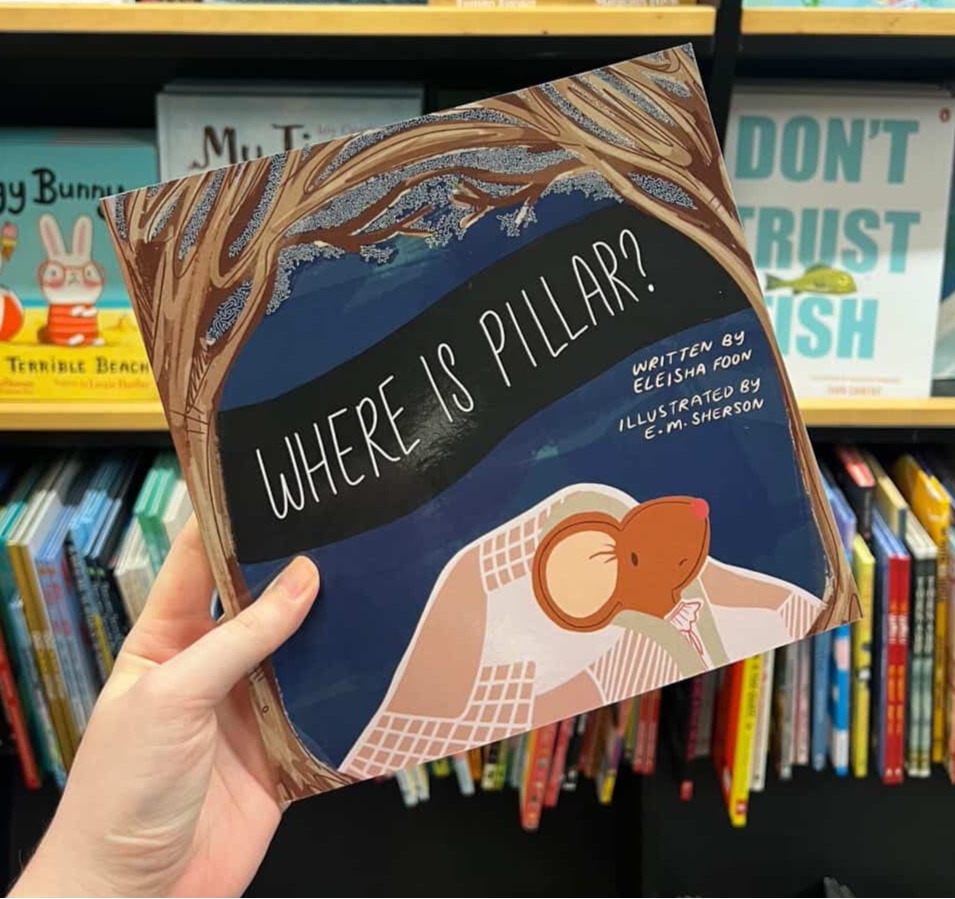
A former Wellington primary teacher has drawn on her own classroom experience to illustrate a new book for children about grief. Illustrator Eleanor Sherson and author Eleisha Foon hope 'Where is Pillar?' will take its place on school bookshelves as a useful resource for ākonga dealing with difficult life events.
When friends Eleanor Sherson and Eleisha Foon set out to research resources about grief for children, they found the bookshelves at their local library lacking. “If we were to make a grief book for a child, what is actually out there?” they asked each other.
“I was shocked at how horrendous the resources were; ones I wouldn’t even use in my own classroom,” remembers illustrator and former teacher, Eleanor. “It really highlighted for me that there was a major gap for grief resources that are both classroom-appropriate and actually help children.”
Now based in the UK, Eleanor completed her teacher training in 2019 and jumped straight into teaching during the Covid-19 pandemic era at several schools across the Wellington region.
“There was such a large range of pastoral issues – kids in foster care, kids losing parents, grandparents – so many loss-related situations; but there were no educational resources to guide children through this,” she says.
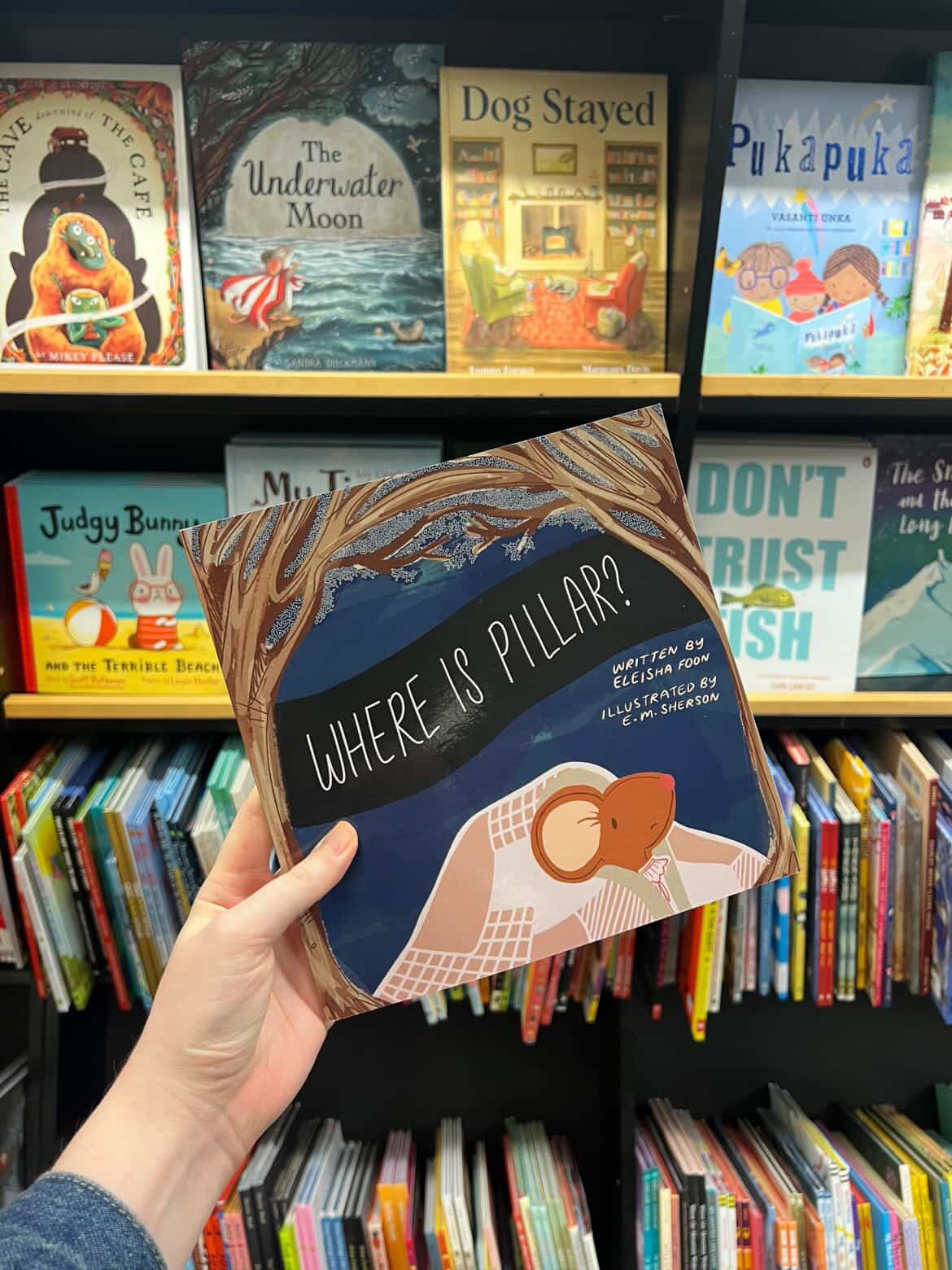
Those situations and conversations she had with her students influenced Eleanor’s illustrations for the newly released book, 'Where is Pillar?' She and Eleisha, who authored the book, describe it as an emotional literacy resource and a companion to any child working through grief. The project
began following the death of Eleisha’s close friend.
“We’re all going through some version of loss, suffering or grief,” says Eleisha. “We wanted to create a book that shows children they don’t have to rush through the process of grief, but they can be met where they’re at.”
An intentional design inspired by classics
Rather than a more generalised book, Eleanor wanted the work to speak specifically to children. That’s why the illustrations are designed in a way for children to follow along easily; the custom typeface used for the text is not straight, it wiggles and expands across the page.
“This was intentional,” says Eleanor. “It’s especially relevant for engaging a neurodiverse child. They can follow along with the text with their finger.” Eleanor explains it's a calming exercise that she previously used in her classroom.
She was also inspired by classic books that children eagerly devour, including those by Beatrix Potter, Dick Bruna’s Miffy, and Winnie the Pooh, while Eleisha drew on the rhyming of Dr Seuss. Both also consulted health professionals to make sure the content would be helpful, based on best practice.
Eleisha says Eleanor “captured the vision I had in my head." “The book is light and hope at the end of the tunnel,” shares Eleisha. “Like, the feeling is awful, and you may hate feeling this way. But it too shall pass, and on the other side, there’s going to be something beautiful. You can turn the grief around and let it be a gift to the world.”
A framework for safe conversations
Although the book was created with children aged three to seven in mind, it can extend to ākonga up to age 12. It includes five steps to starting a grief conversation with a child, beginning with safety, welcoming every feeling, inviting expression, speaking simply and openly with honesty, and closing the conversation with comfort.
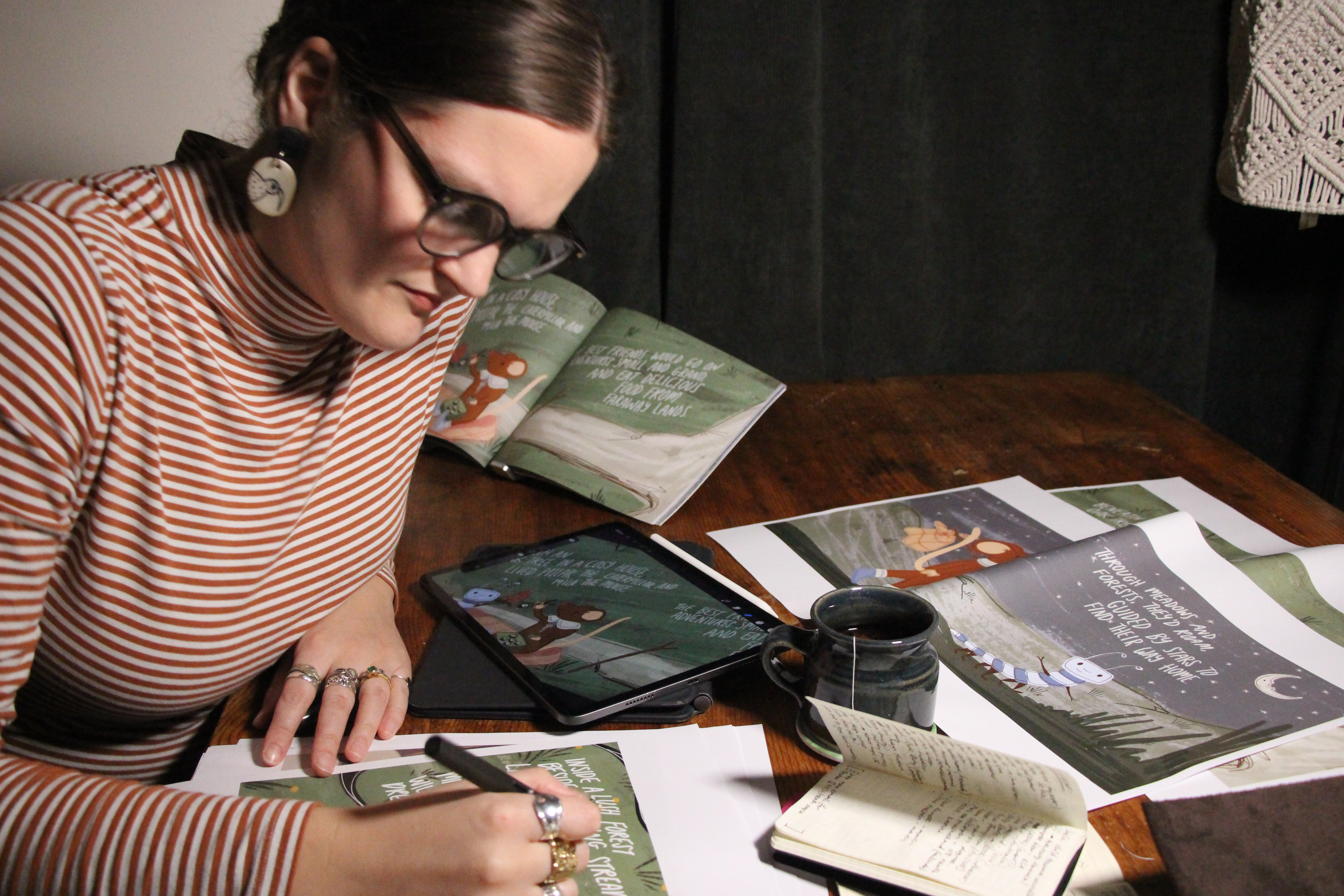
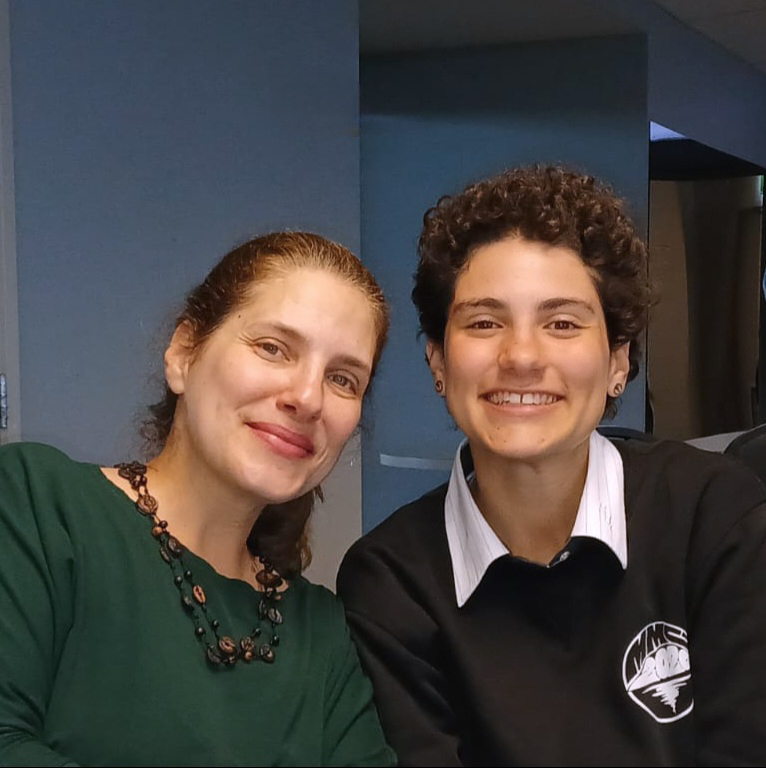
Eleanor Sherson illustrated a new book for children about grief.
“This is a framework for teachers to create a safe situation for their students,” says Eleanor. It also features a conversation guide to engage the child to reflect on and process their sadness in an age-appropriate way. The questions are reading comprehension-related and provide a springboard into deeper emotional conversation if the situation is appropriate.
“We want the children to bring their own personal experience into the conversation,” explains Eleanor. “The questions are quite poignant and focus on emotional regulation and processing, such as ‘how did Mila feel when she lost Pillar?’”
A child can then be directed to answer what that feels like, or to draw what the feeling looks like, she says. The conversation guide can be used in the classroom, in small-group discussions, with a single child, or with whānau.
Learning strategies together
Whanganui primary teacher Crystina Hussey believes these guided questions support students to share their experiences with peers, and coping strategies can be learned as a class.
“By creating some visual aids, these can be highly therapeutic for many students and help them gain confidence in sharing how they feel in the future with trusted adults, whānau and friends,” she says.
“They do not see their feelings as something they should hide, as they learn that it's healthy to share when they are feeling down, especially because they are not alone.”
A resource to support emotional literacy
Eleanor says the book can be applied in a wide range of ‘grief’ situations and it isn’t specifically for loss through a death in the child’s life.
“It is a roadmap for students to model how to move forward in an emotionally healthy way,” she says. An illustration of a ribbon weaves its way cross the pages, getting thinner and longer. It’s a metaphor for the child moving through the tangling, knotted emotion that is grief.

'Where is Pillar?' was written by broadcaster Eleisha Foon
The characters are all animals, adds Eleanor, and designed to appeal across cultures. Kiwiana is present throughout: a drawing of a kiwifruit, a New Zealand skink, and a piwakawaka, the favourite bird of Eleisha’s friend.
Eleisha says the characters model a safe way of expressing their emotions, which children can reflect in their own lives. “Imagine if this book can sow a seed in children’s lives, so one day, when they are rooted and planted somewhere and do go through really difficult grief, from this book, they learned how to process it with loved ones, caregivers and teachers.”
Writing the book has been cathartic for Eleisha’s own grief. She is represented by the main protagonist, and her friend is represented by Pillar, the little caterpillar. The book shows children that loss comes and goes, but it doesn’t just go away. And that’s OK.
It's OK to have feelings
Other characters that feature show that friends and family can walk alongside you in your grief. Eleanor and Eleisha hope the book will equip children with the emotional literacy and vocabulary tools in their kete to hold themselves through the harder experiences of life.
“We want children to be comfortable alongside their caregivers, to express sadness, disappointment and anger,” says Eleisha. “Rather than sweeping their emotions under the rug, it’s OK to be. It’s OK to have feelings and to grieve.”