Moments of Growth makes learning visible for neurodivergent ākonga
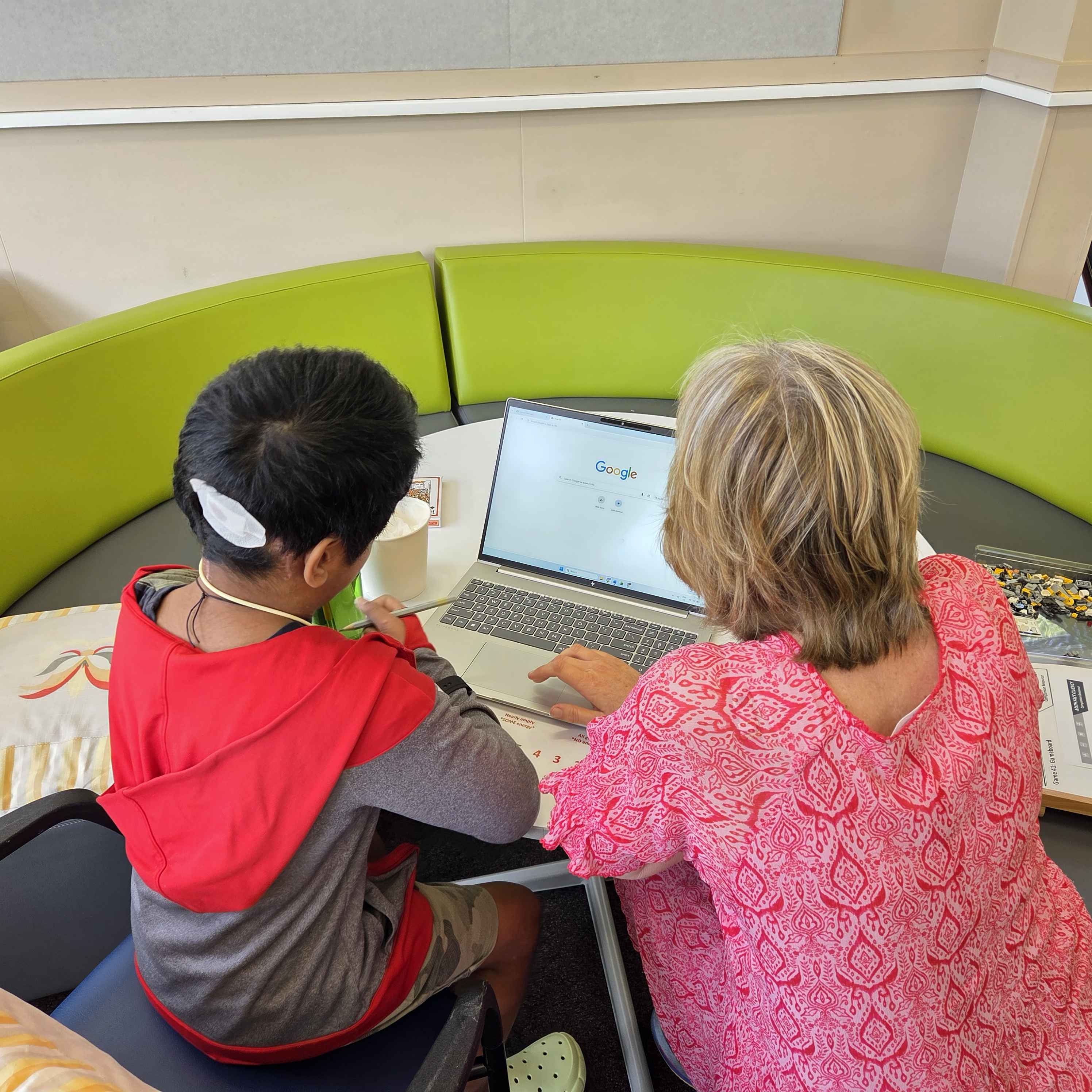
At Hillcrest Normal School, learning support coordinator Michelle Macintyre investigated how the learning of neurodivergent ākonga can be celebrated. The result is an inclusive, strengths-based assessment that recognises everyday moments.
Michelle Macintyre’s assessment, called Moments of Growth, is the result of her Postgraduate Diploma in Specialist Teaching for Complex Educational Needs. The tool shows the social, emotional and academic growth of the neurodivergent students she works with in her role as learning support coordinator (LSC) at her Hamilton school.
In her time as LSC, Michelle says she noticed some assessments did not show the complexity of a learner’s journey.
“I became increasingly aware that many of the most meaningful shifts, like self-regulation, were happening in ways that were not captured in traditional data,” she says. “They were quite invisible.”
She wanted to create a way to capture learning that shows growth in confidence, connection, wellbeing and agency.
“I wanted to explore approaches that make neurodiverse strengths visible, and honour the learning that unfolds in everyday moments,” says Michelle.
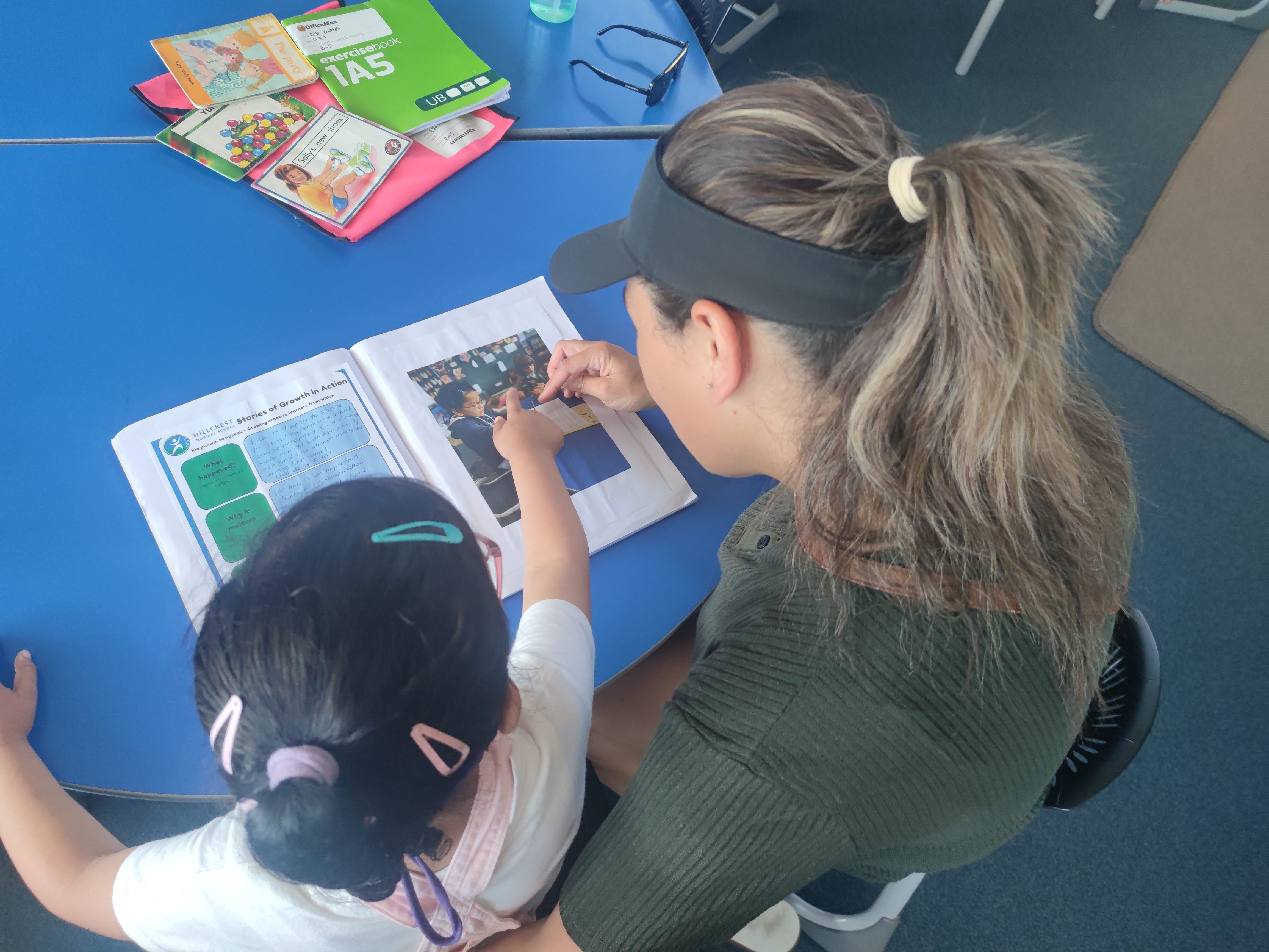
Moments of Growth is a simple template in book format, where each entry is paired with a photo and a short reflection linked to the school’s values. The assessment directs focus to the strengths of each learner.
“Our school has been moving intentionally toward strengths-based and relational practice, so this inquiry dovetailed naturally into the direction already established,” says Michelle. “It offered a way to make visible the learning we value most: creativity, connection, confidence, and the shifts that show a learner flourishing from within.”
The photo becomes a piece of transparent data, making learning visible.
“Learning is not always found in data but in the stories that connect us,” explains Michelle. “You might not see that the letter A is written by the student properly for a long time, but you can see growth in connections, which is also important.”
When Michelle worked with an ākonga to talk about her book, she says she turned each page with care, attention and a broad smile as she gazed at the photos of herself. One photo captured the tamaiti learning to cook with others, which she proudly explained to Michelle.
“I like my book, and I would prefer it more than telling,” says the ākonga. “The whole book is my favourite. I like to show it to my family.”
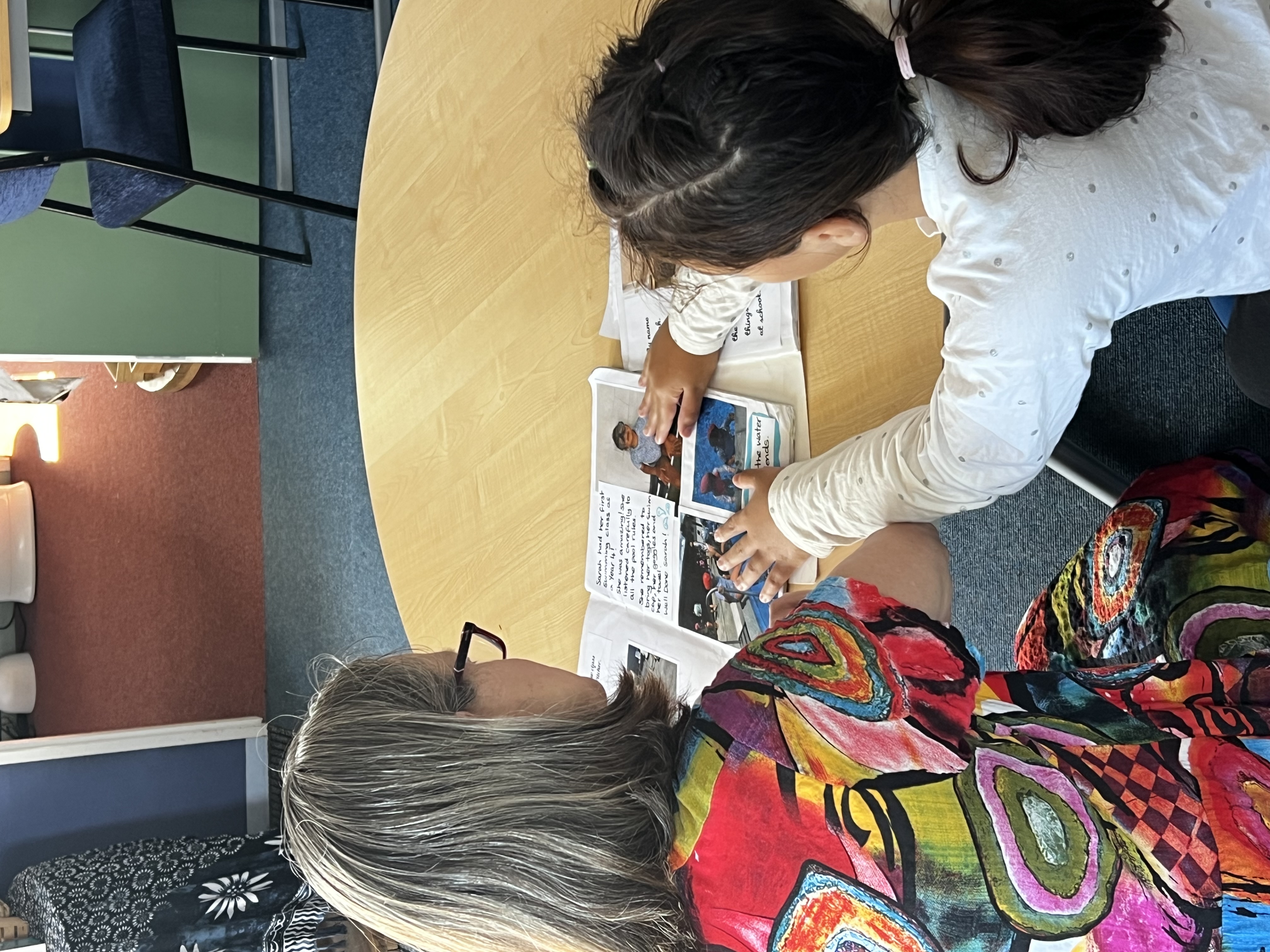
Michelle wanted to capture learning that shows growth in confidence, connection, wellbeing and agency.
A bridge between school and home
Moments of Growth also empowers the whānau to feel involved in their child’s school life, says the student's parent.
“It gave us a bridge between school and home. It helped her process what had happened and reflect on it. Through the pictures, she could tell her story, add her own details, and show whether she was proud or not.”
The parent explains that they saw a change in their child’s accountability for her actions and interactions.
“It wasn’t just about her learning – it changed her behaviour. She knew I was seeing what was happening at school,” they say.
“As a parent of a neurodiverse child, you often hear negatives. You never feel like school is a place where they’re thriving. This helped me see that she is learning, even if she can’t always articulate it. It’s reassuring to know school is not this negative place. It’s somewhere she can be happy.”
Michelle says it’s important to focus on the positives. “Instead of saying this student never sits on the mat, doesn’t do this or doesn’t do that, we reframe and focus on what the child is doing right and how we can build on that to empower them further in their learning,” she says. It’s encouraging for ākonga, and they want to rise to these new levels, she adds.
Giving ākonga agency
The book format is important as it gives the tamaiti agency.
“A book is easier,” explains the parent. “It lives on the bookshelf, and we snuggle up and look through it together. You can’t do that with a device. It’s hers, not something we need to log into or ask permission to use.”
Together, they recount the school day with the tamaiti leading the way, flicking through the book’s pages.
A Hillcrest Normal School ākonga uses pictures in her book to tell her parent about her day at school.
Michelle says the book sparks conversations in a way that digital devices don’t always do, especially with neurodivergent learners. For example, one father has been using the photos as a conversation starter.
“The book connects them with their peers, parents and teachers.”
Highlighting strengths and achievements
Another Hillcrest teacher trialled Moments of Growth in class with a once-a-week entry.
“Seeing how much parents appreciate it makes it absolutely worth it,” they say. “Because we record what happened, why it matters, and next steps, parents can support those future goals. It’s a perfect way to highlight strengths and achievements.”
Michelle encourages other schools to consider how they can make learning visible for all neurodivergent learners, outside of traditional data methods.
“In capturing these moments of growth, I realised that assessment, at its heart, is about connection, the quiet noticing that helps every learner’s spirit to find its rhythm and flow.”
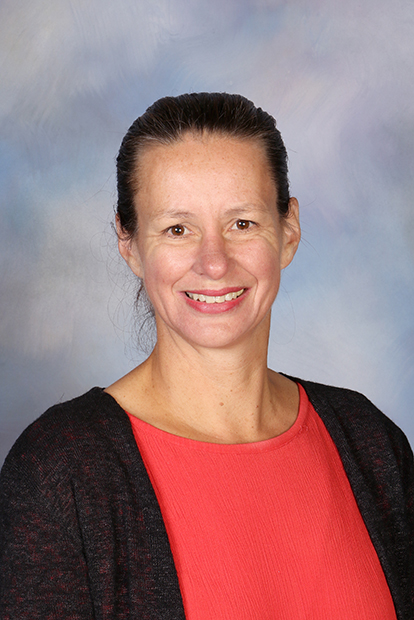
Hillcrest Normal School learning support coordinator Michelle Macintyre
Fostering a sense of belonging for neurodivergent learners in school
Michelle and two of her colleagues at Massey University, Michelle Cowie and Megan Leitch-Carroll, created a list of tips for kaimahi to stick in their planning diaries. The tips serve as a reminder of basic ways they can foster a sense of belonging in their schools.
- See the whole child, not just the learner.
- Create emotionally safe spaces.
- Include, don’t just integrate.
- Offer voice, choice and agency.
- Use Universal Design to benefit all learners.
- Deepen whānau relationships through respectful communication.
- Infuse belonging into the everyday.
Michelle Macintyre says the resource was created for schools across Waikato, in response to a shared understanding that belonging is foundational to wellbeing and learning.
“Through our inquiry, we heard that ākonga thrive when they feel accepted, seen and valued for who they are.”
The resource is available on the Learning Support Network (login required).