Mentoring the next generation: Experienced principals stepping up
Becoming a mentor to an aspiring or beginning principal is more than a professional responsibility, says former principal and now Chief Advisor, Education Workforce and Leadership at the Ministry of Education, Dr Isaac Day. He explains to Education Gazette how principal mentoring is a personal investment in the future of school leadership.

High-quality mentoring, when done intentionally and relationally, and in conjunction with structured leadership development programmes, has the potential to transform not just individuals, but the system as a whole.
Equal parts exhilarating and daunting, experienced principals will still recall the steep learning curve of those early days, where preparation often gave way to learning on the job. While principal preparation has its challenges, there is one support that ranks as highly valuable for new principals – mentoring from others.
The Government’s priority to develop the workforce of the future, including leadership development pathways, is a call to action we can all support. Becoming a mentor is not a stand-alone initiative. It’s part of a co-constructed, strategic approach to principal development – one that reflects a shared commitment to collective agency and enduring, system-wide improvement.
The evolution of principal mentoring
Mentoring has long been recognised as a cornerstone of leadership development. Traditionally, it followed an apprenticeship model, where a seasoned principal passed down wisdom to a ‘novice’. The model has evolved. Today’s mentoring is less about giving answers and more about learning in partnership. It’s a relationship grounded in trust, reciprocity, cultural capability and shared sense-making.
Mentoring is a deliberate, evidence-informed learning partnership between the mentor and the aspiring or beginning principal. It blends support with challenge, combines inquiry with reflection, and capability-building with professional learning. This move toward a mentoring relationship grounded in the concept of ‘ako’ reflects a deeper understanding of what effective leadership development now looks like.
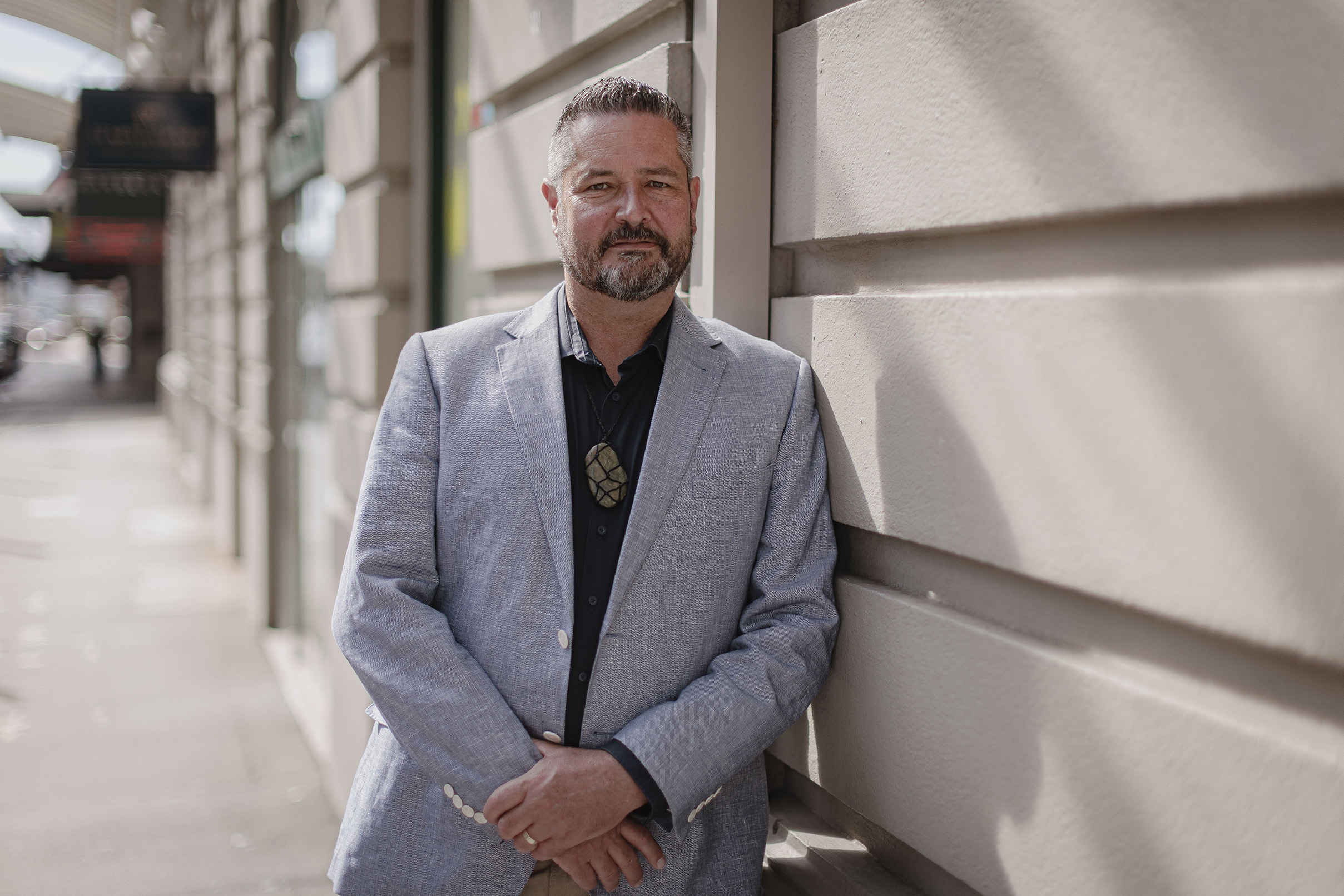
Dr Isaac Day was principal for 18 years and has been involved in Education Workforce educational leadership and mentoring for more than 25 years.
Good mentoring means co-constructing goals with mentees, observing practice (and being observed), and holding focused conversations in relation to leadership practices, all with the aim of building a learning-centred and improvement-focused profession.
Both mentor and mentee benefit. For aspiring and early-career principals, a skilled mentor can reduce isolation, accelerate decision-making confidence, strengthen technical, cultural and relational capability and support strategic thinking. For mentors, the work is renewing – embedding knowledge, improving practice conversations, and informing their own leadership practice. Ultimately, mentors contribute to the learning of their mentee and support system improvement.
Mentoring creates system-wide change. As a mentor, principals contribute to system leadership and influence improvement beyond their own school. Mentoring helps build a resilient leadership pipeline and improved practice across kura.
Aspiring and beginning principal mentoring programmes
Principal mentoring is a key pillar of a nationwide strategic approach for future school leaders.
Ministry-funded aspiring and beginning principal programmes place one-to-one mentoring at the heart of leadership development. These programmes aim to grow leaders who are ready to lead learning and manage complexity from day one. Mentoring is an integral part of the programmes, making sure support is structured, targeted and impactful.
The Ministry has worked in partnership with sector leaders to design a mentoring approach to reflect both research and our context in Aotearoa New Zealand. Effective leadership is central to the work of both parties in the mentoring relationship.
Other evidence-supported key elements of the mentorship design include:
- a commitment to student learning and success, grounding the relationship in high trust and moral purpose through improving achievement
- careful matching of mentors and aspiring/beginning principals to build strong foundations
- clear roles and expectations for both mentor and mentee
- time, training and resourcing to support mentors effectively.
The aspiring and beginning principal programmes will be delivered by providers external to the Ministry. They will also manage the matching of mentors and aspiring and beginning principals. The mentor application process will continue to be managed by the Ministry with support from the sector.
Structured mentor training aligned with local and internationally supported research will be delivered by these contracted providers. It is important that mentors take full advantage of this training, so they can be as effective as possible. The providers will also evaluate the programme’s effectiveness over time. This level of independent oversight will help maintain quality standards and make sure that the mentoring experience is meaningful and grounded in evidence and feedback.
Mentoring as an investment
Mentoring is more than a tool. It simultaneously grows people, supports stronger school leadership and builds a stronger education system.
When we align mentoring with the Ministry’s wider principal pathway programmes, and the curated supports from providers, we create the conditions for principals to thrive, and for our school communities to feel the impact.
The pathways to primary principalship
A leadership trajectory isn’t one-size-fits-all. This was a key finding by Natalia Xie and Tim White from the Ministry’s Education Workforce team when they created an indicative career journey of New Zealand’s primary principals. The analysis, which is drawn on 10 years of career data, is the first time the journey to primary principalship has been mapped.
From the almost 430 first-time primary principals who were appointed in 2022 to 2024, they found 45 percent followed a ‘conventional’ sequential pathway.
But most first-time principals took ‘unconventional routes’, with data showing that:
- 40 percent had no middle management experience
- 10 percent had no senior leadership experience
- 5 percent had no middle or senior experience.
Natalia and Tim found that a new tenure pattern was emerging compared to 2015 to 2017, when teachers spent two years in teaching, one year in middle management and seven years in senior leadership before becoming principal.
“From 2022 to 2024, a new career trajectory emerged: Four years in initial teaching, two years in middle management and 20 years in senior leadership before becoming principal.”
Opportunity first
Natalia and Tim’s study showed two distinct career strategies.
Most principals – 80 percent – stayed within the same school setting as they progressed to middle management and senior leadership roles. Direct internal promotions, particularly in larger schools, were also shown to be on the rise.
But 50 to 70 percent of senior leaders took an ‘opportunity first’ strategy by prioritising the principal opportunity and shifting to a different school setting, such as a rural area or smaller school.
“For example, over 70 percent of newly appointed rural principals came from more urban contexts.”
For more information, and to apply to become a principal mentor, go to the Education Workforce website.