Insights to inspire: Leadership advisors look back on 2025
As 2025 draws to a close, we speak with three Ministry of Education leadership advisors to reflect on the year that was. They share their highlights, lessons learned and advice for school leaders preparing for 2026.


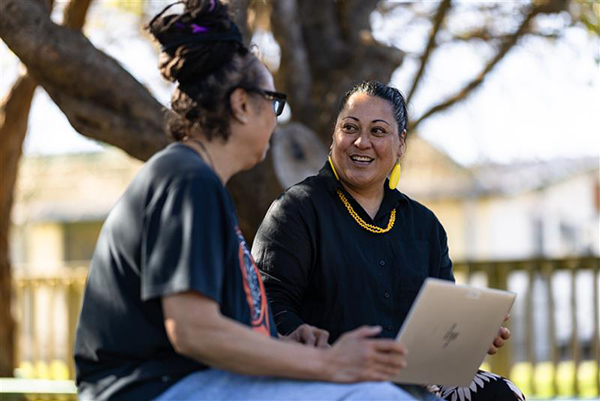
Regan Orr
*Regan Orr*
Regional Leadership Advisor
It’s been an absolute privilege to serve as a leadership advisor alongside our principals this year. As seconded principals with ‘skin in the game’, we bring lived experience that resonates with our colleagues. Many have said, “it’s great being able to talk to you, because you just get it”. This relatability has let us cut through the noise and help tumuaki focus on what truly matters.
Supporting principals with strategic thinking, professional growth and rich conversations around leadership and learning has been incredibly rewarding. My greatest highlight has been the relationships and whanaungatanga formed across the Taranaki/Whanganui/Manawatū region. I’ve genuinely enjoyed working with every principal and feel honoured to have contributed to their development and strategic direction.
It’s been especially fulfilling to support newer principals as they navigate the complexities of the role – helping them focus on what they can control and not sweat the small stuff.
Challenges, opportunities and inspiration
This has been a year of significant change and implementation, and our principals deserve recognition for the way they’ve led through it. At the heart of every decision has been a steadfast commitment to do what’s best for our tamariki.
Despite the demands – from applying for structured literacy professional learning and development (PLD), managing staffing and resources, attending PLD cohorts, to implementing revised reporting to parents – principals have led with mana and made sure learners remain the central focus.
Every principal I’ve worked with has inspired me in their own unique way. They are deeply committed to achieving the best outcomes for their tamariki and understand their contexts well.
Over the past two years, I’ve witnessed passionate tumuaki working tirelessly for their communities. Their dedication and resilience continue to motivate me.
Time and space to look ahead
This secondment has given me the space to reflect and think differently – time that’s often hard to come by in principalship. I’ve learned the importance of boundaries and that it’s OK not to be connected or responsive 24/7. Prioritising time for ourselves and our whānau is essential.
I’ve also found great value in coaching, mentoring and facilitating professional learning groups, and I’m excited to explore how these practices can be woven into my leadership next year.
As tumuaki, you know your learners and whānau best. Keep the vision of your kura front and centre – what are you trying to achieve, and what will help you get there?
Focus on the core business and strip away anything that doesn’t serve your vision. As I often say to principals, “distinguish between what’s required and what’s encouraged”. Knowing the difference is a powerful time-saver.
School leaders can continue to build cultures that are both responsive to change and grounded in strong values by:
staying anchored to your school’s vision – ask yourself, “how does this change support the aspirations we hold for our kura and our tamariki?”
recognising that change is constant, but how you respond sets the tone for your entire school
being measured and intentional in your change management approach and taking people with you by clearly communicating the ‘why’ behind the change
aligning new initiatives with your strategic plan and vision for coherence strengthens implementation.
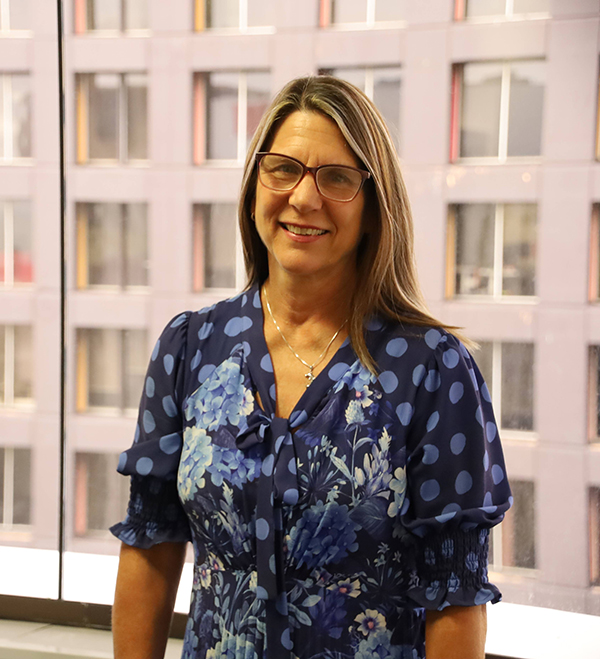
Amy Hacker.
*Amy Hacker*
Regional Leadership Advisor
Schools are working hard to meet the needs of an increasingly diverse range of learners. There’s a desire for flexible, inclusive and engaging approaches that feel personalised and relevant.
In 2025, a number of long-serving principals came to the end of their careers. That has left a gap in experience but allowed for a reset in some places. It also gave a chance to rethink leadership approaches, especially around how schools are responding to the needs of their learners.
I have spent time this year helping schools align their site-specific board goals with broader Government priorities and changes. I’ve really valued the opportunity to work with principals to develop strategies to strengthen the teaching of literacy and numeracy across all learning areas.
That focus is not just in the traditional sense, but really digging into how we best support students who struggle to access the rest of the curriculum. Leaders have been prioritising targeted support and looking at how to build capability across the board.
An impactful area for me has been supporting strategic planning to make sure senior secondary programmes are genuinely preparing young adults for a rapidly evolving workplace.
There’s been a strong focus on designing authentic learning experiences that go beyond academic achievement. These are programmes that intentionally build the soft skills employers are looking for like communication, collaboration and adaptability.
Building authentic leadership capability
Looking out for staff and students starts with good leadership fundamentals – principals who listen, take on feedback and create space for honest conversations. That kind of authentic leadership is really important in embedding a culture where wellbeing is taken seriously.
A focus for me this year has been helping to think strategically about how to build leadership capability among middle leaders, a key area many schools seem to be working on.
There has been a noticeable increase in specific wellbeing-focused initiatives. Things like staff wellbeing days built into PLD, regular morning teas, lunches, flu jabs and funded EAP services might seem small, but cumulatively represent an increased awareness of wellbeing. Principals are also acknowledging those who go above and beyond, both privately and publicly.
For students, more funding has been put toward counselling services to address a rise in complex needs including neurodiversity, behavioural challenges, economic hardship and trauma. Some schools are also supporting learners through the Northern Health School, which shows a growing awareness of the need for flexible, wraparound support.
Leading from a position of learning
I have noticed a gap in principal wellbeing. Principals carry a lot and often put themselves last. There’s a real need to encourage them to ‘put their own oxygen mask on first’ – to prioritise their own wellbeing so they can continue to lead effectively. This is something we need to keep talking about and actively supporting.
The advice I would give to support secondary school leaders is:
- Breathe. Focus on two to four priorities.
- Build up your staff who have a direct line of sight to outcomes for learners.
- Find joy in what you do every day.
- You are the most important learner at your school – position yourself that way.
- Change is the constant, so try not to let it keep you up every night.
- Build your networks of support.
We have the most amazing, resilient and inspiring young people. We are a safe, globally embedded and diverse country.
School leadership will continue to drive highly relational learning with aspirational expectations that every young person becomes their best version of themselves.
Banapa Avatea Regional Leadership Advisor
Banapa Avatea with students at his school, Flat Bush School.
This year has been a year of deep connection, courageous leadership and culturally sustaining practice. As a Pacific leadership advisor, I’ve had the privilege of walking alongside tumuaki across Tāmaki Makaurau – leaders from Pacific, Māori and mainstream backgrounds – each committed to serving their communities with integrity, compassion and vision.
One of the most powerful insights this year has been the strength and resilience of our leaders. Whether they are beginning principals or seasoned navigators, they are leading with heart, humility and a deep sense of service. I’ve seen leaders intentionally build school cultures that reflect the identities of their ākonga. Their leadership is not just strategic. It’s relational, restorative and rooted in values like alofa, manaakitanga and whanaungatanga.
Across the motu, Pacific leadership values have been making a tangible difference. Schools are embedding practices that honour language, culture and identity. From the expansion of bilingual units to the intentional use of Talanoa Ako and culturally located practice, we are seeing a shift towards leadership that is both affirming and aspirational. Importantly, these shifts are being championed not only by Pacific leaders, but also by non-Pacific principals who recognise the importance of culturally sustaining leadership for all learners.
Culturally sustaining leadership has stood out in many forms. In some schools, mana-enhancing teaching and learning underpins restorative practices and builds strong cultural inclusion. In others, leaders are using internal evaluation to drive improvement in attendance and achievement. I’ve seen leaders dismantling outdated systems and rebuilding school cultures that value every learner. These leaders are not just responding to challenges – they are reimagining what success looks like for Pacific, Māori and mainstream ākonga alike.
Charting a course
As I prepare to return to principalship in 2026, I carry with me the wisdom and courage of the leaders I’ve worked with. This year has reminded me that leadership is not a solo journey – it’s a collective voyage. The theme I’ve been reflecting on is ‘Moana-nui-a-Kiwa – Navigating Our Future’. It speaks to the role of the tautai, the navigator, who charts a course not just for themselves, but for their crew, their community and the generations to come.
My advice to school leaders working to strengthen Pacific success and belonging is simple: start with relationships. Know your people. Honour their stories. Create spaces where Pacific ākonga and whānau feel seen, heard and valued. Use tools like Tapasā and Talanoa Ako not just as frameworks, but as ways of being. And remember, culturally sustaining leadership is not an initiative, it’s a commitment.
To all school leaders, as you reflect on 2025 and prepare for the year ahead, I encourage you to be quietly relentless. Keep pushing for what matters. Keep building cultures of care and excellence. And keep asking, “who are we serving, and how are we serving them well?”
Leadership is a privilege. Let’s continue to lead with purpose, with people at the heart, and with the courage to navigate new waters together.