In‑school learning support coordinators setting ākonga up for success
By 2028, all schools with students in Years 1 to 8 will have access to a learning support coordinator (LSC) to help make sure every child has the opportunity to succeed. Two schools in Tāmaki Makaurau Auckland explain how LSCs support confidence and success in teaching and learning.
More than 100,000 ākonga in 474 schools across New Zealand will benefit from LSCs working in their schools by the end of this year. One of them is Deb Shirley who, after seven years’ working at Auckland’s Point England School as a new entrant teacher, began this year in a new role as a full-time LSC.
Deputy principal and special education needs coordinator (SENCo) Toni Nua says the internal appointment made sense.
“She understands the school culture and already has these strong relationships with our kids and whānau. We’re really blessed to have a full-time LSC.”
Moving from an individual classroom teacher role to a whole-school view, Deb says she has spent the first weeks of term 1 helping teachers identify new students who may require additional support.
“In this early part of the term, I’ve been really focused on drilling down into where children’s achievement levels are at, figuring out any gaps in their knowledge and working out the best way we can accelerate their progress,” she says. “The teachers, support workers and I will then work together to make a plan to get our tamariki flying as quickly as we can.”
Across Auckland at St Heliers School, full-time LSC Sharron Buer also began the year by making sure ākonga were wellsupported from the start. During their first teacher-only day, Sharron and deputy principal Alex Wood focused on smooth transitions for students entering a new year level or starting school.
“We wanted to be on top of meeting our students’ needs as quickly as possible,” says Sharron. “And we wanted to set the teachers up for success, providing advice in areas they might need support managing children with or without learning diagnoses in the classroom.”
This meant teachers began term 1 already knowing their students well and feeling confident supporting them through the year.
St Heliers School deputy principal Alex Wood, left, and LSC Sharron Buer.
A responsive rather than responsive approach
With a holistic view, Sharron connects students, their whānau, wider agencies and learning assistants. She documents the support and learning interventions each child receives, so information is retained over time.
Alex explains that as the LSC, Sharron has a lasting relationship with the family, even as the child moves through different teachers and year groups.
One example of a child’s success involved a student who began their school journey as a flight and safety risk but later developed into a confident learner moving on to high school.
If a parent raises concerns about their child who may not have an official diagnosis, Sharron can observe, report and screen to determine whether further investigation from a health professional may be needed.
“Sharron on board has just been revolutionary,” says Alex. “We’ve been able to designate time to put systems and processes in place that track and support the children throughout their journey with us.”
This means the school can target students earlier with interventions, taking a responsive rather than reactive approach.
With this full-time role, Deb can now go directly into classrooms and support children within their own learning environment.
“We now have time to build relationships with the child and make sure they feel safe and like they still have a place in their classroom,” she says. “We want the teacher to feel supported, too. It’s powerful to be able to go in and support them in their own classroom space.”
At Point England School student needs are diverse, Toni explains, and the full-time LSC role allows these needs to be met more effectively. Deb and Toni can also spend time with support workers, helping them grow in their roles to better support students.
“This LSC role is about taking the entire school community along on the journey with us,” says Deb. “It’s got the potential to make a big difference in supporting our kids with higher needs.”
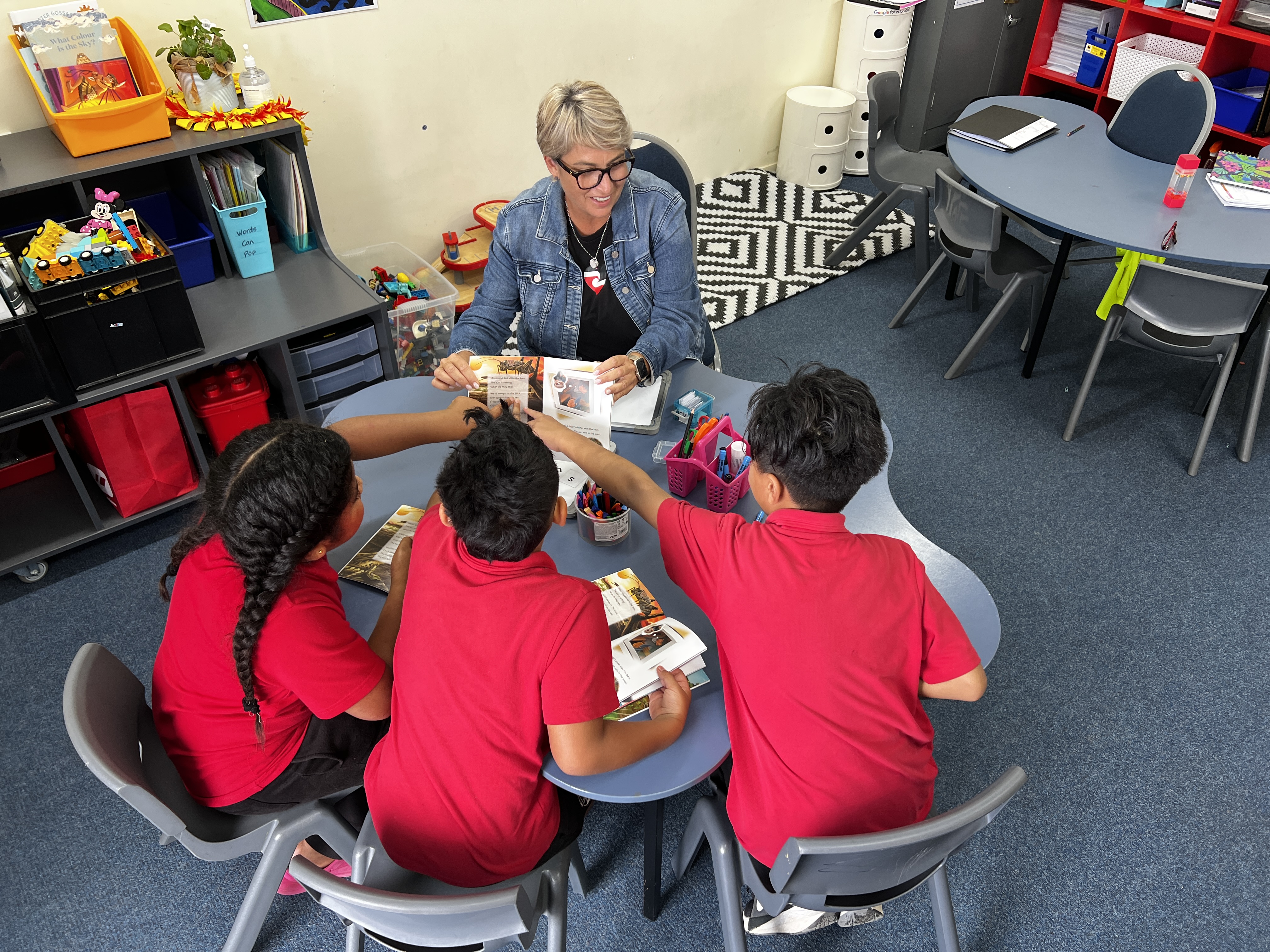
LSC Deb Shirley works with ākonga at Point England School.
Structured literacy in focus
A major focus for both Deb and Sharron this year is literacy support.
Toni says there is huge need for this, “as the range of abilities in classrooms is massive”.
“That gap often widens across the school, where we previously haven’t been able to meet all of the needs.”
Point England School follows the Better Start Literacy Approach, says Deb.
“What we have found is that sometimes kids need a little more time to build that foundation, and that’s where I come in. We focus on tier two learners, the new entrant students who begin to fall behind learning expectations in the first 10 weeks.”
Once identified, these students receive additional learning time in small groups so they can practise skills and build automaticity while still feeling included in class.
Deb works to identify these ākonga early so they do not fall further behind.
Toni adds: “In terms of the LSC role, we want to grow teachers’ structured literacy competency right across the school and target more children."
The duo also want to create opportunities for whānau to become more involved in their children’s learning. “It takes a lot more than one teacher – it’s a whole community approach.”
St Heliers also has an established learning intervention programme for its tier two students following the Learning MATTERS iDeaL approach.
“Those students needing targeted support work in small groups at our learning hub with the learning assistants,” explains Sharron. “What’s been great is we've been able to further upskill our learning assistants to work with our tier two children and give them a double dose of support."
Both LSCs are working to make sure ākonga with gaps in their literacy are supported from the start of the school year.
Alex says the role has made year-to-year transitions much more seamless.
“We’re on the front foot rather than being reactive. We’re actually setting our children up for success, and we’re really proud of that.”
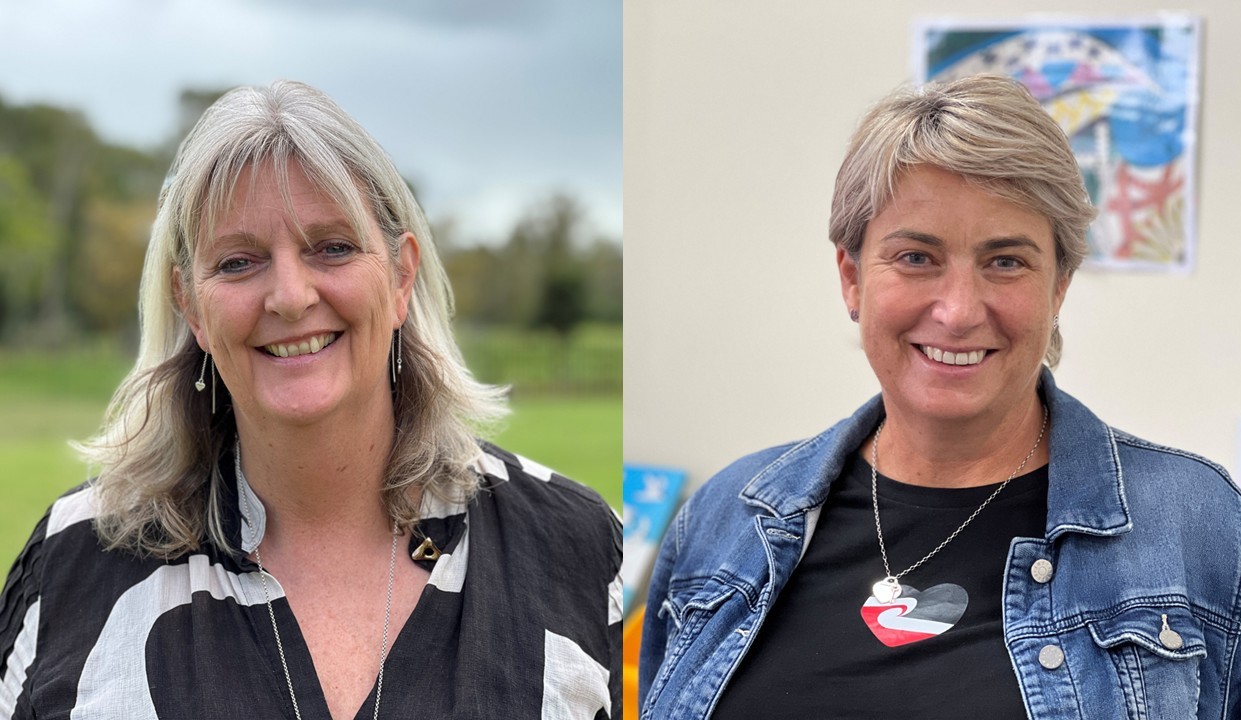
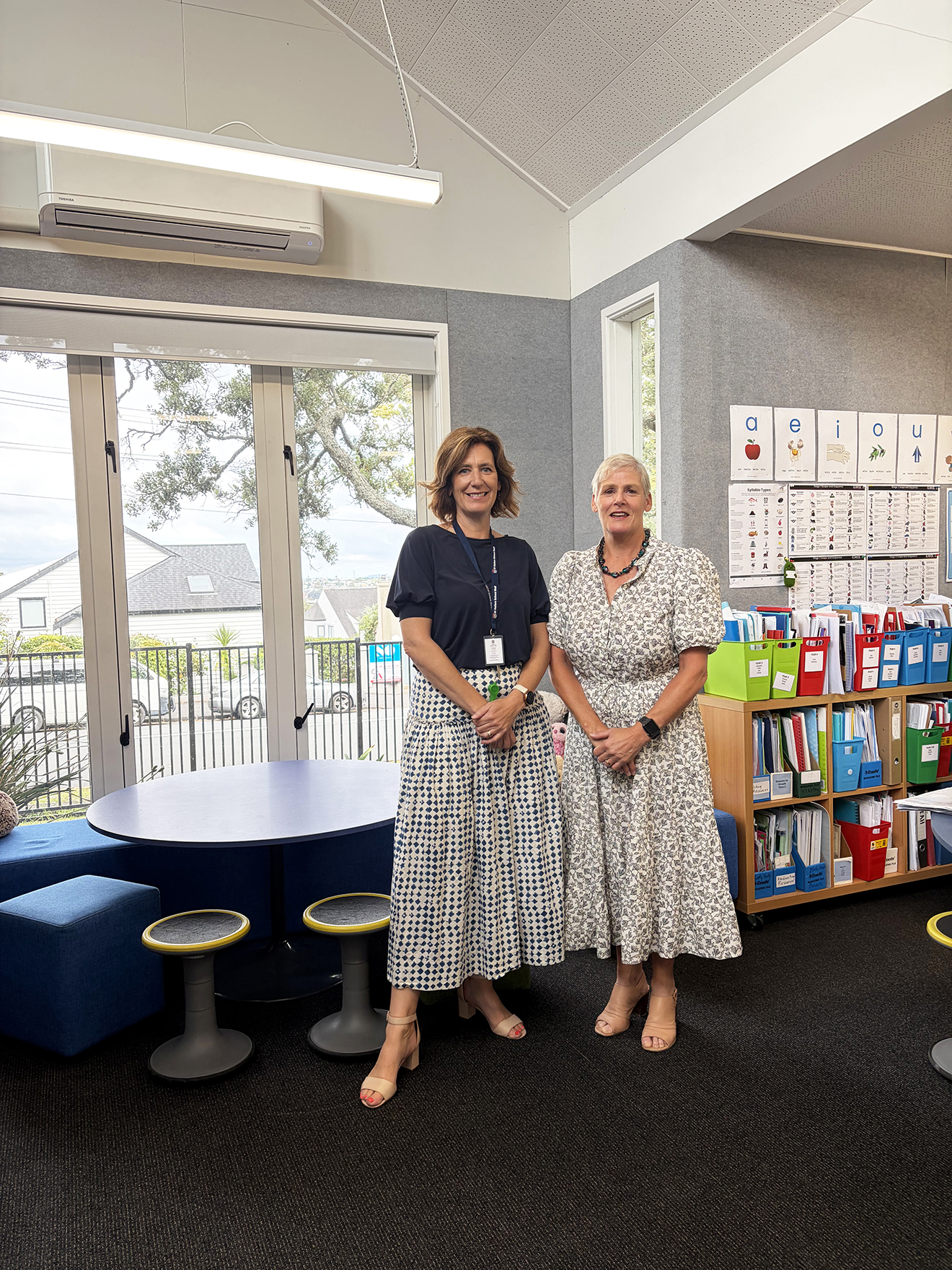
Point England School deputy principal and SENCo Toni Nua, left, and LSC Deb Shirley.
Induction for learning support coordinators
The Ministry of Education has a new three-course induction programme for schools with an in-school LSC starting this year. Anyone with an Education Sector Login (ESL) can access the new induction course including all in-school LSCs, clusterbased LSCs, and SENCos.
The induction includes essential knowledge and skills needed to perform successfully in their role, for consistent practice across the motu.
Professional learning and development will be available for all LSCs later in 2026.
The Ministry of Education website has more information about the induction programme.
Learning support coordinators in schools – Ministry of Education