Inclusive education for disabled students
In December 2025, a landmark agreement was signed at Parliament that marks a big step forward for ākonga with disabilities and their whānau. It is also one that will have a positive impact for schools, IHC inclusive education lead Trish Grant tells Education Gazette.
Teachers know that school is more than academic learning: it’s where children build relationships, share experiences and feel a sense of belonging and wellbeing. Many disabled students have not had that experience.
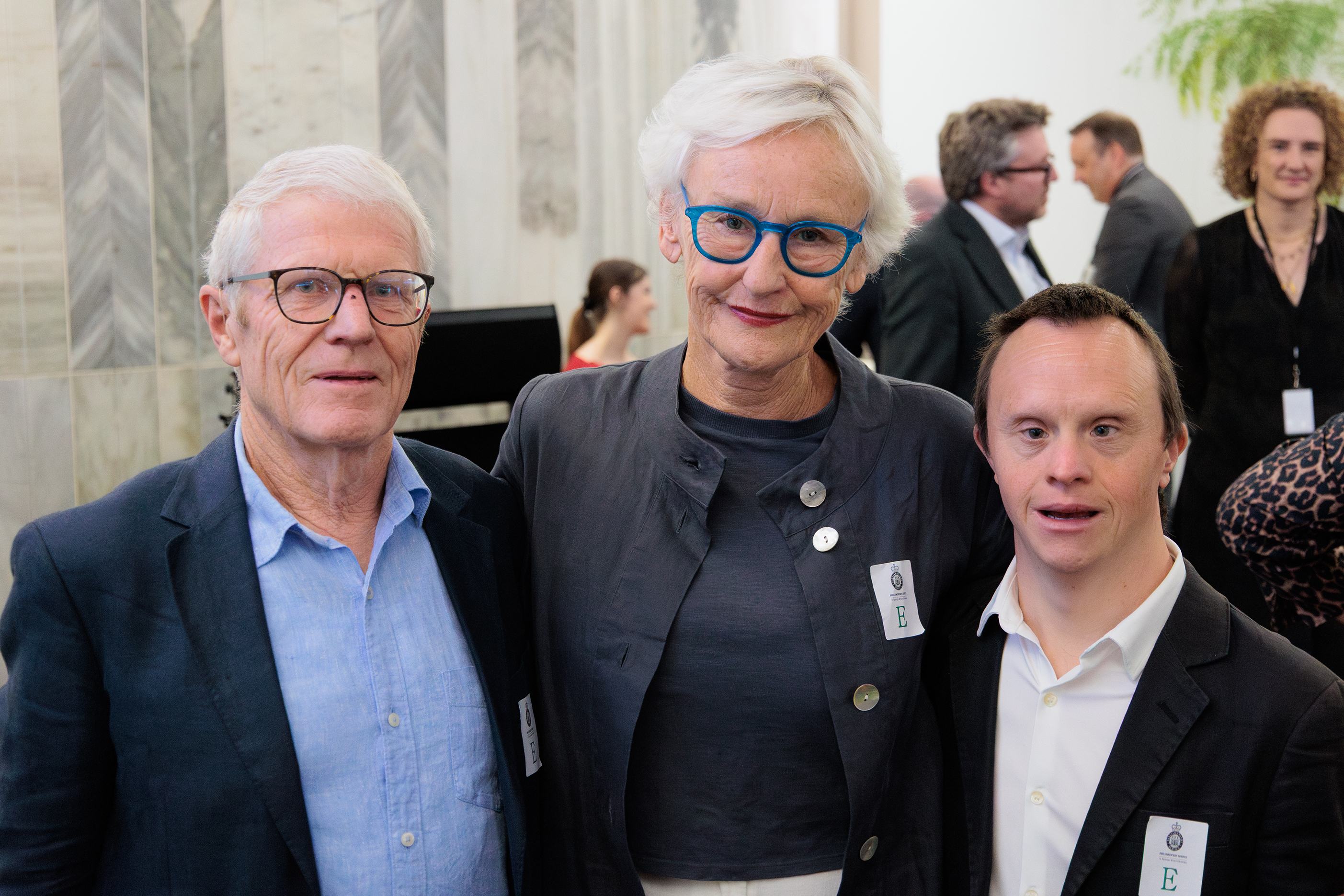
Ian Armstrong, left, and his son Duncan, pictured with Trish Grant, are long-time supporters and advocates for this education change.
Kataraina, a mother from Porirua who spoke at the signing of the agreement, described how her daughter with autism had to attend part-time for three years because she wasn’t understood or supported.
“For our children to be respected and valued in society, they need to be respected and valued at school,” she said. “Belonging means that our children are welcomed, understood and accepted for who they are.”
Kataraina and her daughter’s experiences have been shared by too many families for too long. The agreement reached between IHC and the Government resolves a long-running legal claim first taken to the Human Rights Commission in 2008. IHC emphasised in its claim that access to education for disabled children was a human right and the education system had not made sure of that right. The complaint argued that policies contributed to disadvantage and discrimination for disabled ākonga in mainstream schools.
What this agreement means for schools
At its core, the agreement commits the Ministry of Education to implement a framework for action – a set of nine priority areas based in evidence, including Ministry and Education Review Office reports, collected over decades. The framework was designed by IHC and informed by families, teachers and disabled people themselves.
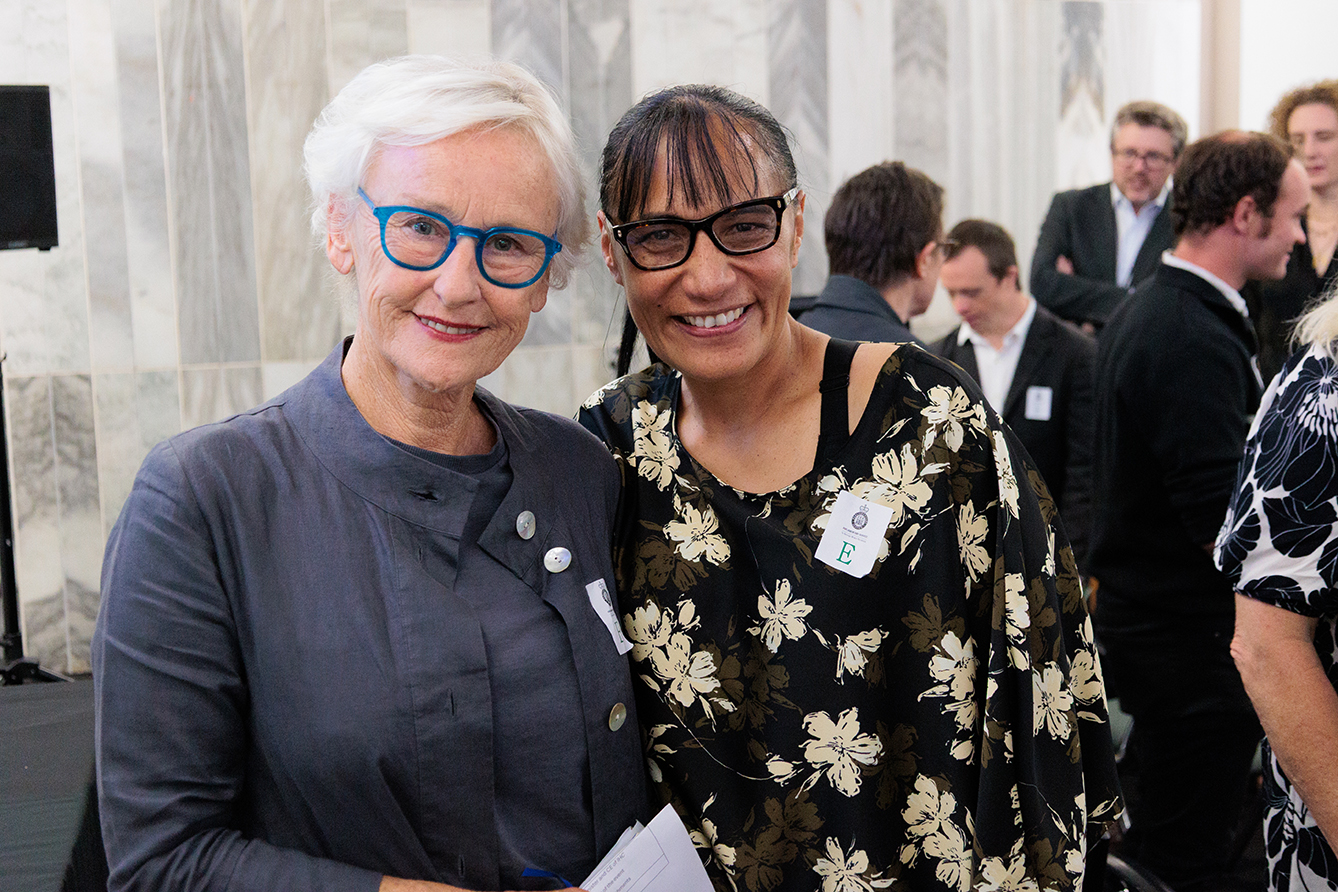
IHC inclusive education lead Trish Grant and Kataraina, a Porirua mother who spoke at the signing of the agreement.
The evidence shows long-term and widespread agreement across the education and disability sectors that the current policies and funding do not provide what disabled students need to learn and belong at school.
The evidence also points to the stress for schools and families over long waiting lists for specialist advice or services such as communication, behaviour and occupational specialists.
The 2022 Education Review Office report Thriving at School: the learning experiences of disabled students at school identified that many school boards were not aware of their legal and policy obligations to disabled students. It found many new and experienced teachers lacked confidence and capability in teaching the diversity of ākonga in their classrooms.
IHC’s framework for action, which the Ministry has agreed to implement over the next six years, is focused on fundamental shifts in how the system understands and responds to disabled students’ needs.
The Ministry has also agreed to establish an external stakeholder monitoring group of up to eight people to make sure there is full implementation of the framework. IHC will chair the group. Members will include disabled people, tāngata whaikaha Māori, Pacific people, whānau and others who understand how education system policy settings impact schools, ākonga and their whānau. This group will monitor and guide work on the framework over at least the next six years.
Why this matters in the classroom
For many teachers, the promise of inclusive education is familiar. But for too many disabled children that promise has not been realised.
The settlement acknowledges the need for the education system to better support schools and disabled ākonga so that inclusion of all students is “just what we do”, not something that seems too far out of reach.
Inclusion means every ākonga is supported by an education system that provides what they need for learning and belonging at school.
Inclusion means that all schools have what they need to welcome, teach and support every ākonga to succeed.
A shared vision of inclusion
The intent of the agreement and framework is clear: Children with disabilities should be able to go to their local school with their siblings and friends, learn alongside their peers, and participate fully in school life – not on the margins, not part-time, not separated or disadvantaged. This outcome will align the education system with human rights principles and create positive outcomes for all students, including those with a disability.
As Kataraina reminded us: “Belonging is a fundamental human need.” When policy makers, schools and communities embrace that principle alongside practical system support, we can truly make meaningful education accessible to all.
At the signing event, IHC chief executive Andrew Crisp shared the story of a 10-year-old student with Down syndrome who was enrolled at his local school but only attended half days, half weeks – and occasionally not at all. When he was there, he was separated from his classmates and learning little. The school said it simply didn’t have the staffing or resources.
“I struggle to understand why in 2025 this is still happening,” said Andrew.
IHC is confident we now have a partnership with the Ministry to implement the framework and build an education system that works for all disabled students and schools. We believe the work ahead will be positive, respectful and focused on the system changes so urgently needed.
Too many ākonga have been let down and left out. We must act now with certainty, together.
The use of the term "disabled students"
In this article, Trish Grant purposefully uses the term “disabled students” rather than “students with disabilities”.
She explains: “That’s because these students are disabled, not by their nature but the systems that focus only on their deficits (what they cannot do) rather than their strengths. IHC’s long-running legal action aimed to change that systemic discrimination.”
The framework for action
The framework for action agreement includes:
- better data collection
- reporting and evidence informed funding policy
- access to specialists
- collaboration to resolve enrolment
- participation, learning and achievement
- responsiveness of the curriculum
- accessible school environments
- an investigation of how deficit-based funding approaches that focus on what students cannot do rather than what they can, affect students, parents and communities.
The Ministry of Education website has more details of the framework and agreement.
Framework for action: a quality education for all - Ministry of Education