Tamariki bring play spaces back to life in East Gore
Tamariki at Southland’s East Gore School are taking back their neighbourhood play spaces, thanks to an initiative that turns their ideas into reality.
East Gore School noticed their local environment wasn’t offering tamariki enough variety or challenge in how they played, and they decided to do something about it.
Working alongside tamariki, the school explored where and how they played, and what barriers were getting in the way both at school and out in the neighbourhood.
That inquiry saw East Gore become one of the early adopters of the Sport New Zealand – Ihi Aotearoa neighbourhood play system. It’s a model that brings schools, whānau, councils and community organisations together to create more playful, accessible local environments.
“It’s been really exciting. We’ve seen a dramatic increase in play and the active movement trend,” says principal Dana Turnbull.
“We’ve had such great traction with this kaupapa. Our kids are active in our neighbourhood. Our tamariki are always out with their whānau interacting with our fab resources and play-based systems.”
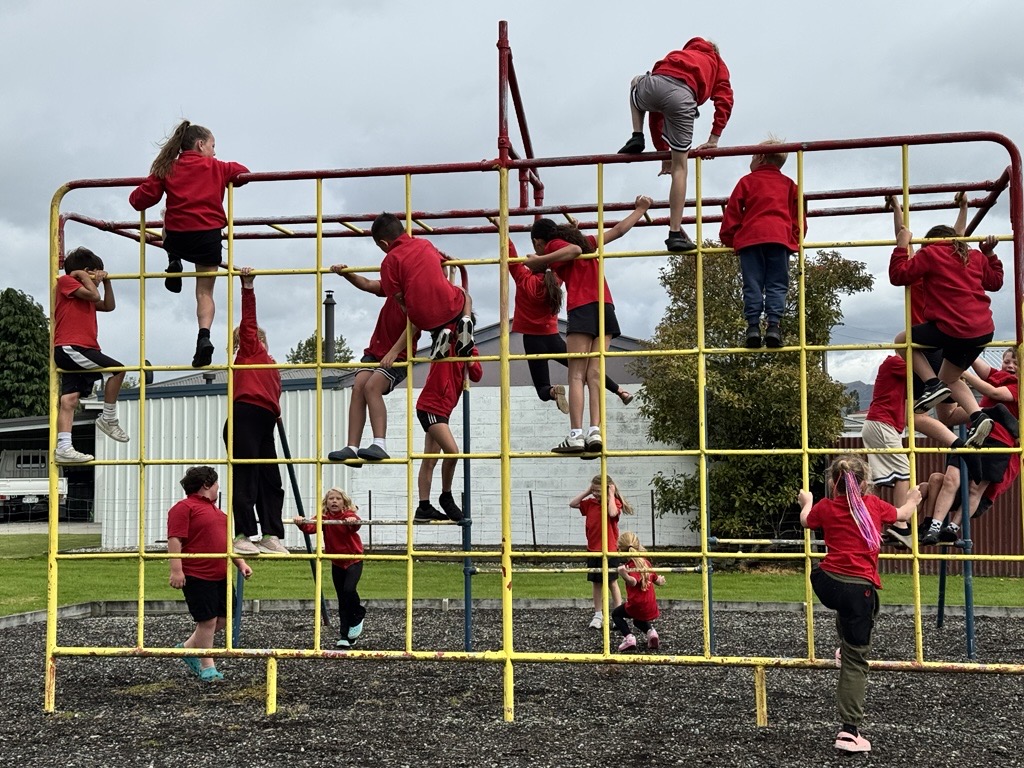
Ākonga from East Gore School playing at Hamilton Street Playground.
Ākonga-led from day one
Right from the get-go, tamariki played a hands‑on role in reimagining their local parks. With support from Active Southland, they used maps and measurements to work through what they wanted to include and shared those ideas with Gore District Council.
Throughout the process, the council and community took the time to genuinely listen to tamariki and act on what they heard. Seeing their ideas turned into real play spaces helped build a sense of pride and ownership.
Now, as East Gore School student Scarlett says, the neighbourhood has really cool playgrounds.
“We’ve got lots of cool things like slides, monkey bars, swings and wobbly stairs.”
There are also pump tracks, basketball courts and a revamped flying fox.
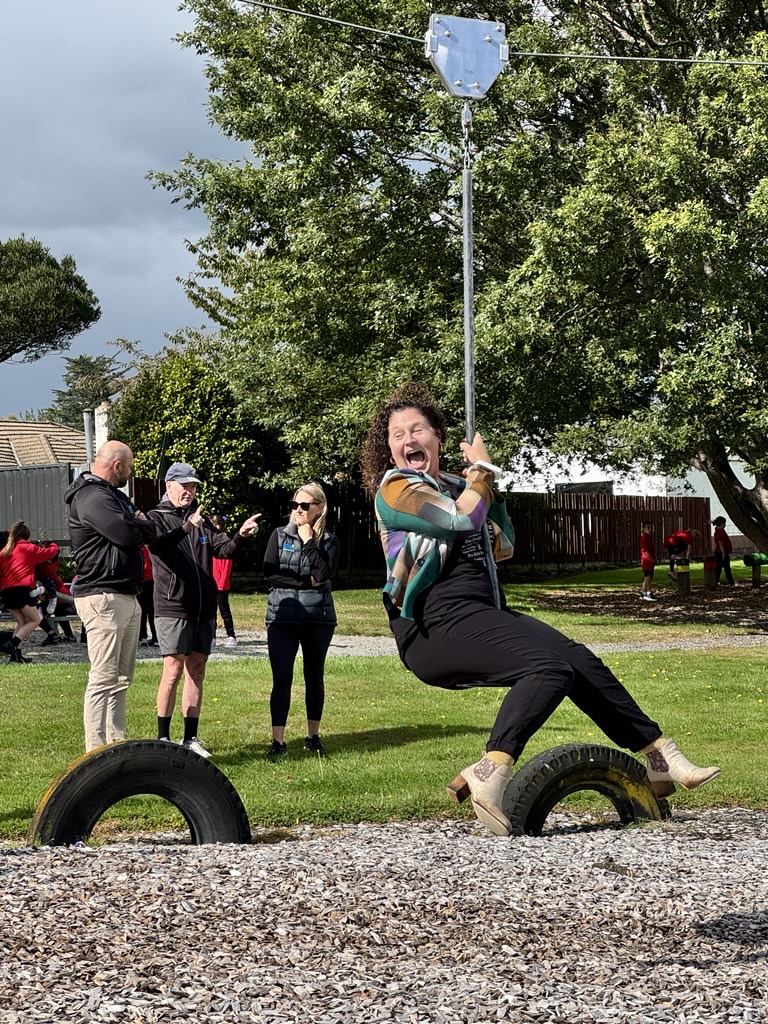
“We’ve fixed the flying fox, cleaned up the slides and the graffiti. Lots of kids play on the equipment now. It’s awesome,” says former student William.
“We’re so lucky and grateful to have this giant big pump track,” says student Ritchie. “I always see kids on it every single day, with their bikes and scooters.”
Teaching the role of kaitiaki
Tamariki have also cleaned up the parks’ surroundings, picked up rubbish and planted trees, with more due to be planted in future.
Before the transformation, former student Javanee says the parks weren’t very colourful, bright or nice to be in.
“We wouldn’t really enjoy going over there. Now, it’s really nice and fun to hang out there. Sometimes my family goes there and plays basketball.”
The changes have helped bring East Gore’s streets and play spaces back to life, with more people out and about, and tamariki using local parks, playgrounds and courts again.
The project has been strongly backed by Gore District Council, with clear support from the community and a shared sense that this was something East Gore needed.
Council staff were encouraged by seeing tamariki ideas put into action. Many of the tamariki hadn’t expected adults or the council to listen, but their ideas were practical and creative.
Prioritising play
Sport NZ play consultant Mark Curr says the project is a great example of what’s possible when communities prioritise play.
“We’ve seen the completion of a great report and some strong recommendations, and then the whole community has galvanised, got together and ticked it all off.
“The idea behind the model is for tamariki and their whānau to have the freedom of the neighbourhood,” says Mark.
“They can roam around and have reasons to voyage. Certainly, in East Gore there’s been a string of improvements made. These help kids see themselves in this place, and find something cool to do, all the time, every day.
“Play is important to all New Zealanders from a social, physical and wellbeing standpoint. If we have playful children, we have playful lives.”
Dana agrees, and says tamariki learn through exploration, creativity and positive interactions.
Giving them a strong, powerful voice and bringing their ideas to life is also key.
“It’s that pride, it’s that kaitiaki lens. And it’s the kaupapa of how we operate; it sits at the heart of what we do here,” says Dana.
“We’ve got some amazing stakeholders that sit around our table. With that nurturing relationship, whakawhanaungatanga, the people involved are passionate and dedicated and are on the waka since day one, and are really passionate about making East Gore – our community – a great place to be.”
East Gore School principal Dana Turnbull joining in the fun.
What is the neighbourhood play system?
The East Gore School neighbourhood play system project is one of about 50 that have been completed across the motu.
The approach to urban play design places tamariki at the centre of the process. Tamariki share where they play, how they play, and what’s preventing them from playing more at school and in their neighbourhood.
Supported by Sport NZ, neighbourhood play systems bring together a school or kura, local organisations and community groups to bring play projects to life in ways that reflect their needs.
The model recognises that play happens throughout neighbourhoods – not just in playgrounds, but also in driveways, streets, parks, reserves, green spaces and alleys – giving tamariki the freedom to be active and playful right across their neighbourhood.
Each project links with local plans and funding opportunities to help embed ideas from tamariki into public spaces.
Find out more:
The neighbourhood play system – Sport New Zealand - Ihi Aotearoa