How online learning is expanding opportunities for students
Virtual learning networks are helping schools overcome distance, staffing and subject availability challenges, giving students greater choice while keeping them connected to their local school communities.
Think back to 2020 and the Covid-19 pandemic. Schools were scrambling to put learning online, and teachers were thrust into mastering the art of online teaching. The return to a physical classroom was for many a welcome return to normality.
Yet, online learning has been growing and maturing in New Zealand since the very early days of the internet.
Over the years, clusters of remote or small schools experimenting with e-learning have morphed into larger networks, one of the largest being Kōtui Ako VLN, a collaborative online learning network connecting primary and secondary schools and kura across New Zealand.
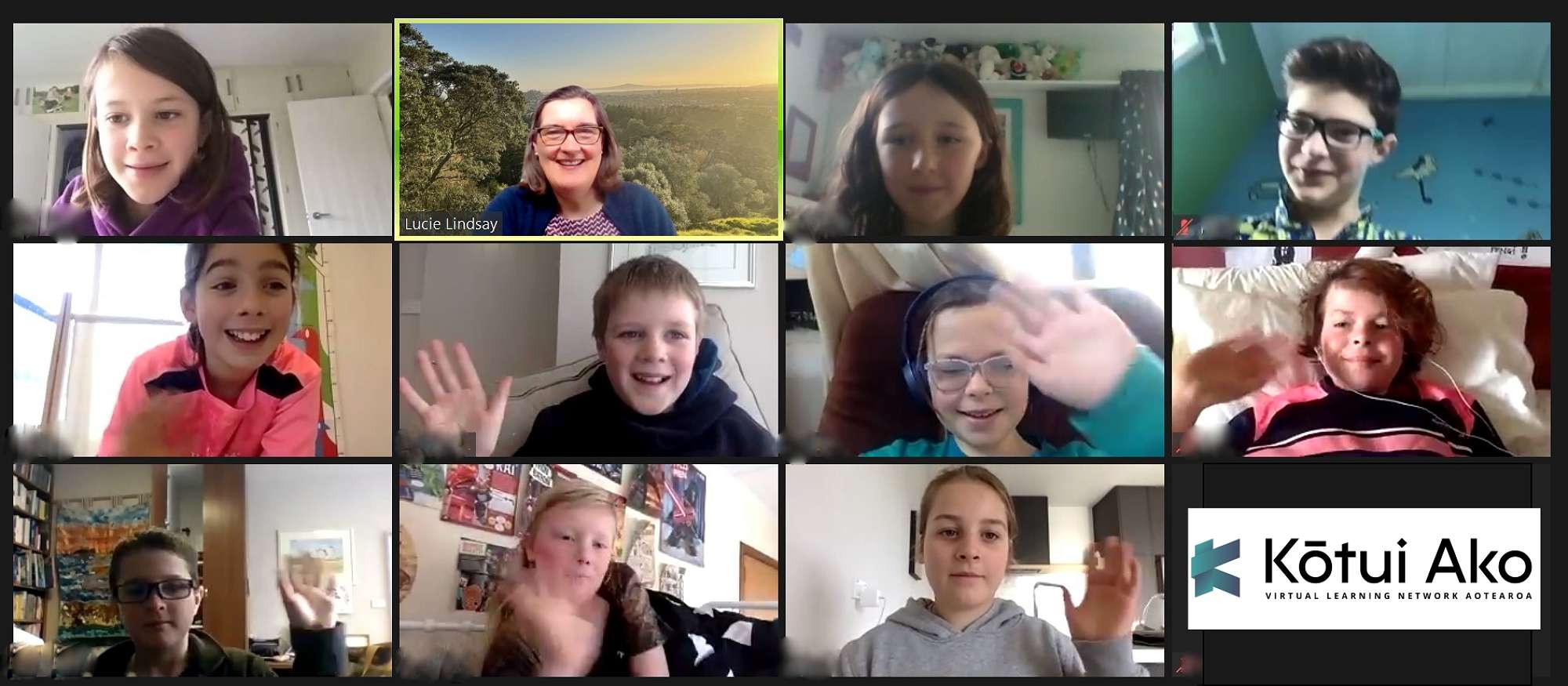
Halfmoon Bay students in a digital technologies class with Lucie Lindsay.
Kōtui e-principal Rachel Whalley says online teaching is a necessity in many schools which don't have access to a broad range of subjects.
“You just can't be the master of everything. We know primary school teachers in their classes are expected to know the whole curriculum and when you're in a small rural school, you're expected to know the whole curriculum at every level as well.”
Today, 82 schools belong to Kōtui Ako VLN, including 49 secondary schools and 33 primary schools. The network records 1,114 learner registrations in online classes, including 751 secondary and 363 primary registrations.
Many participating schools are small or rural. Among primary schools, 72 percent have rolls of 150 learners or fewer and almost half have fewer than 50 students. At secondary level, nearly half are small rural, coastal or isolated schools, often with rolls of fewer than 400 students or operating small area school secondary departments.
Making connections
At its essence, the network exists to provide access to subjects where there are only a few students or where there's a gap in a school's ability to deliver.
There are about 126 subjects on offer, including a music class based on songwriting byby Kāpiti-based Jan Bolton.
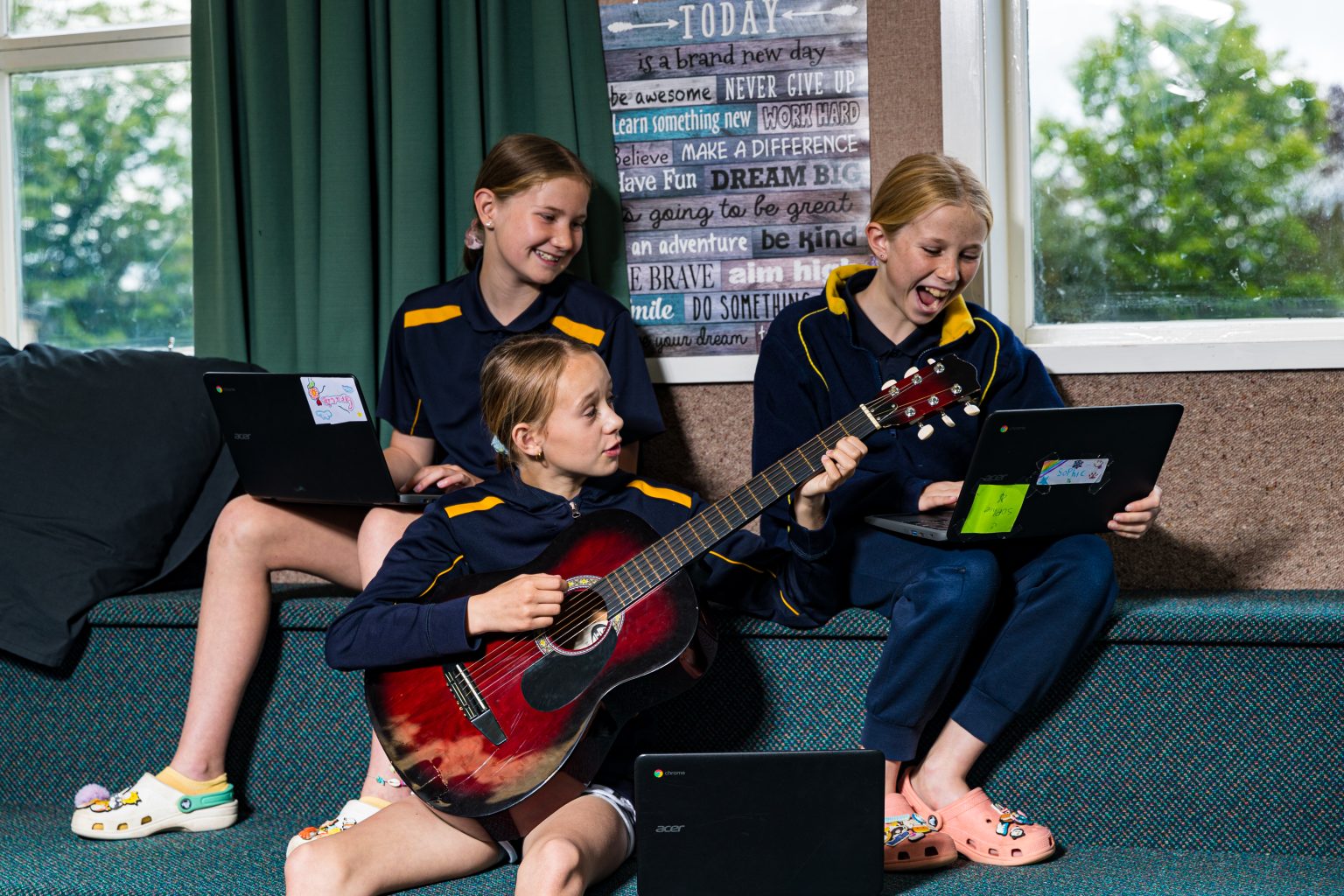
Wairakei songwriters.
A composer with a lifelong fascination for online teaching, Jan has been a secondary teacher, a Victoria University education lecturer and the head of arts at Te Kura before she joined Kōtui Ako six years ago.
This year she fits in her class around a busy life of composing dance and theatre music.
With students all over the country, Jan unearths some amazing talent. And she loves the structure of the weekly Zoom, followed by independent study and coming back together again.
“It's a wonderful way of working,” she says. However, online or not, she finds students still crave connection.
“Today was the start of a new semester for us and I have seven new learners in my class. And while we definitely looked at lyrics and music as part of our class, the key focus from my point of view was establishing the first meaningful relationship with those newies and combining them with my existing learners.”
“I would be very concerned if I came out of an online class and realised I didn't have multiple contacts with each learner.”
Motivation is key
In Warkworth, language teacher Angelika Young has stepped back from physical teaching but has continued to teach German online.
She likes the motivation of her students who have chosen to be there and often have family connections to the language.
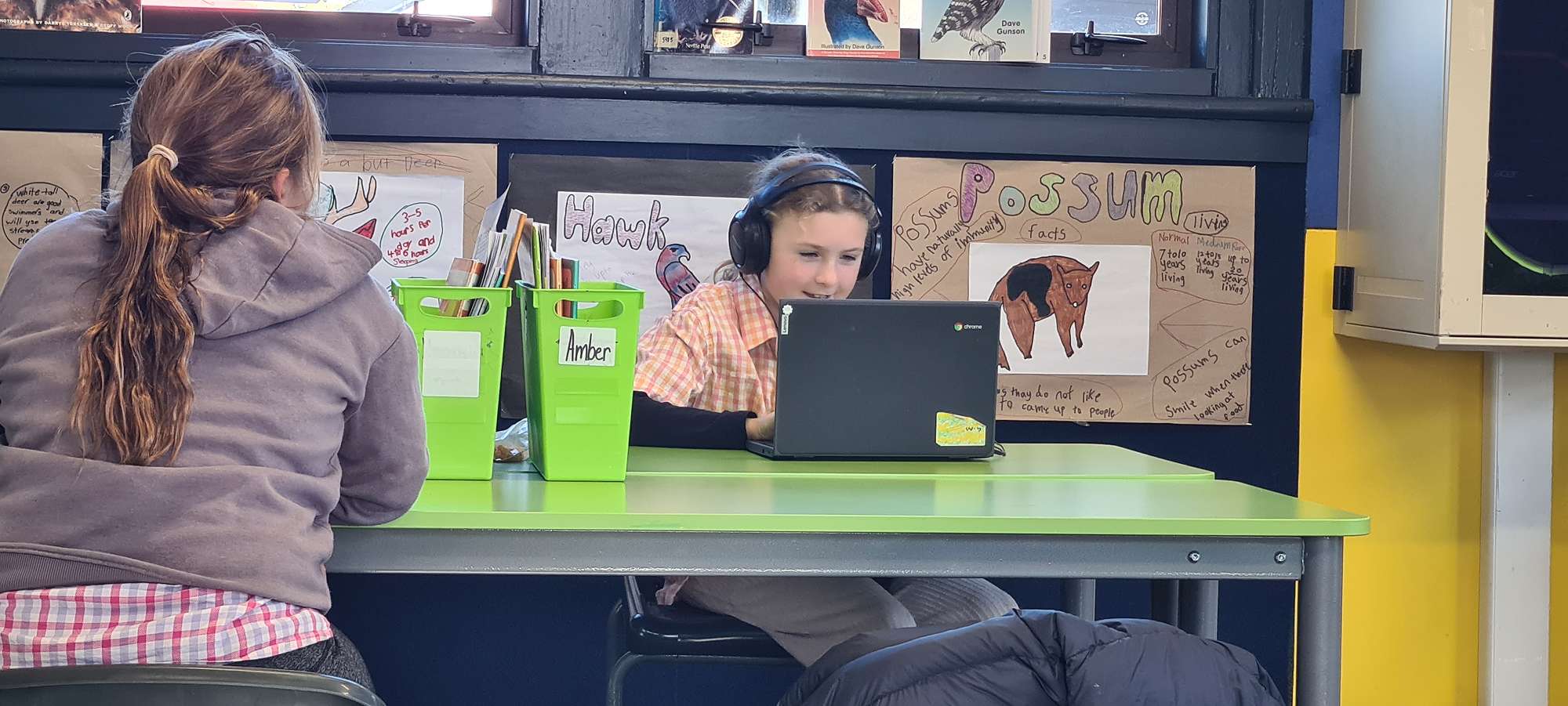
Students in Spanish class.
Students quickly learn to become self-managing, she notes. Although they have only one Zoom with their teacher a week, students are expected to do four to five hours a week in total. However, they can contact their e-teacher as often as they need, as well as access their e-dean.
They learn how to learn, says Angelika. “For example, one student is not so good with past tense, another needs to revise a relative pronoun and the other one needs to look at conjunctions, so they learn to see their weaknesses and focus on that."
How the network works
Kōtui Ako VLN is a collaborative network of primary and secondary schools and kura serving Years 0–13, designed to improve access to educational opportunities through online learning. Participation is open to all New Zealand schools, with member schools contributing to the network and sharing expertise across it.
Students are taught within their local school setting, with online learning timetabled during the school day and supported by staff on site. At primary level, schools can register a whole class, a small group of learners or individual students. Online teachers may also work with an entire class within a school.
Kōtui Ako's primary operations have been funded by the Ministry of Education since 2009, supporting leadership, coordination and network-wide teaching provision. Participating schools contribute membership funding and can either draw on teachers working across the network or contribute their own expertise.
Participation looks a little different at secondary level, where the network operates through a reciprocal model. Member schools contribute staffing and funding to help deliver online courses while gaining access to the full range of programmes offered across the network.
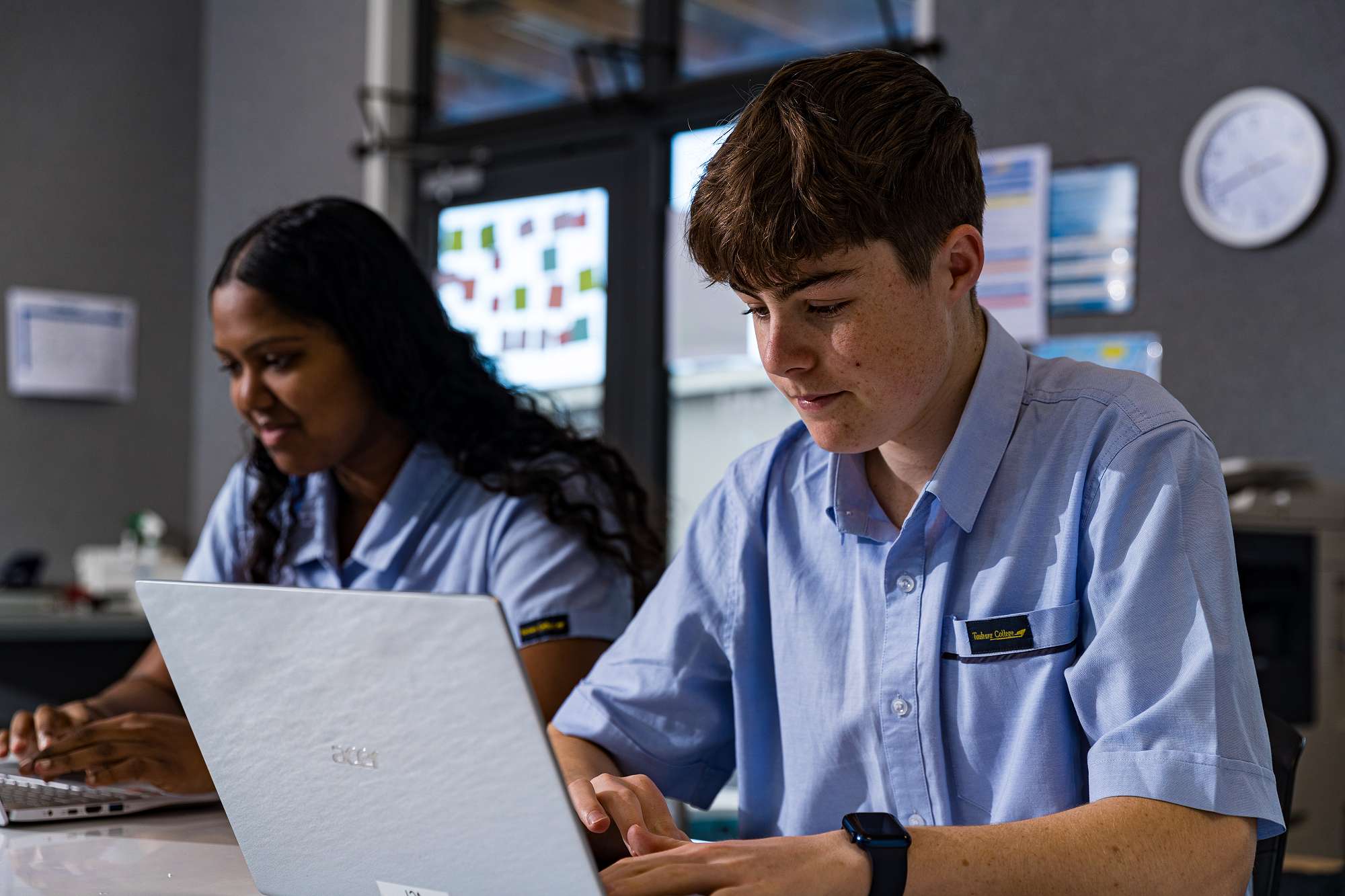
Tuahara College students.
Each secondary school contributes 0.08 FTTE staffing, plus a membership fee. An e-teacher typically delivers one online course for four to five hours a week, or the equivalent staffing contribution. Schools also appoint an e-dean, who provides pastoral support for students learning online and acts as a liaison between the school and the Kōtui Ako team.
Ian Callachan, who is Head of Social Science at Tauraroa Area School south of Whangārei, is an e-dean and teaches geography for Kōtui Ako as well as at his own school.
Already an experienced dean, he's a big fan.
“For me as an e-dean, it's been really powerful. I learned so much about so many different subjects, how they operate, the marking guides and the clarifications. So it's been empowering for me.”
Technology is also much better than the early days of online learning, Ian says.
Students can go back over their Zoom recordings and Ian can see students' work in real time.
“I can look into their folders, I can publish videos, it's made things so much easier. So as long as the students are motivated, it works really well.”
An online pedagody
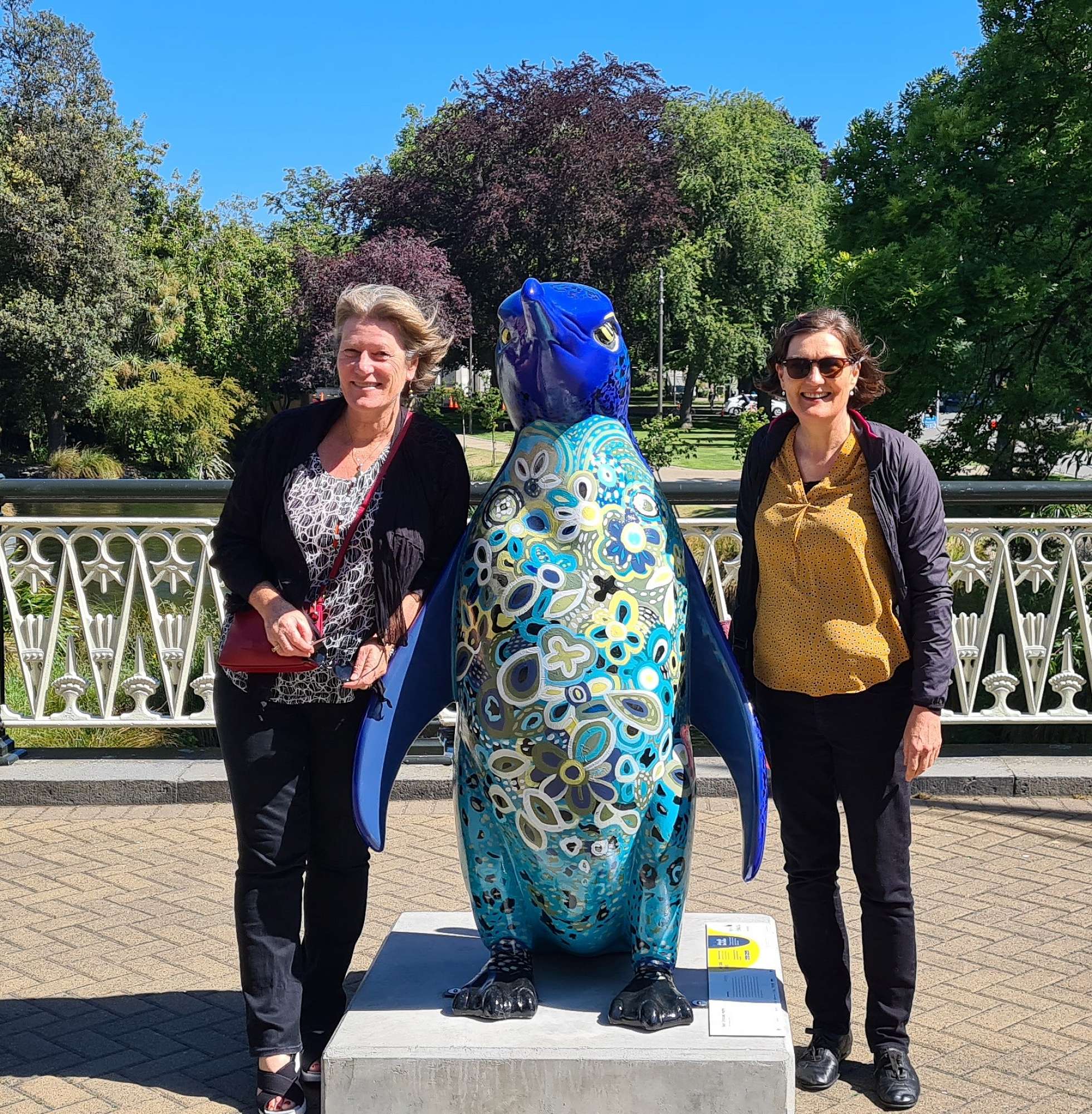
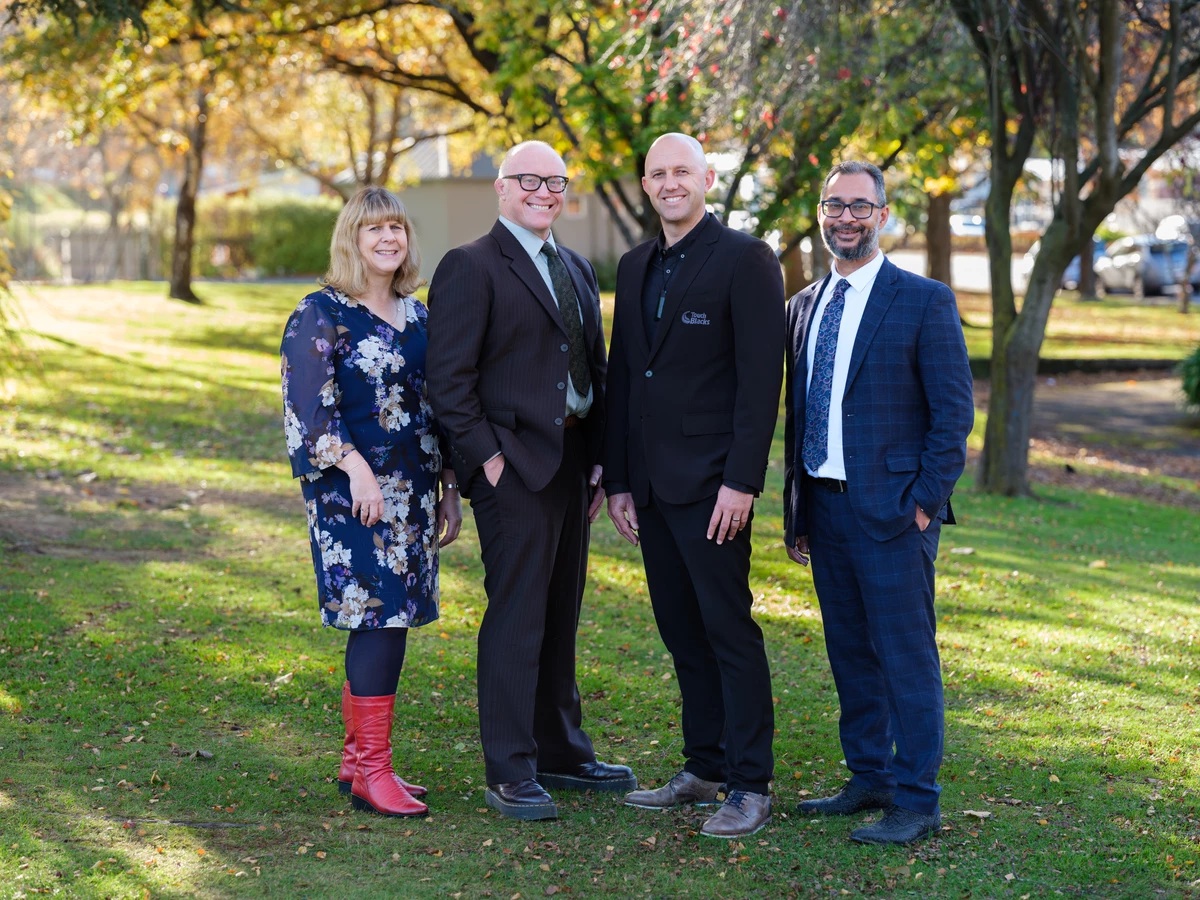
Kotui Ako e-principal Rachel Whalley and deputy e-principal Lucie Lindsay
Online teaching isn't as simple as just switching on a camera, Rachel says. In fact, there is a whole pedagogy for online learning which tends to fly under the radar.
She says online teachers must be well prepared and take a structured approach. But lessons still have to be learner-centred and flexible, building relationships with discussions and activities that help offset the effects of distance.
Emergency remote teaching, in situations like the pandemic, is not the same as the online pedagogies they have been developing for decades.
“[It's] about what works well for our online learners, to achieve success and make this worthwhile.”
To reinforce their professional development, Kōtui Ako teachers are also part of the Kōtuitui Online Teachers Network, a professional learning community for 457 online teachers from across New Zealand.
Funded through the Ministry of Education's Networks of Expertise programme, Kōtuitui provides workshops, webinars, professional learning groups, online resources, a members' platform and ongoing guidance for teachers working in online environments.
Both primary and secondary teachers belong to the network, although the Ministry funding supports secondary-sector activity, including implementation of the refreshed curriculum, assessment changes and national qualifications.
Rachel admits online education is not for everyone.
“But it's still needed. And for some people it is a great option and we've got some great teachers in this space and it's another way to make things more flexible.”
She draws the analogy between watching the World Cup on TV or being in the stadium.
“They are quite different, it's not either/or. I personally believe kids still need to go to school but there's different ways of how schooling can happen and kids can do really well online, in face-to-face and hybrid environments.”
Ian is definitely sold.