Developing future scientists who respect animal welfare
Each year, the Year 12 agricultural science class at Feilding High School conducts a chick-rearing experiment. It’s popular with students and an important part of the learning programme for a school with a strong focus on agriculture and science.
An important aspect of this focus is the responsibility for animal welfare, which includes applying for formal approval from the New Zealand Association of Science Educators’ Animal Ethics Committee.
Kain Nixon is head of agriculture and assistant head of science at Feilding High School. The school operates two working farms: Ngākaunui, a 16-hectare dairy farm, and Manawanui, an 81-hectare sheep and beef unit.
““[Ngākaunui] is only a five-minute walk from the back of our classrooms, which is pretty handy,” says Kain.
The farms are managed by two former Feilding High School students and supported by current ākonga who have farm duties as part of their primary industries classes.
Kain works with the farm managers to get a “solid link” between the students and the farm to support learning in the classroom.
“For example, in our agricultural science class last term, we looked at growth and development. On the farm, we might look at weighing as a management practice, body condition scoring or drenching,” he says.
“Once we’ve done the theory, we take the students up to the farm, and they’ll do that task. Our practical class is also up there at least one day a week doing activities like fencing.”
Rearing the chicks
Out of the paddock and back in the classroom, for the past six years agriculture and science students have raised chicks as part of an annual project. Thirty Hyline Brown chicks are given different commercial feed types and students monitor the impact this has on the birds' growth and development.
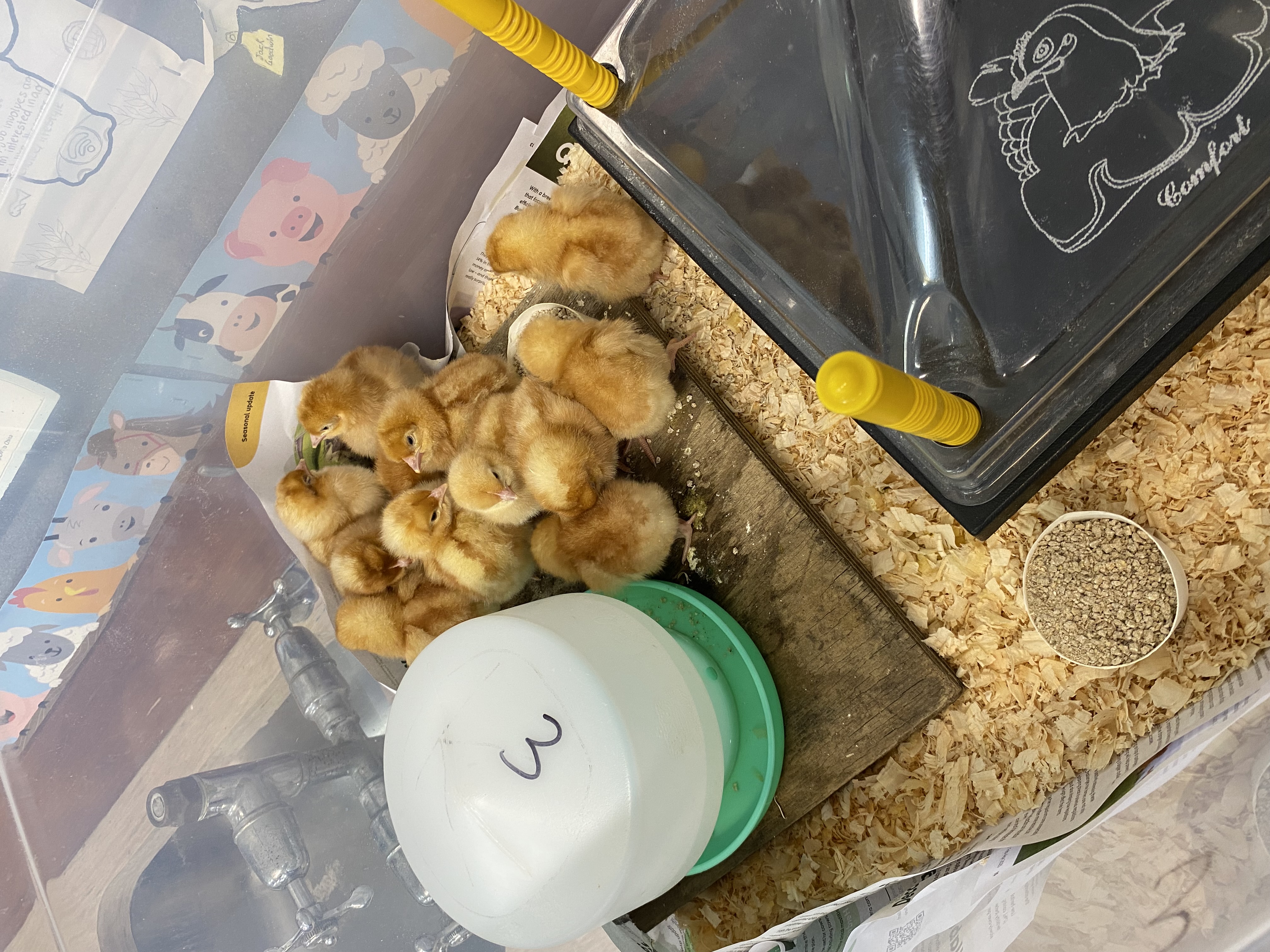
The chicks always have access to food and water, and their cages are kept clean.
But first, Kain must apply for animal ethics approval from the New Zealand Association of Science Educators (NZASE).
Any research or teaching with animals in schools that includes a manipulation requires this animal ethics approval, explains Catherine Hunter, code holder for the school's Animal Ethics Committee (AEC) within NZASE.
Kain explains that, in the case of the chick-raising project, that 'manipulation' is the type of food the chicks are given.
The chicks are separated into three cages, each with a different type of commercial feed containing differing amounts of protein. They live in the back of the classroom for the first week and once they develop their feathers, they are moved outside with heat pads. On completion of the six-week project, the chicks are sold, with one or two kept for eggs at the school.
Kain adds that the chicks always have access to food and water, and their cages are kept clean.
Raising the chicks has become a bit of a tradition at the school, and it’s one ākonga look forward to, says Kain.
“Every student from Year 9 to 11 who does agricultural science gets to see the chicks in the back of the classroom and they all have that expectation of getting to do it in Year 12.”
Learning about animal welfare, ethically
Kain describes the animal ethics approval process as straightforward, and he is able to apply on behalf of the class.
First, he completes an application form which is reviewed by the AEC. He then reports on the chick-rearing project following completion using a statistics return form.
As the experiment is the same each year, the ethics approval lasts for three years before the school is required to re-apply.
“Once you’ve got it set up, you just need to add to your document each time you’re applying for it,” says Kain.
Catherine says many applications are for straightforward projects and are approved outright, or with minor tweaks.
Students can apply as well. Kain says the school’s Year 13 biology ākonga do their own applications as part of an investigation looking at predator monitoring, overseen by teachers.
Catherine says that, ultimately, the goal is to help teachers and students carry out their projects while maintaining the welfare of animals.
”We don’t want to put individuals off from seeking approval because they think their ideas will be declined.”
How to know when to apply
Kain’s advice for other schools applying for animal ethics approval is to talk to someone who has previously followed the process and to provide more information than you think they need.
It’s also important to know when to apply. Kain says an animal ethics application is not currently needed for Feilding High School’s farms, as the work they do is common farm practice.
Practical lessons he has held, such as collecting data from the milking robot to compare the age of cows and their somatic cell count, did not involve manipulating the animals.
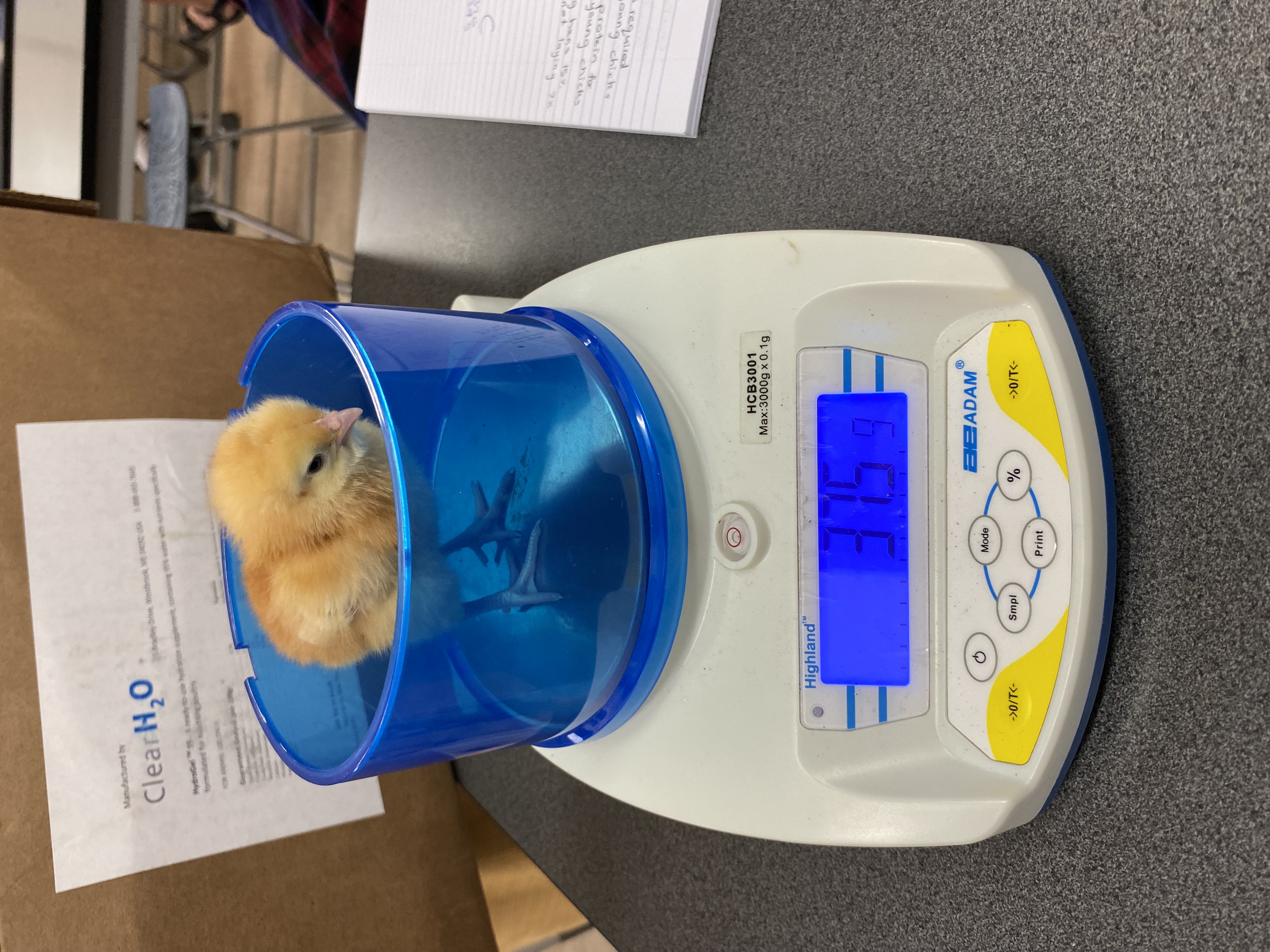
In comparison, the chicks are being handled by multiple students once a week. Teachers are there to make sure the chicks are not handled in extra ways.
Year 12 agricultural science students handling and weighing the chicks, always under teacher supervision.
”As teachers, we’re always there when the kids are handling the animals. The day that the chicks arrive, we do a demonstration on how we want them picked up and handled.
”We talk a lot about factors that influence growth and the impact that stress can have and how we can reduce stress. ”
Kain says the process of applying for consent allows you to look at the project critically for areas where potential impact on the animal can be reduced.
"Only our Year 12 agricultural science students are allowed to handle the chicks. Other students can look at them from a distance but can't really go anywhere near them. The animal ethics [approval] can help us to justify that to students."
The animal ethics application process
The NZASE says animal welfare is paramount to all projects involving animals.
Before embarking on a project or teaching activity that involves an animal students or teachers need to consider:
- how to reduce the number of animals involved
- what could be used instead of animals like an online model or simulation (replacement)
- how to refine their methodology to minimise any risk or pain to the animals.
Schools must complete the application form at least a week before an AEC meeting and before doing their planned animal activity.